

Laser Vascular Removal 980nm - High-Quality Company Solutions
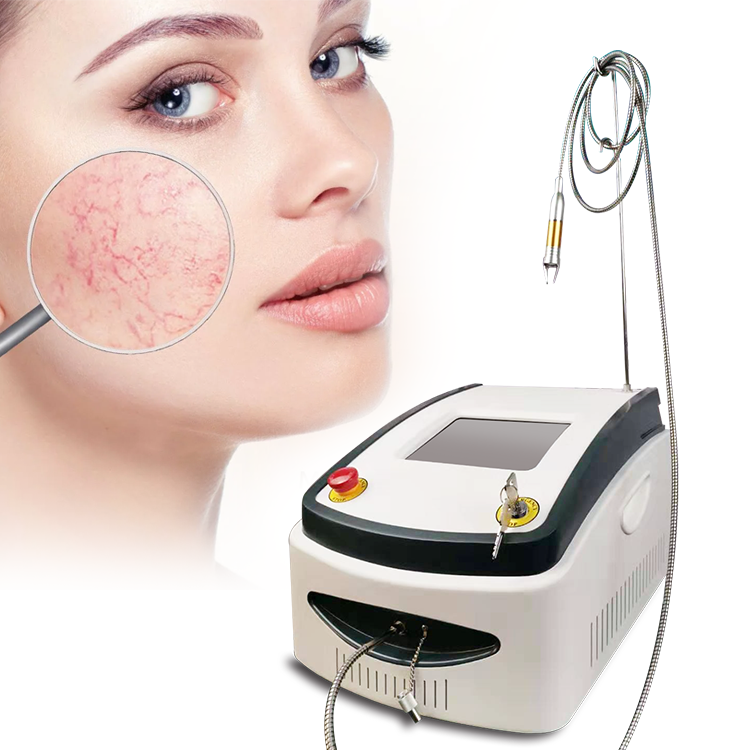
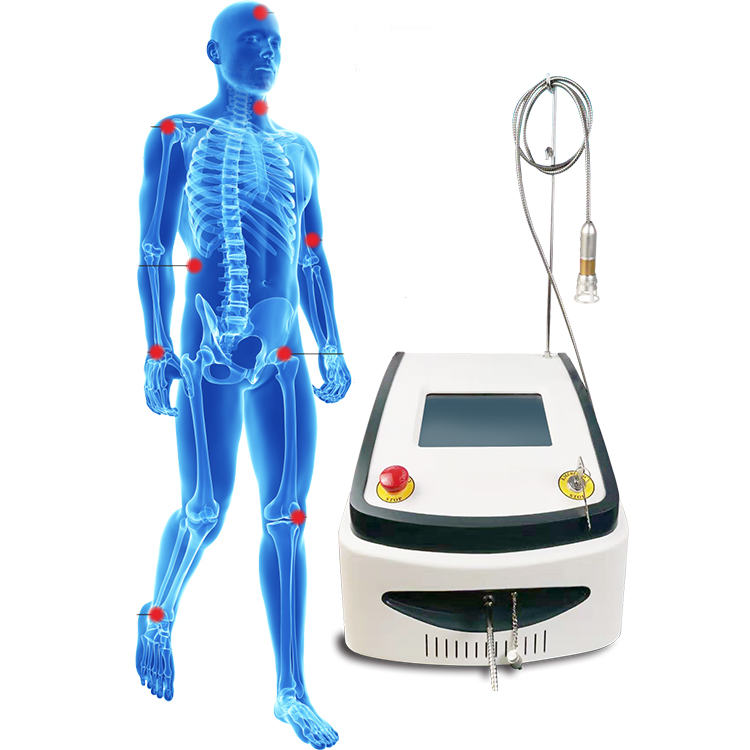
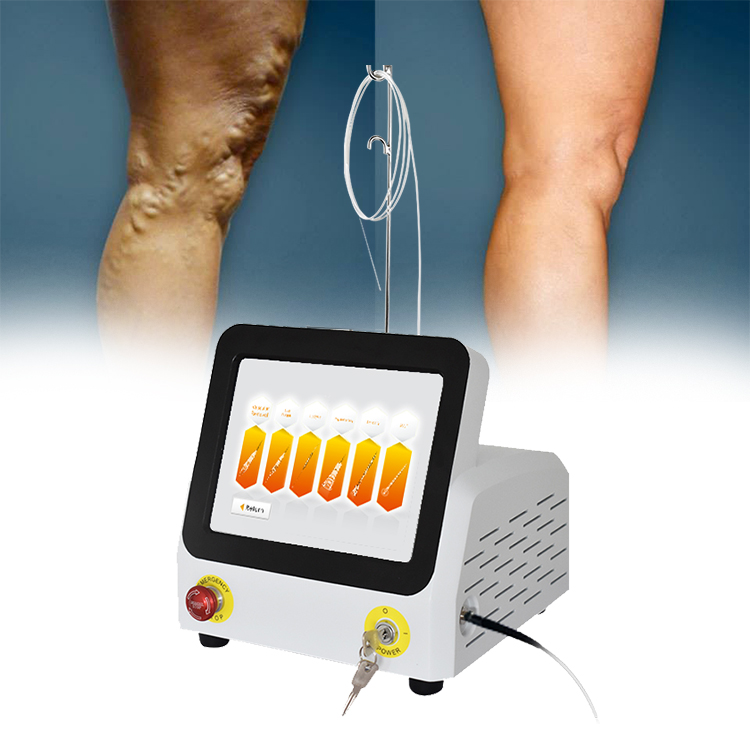
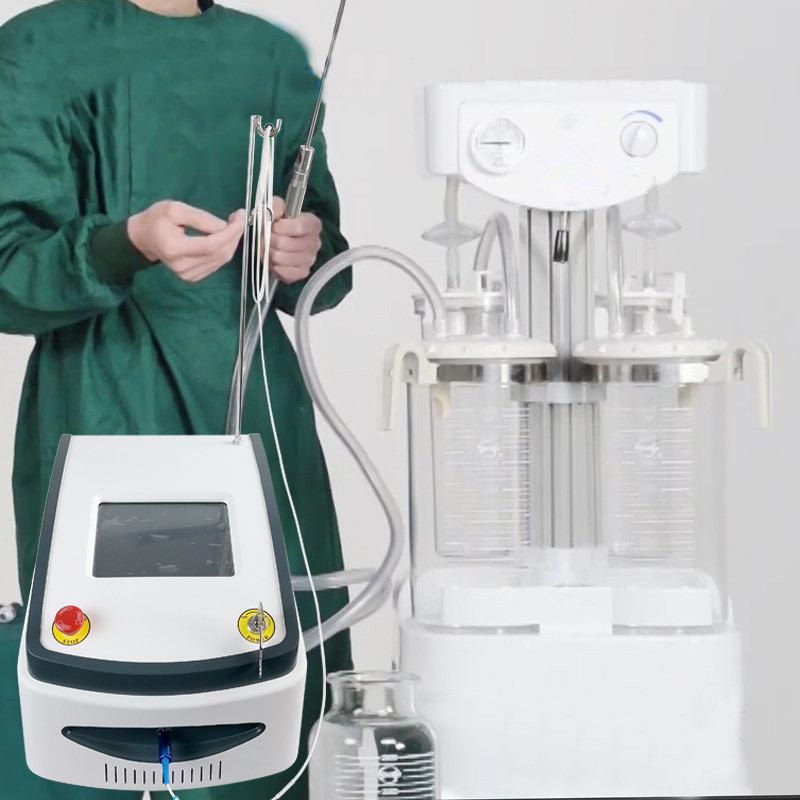
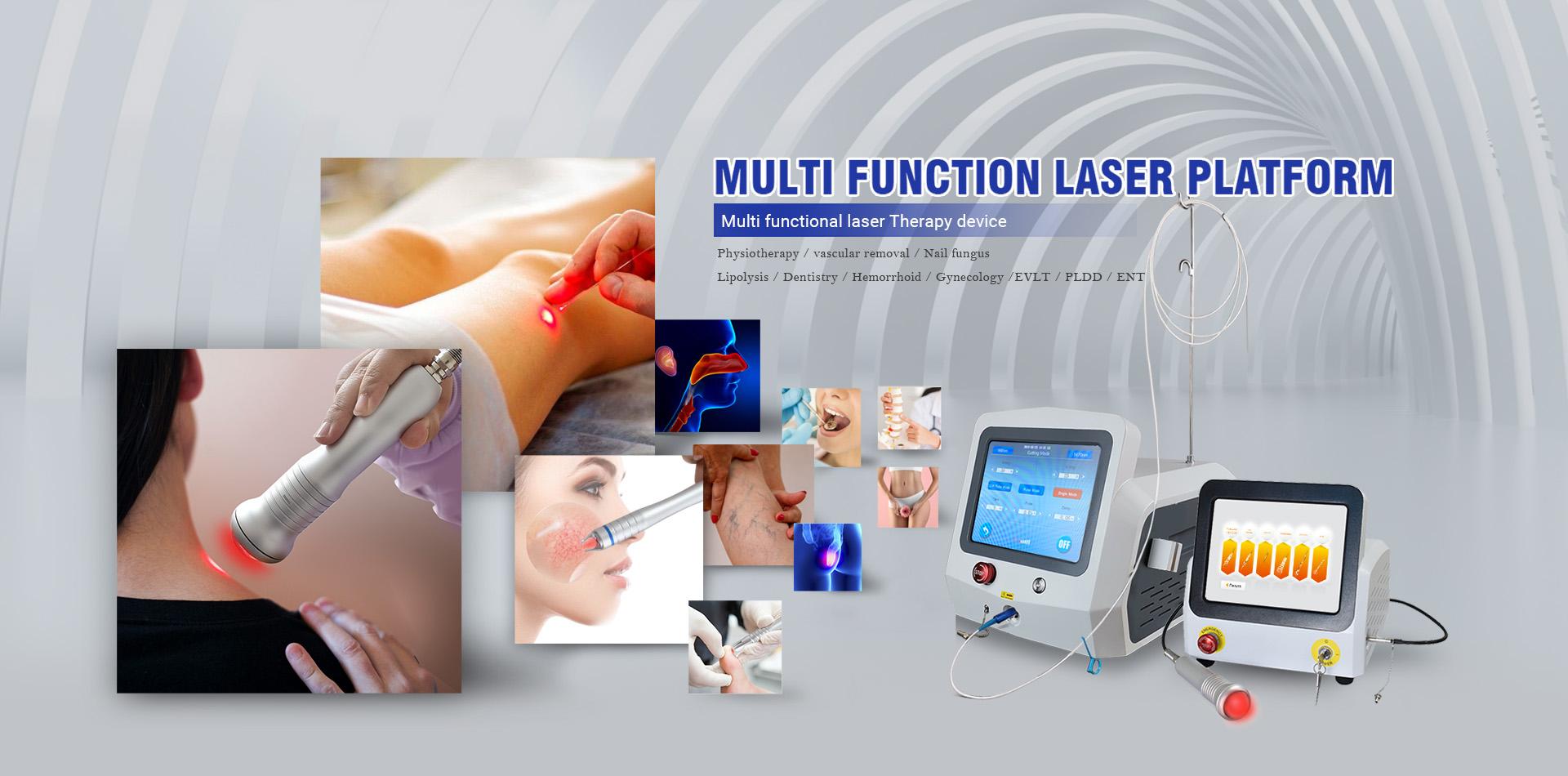
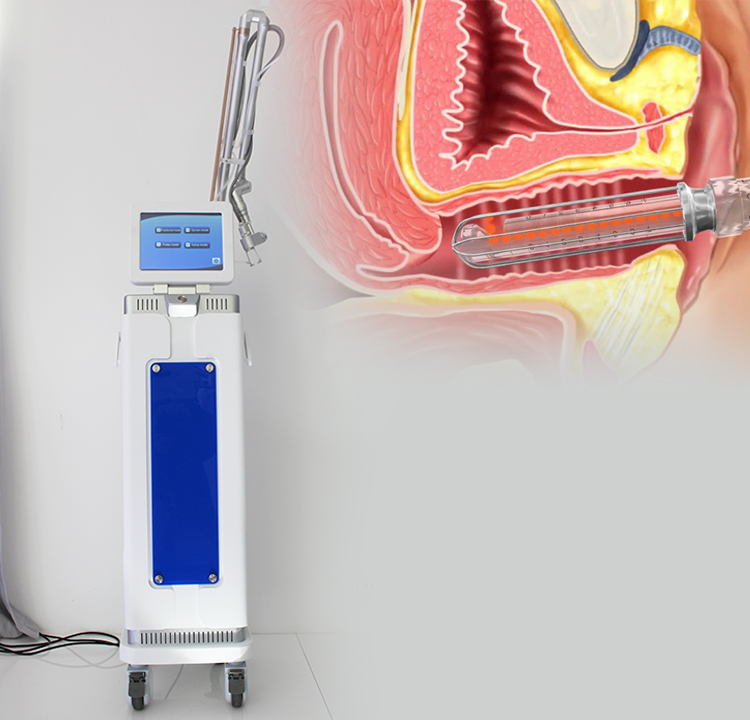
I present a Laser Vascular Removal 980nm system built for busy clinics and hospitals chasing dependable outcomes. It targets superficial and medium-sized vessels with precise energy and adaptable pulse modes, delivering controlled ablation and minimal thermal spread. In real-world use, it reduces chair time and elevates patient satisfaction, fitting a High-Quality portfolio buyers demand. From our Company, we designed this unit with an ergonomic handpiece, an intuitive touchscreen, and reinforced safety features—skin cooling, real-time impedance monitoring, and automatic power adjustment. The compact footprint and straightforward maintenance keep downtime down, while spare parts and service support are reliably available to protect your ROI. I offer comprehensive operator training and optional warranty extensions, so your procurement team can move fast. With Laser Vascular Removal 980nm you can expand your service menu, attract new clients, and differentiate your practice. It’s a practical, scalable choice for modern dermatology or aesthetics business.


Laser Vascular Removal 980nm Products From Concept to Delivery
The global demand for precise, minimally invasive vascular removal is rising, and the 980nm diode platform has emerged as a reliable option for clinics and distributors. From concept to delivery, the program integrates ideation, optical design, thermal modeling, and biocompatible materials into a compact, user-friendly system. Key differentiators include stable laser performance, optimized pulse control, ergonomic handpieces, and robust safety features essential for multicenter use. The path to market emphasizes a rigorous quality and regulatory trail: design controls, risk management, biocompatibility, sterilization readiness, and documentation for international approval. A modular supply chain supports scalable manufacturing, strict traceability, and on-time delivery to buyers worldwide. We back the solution with comprehensive service—installation, operator training, spare parts, and remote diagnostics—ensuring reliable operation across diverse clinical settings.
Laser Vascular Removal 980nm Products From Concept to Delivery
| Dimension | Description | Typical Value / Range | Notes |
|---|---|---|---|
| Wavelength | Laser wavelength used for vascular treatment | 980 nm | Target chromophore: oxyhemoglobin; moderate absorption by water |
| Pulse Duration | Pulse length for each laser shot | 5–50 ms | Short pulses favor coagulation with reduced epidermal damage |
| Energy per Pulse | Energy delivered per laser pulse | 3–20 mJ | Balance between efficacy and safety; higher pulses increase coagulation depth |
| Spot Size | Laser spot diameter at tissue surface | 1.0–2.5 mm | Smaller spots for fine vessels; larger spots for broader lesions |
| Repetition Rate | Pulse repetition frequency | 1–10 Hz | Higher rates reduce procedure time but may raise thermal load |
| Cooling Method | Tissue/epidermal cooling technology | Cryogen spray or contact cooling (4–6°C) | Protects epidermis and improves patient comfort |
| Target Chromophore | Primary tissue chromophore for selective targeting | Oxyhemoglobin (and to a lesser extent water) | Optimized to coagulate vascular tissue with minimal non-target damage |
| Mechanism | Primary photothermal interaction | Photothermolysis with coagulation | Thermal injury confined to vessel walls leads to closure |
| Typical Indications | Common clinical targets | Small superficial vascular lesions (telangiectasias, cherry angiomas) | Depth typically around 1–2 mm |
| Delivery Model | Clinical deployment setting | In-clinic handheld delivery with fiber probe | Operator-controlled with real-time feedback |
| Safety Features | Built-in safety mechanisms | Real-time fluence control, skin-type sensor, impedance monitoring | Designed to minimize scarring and pigment changes |
| Typical System Architecture | Core components | Diode laser source + fiber delivery + cooling + handpiece | Modular design allows upgrade paths |
| Regulatory Status | Regulatory clearance per region | Regional variations (e.g., CE mark or FDA clearance) | Depends on device class and submission type |
| Clinical Evidence Level | Evidence supporting use | Phase II–III data with retrospective studies | RCT data are limited for certain indications |
| Development Stage | Current stage from concept to delivery | Concept → Prototype → Clinical validation → Regulatory submission | Iterative improvements based on feedback |
Related Products
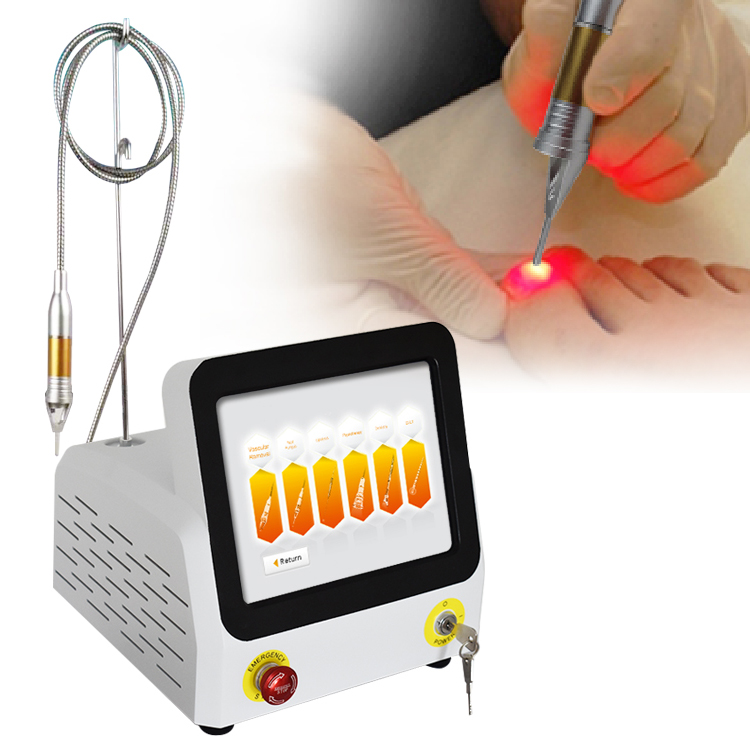


Laser Vascular Removal 980nm Ahead of the Curve Factory-Direct Excellence
Top Selling Products

- Related Blog
- Reviews
