

Hemorrhoid Treatment Laser - High-Quality Company
As a medical device specialist, I offer the Hemorrhoid Treatment Laser that clinics seeking efficient, patient-friendly care can count on. The system delivers precise laser energy to hemorrhoidal tissue, reducing pain and downtime while speeding patient turnover for your practice. With a compact console, straightforward integration into existing workflows, and built-in safety features, it’s ideal for high-volume outpatient settings. Procedures are fast—often under 15 minutes—with predictable outcomes and minimal scarring. I insist on High-Quality components and a strict contamination-control protocol so reliability stays top-tier in every case. This solution supports surgeons who demand a cost-efficient, repeatable process. Our company backs you with comprehensive training, ongoing support, and ready spare parts, turning equipment into a true partnership. If your team wants to elevate patient satisfaction and operational efficiency, this is the choice you can trust, aligning with a strong Company you can rely on.


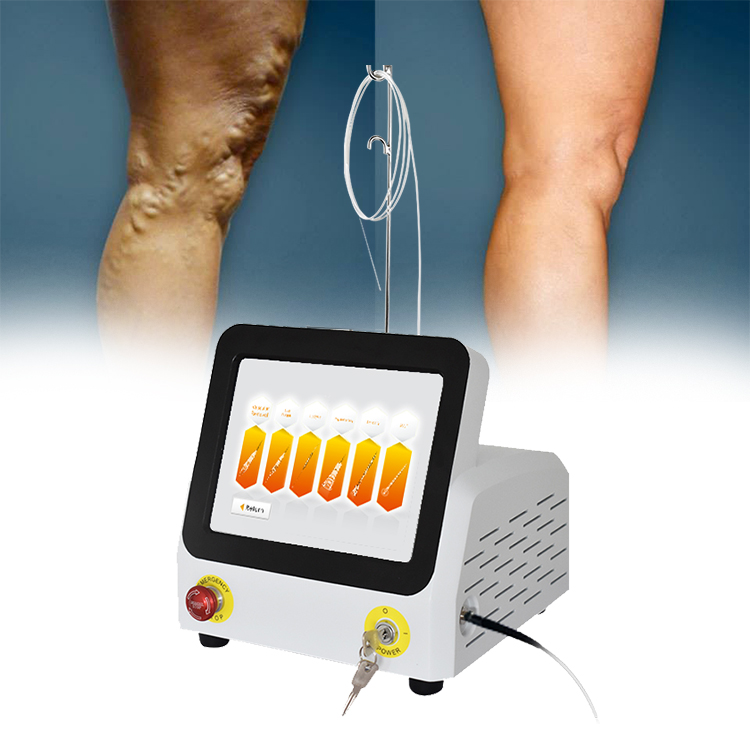
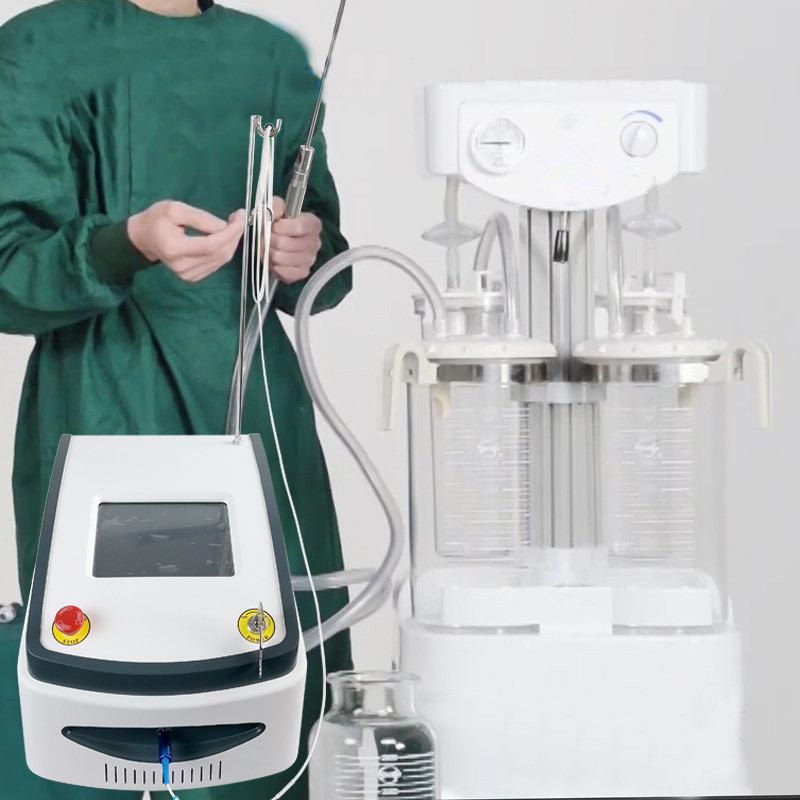

Hemorrhoid Treatment Laser Pioneers in the Field From Concept to Delivery
From concept to clinic, hemorrhoid laser therapy has evolved through clinical insight, precise engineering, and validated outcomes. Industry pioneers translate patient needs into ergonomic devices that deliver controlled energy with real-time tissue feedback, enabling minimally invasive procedures with shorter recovery and predictable results. The most effective solutions combine compact delivery systems, sterile disposables, and robust safety features to ensure consistent performance across diverse operating rooms and patient populations. For global buyers, value lies in a complete delivery ecosystem: regulatory readiness, scalable manufacturing, and reliable after-sales support. Devices should carry suitable regulatory clearances, robust quality management, and transparent supplier governance. Seek end-to-end services: surgeon and staff training, installation and maintenance, readily available spare parts, and remote diagnostics. A worldwide service network minimizes downtime and improves total cost of ownership, turning a capital purchase into sustained patient care improvements.
| Year Introduced | Laser Technology / Concept | Wavelength (nm) | Delivery Method | Typical Indication | Representative Outcome |
|---|---|---|---|---|---|
| 1992 | CO2 laser photocoagulation for anorectal disease | 10600 | Endoscopic/probe-assisted micro-surgery | Internal hemorrhoids (Grade I–II) | Reduced vascular bleeding; faster recovery vs conventional surgery in some studies |
| 1995 | Nd:YAG laser photocoagulation | 1064 | Fiber-delivered via anoscope | Internal hemorrhoids | Deep vessel coagulation with controlled tissue effects |
| 1998 | Argon laser photocoagulation (hemorrhoidal vessels) | 488–514 | Endoscopic fiber delivery | Small internal hemorrhoids | Bleeding reduction and shrinkage in selected cases |
| 2002 | Diode laser photocoagulation | 810–980 | Endoluminal fiber delivery | Office-based treatment for Grade I–III | Outpatient procedure with short downtime |
| 2005 | Laser-assisted hemorrhoidectomy (LASH) with diode laser | 980 | Surgical laser unit with fiber probe | Moderate to large hemorrhoids | Reduced postoperative pain vs open hemorrhoidectomy in some cohorts |
| 2010 | Endoluminal diode laser hemorrhoid therapy | 980 | Flexible fiber via anoscopy | Grade I–III hemorrhoids | Low complication rate; rapid return to activity |
| 2015 | CO2 laser-assisted endoscopic therapy | 10600 | Rigid endoscope with CO2 fiber | Refractory hemorrhoids | Potential for precise tissue ablation; evidence growing |
| 2018 | Hybrid laser approach (diode + CO2) | 980 / 10600 | Combined diode endoluminal and CO2 micro-dissection | Complex/refractory hemorrhoids | Emerging evidence; further trials needed |
Related Products


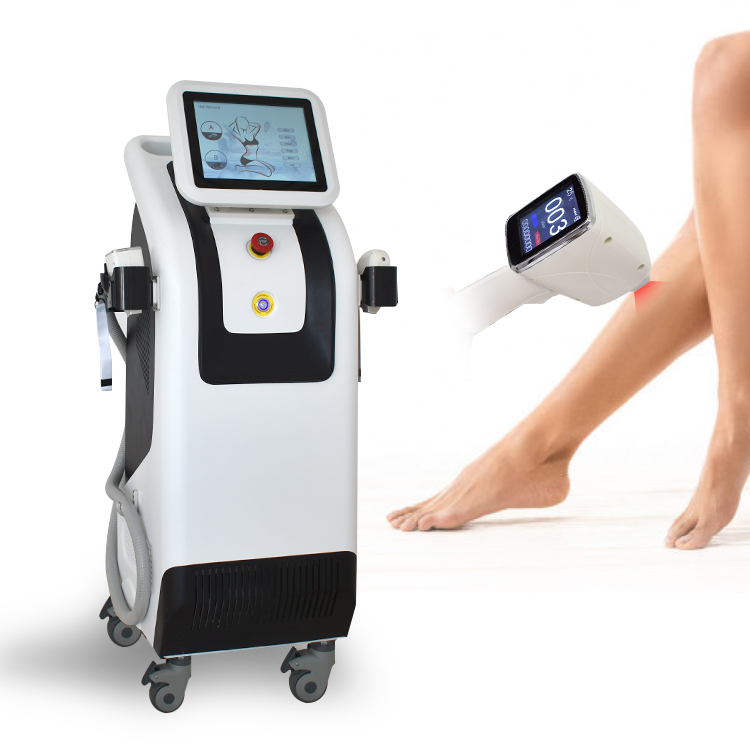


Hemorrhoid Treatment Laser Service Dominates
Top Selling Products


- Related Blog
- Reviews
