

Hair Removal Laser Diode - High-Quality Solutions by Trusted Company
I’m presenting our Hair Removal Laser Diode system, a reliable choice for clinics, med spas, and beauty chains seeking a High-Quality solution. As a focused Company, we design this device for consistent performance, easy maintenance, and fast ROI. The Hair Removal Laser Diode module delivers a wide wavelength range, precise energy stability, and large contact cooling to keep clients comfortable and operators confident. It treats a broad spectrum of skin tones and hair types with safety features like real-time skin type detection, adjustable pulse widths, and built-in protection locks. With a compact handpiece, quick cooling, and ergonomic interface, sessions stay efficient and staff training is minimal. We offer flexible licensing options, OEM/Private Label possibilities, and comprehensive after-sales support so you can scale your practice. If you want a partner who understands clinical needs and branding, this system aligns with your business goals and delivers dependable performance.
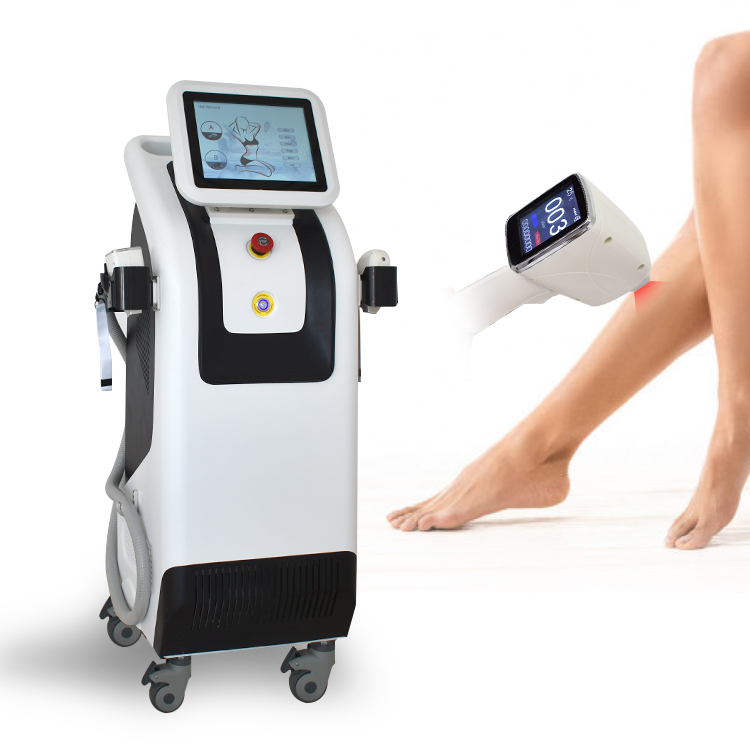
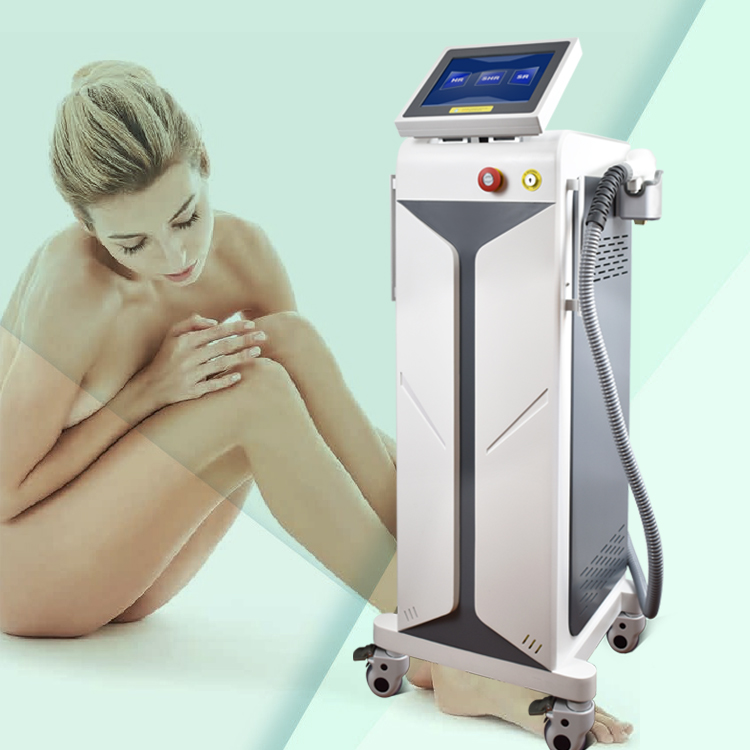

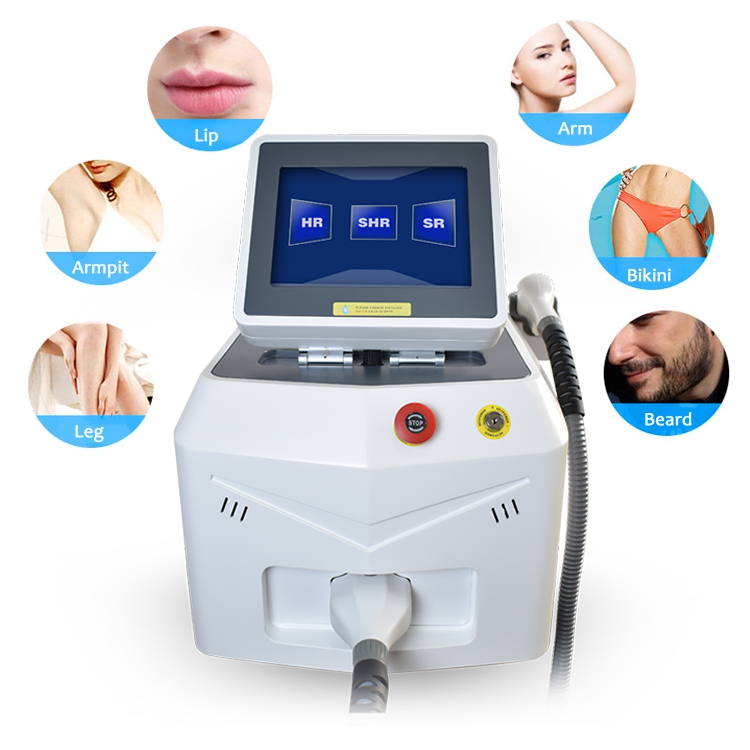
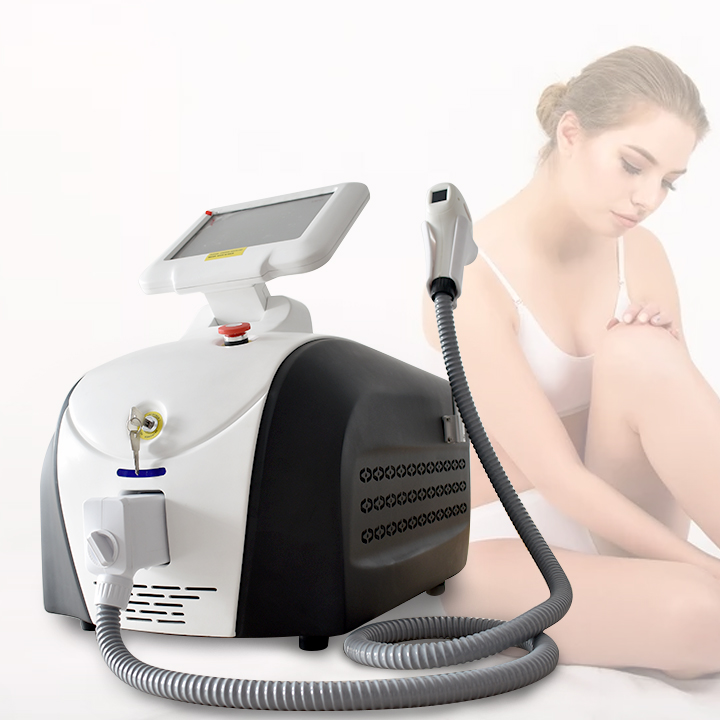
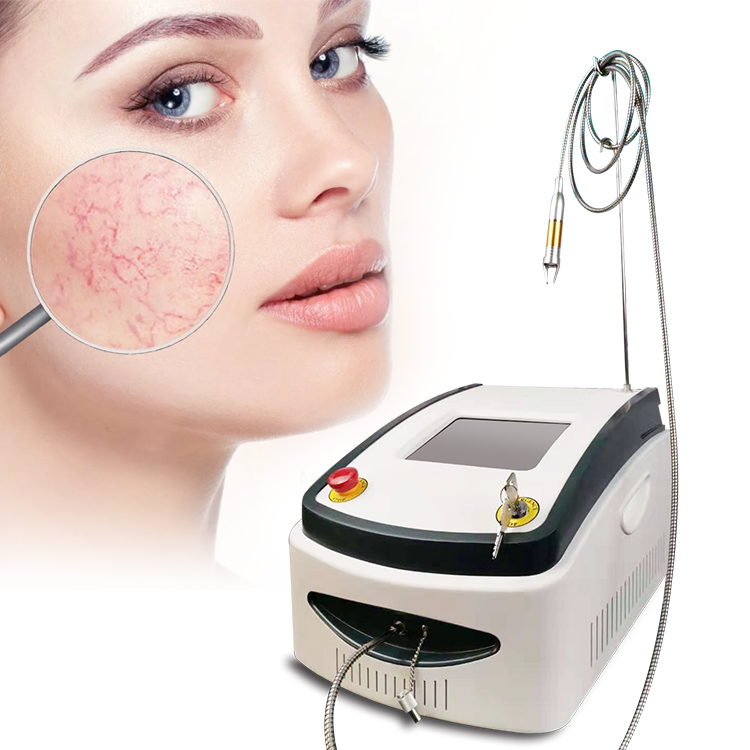
Hair Removal Laser Diode Products Where Innovation Meets 2025
As 2025 reshapes aesthetics, high-performance hair removal laser diode platforms are redefining clinic productivity. Innovations focus on multi-wavelength diode arrays, higher peak power, advanced cooling, and compact, ergonomic handpieces. Modern systems pair intelligent safety with real-time monitoring and modular design, enabling rapid upgrades and consistent performance across global markets. Global buyers should evaluate suppliers on technical depth, quality control, and end-to-end support. Request detailed specs for wavelength options, cooling efficiency, durability tests, and software for calibration and remote diagnostics. Seek evidence of international compliance, traceability, and robust logistics, plus flexible MOQs and transparent pricing. A trusted partner offers co-development, scalable manufacturing, reliable spare parts, and comprehensive after-sales service to sustain deployments in diverse regions.
| Model | Wavelength (nm) | Peak Power (W) | Pulse Duration (ms) | Repetition Rate (Hz) | Spot Size (mm) | Cooling | Skin Type Range | Treatment Area per Pass (cm2) | FDA Clearance (Year) | Notable Innovation |
|---|---|---|---|---|---|---|---|---|---|---|
| DLD-810-X | 810 | 900 | 12 | 3 | 12 | Contact Cooling | I-VI | 1.3 | 2017 | Inline cooling sensor, dynamic fluence control |
| DLD-810-II | 810 | 600 | 20 | 2 | 12 | Cryogen Spray | I-VI | 1.5 | 2015 | Multi-fluence algorithm |
| DLD-940-A | 940 | 1200 | 12 | 5 | 9 | Contact Cooling | II-V | 1.0 | 2018 | Dynamic spot matching |
| DLD-940-B | 940 | 1100 | 15 | 4 | 12 | Cryogen Spray | II-VI | 1.4 | 2019 | Hybrid cooling and real-time impedance sensing |
| DLD-1064-C | 1064 | 1400 | 18 | 2 | 14 | Cryogen | II-VI | 2.3 | 2020 | Long-wavelength diode for deeper follicle targeting |
| DLD-808-D | 808 | 750 | 8 | 6 | 10 | Contact Cooling | I-VI | 1.2 | 2016 | High-speed scan mode |
| DLD-808-E | 808 | 950 | 10 | 3 | 9 | Cryogen | II-V | 1.0 | 2018 | Automated energy calibration |
| DLD-980-F | 980 | 700 | 14 | 2 | 11 | Contact Cooling | I-IV | 1.3 | 2017 | Smart skin type detection |
| DLD-1064-G | 1064 | 900 | 30 | 1 | 9 | Cryogen + Contact | II-V | 1.1 | 2021 | Integrated patient comfort profile |
| DLD-810-H | 810 | 600 | 9 | 5 | 12 | Overlay cooling | I-V | 1.6 | 2022 | AI-assisted pulse duration selection |
Related Products


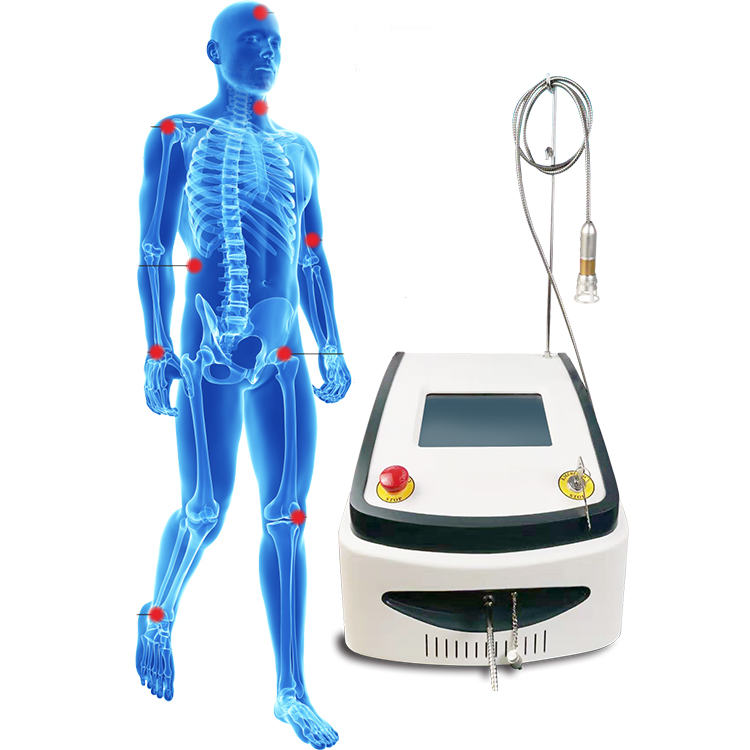


Hair Removal Laser Diode Supplies the World\u2019s Top Brands From Concept to Delivery
Top Selling Products


- Related Blog
- Reviews
