

980 Diode Laser Vascular Removal - ODM Product for Professionals
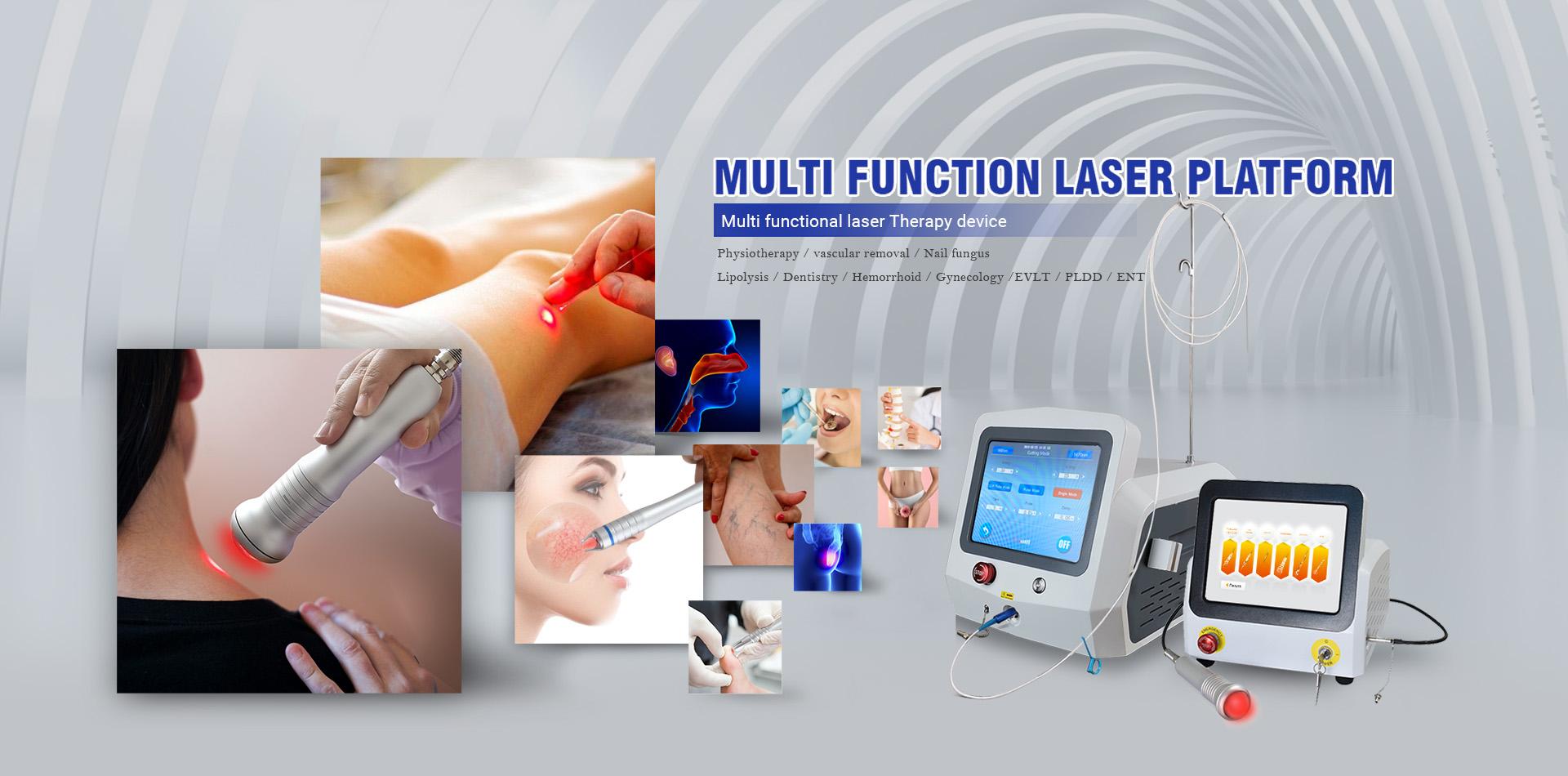
With our {980 Diode Laser Vascular Removal}, I deliver a precise, compact solution for clinics and med-spas targeting vascular lesions. The 980 nm diode laser provides deep, uniform laser energy with minimal zone of necrosis, enabling fast treatments and low risk of pigment change. I designed it for stability in busy settings: integrated cooling, intuitive touch screen, real-time feedback, and ergonomic handpiece. For OEM partners, I offer {ODM}-ready customization to fit your brand and workflow, so you can expand your {Product} portfolio quickly. The machine supports a range of handpieces and settings to tailor treatment depth and pulse duration to patient skin type. Service is end-to-end: regulatory-compliant packaging, training, and on-site support. If you want a reliable, scalable laser platform that aligns with your clinic growth strategy, I’m ready to discuss your requirements and build a tailored solution around this {980 Diode Laser Vascular Removal}.
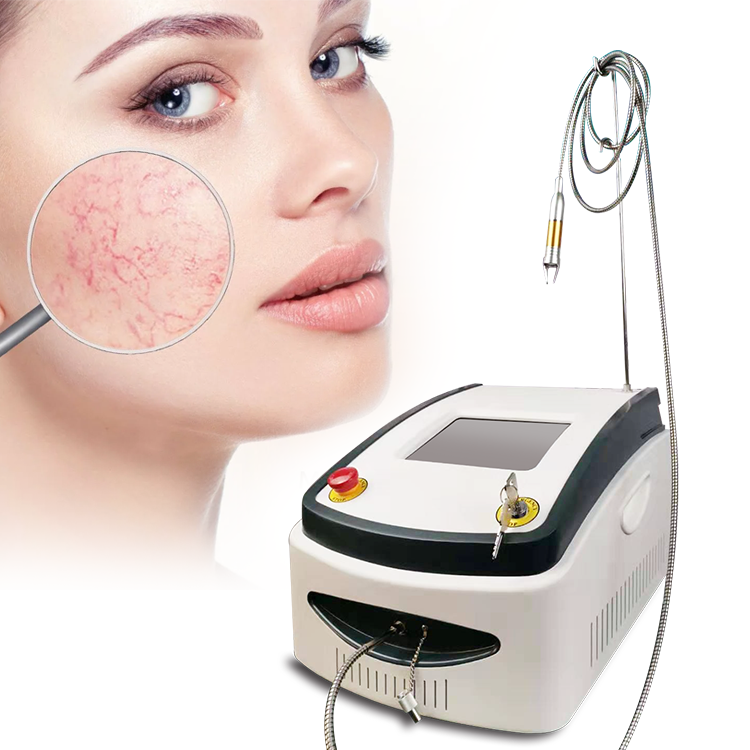
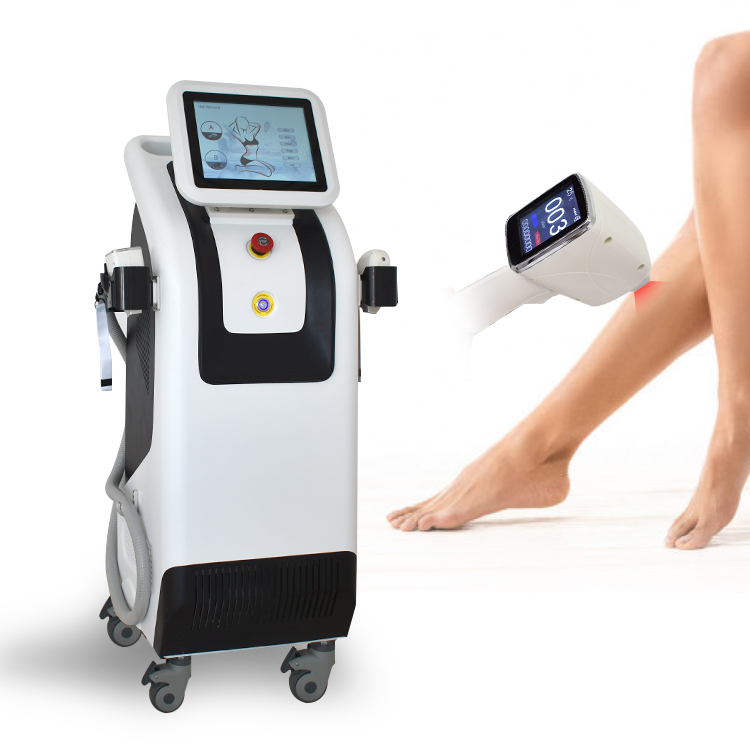
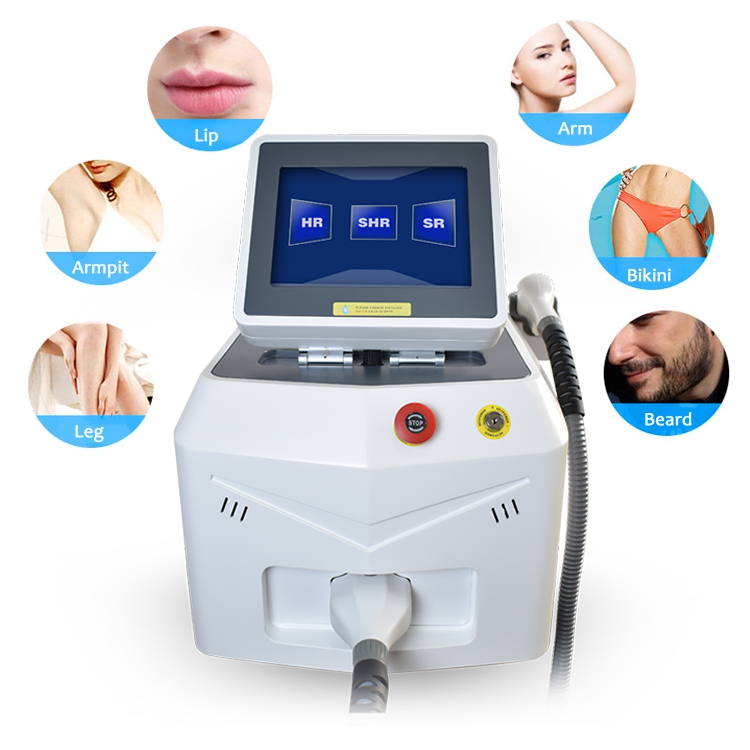

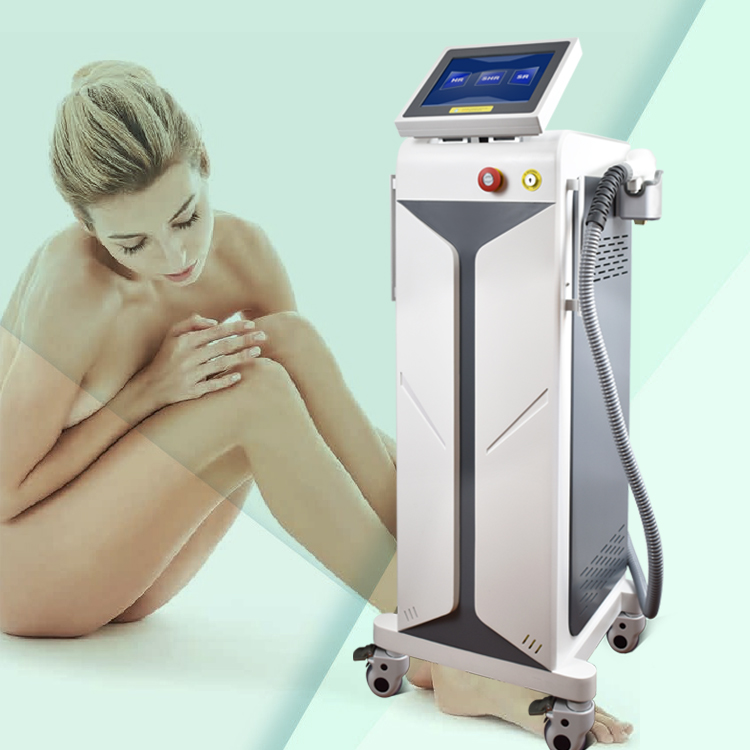
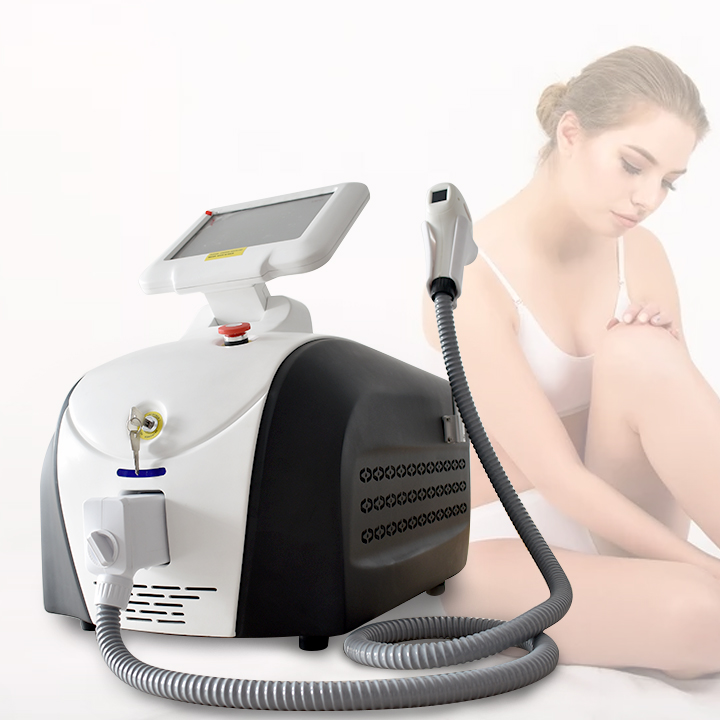
980 Diode Laser Vascular Removal Application Guarantees Peak Performance
980 Diode Laser for vascular removal delivers efficient coagulation of superficial and mid-depth vessels while preserving surrounding tissue. With precise energy delivery, adjustable pulse duration, and advanced cooling, it provides reliable peak performance across diverse skin types and treatment areas. The ergonomic, compact system emphasizes stability, ease of use, and sterility, enabling clinicians to achieve consistent results in busy clinics while maintaining patient safety through real-time monitoring and robust safety features. For global purchasers, reliability comes from consistent supply, stringent QA, and clear regulatory compliance. Seek ISO 13485/CE-certified equipment, traceable component sourcing, and standardized IQ/OQ validation. A global service network for spare parts, training, and remote diagnostics minimizes downtime and total cost. A transparent warranty and predictable maintenance schedule help clinics and med-spas operate across borders with confidence, delivering optimized outcomes and a strong return on investment.
| Parameter | Value | Unit | Typical Range | Notes |
|---|---|---|---|---|
| Wavelength | 980 | nm | 975-985 | Core parameter for absorption by oxyhemoglobin |
| Target Chromophore | Hemoglobin | Primary absorber at 980 nm | ||
| Pulse Duration | 20-60 | ms | 10-60 | Adjusted to vessel diameter |
| Spot Size | 2-4 | mm | 2-6 | Common small to medium vessel targets |
| Fluence | 15-60 | J/cm² | 15-60 | Lower for superficial vessels; higher for deeper targets |
| Pulse Rate | 1-2 | Hz | 1-2 | Per pulse; adjust for response |
| Cooling Method | Cryogen-based contact cooling | Protects epidermis and improves comfort | ||
| Penetration Depth | 1-3 | mm | 1-3 | Approximately depth dependent on tissue |
| Common Vascular Targets | Telangiectasias, reticular veins | Typically on face and limbs | ||
| Efficacy per Session | 40-70 | % | 40-70 | Clearance varies with vessel size |
| Downtime | 0-3 | days | 0-3 | Usually brief; mild bruising possible |
| Adverse Events Incidence | 1-5 | % | 1-5 | Typically minor and transient |
| Training Required | 2-3 | days | 2-5 | Operator training recommended |
| Recommended Sessions | 2-3 | sessions | 2-4 | Spacing: 4-6 weeks |
| Pain Level | 2-4 | /10 | 1-5 | Usually mild discomfort |
| Treatment Duration per Lesion | 5-15 | minutes | 5-15 | Depends on lesion size and number |
Related Products
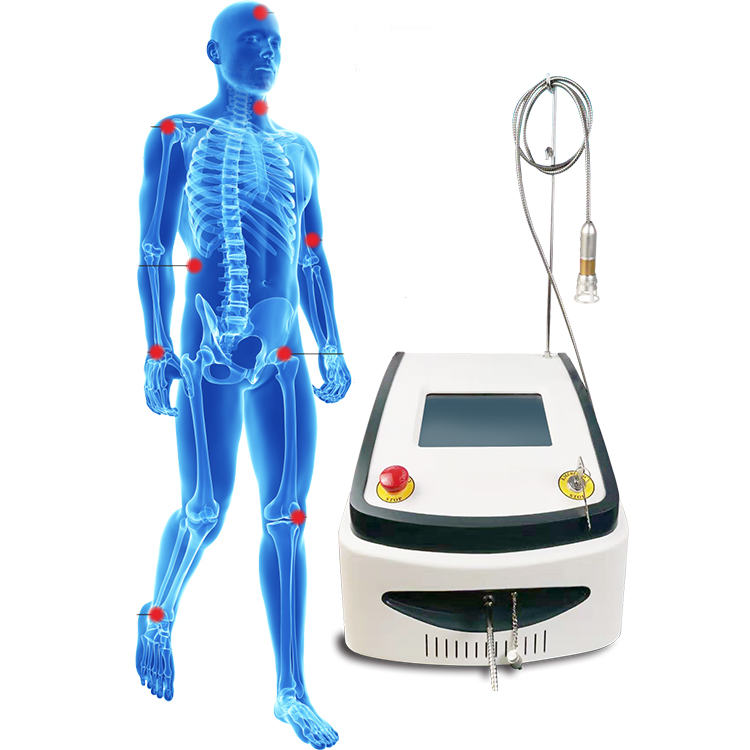
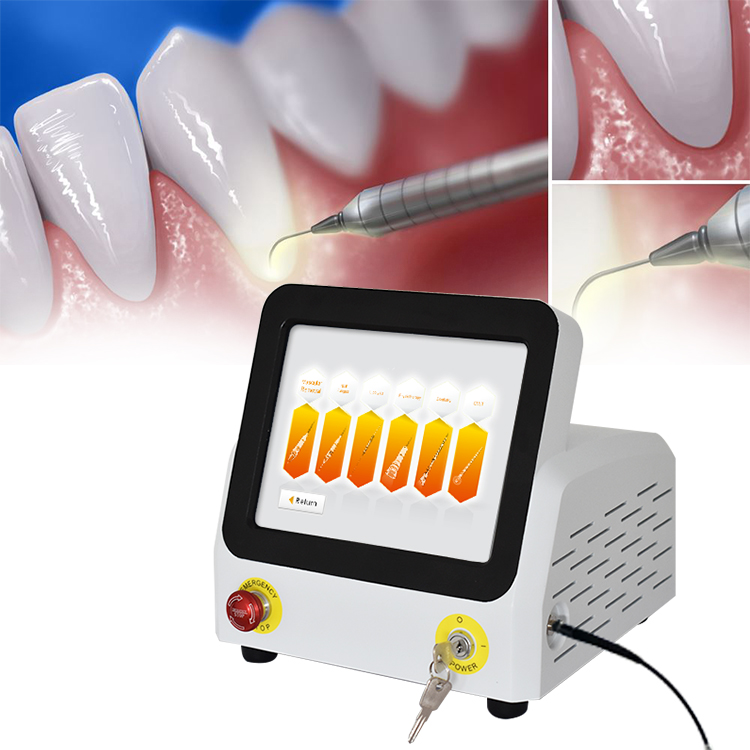
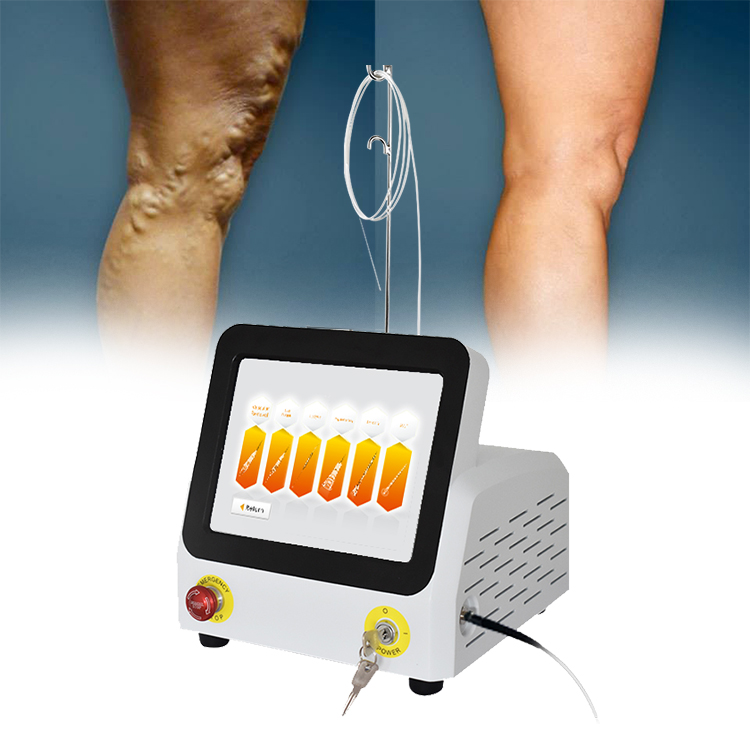


980 Diode Laser Vascular Removal Market Leader Guarantees Peak Performance
Top Selling Products



- Related Blog
- Reviews
