

Cryolipolysis 360 Beauty Machine OEM Companies
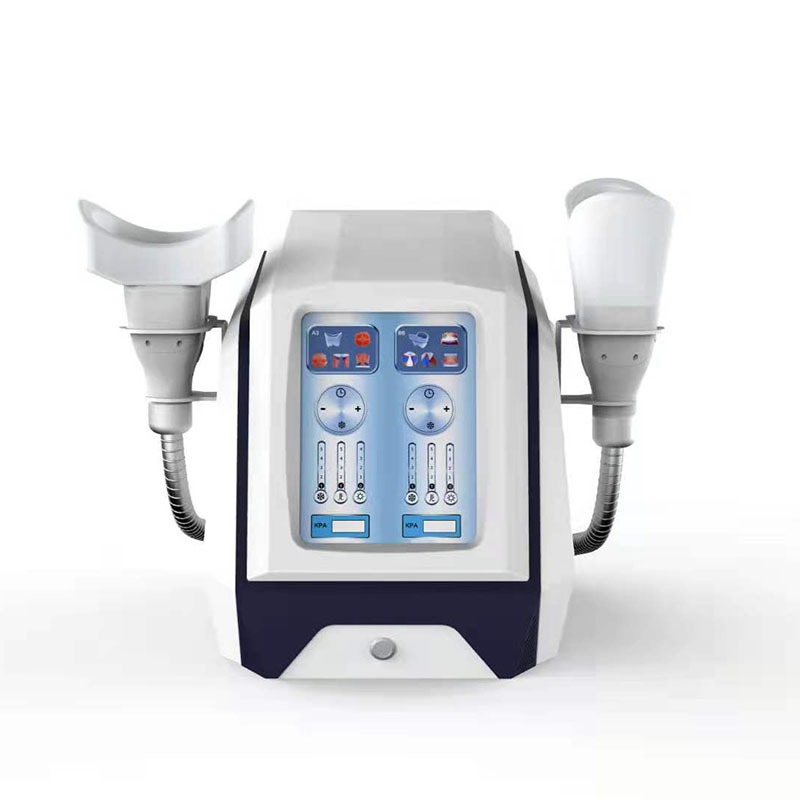
I designed the Cryolipolysis 360 Beauty Machine with OEM partners and Companies seeking scalable aesthetics solutions in mind. It delivers precise fat-freezing with 360-degree cooling, adjustable energy, and a user-friendly UI, backed by strong safety features. I can customize branding, software, and regulatory details, including OEM housing, firmware, and warranties. It uses validated cooling tech, fast client recovery, and a comfortable, low-downtime experience. Modular handpieces, easy sterilization, and remote monitoring help you expand med-spa services across your network. My team supports installation, training, and ongoing service for OEM collaborations and Companies seeking differentiation. If you want reliable performance, competitive pricing, and a partner who cares about your growth, this Cryolipolysis 360 Beauty Machine fits your clinics.


Cryolipolysis 360 Beauty Machine Your Trusted OEM Partner Your End-to-End Solution
Global buyers seeking a non-invasive contouring solution will value the Cryolipolysis 360 Beauty Machine for precise cooling, adjustable settings, and a modular design optimized for OEM collaboration. We provide an end-to-end path—from concept and R&D to tooling, validation, pilot runs, and scalable production. Our teams tailor hardware and software to fit clinical protocols and regulatory needs while maintaining strict quality control and traceability with CE, RoHS, and ISO 9001 documentation. Flexible MOQs, rapid prototyping, and a resilient supply chain shorten lead times, while private labeling, UI customization, packaging, and after-sales support—installation, training, and remote monitoring—are available. This partnership helps clinics worldwide deliver a trusted, high-performance cryolipolysis solution.
| Model | Treatment Areas | Modality | Cooling Range (°C) | Energy Type | Treatment Time (min) | Handles | Vacuum Intensity (kPa) | Dimensions (L×W×H cm) | Weight (kg) | Power (W) | Certifications |
|---|---|---|---|---|---|---|---|---|---|---|---|
| Model A | Abdomen, Flanks, Thighs | Cryolipolysis 360 with Vacuum | -5 to -10 | Cryogen | 35 | 4 | 40 | 60×50×120 | 42 | 900 | CE, ISO 13485 |
| Model B | Double Chin, Arms, Back | Cryolipolysis 360 with Vacuum | -6 to -11 | Cryogen | 30 | 4 | 35 | 62×52×118 | 46 | 1000 | CE, RoHS |
| Model C | Thighs, Buttocks, Arms | Cryolipolysis 360 | -4 to -9 | Cryogen | 25 | 2 | 28 | 58×48×110 | 38 | 680 | CE, RoHS |
| Model D | Full abdomen, Thighs | Cryolipolysis 360 Pro | -5 to -12 | Cryogen + RF (optional) | 40 | 6 | 50 | 70×60×125 | 60 | 1200 | CE, ISO 9001 |
Related Products



Cryolipolysis 360 Beauty Machine Guarantees Peak Performance Factory-Direct Excellence
Top Selling Products



- Related Blog
- Reviews
