

Mini Laser Hair Removal Machine Diode for OEM & Companies
As the maker of the Mini Laser Hair Removal Machine Diode, I provide reliable solutions for clinics and beauty labs. This system uses advanced diode laser technology to deliver effective, lasting hair reduction with safe, controlled energy. Features include integrated cooling, a compact, handheld design, and a user friendly touch screen for fast training and less time per client. For OEM and Companies looking for private-label, I offer customization on branding, software, handpiece options, and packaging, with flexible MOQs and scalable production. In our factory we ensure consistent performance across batches, with CE‑certified components and strict QA. The machine is designed for high throughput, easy maintenance, and short service intervals, keeping your downtime low. I can tailor energy levels, spot size, and treatment protocols to meet your market needs, plus we provide spare parts and aftersales support. Reach out for OEM collaborations and bulk pricing.

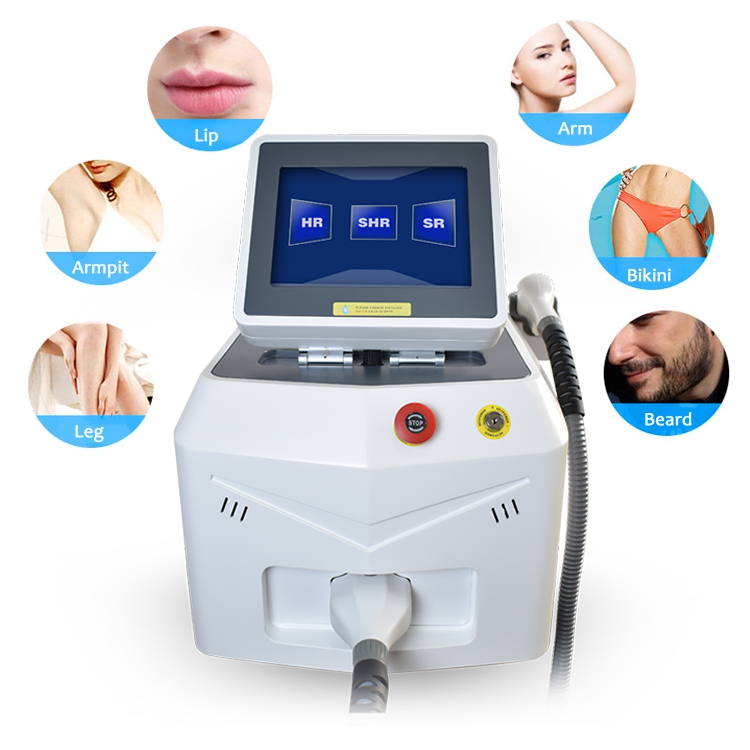
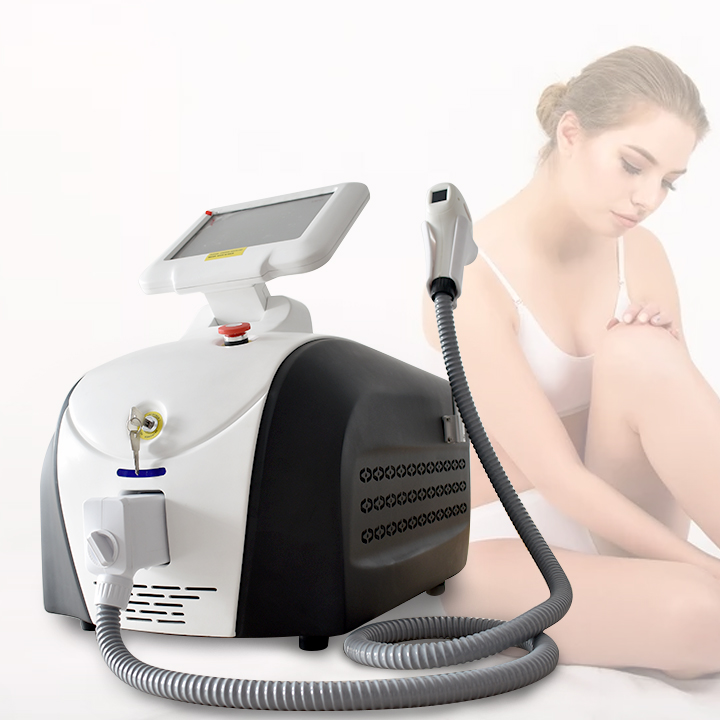
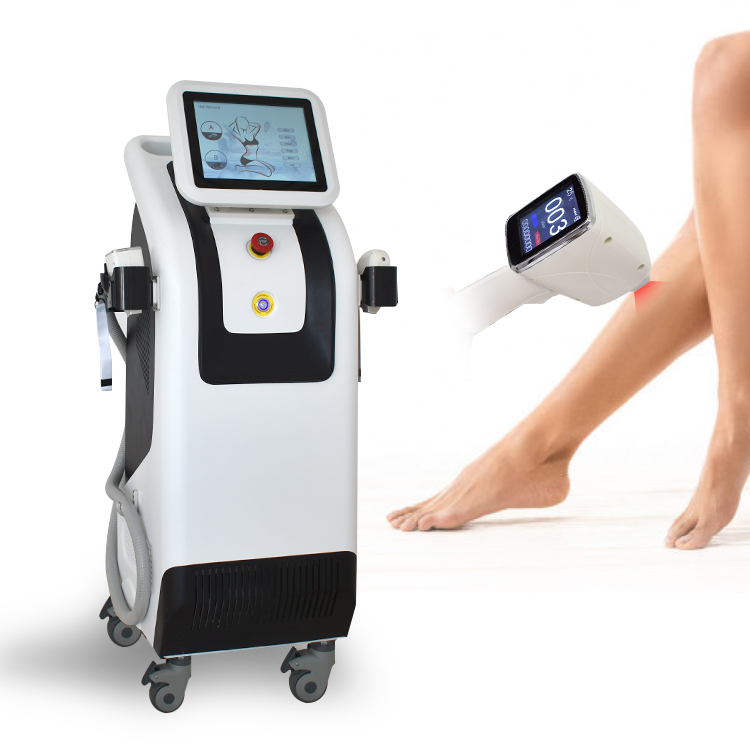
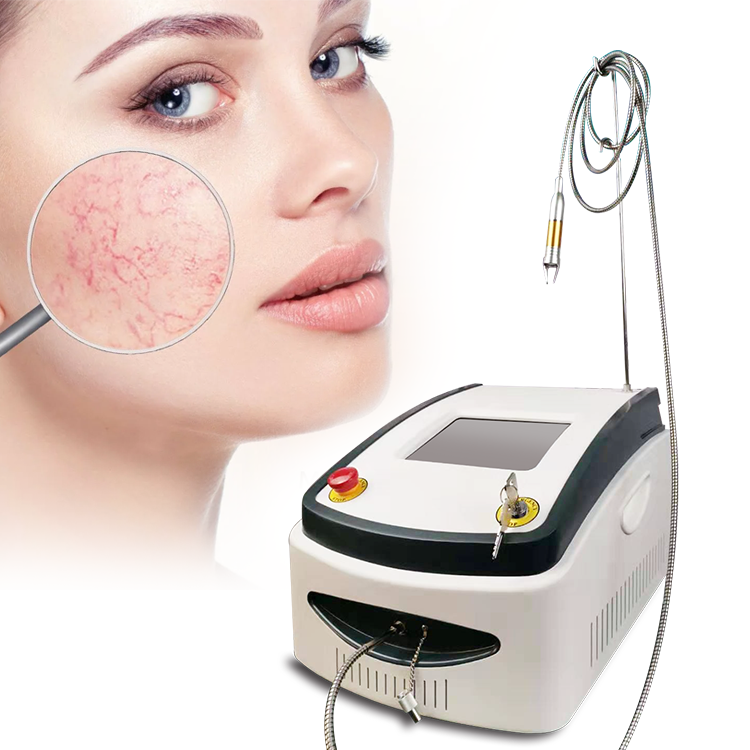

Mini Laser Hair Removal Machine Diode Is The Best Guarantees Peak Performance
For global buyers seeking a portable yet powerful hair removal solution, a mini diode laser machine delivers peak performance through a robust diode array that provides stable energy per pulse and a precise, skin-friendly wavelength. Its compact handheld design, efficient cooling, and ergonomic grip enable comfortable sessions, accurate spot treatment, and predictable results across varied clinical settings—from clinics to beauty studios and mobile practices. Beyond technology, buyers value dependable service and lifecycle costs. Look for modular components, widely available spare parts, remote diagnostics, and comprehensive training. Certifications such as CE and other recognized safety standards, rigorous quality control, and flexible presets (fluence, pulse duration, and treatment modes) offer safety, repeatability, and scalable ROI as patient demand grows and practice throughput increases.
| Model | Wavelength_nm | Max_Power_W | Pulse_Duration_ms | Repetition_Rate_Hz | Spot_Size_mm | Cooling_Method | Applications | Skin_Tone_Range | Certifications | Weight_kg | Voltage_V | Year_Introduced | Warranty_Years |
|---|---|---|---|---|---|---|---|---|---|---|---|---|---|
| MiniDiode A1 | 810 | 800 | 20 | 1.5 | 12x12 | Dynamic contact cooling | Body, Face | II-V | CE, FDA-cleared | 6.5 | 110-240 | 2022 | 2 |
| MiniDiode B2 | 805 | 650 | 14 | 2.0 | 8x8 | Cryo + contact | Face, Underarms | I-IV | CE | 4.9 | 110-240 | 2021 | 2 |
| NanoDiode C3 | 810 | 600 | 18 | 1.0 | 12x20 | Peltier cooling + contact | Face, Legs | II-V | CE | 4.8 | 110-240 | 2020 | 1 |
| UltraDiode D4 | 810 | 750 | 10 | 2.5 | 10x20 | Water-cooled chiller + air | Face, Bikini | II-IV | CE; RoHS | 5.6 | 110-240 | 2021 | 3 |
| CompactDiode X5 | 810 | 720 | 12 | 4.0 | 8x16 | Cryo + sapphire | Body, Arms | II-VI | CE | 5.2 | 110-240 | 2019 | 2 |
| PulsePro Lite E6 | 805 | 550 | 25 | 5.0 | 12x10 | Contact + Thermo | Face, Cheeks | II-IV | CE | 3.8 | 110-240 | 2018 | 2 |
Related Products



Mini Laser Hair Removal Machine Diode Guarantees Peak Performance Your End-to-End Solution
Top Selling Products

- Related Blog
- Reviews
