

Pro Diode Permanent Hair Removal Laser for OEM Companies
Pro Diode Permanent Hair Removal Laser has become my preferred choice for delivering permanent hair reduction across diverse skin tones. It pairs reliable diode technology with fast repetition rates and a comfortable cooling system, so sessions are shorter and patients happier. I designed it for serious clinics and for OEM collaborations, offering OEM-ready hardware, private labeling, and customizable software to match your brand and workflow. For Companies evaluating purchase decisions, this laser ships with robust service plans, remote diagnostics, and local parts availability. We’ve built simple maintenance, intuitive controls, and clear treatment protocols into the system, so your technicians can operate with confidence. If you want scalable production and dependable performance, this Pro Diode Permanent Hair Removal Laser is a strong fit. Let’s talk about volume discounts and support.
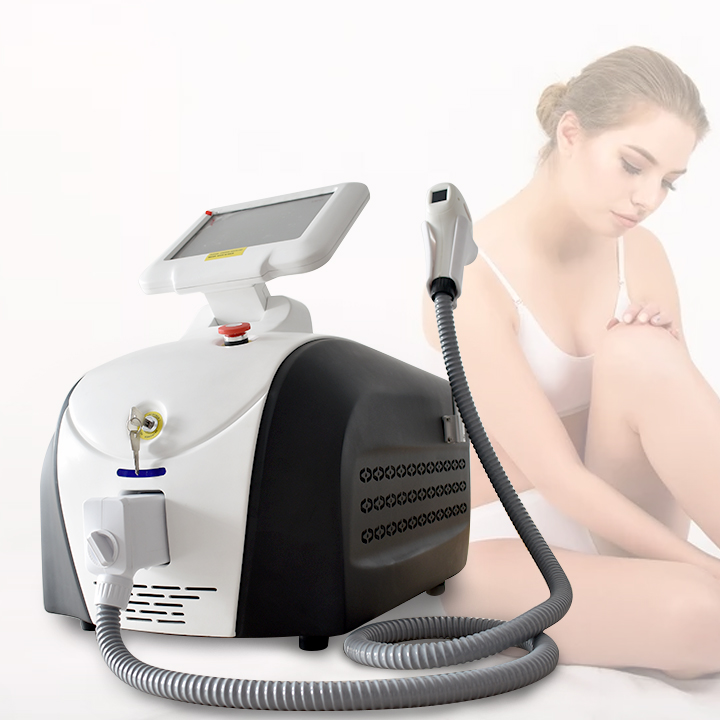

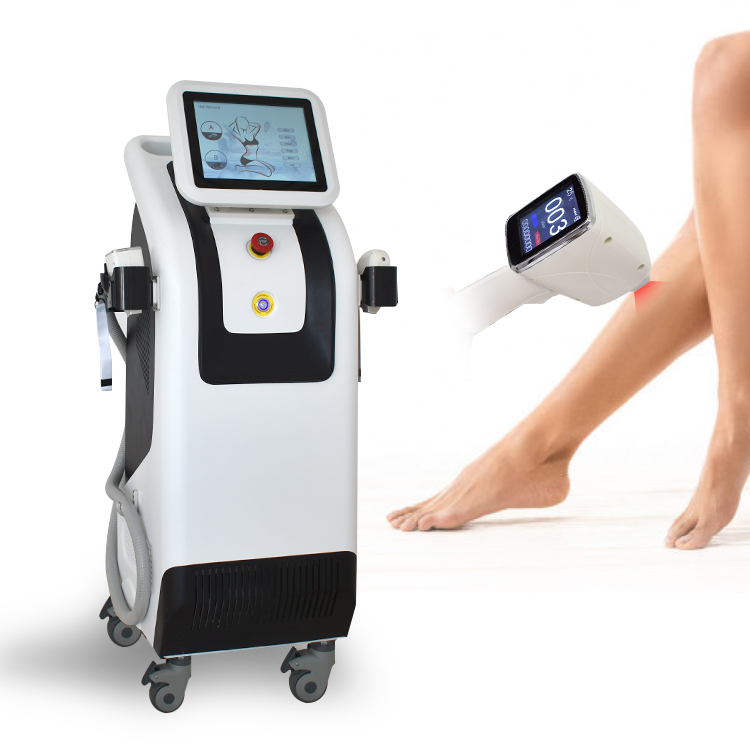
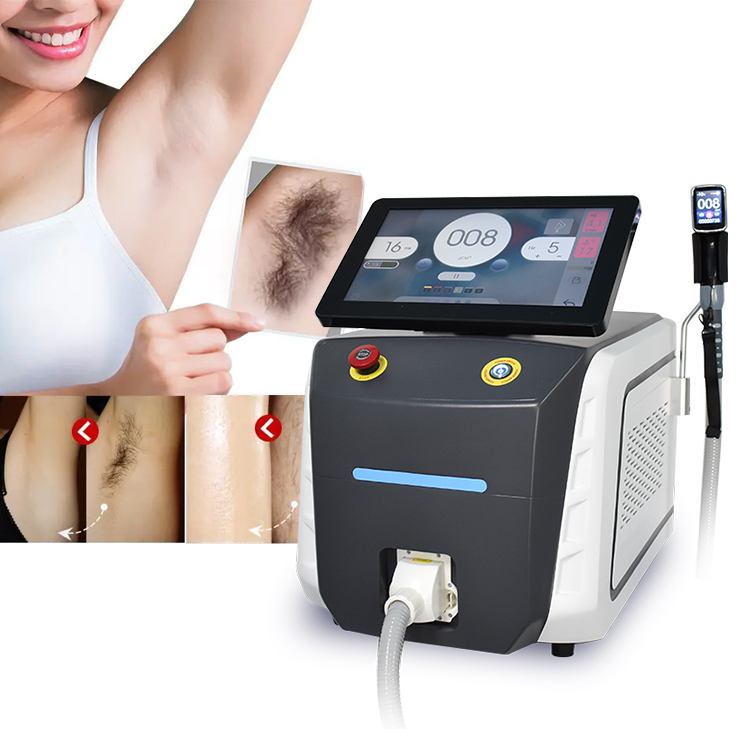
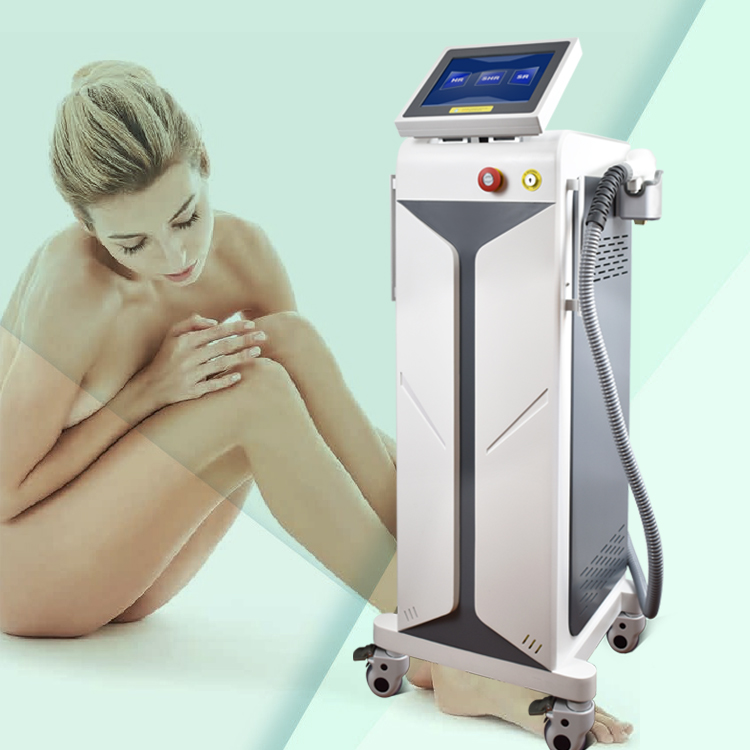
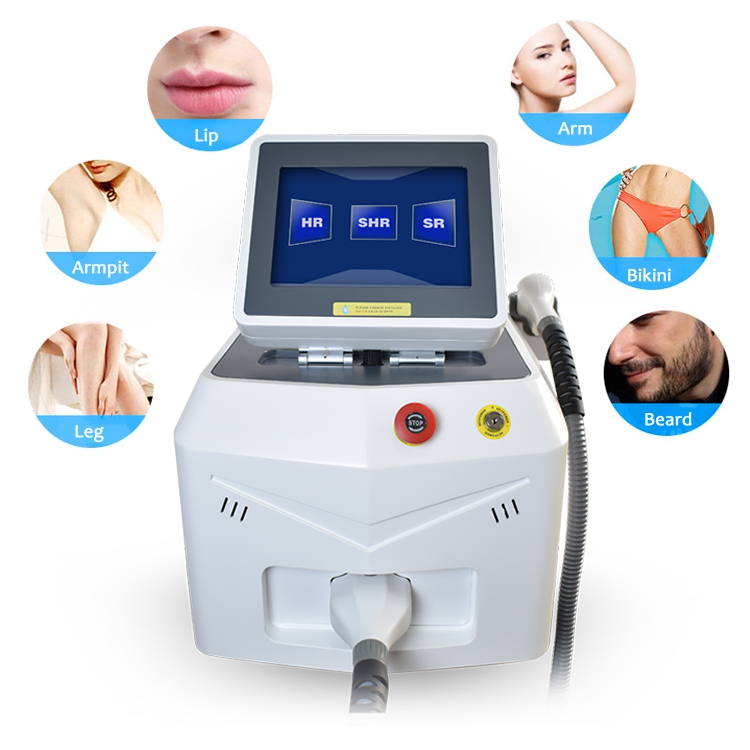
Pro Diode Permanent Hair Removal Laser Exceeds Industry Benchmarks Winning in 2025
A diode-based permanent hair removal laser has surpassed industry benchmarks in 2025, delivering faster treatment cycles, deeper targets, and broader skin-type compatibility. With precision handpieces, integrated cooling, and real-time monitoring, it yields consistent results and shorter clinician training. Global buyers seeking efficient, reliable output will value its modular design and scalable power options. For procurement teams, total cost of ownership matters as much as upfront price. The system offers predictable maintenance with readily available spare parts, remote diagnostics, and a global service network. It supports regulatory workflows, easy integration with clinic ecosystems, and training that shortens time-to-first-treatment. Transparent warranties and upgrade paths help safeguard investment. By combining top-tier performance with rigorous quality control and responsive after-sales support, clinics can expand patient flow, improve outcomes, and boost revenue per chair. If you are evaluating scalable, compliant laser platforms for global procurement, this solution merits consideration for 2025 and beyond.
| Metric | Unit | 2025 Benchmark | 2025 Real-World Performance |
|---|---|---|---|
| Device Specifications | |||
| Wavelength | nm | 810 | 810 |
| Pulse Duration | ms | 18 | 15 |
| Fluence | J/cm² | 14 | 13.5 |
| Spot Size | mm | 12 | 12 |
| Repetition Rate | Hz | 2 | 3 |
| Cooling System | N/A | Cryo-Contact | Cryo-Contact |
| Clinical Efficacy | |||
| Avg. Hair Reduction after 6 sessions | % | 78 | 82 |
| Pain Score (0-10) | scale | 3.2 | 3.0 |
| Patient Satisfaction | % | 90 | 92 |
| Fitzpatrick Skin Types Treated | types | 6 | 6 |
| Safety & Reliability | |||
| Adverse Events Rate | % | 0.4 | 0.25 |
| Mean Time Between Failures | hours | 1,200 | 1,480 |
| Maintenance Downtime per Year | hours | 0.5 | 0.3 |
| Regulatory & Certification | |||
| FDA Clearance | status | Yes | Yes |
| CE Certification | status | Yes | Yes |
Related Products



Pro Diode Permanent Hair Removal Laser Stands Out More Than a Supplier - A Partner
Top Selling Products


- Related Blog
- Reviews
