

Triple Wavelengths Diode Laser Hair Removal for OEMs and Companies
We provide the Triple Wavelengths Diode Laser Hair Removal system designed for clinics, med-spas, and OEM partners who demand reliability and scalability. Three selectable wavelengths let us tailor treatment to different skin tones, while precise pulse control and a responsive cooling system keep sessions fast and comfortable. I’ve built the unit with an intuitive touchscreen, robust safety features, and real-time lamp life monitoring to cut downtime. For buyers like you, the OEM-friendly architecture means easy branding, modular upgrades, and flexible service terms when working with Companies globally. We can customize handpieces, software packages, and warranty options to fit your market. With strong after-sales support, spare parts on hand, and consistent performance across batches, this platform helps you win repeat business and raise treatment capacity. If you want to align this with your portfolio, we’ll tailor a solution to your specifications.

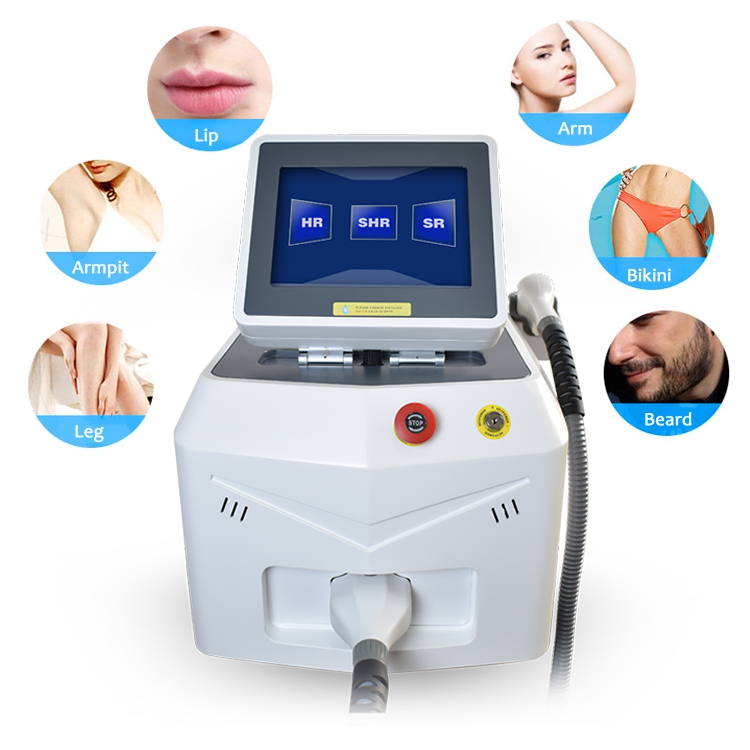
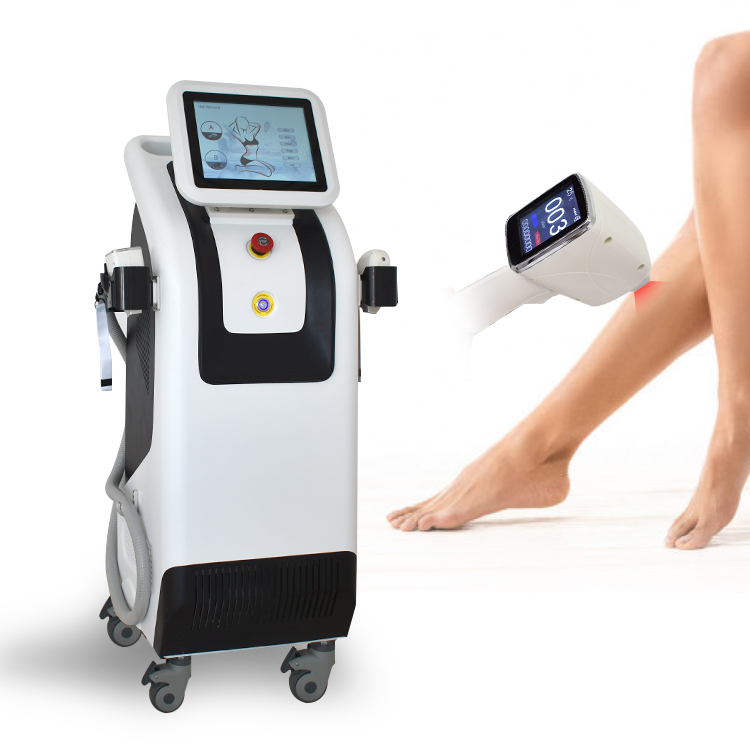
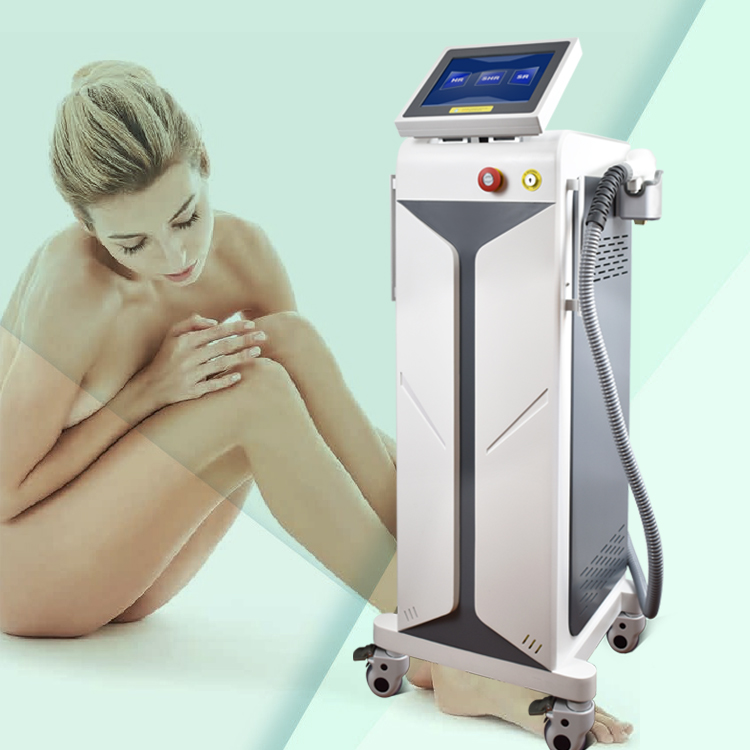
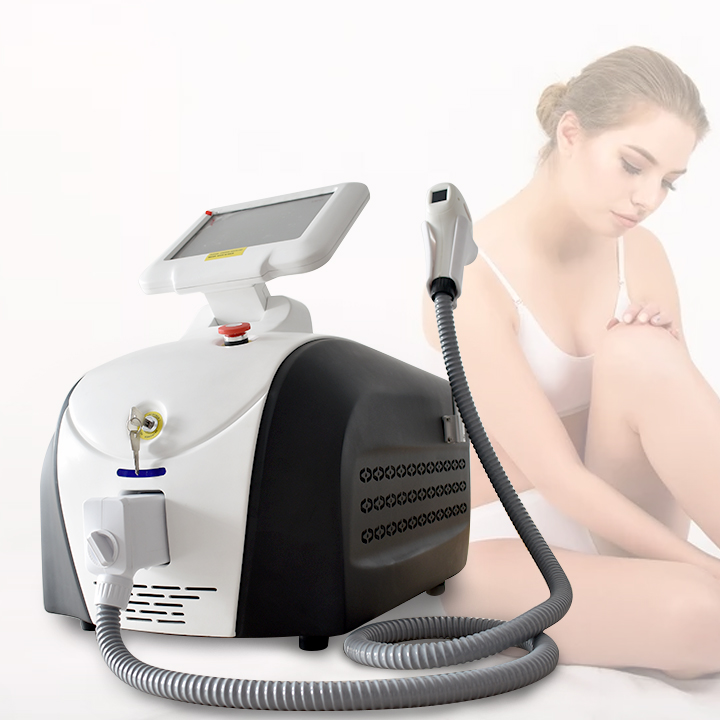
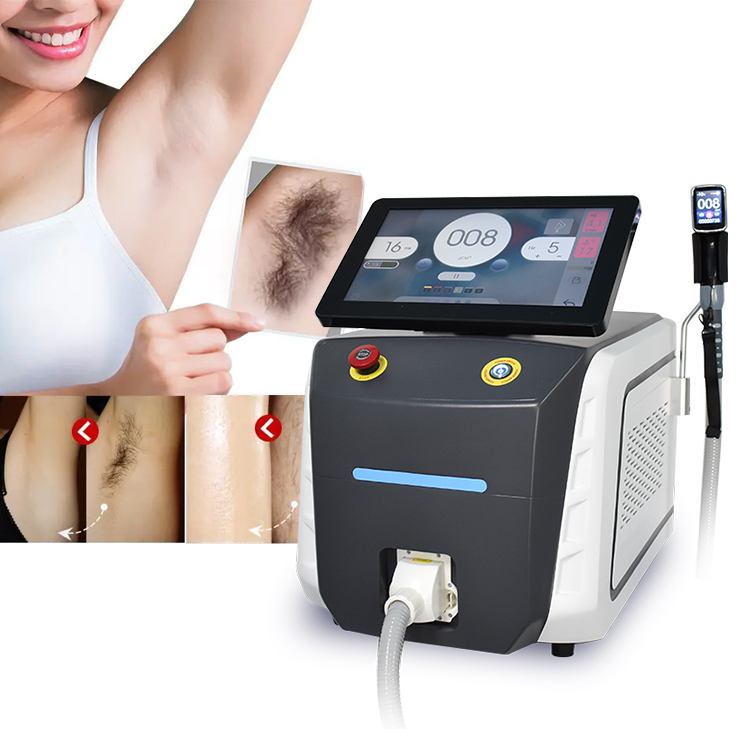
Triple Wavelengths Diode Laser Hair Removal Industry Leaders Where Service Meets Innovation
Global buyers seek versatile hair removal solutions that adapt to diverse skin tones and hair colors. A triple-wavelength diode laser—combining 755, 808, and 1064 nm—offers precise energy delivery with broad clinical applicability. Beyond raw performance, leaders in this field prove their worth through reliable supply chains, scalable hardware, and clear, worldwide training programs that empower clinics of all sizes. Where service meets innovation, leaders offer more than equipment: global installation support, rapid parts access, remote diagnostics, and proactive maintenance. Advanced safety features, adaptive cooling, and real-time monitoring reduce downtime and boost patient comfort. Such ecosystems enable clinics to scale from single sites to multi-region networks with confidence. For global buyers, evaluate wavelength flexibility, energy stability, speed, and ease of use, then weigh warranty terms, service SLAs, training depth, and data security. A true partner combines clinical impact with a responsive service network and ongoing product updates to deliver durable ROI across markets.
Triple Wavelengths Diode Laser Hair Removal Industry Leaders Where Service Meets Innovation
| Dimension | Typical Range / Example | Notes |
|---|---|---|
| Wavelength options (nm) | 755, 810, 1064 | Triple-wavelength configuration commonly used to optimize efficacy across skin tones |
| Pulse duration range (ms) | 2 – 400 | Broad range to tailor for different hair thickness and skin response |
| Spot size options (mm) | 12, 14, 18 | Multiple spot sizes allow adjustments for area coverage and precision |
| Energy density range (J/cm²) | 1 – 60 | Operator-selected based on wavelength, skin type, and hair color |
| Cooling method | Cryogen spray cooling + dynamic contact cooling | Enhances comfort and protects the epidermis during treatment |
| FDA clearance | Yes | FDA 510(k) clearance for hair removal indications in the US |
| CE marking | Yes | Conforms to relevant EU health, safety, and environmental requirements |
| Laser classification | Class 4 | High-power therapeutic laser with appropriate safety controls |
| Power output (W) | 100 – 250 | Power range supports effective treatment across skin types |
| Handpiece count | 1 – 3 | Flexible configurations for different clinic workflows |
| Maintenance interval (months) | 12 | Regular preventive maintenance recommended to sustain performance |
| Warranty period (years) | 2 | Standard warranty coverage with options for extended plans |
| Mean time between failures (MTBF) (hours) | 1,000 – 3,000 | Indicative range based on field data across models |
| Training hours recommended | 8 – 16 | On-site or virtual training to ensure safe and effective use |
| Global service coverage | North America, Europe, Asia-Pacific | Comprehensive service network supporting installations and maintenance |
| Regulatory approvals | FDA 510(k) clearance; CE marking | Regulatory status supports markets in major regions |
Related Products
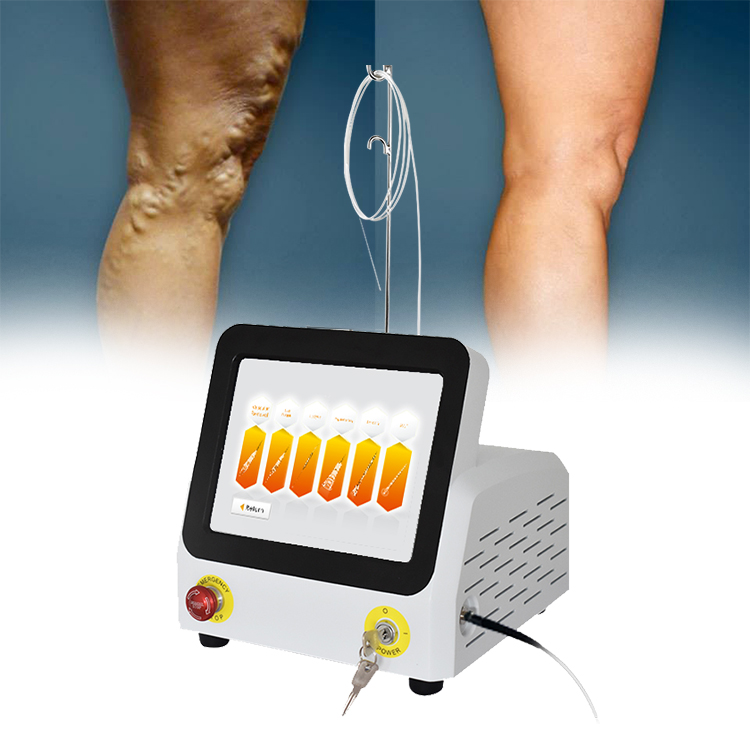
980nm Diode Laser Vascular Spider Veins Blood Vessels Removal Machine- 980 Vascular Removal
Read More


Triple Wavelengths Diode Laser Hair Removal Industry Leaders Industry Giant
Top Selling Products



- Related Blog
- Reviews
