

Shockwave Ultrasound: CE Certification & Quality Products
From my desk, I present our Shockwave Ultrasound system—the smart choice for clinics and rehab centers aiming for efficient, non-invasive therapy. We focus on reliability, ease of use, and measurable outcomes that patients notice. With CE Certification, our device meets international safety standards, giving you peace of mind when you place orders for your practice. When you browse our Products, you’ll find modular heads, adjustable energy levels, and intuitive software that makes treatment planning simple. I know your procurement process is about ROI, repeatable results, and strong support, so we provide fast spare parts, on-site training, and a solid warranty. Our Shockwave Ultrasound solutions suit physiotherapy, sports medicine, and orthopedics. If you’re comparing vendors, I’ll help you align performance specs with patient flow, budget, and compliance needs. Let me show how this fits your clinic’s growth strategy and patient satisfaction goals.
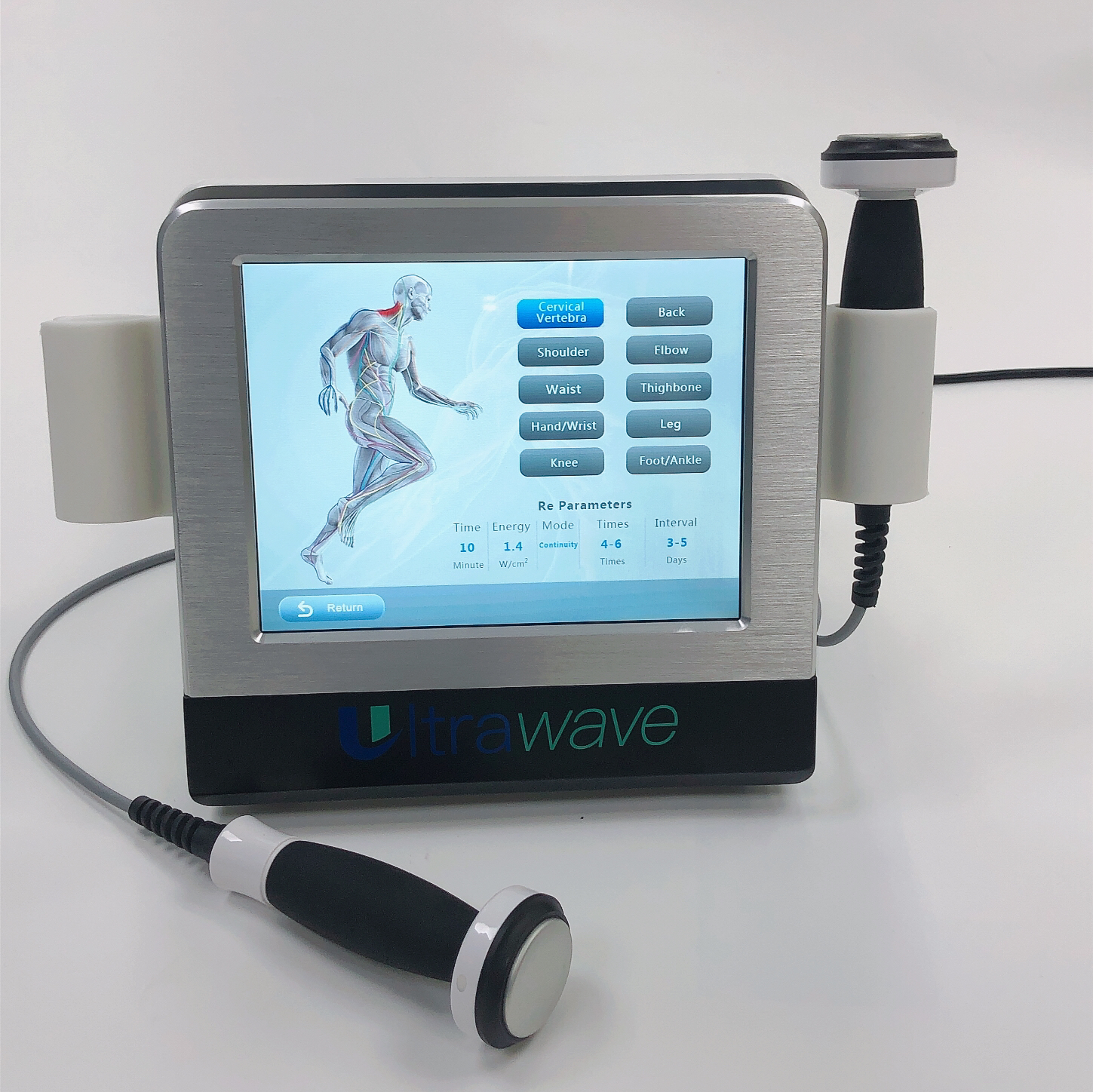
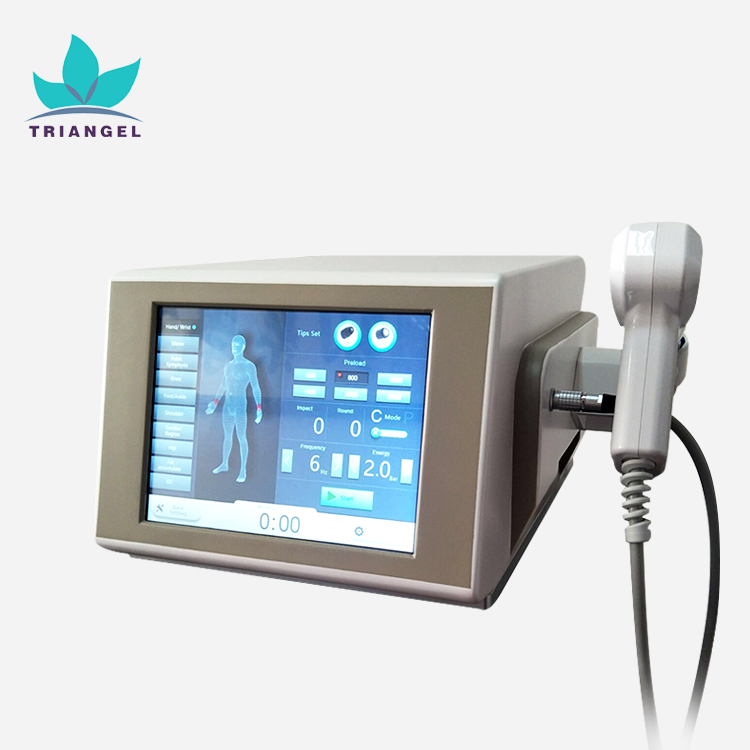

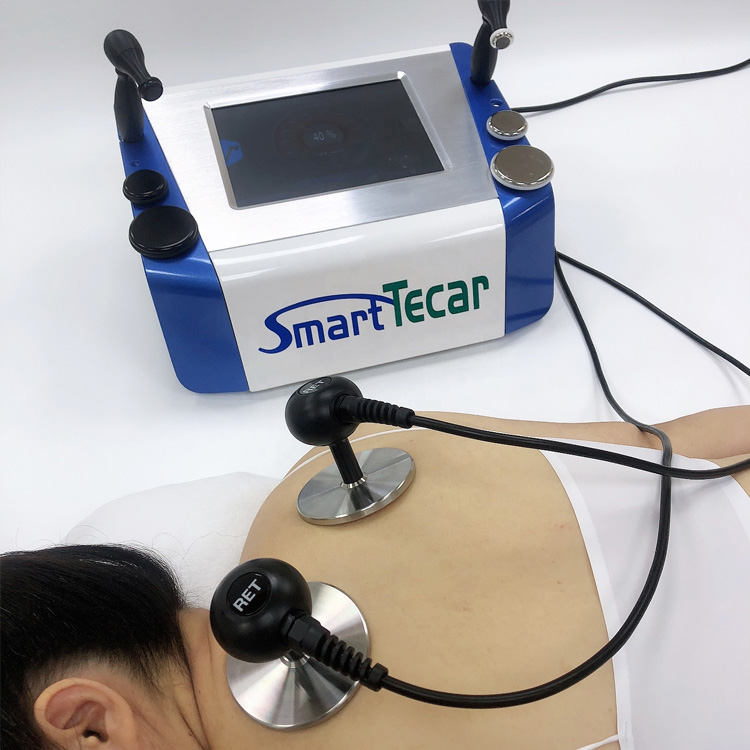
Shockwave Ultrasound Products From Concept to Delivery
Shockwave ultrasound products deliver high-energy acoustic waves for non-invasive therapies, expanding treatment options and patient access. From concept to market, the journey includes ideation, feasibility, design and engineering, risk assessment, and rigorous testing. Prototyping validates performance, usability, and safety. A regulatory strategy runs through the plan, with documentation, biocompatibility, and quality systems guiding certification in major markets (CE/FDA). Global buyers seek transparent supply chains and reliable delivery. A full-cycle plan covers supplier qualification, material quality, sterilization, packaging, and traceability. Manufacturing relies on ISO-aligned quality management and verified performance data. From production to installation, clear instructions, training, spare parts, service, and post-market monitoring ensure ongoing value. Logistics, export controls, and local language support complete the delivery experience.
| Milestone | Technology Type | Focal Length (mm) | Energy Density (mJ/mm²) | Pulse Frequency (Hz) | Primary Clinical Application | Regulatory Status | Development Time (months) | Validation Methods |
|---|---|---|---|---|---|---|---|---|
| Concept Validation | Piezoelectric | 50 | 0.10 | 3 | Musculoskeletal soft tissue | Early preclinical design review | 6 | Computational modeling; benchtop phantom tests |
| Prototype Development | Electromagnetic | 60 | 0.15 | 4 | Tendinopathy | Preclinical animal study planning | 8 | Bench tests; cadaveric tissue resonance mapping |
| First-in-Human Feasibility | Piezoelectric (enhanced) | 50–70 | 0.20 | 1–3 | Bone healing nonunions | IDE-enabling study; regulatory strategy | 14 | Pilot human study; safety monitoring |
| Pivotal Clinical Trial | Hybrid focusing + imaging guidance | 50 | 0.25 | 2 | Osteoarthritis | Clinical trial completion; regulatory submission | 24 | Randomized controlled trial results |
| Manufacturing Readiness | Hybrid electromagnetic/piezo | 40–60 | 0.18 | 3 | Calcific tendinopathy | GMP-compliant production; quality system | 9 | GMP audits; process validation; QC metrics |
| Commercial Launch | Integrated software with treatment planning | 30–70 | 0.12–0.20 | 1–5 | General shockwave therapy in physiotherapy | CE/FDA clearance; post-market surveillance | 6 | Real-world effectiveness data; software validation |
Related Products
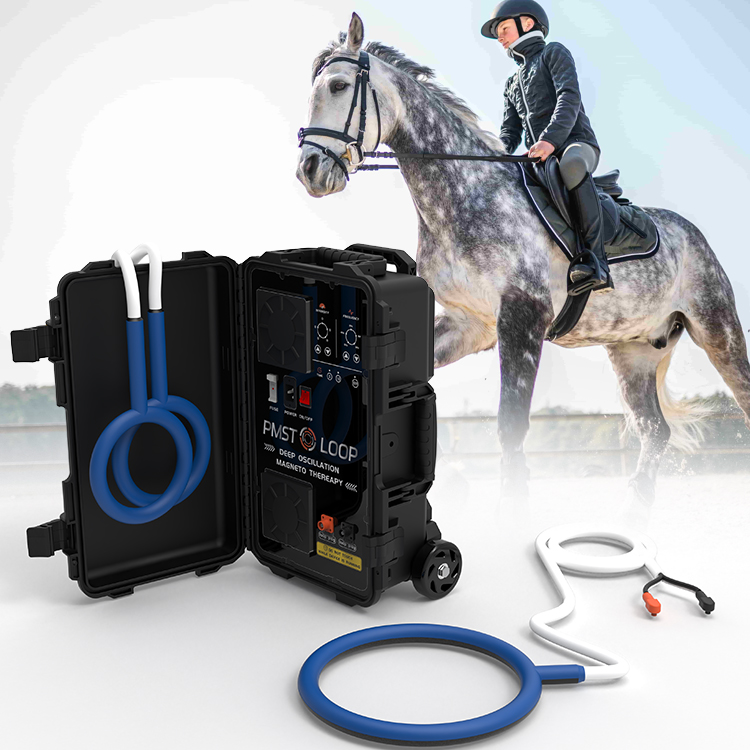

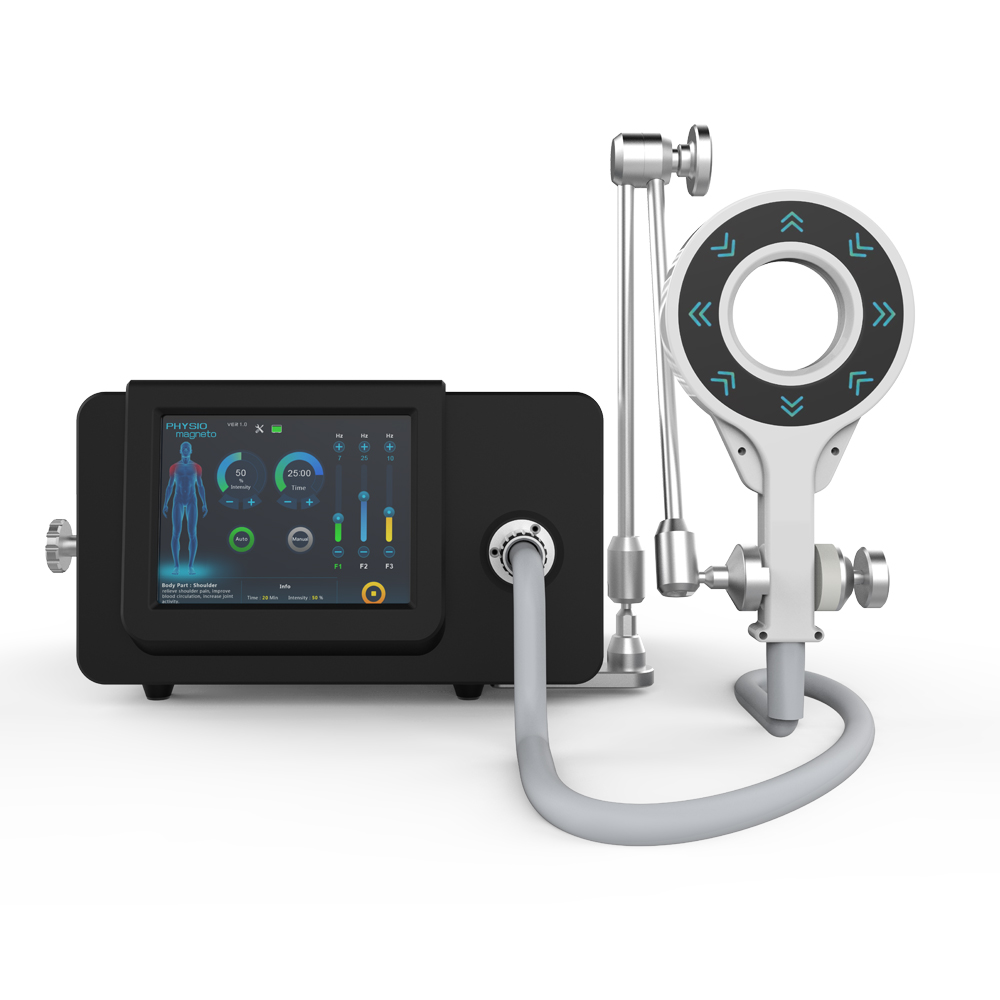


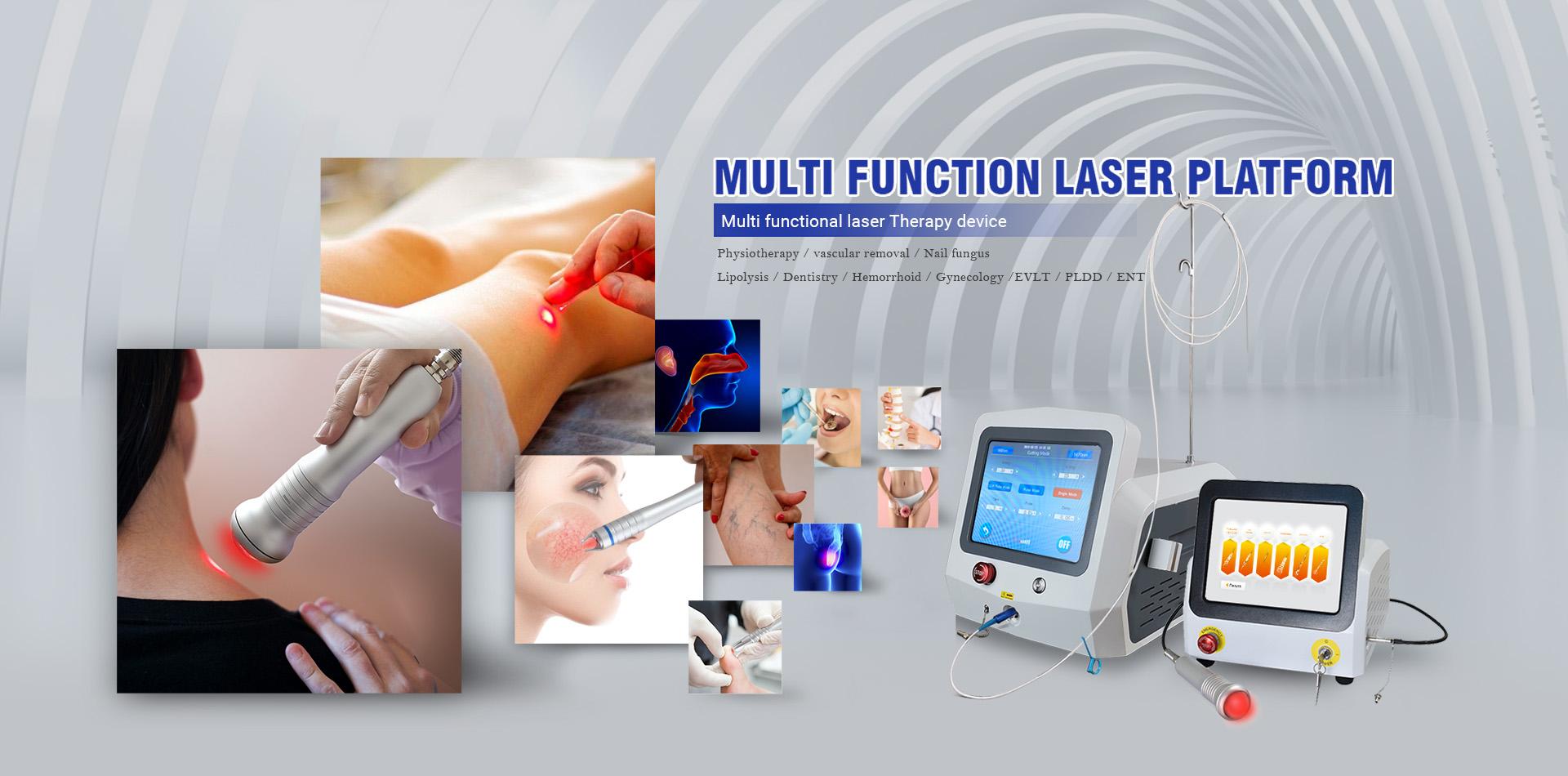
Shockwave Ultrasound Now Trending From Concept to Delivery
Top Selling Products



- Related Blog
- Reviews
