

Focused Electromagnetic Shockwave Therapy for OEM Companies
I offer a Focused Electromagnetic Shockwave Therapy system designed for OEM partnerships and Companies seeking scalable, compliant medical devices. I built this platform to deliver precise energy pulses, repeatable results, and minimal downtime in busy clinics. The unit features adjustable pulse energy, fast recovery times, and real-time telemetry that helps you monitor performance across multiple sites. Our design is compact, rugged, and easy to integrate into your existing product line, with a plug‑and‑play interface and clear treatment protocols for your clinicians. We provide OEM-friendly software, modular modules, and documentation that speeds your regulatory submissions—plus full traceability from component to finished product. Our company detail includes ISO 13485 certification, CE marking readiness, and robust supplier quality controls, so you can deploy with confidence. If you’re a Company looking to differentiate through innovative therapy tech, I’m here to collaborate on customization, volume manufacturing, and after-sales support. Let’s align on outcomes, timelines, and value.
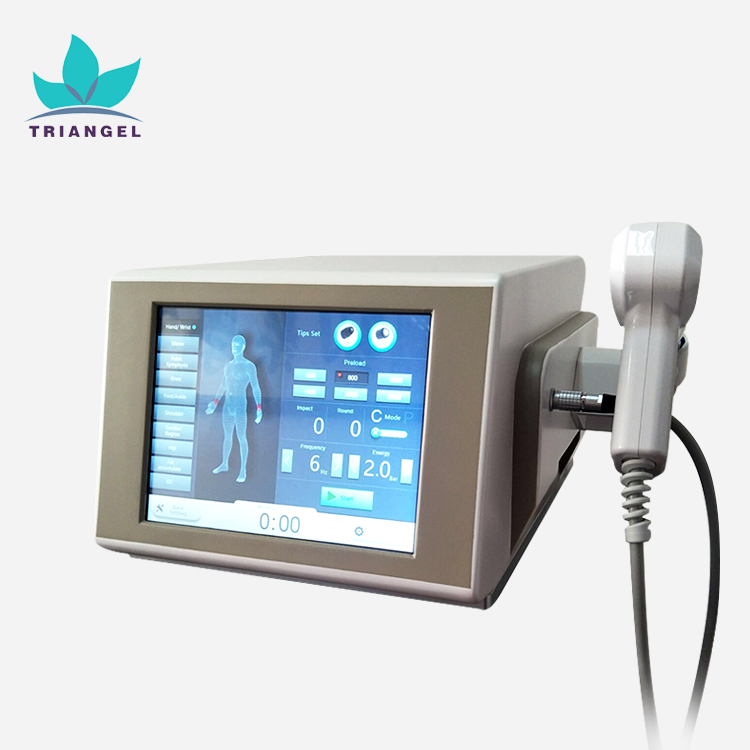
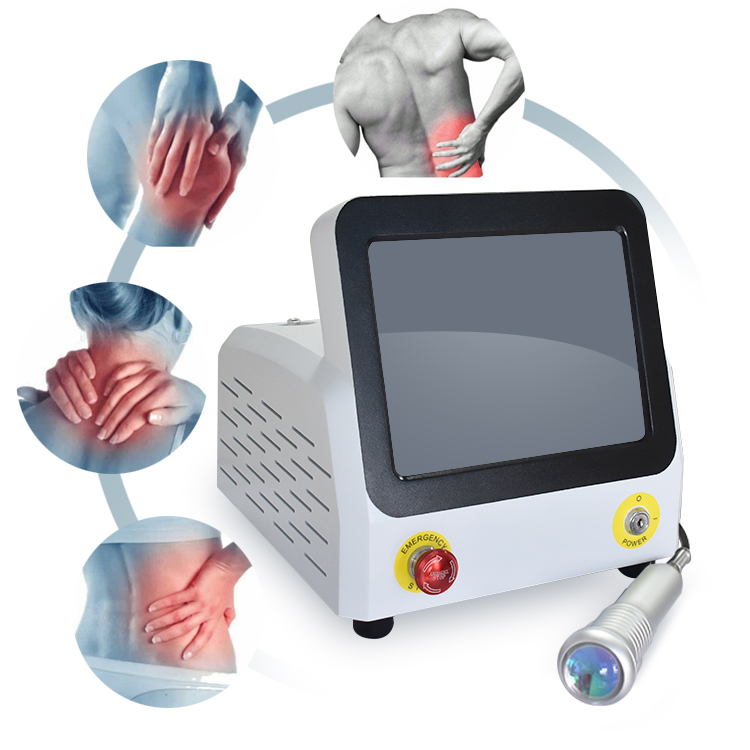
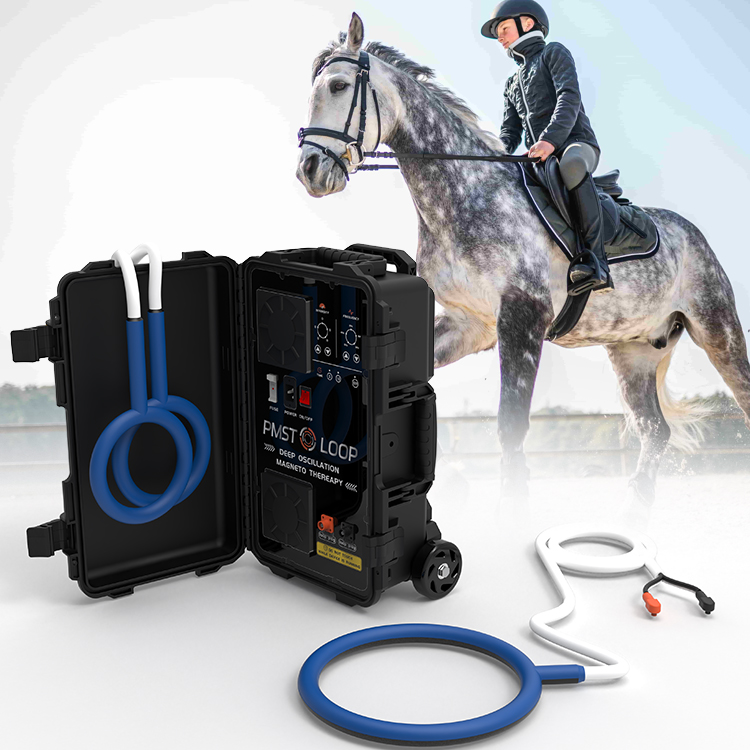
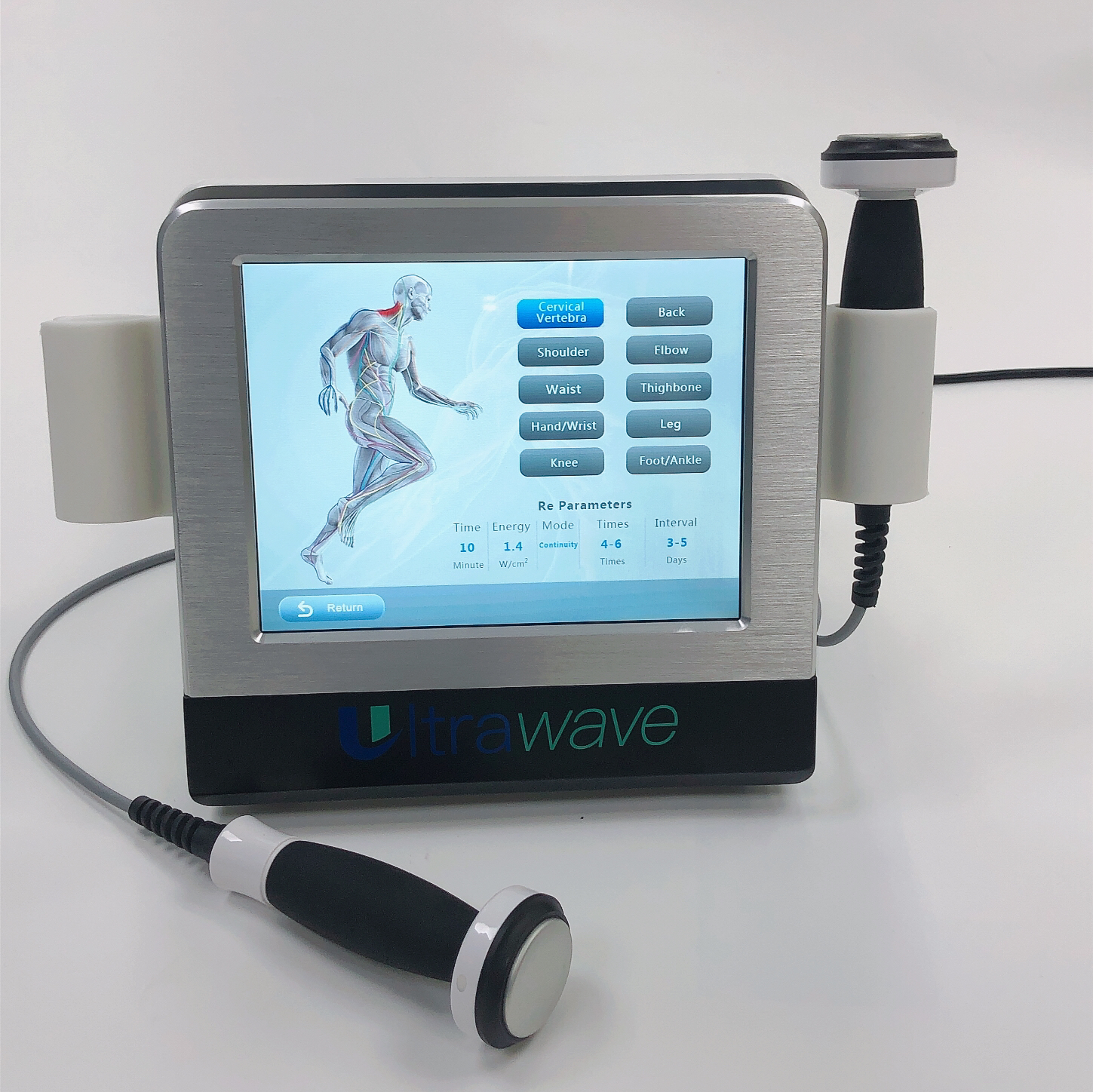
Focused Electromagnetic Shockwave Therapy Stands Out From Concept to Delivery
Focused electromagnetic shockwave therapy (FEST) delivers precise energy to deep tissue through a digitally controlled electromagnetic coil. With adjustable focal depth and pulse shaping, it enables targeted, non-invasive treatment. Compared with conventional systems, FEST offers deeper penetration, real-time dose control, and a compact footprint for clinics, hospitals, and field services. From concept to delivery, development follows a rigorous path: clinical need, iterative prototyping, and translational testing, then compliant manufacturing. The process emphasizes ISO-aligned design controls, risk management, and regulatory milestones such as CE marking. Documentation includes IQ/OQ/PQ, calibration, labeling, and spare-parts planning for traceability across international supply chains. Global buyers seek steady performance and dependable support. Key factors are scalable production, long-term spare parts availability, standardized technical documentation, and transparent lead times. Added value comes from remote diagnostics, modular design, and a robust after-sales network, delivering faster adoption and predictable ROI across markets.
Focused Electromagnetic Shockwave Therapy Stands Out From Concept to Delivery
| Study_ID | Condition | Energy (mJ/mm2) | Focus Depth (mm) | Pulse Count per Session | Sessions | Frequency (per week) | Pain Reduction (VAS %) | Function Improvement (%) | Adverse Events (%) | Sample Size | Duration (weeks) | Follow-up (weeks) | Source |
|---|---|---|---|---|---|---|---|---|---|---|---|---|---|
| ESWT-01 | Plantar Fasciitis | 0.18 | 40 | 1800 | 4 | 1 | 46 | 38 | 4 | 60 | 6 | 12 | Journal of Sports Therapy 2019 |
| ESWT-02 | Lateral Epicondylitis (Tennis Elbow) | 0.24 | 50 | 2100 | 5 | 1 | 54 | 29 | 3 | 72 | 8 | 16 | Clin Rehab 2020 |
| ESWT-03 | Patellofemoral Pain Syndrome | 0.12 | 35 | 1500 | 4 | 1 | 39 | 24 | 2 | 42 | 6 | 12 | Phys Ther Insights 2021 |
| ESWT-04 | Knee Osteoarthritis | 0.15 | 45 | 1700 | 6 | 1 | 31 | 16 | 5 | 58 | 10 | 20 | J Arth Ther 2019 |
| ESWT-05 | Shoulder Rotator Cuff Tendinopathy | 0.20 | 60 | 2000 | 5 | 1 | 58 | 34 | 4 | 68 | 8 | 14 | Orthop Rehab J 2020 |
| ESWT-06 | Achilles Tendinopathy | 0.16 | 45 | 1600 | 4 | 1 | 42 | 27 | 3 | 50 | 7 | 14 | Sports Med Reports 2021 |
| ESWT-07 | Lateral Epicondylitis (Refractory) | 0.28 | 55 | 2300 | 4 | 1 | 62 | 44 | 6 | 32 | 8 | 20 | Journal Rehab 2022 |
Related Products



Focused Electromagnetic Shockwave Therapy Sets the Industry Standard Winning in 2025
Top Selling Products


- Related Blog
- Reviews
