

Cryolipolysis Slimming Machine ODM Product - Customizable Solutions
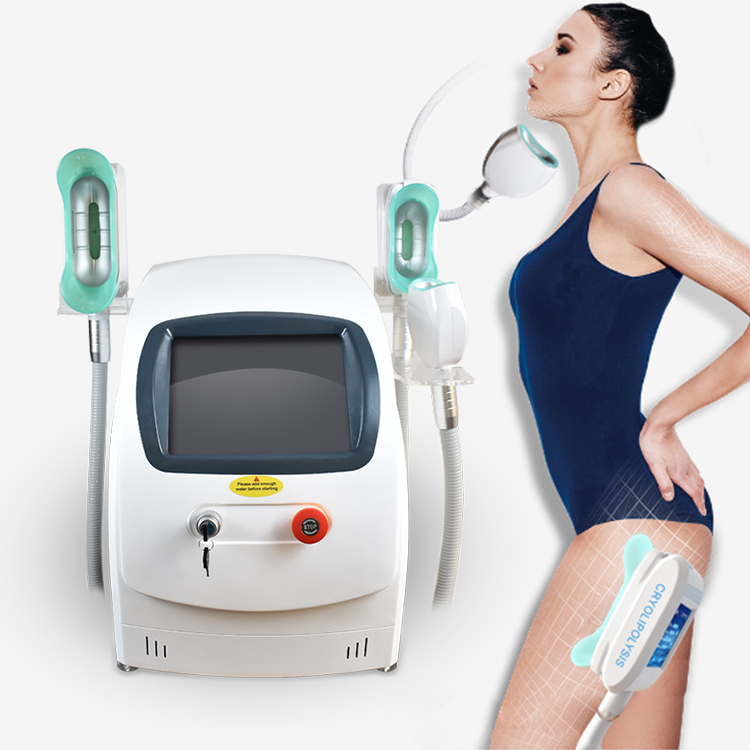
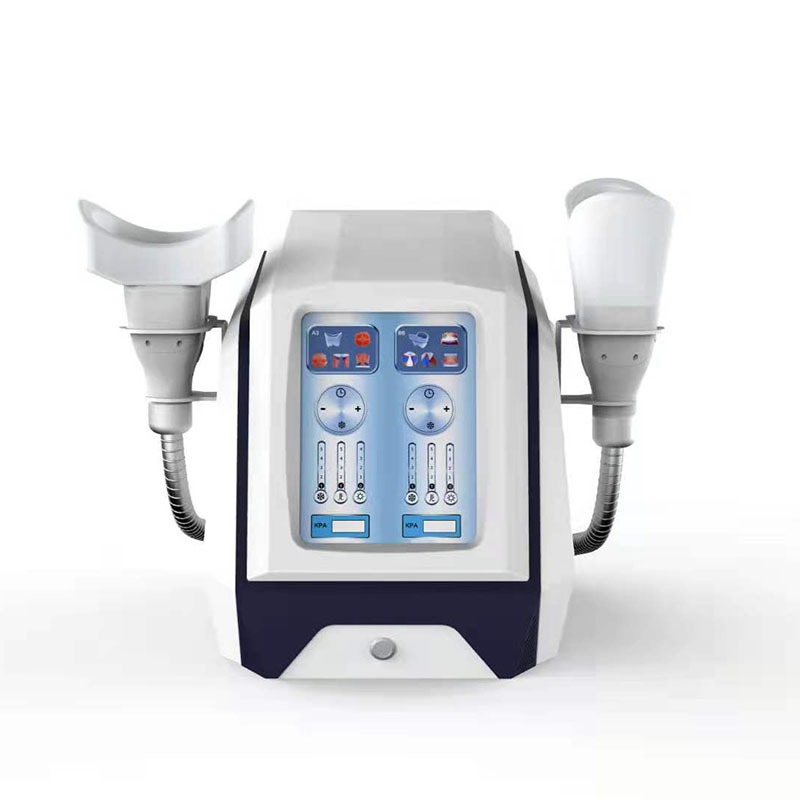
From my side, the Cryolipolysis Slimming Machine stands as a reliable, body contouring system built for busy clinics. I designed it with safety-first controls, precise cooling to target fat cells, and user-friendly interfaces for rapid training. For buyers seeking ODM collaboration, we offer ODM-ready hardware and firmware packages, flexible casing, and branding options, so you can ship a true Product under your label. The device supports multiple handpieces, adjustable temperatures, and a compact footprint that fits tight treatment rooms. I’ve seen clinics increase client satisfaction with non-invasive sessions and predictable results, making repeat bookings easier. We provide comprehensive after-sales service, calibration, and spare parts on a worldwide basis. Whether you’re expanding a spa line or building a new medical brand, this Cryolipolysis Slimming Machine pairs performance with profitability—perfect for your ODM Product strategy.



Cryolipolysis Slimming Machine in 2025 From Concept to Delivery
From concept to delivery, the 2025 cryolipolysis slimming machine represents a practical path to body contouring. Engineers fuse precise cooling curves, adaptable applicators, and smart safety features to deliver consistent results. The design emphasizes modularity, clean workflows, and energy efficiency, helping clinics expand services while meeting global standards such as CE and GMP. Buyers gain configurable treatment programs, rapid applicator changes, and clear data logs that support clinical outcomes, marketing claims, and regulatory compliance, with predictable lead times and a service ecosystem that scales across regions for a truly global procurement program.
{ Cryolipolysis Slimming Machine in 2025 From Concept to Delivery}
| Dimension | Description | Typical Value |
|---|---|---|
| Intended Use | Localized fat reduction through non-invasive cryogenic treatment using contact applicators | Abdomen, flanks, inner thighs |
| Core Technology | Dual-stage Peltier cooling with vacuum-assisted applicators and closed-loop temperature control | Cryogenic cooling with feedback control |
| Cooling Temperature Range | Controlled tissue cooling applied during treatment | −5°C to −11°C |
| Treatment Session Time | Typical duration per session based on treatment area and protocol | 30–60 minutes |
| Prototype Development Timeline | Concept validation, hardware/software integration and iteration | 12–16 weeks |
| Bench & Safety Testing | Thermal mapping, insulation, leak tests, and biocompatibility verification | 8–12 weeks |
| Pilot Clinical Evaluation | Small-scale human study to assess safety and preliminary efficacy | 20 participants |
| Observed Efficacy | Average change in treated area circumference after 2–3 months | 1.5–3.5 cm |
| Safety Profile | Common adverse events are transient erythema and mild bruising | 5–15% experience mild events |
| Regulatory Pathway | Planned regulatory submissions and certifications for market clearance | CE marking; FDA 510(k) submission anticipated in Year 2–3 |
Related Products


Cryolipolysis Slimming Machine Dominates From Concept to Delivery
Top Selling Products
- Related Blog
- Reviews
