

1470nm EVLT Diode Laser for Varicose Veins | OEM Companies
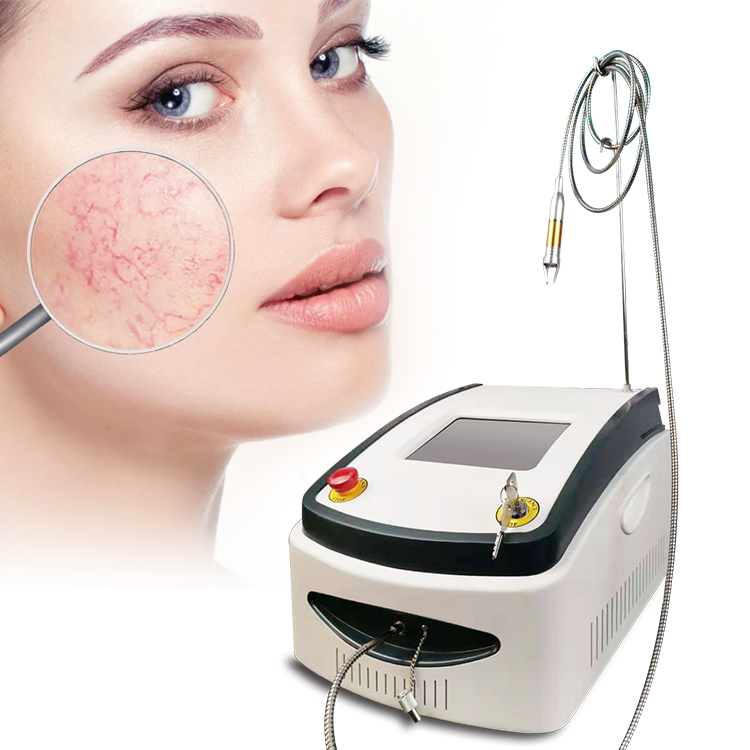
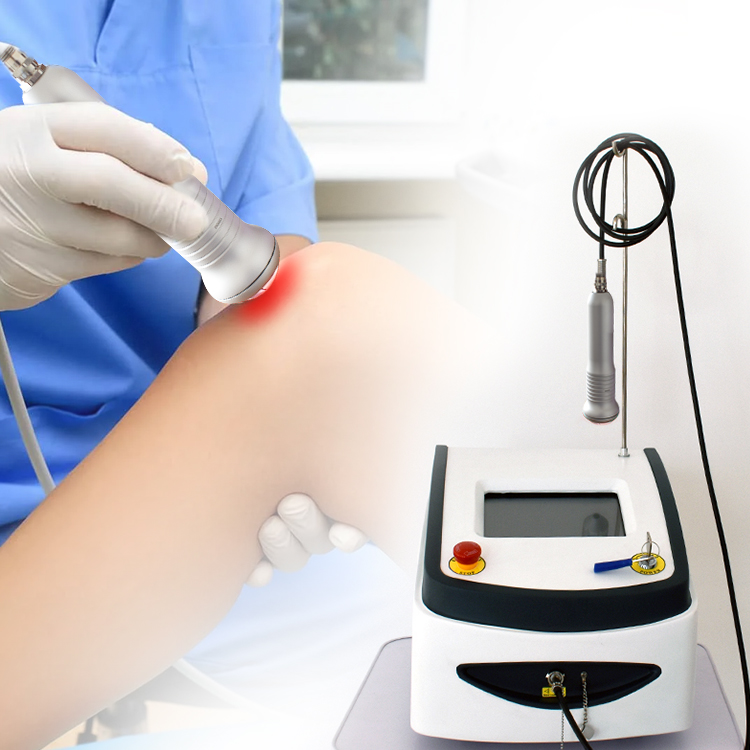
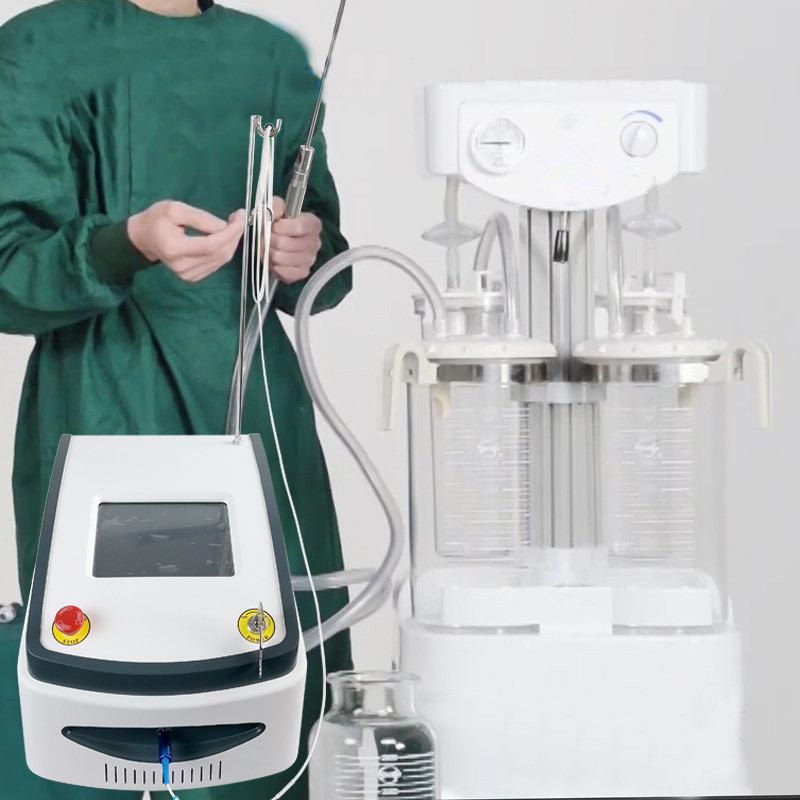
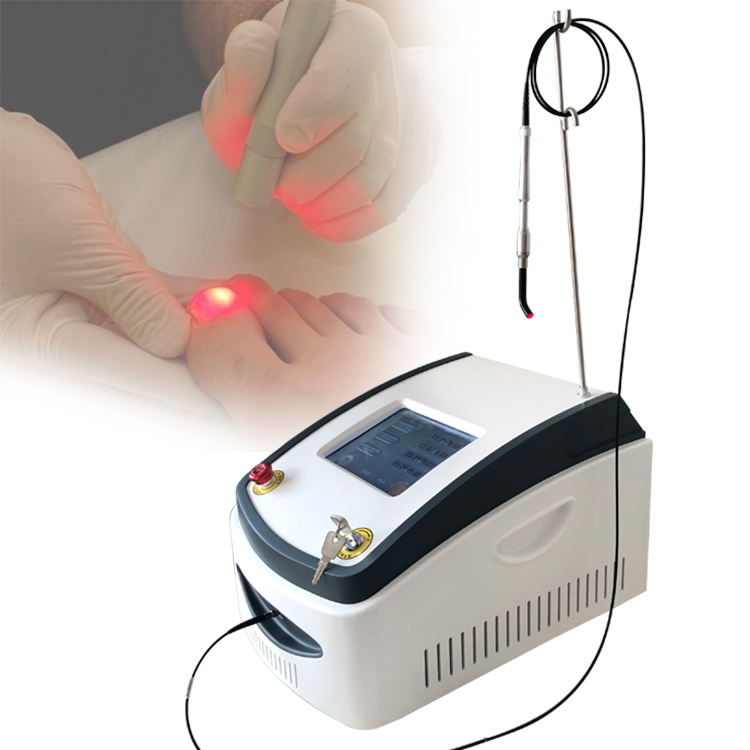
I provide a 1470nm evlt diode laser for varicose veins, designed for OEM partners and Companies seeking dependable vascular solutions. This compact system delivers precise energy with a safe, single-fiber EVLT procedure, optimizing treatment time and patient comfort. With a robust 1470nm evlt wavelength, it offers efficient vein ablation and low risk of collateral damage. The diode laser for varicose veins is engineered for easy integration in clinic workflows, featuring a touch-screen interface, configurable power, and built-in safety interlocks. OEM-ready modules allow branding, service contracts, and scalable production. Our evlt diode laser complies with medical standards and provides consistent performance across cases, supported by local service and spare parts. If you are evaluating suppliers, I can tailor the system to your geographic needs, volume commitments, and training programs for your clinical staff. Partner with me for a reliable, high-performance solution.



1470nm evlt,diode laser for varicose veins,evlt diode laser Stands Out Where Innovation Meets 2025
Among 1470 nm EVLT diode lasers for varicose veins, this wavelength enables precise endovenous coagulation with deep vein wall targeting while minimizing collateral tissue damage. The compact, robust design delivers reliable energy through slender catheters, supporting consistent outcomes across diverse anatomies. As 2025 reshapes device innovation, clinicians gain shorter procedure times, less bruising, and quicker recovery. For global procurement, a scalable platform with interchangeable catheters, standardized sterilization, and straightforward calibration reduces risk and speeds market adoption in new regions, aided by compatibility with common fiber optics and universal power interfaces. Beyond the device, buyers should assess regulatory clearances, service networks, training, and dependable spare parts. A modular system lowers total cost of ownership while maximizing uptime in busy clinics worldwide. Consider supply chain resilience, remote diagnostics, clear warranties, and upgrade paths that preserve value as guidelines evolve toward higher safety and efficiency by 2025.
| Dimension | Specification | 2024 Benchmark | 2025 Forecast | Notes |
|---|---|---|---|---|
| Wavelength (nm) | 1470 | 1470 | 1470 | EVLT standard wavelength for vein treatment |
| Laser Type | Diode | Diode | Diode | Direct diode emission with fiber delivery |
| Pulse Duration (ms) | 0.5 | 0.5 | 0.5 | Short-pulse envelope for selective heating |
| Repetition Rate (kHz) | 20 | 20 | 22 | Adjusted for vein diameter variations |
| Energy per Pulse (mJ) | 60 | 60 | 68 | Balance between efficacy and safety |
| Peak Power (W) | 30 | 30 | 32 | Increases ablation efficiency with controlled safety |
| Delivery System | Flexible fiber | Flexible fiber | Flexible fiber | Portable and maneuverable for saphenous veins |
| Tissue Interaction Depth (mm) | 2.0 | 2.0 | 2.0 | Targeted coagulation and scleral heating range |
| Real-time Feedback | Yes (photodiode) | Yes (photodiode) | Yes (photodiode) | Live monitoring for safety |
| Safety Features | Active cooling; temp monitoring; auto shutoff | Active cooling; temp monitoring; auto shutoff | Enhanced cooling; real-time temperature display | Three to four layers of protection |
| Clinical Outcome (12-month Occlusion Rate %) | 92 | 92 | 94 | Improvement with optimized parameters |
| Complication Rate (%) | 2.5 | 2.5 | 2.0 | Low risk of minor adverse events |
| Recovery Time (days) | 2 | 2 | 1.8 | Faster return to normal activity |
| Training Requirement (hours) | 18 | 18 | 16 | Shortened training with improved guidance |
| Market Adoption (Share %) | 65 | 65 | 70 | Growing clinical uptake in vascular clinics |
Related Products



1470nm evlt,diode laser for varicose veins,evlt diode laser Service Ahead of the Curve
Top Selling Products


- Related Blog
- Reviews
