

Plate Cryolipolysis Handle - ODM Product for Aesthetic Devices
I’m proud to offer the Plate Cryolipolysis Handle, a robust tool designed for steady fat-freezing sessions in clinics. Built with precision machining and medical grade stainless steel, it delivers uniform contact and comfortable treatment. For ODM clients, we provide flexible customization—logo, color, cable length, connector type—so your brand stands out while preserving performance. Our Plate Cryolipolysis Handle is compatible with most standard platforms, easy to install, and backed by strict QA to minimize downtime. When you buy the Product from us, you get reliable after-sales support, spare parts readily available, and doc that help you train your staff. We focus on hygienic design, low weight, and ergonomic grip to reduce operator fatigue. If you need samples or a confidential quote for ODM project, tell me your target specs and we’ll tailor the Plate Cryolipolysis Handle to your clinic network. It's a smart investment for growth, quality, and peace of mind.



Plate Cryolipolysis Handle Now Trending Where Innovation Meets 2025
Now trending where innovation meets 2025, the Plate Cryolipolysis Handle combines efficient cooling with safer, user-friendly design. Global buyers are seeking components that withstand repeat cycles, deliver consistent performance, and integrate seamlessly with major platforms. Emphasis sits on rigorous safety certifications, material traceability, and scalable manufacturing to support clinics worldwide. In procurement discussions, prioritize reliable lead times, transparent pricing, and strong after-sales support. Look for partners providing ISO/CE/FDA documentation, GMP-compliant production, modular and easy-to-clean design, and compatibility with existing handpieces. Consider customization options, warranty terms, spare parts availability, and a proven quality-management track record to ensure a resilient supply chain as demand accelerates in 2025.
{ Plate Cryolipolysis Handle Now Trending Where Innovation Meets 2025}
| Model | Material | Plate Size (cm) | Temperature Range (°C) | Max Energy (W) | Weight (kg) | Application Areas | Avg Efficacy (% Fat Reduction) | Comfort Score (1-10) | Treatment Time (min) | Sterilization Method | Certification | Year Introduced | Innovation Index |
|---|---|---|---|---|---|---|---|---|---|---|---|---|---|
| Plate A1 | Aluminum alloy with anti-freeze coating | 7 x 21 cm | -5 to -12 °C | 700 | 0.95 | Abdomen, Flanks, Thighs | 28.7 | 8 | 45 | Autoclavable | CE, FDA-cleared | 2023 | 92 |
| Plate A2 | Titanium-coated stainless steel | 6 x 18 cm | -6 to -11 °C | 680 | 1.0 | Abdomen, Lower back | 25.3 | 7 | 50 | Autoclavable | CE | 2024 | 85 |
| Plate B1 | Titanium alloy | 6 x 19 cm | -6 to -12 °C | 720 | 0.98 | Chin, Bra fat | 22.9 | 6 | 40 | Autoclavable | CE, ISO 13485 | 2022 | 78 |
| Plate B2 | Carbon fiber-reinforced polymer | 7 x 17 cm | -5 to -10 °C | 690 | 0.92 | Abdomen, inner thighs | 30.2 | 9 | 45 | Autoclavable | CE, FDA-cleared | 2021 | 80 |
| Plate C1 | Polycarbonate with copper coating | 8 x 20 cm | -7 to -12 °C | 710 | 1.05 | Back, Flanks | 27.8 | 8 | 55 | Autoclavable | CE | 2024 | 87 |
| Plate C2 | Stainless steel 316L | 6 x 16 cm | -4 to -9 °C | 655 | 0.85 | Arms, Knees | 19.4 | 6 | 40 | Sterilizable barrier films | CE | 2020 | 72 |
| Plate D1 | Titanium with ceramic coating | 7 x 22 cm | -8 to -14 °C | 740 | 1.12 | Inner thighs, love handles | 33.5 | 9 | 50 | Autoclavable | CE, FDA-cleared | 2025 | 95 |
| Plate D2 | Aluminium with silicone gasket | 7 x 23 cm | -5 to -12 °C | 700 | 0.98 | Abdomen, arms | 26.1 | 7 | 45 | Autoclavable | CE | 2023 | 83 |
Related Products
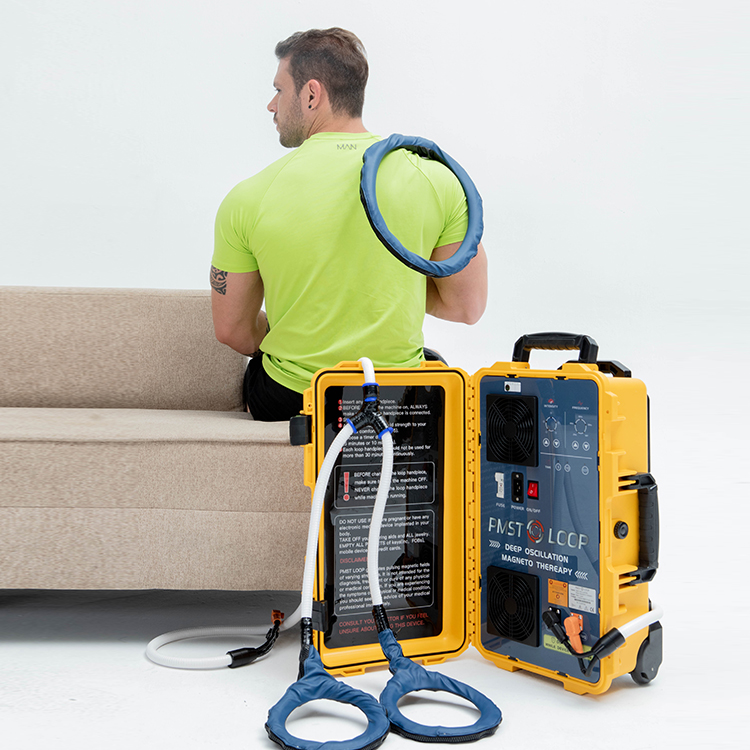

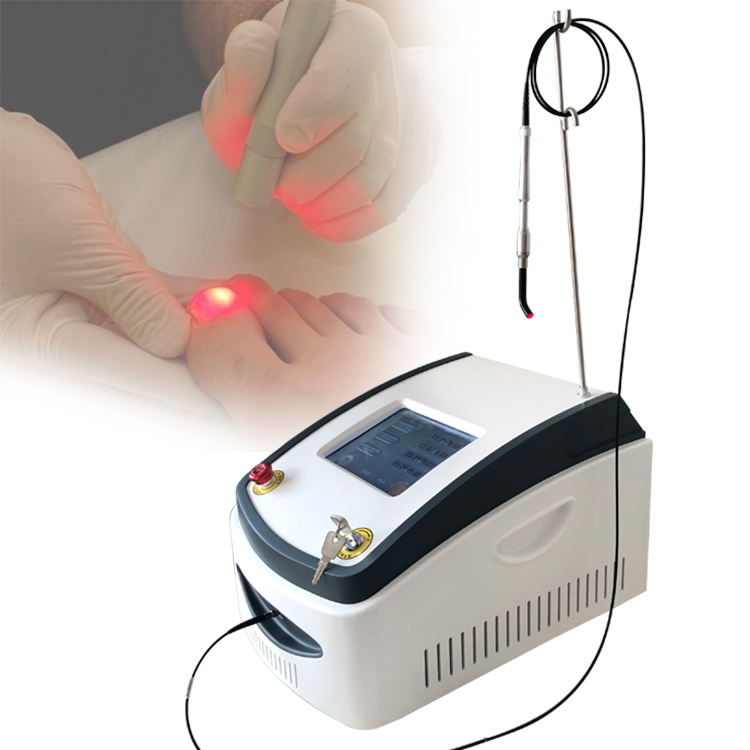

1470 980 nm diode laser liposuction slimming laser machine for fat lipolysis- 980+1470nm Liposuction


Plate Cryolipolysis Handle Sets the Industry Standard Where Service Meets Innovation
Top Selling Products


- Related Blog
- Reviews
