

Diode Laser Hair Removal System for OEMs and Companies
We offer a Diode Laser Hair Removal System built for clinics and OEM partners who demand performance and reliability. This system delivers fast treatment times, precise energy control, and safe cooling for consistent results across skin types. We designed it with OEM collaborations in mind—easy integration, modular handpieces, and adaptable software to match your brand. For Companies expanding their service lines, it delivers scalable operation, robust data logging, and straightforward maintenance that keeps downtime to a minimum. The unit supports multi-language interfaces and remote diagnostics, backed by training and a solid warranty. We’ve seen clinics reduce chair time and boost throughput, while partners appreciate flexible packaging and predictable ROI. If you’re pursuing OEM opportunities or broadening your portfolio, we’re ready to align with your timelines and quality standards to make your launch a success.
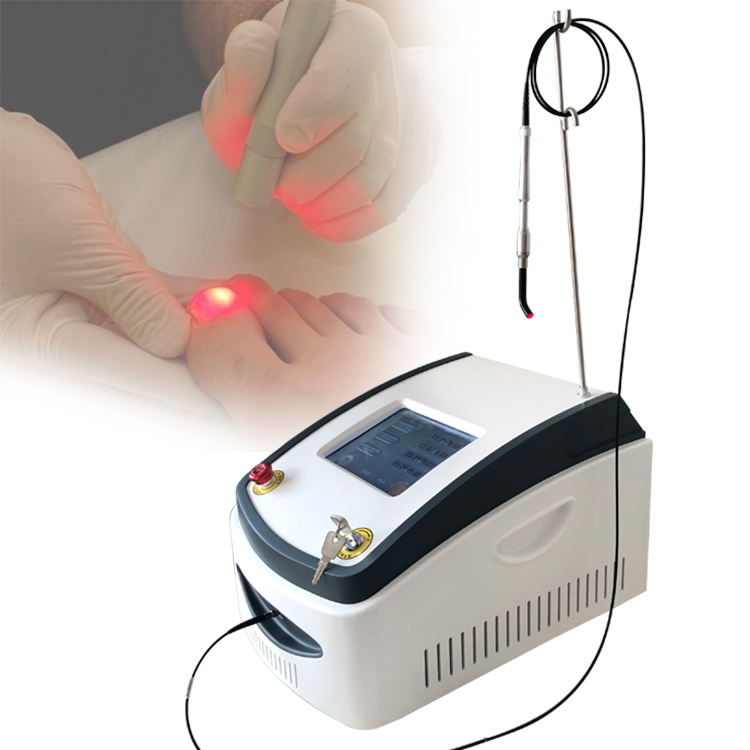

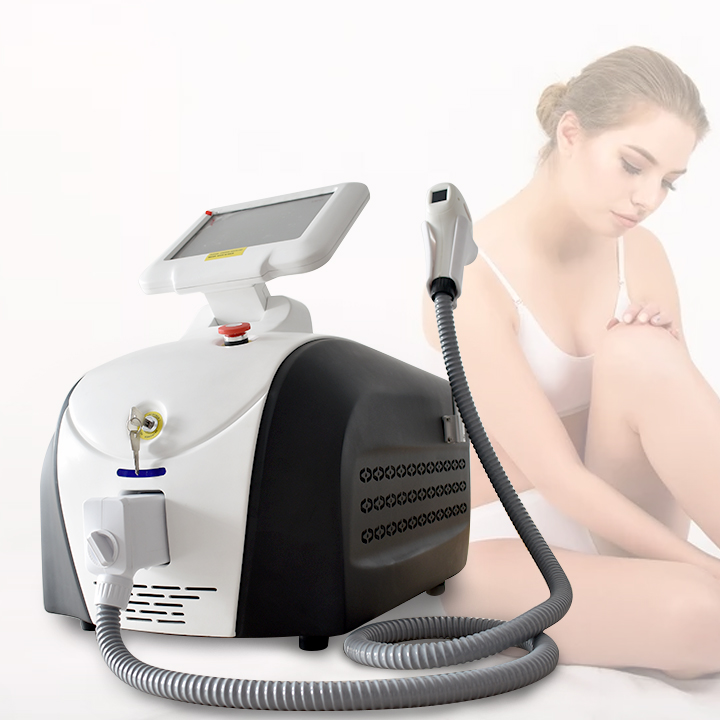
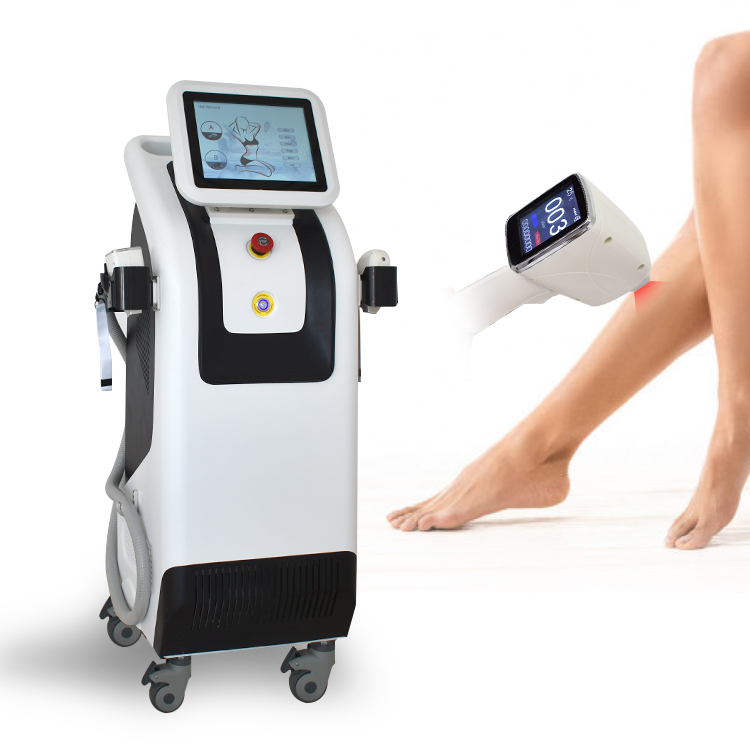
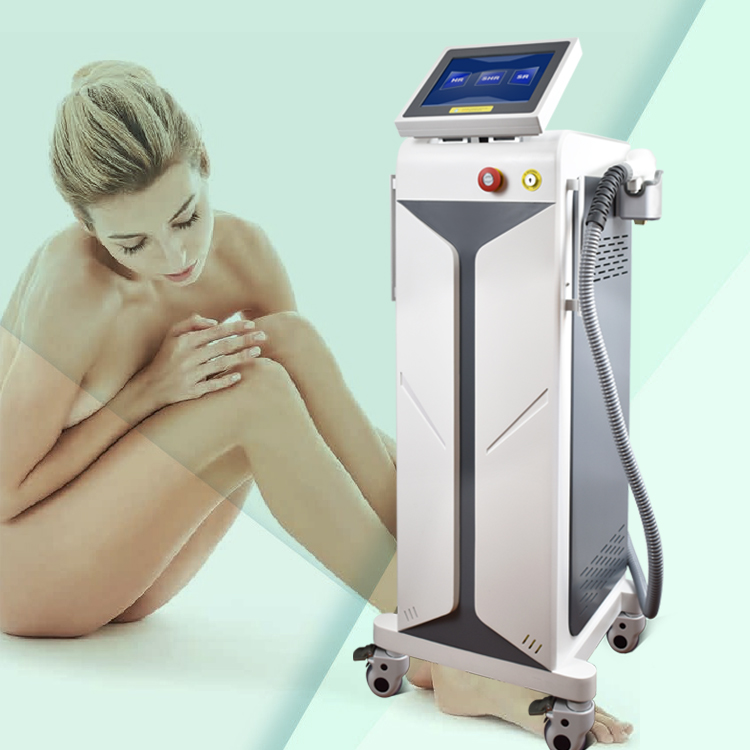
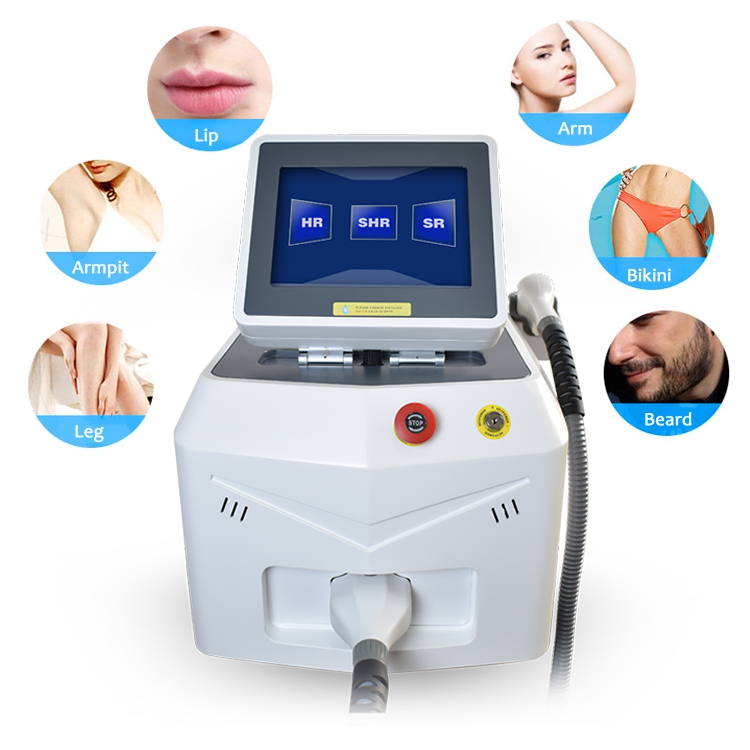
Diode Laser Hair Removal System Winning in 2025 Outperforms the Competition
Global procurement leaders evaluate medical aesthetics equipment by total value, not upfront price. In 2025, a diode laser hair removal system stood out by delivering rapid treatments, consistent energy, and enhanced safety. Its powerful yet controlled output, with advanced skin cooling and real-time feedback, reduces discomfort, lowers burn risk, and yields reliable results across diverse skin tones. A modular handpiece and larger spot sizes shorten cycles, boosting clinic throughput while preserving reliability. For international buyers, the system also lowers total cost of ownership. Stable component supply, robust service networks, and readily available spare parts minimize downtime. Compliance with major global standards, easy validation in new markets, and remote monitoring simplify deployment. Procurement teams should seek scalable configurations, universal voltage compatibility, and upgrade paths for future wavelengths or software, ensuring the platform stays competitive as regulations and expectations evolve.
{ Diode Laser Hair Removal System Winning in 2025 Outperforms the Competition}
| Model | Wavelength (nm) | Pulse Duration (ms) | Spot Size (mm) | Repetition Rate (Hz) | Energy per Pulse (J) | Cooling Method | Patient Comfort (1-10) | Efficacy at 6 Months (%) | Suitable Skin Types | MTBF (hours) |
|---|---|---|---|---|---|---|---|---|---|---|
| Model A | 810 | 12 | 12 x 22 | 2.0 | 8.5 | Cryogen | 8 | 75 | I-III | 35000 |
| Model B | 808 | 20 | 12 x 22 | 1.5 | 7.0 | TEC-based | 7 | 72 | I-V | 32000 |
| Model C | 810 | 15 | 12 x 25 | 2.5 | 9.0 | Cryogen | 9 | 78 | I-VI | 41000 |
| Model D | 810 | 10 | 12 x 24 | 3.0 | 6.5 | TEC | 8 | 70 | I-III, V | 30000 |
| Model E | 800 | 18 | 10 x 18 | 2.0 | 8.0 | Cryogen | 8 | 74 | I-V | 36000 |
| Model F | 810 | 14 | 12 x 20 | 2.2 | 7.5 | Cryogen | 9 | 82 | I-VI | 47000 |
Related Products




Diode Laser Hair Removal System Factory-Direct Excellence More Than a Supplier - A Partner
Top Selling Products



- Related Blog
- Reviews
