

Cryolipolysis Mini - CE Certification Products for Aesthetic Clinics
I represent a line of aesthetic devices and I’m excited to share the Cryolipolysis Mini with clinics and med spas. This compact, efficient fat-freezing system fits busy schedules while expanding your treatment menu. CE Certification ensures it meets safety and quality standards, giving your practitioners confidence and your patients peace of mind. When you choose our Products, you invest in reliable performance, simple operation, and repeatable fat reduction results across common trouble zones. The Cryolipolysis Mini is rugged enough for daily clinic use, with a user‑friendly interface, hygienic design, and quick setup for fast chair-side workflows. I offer flexible B2B terms—volume discounts, trials, and post-sale service—to help you scale. If you’re reviewing equipment for non-invasive body contouring, this device lets you raise bookings, attract new clients, and protect margins. Happy to share data sheets, clinical references, and a tailored quote.



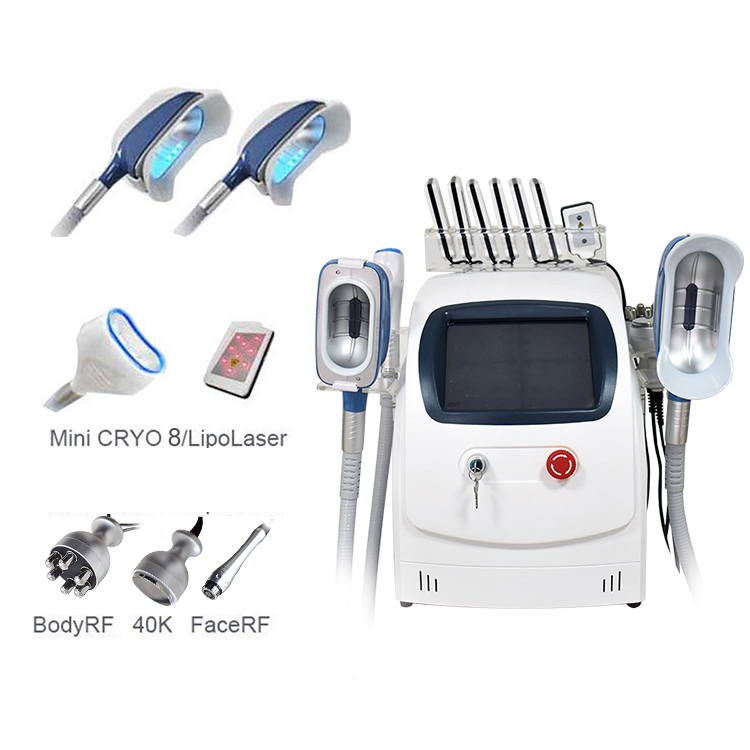
Cryolipolysis Mini Application Is The Best
The Cryolipolysis Mini Application delivers targeted fat reduction with a compact footprint, allowing clinics to expand services in small spaces or satellite sites. It offers precise temperature control, efficient cooling, and short cycle times to produce consistent results with minimal downtime. Ergonomic handpieces and an intuitive touchscreen simplify operator training and reduce session variability, while built-in safety features, automated alerts, and real-time monitoring enhance client safety and practitioner confidence. For global purchasers, reliability and scalable supply matter most. Standardized manufacturing with rigorous quality management enables smooth regional onboarding, while modular configurations, multi-language interfaces, and private labeling options let distributors tailor offerings. Comprehensive after-sales support, ready spare parts, remote diagnostics, and firmware updates help maximize uptime and protect clinic reputations. Partner with a proven, R&D-driven provider that prioritizes compliance, durability, and value.
| Target Area | Treatment Time (min) | Avg Fat Reduction (%) | Pain Score (0-10) | Recovery Time (days) |
|---|---|---|---|---|
| Abdomen | 35 | 25.0 | 2.5 | 5 |
| Flanks | 25 | 21.0 | 2.3 | 5 |
| Inner Thighs | 28 | 18.0 | 2.1 | 6 |
| Submental (chin) | 40 | 14.0 | 1.8 | 7 |
| Upper Arms | 20 | 12.5 | 2.0 | 5 |
Related Products
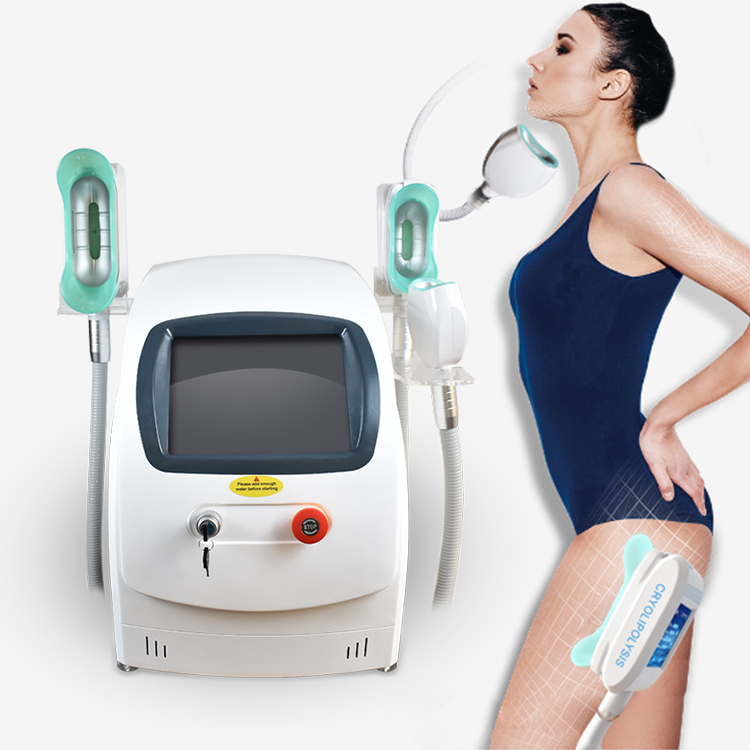


Cryolipolysis Mini Is The Best Pioneers in the Field
Top Selling Products


- Related Blog
- Reviews
