
Phlebectomy machine ODM Product - Custom Medical Equipment
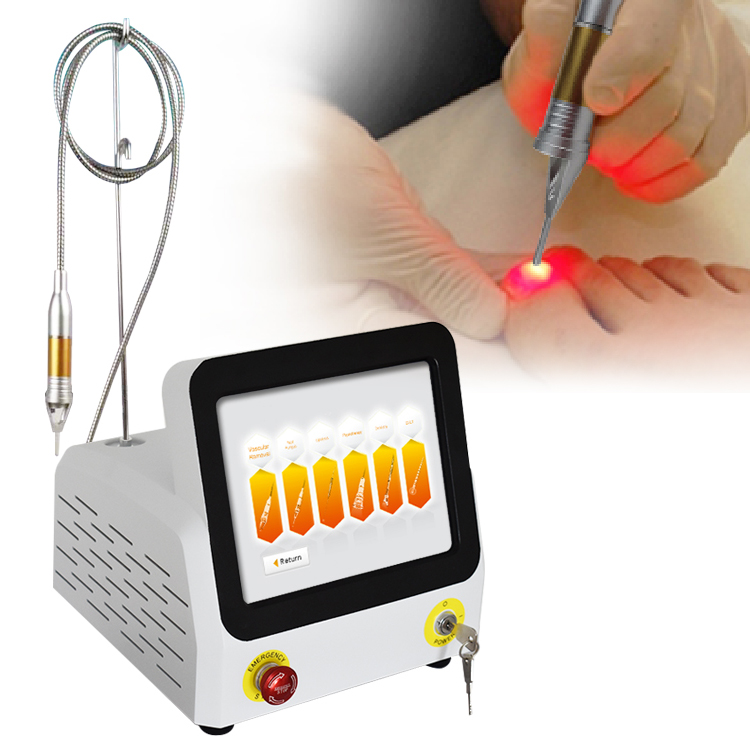
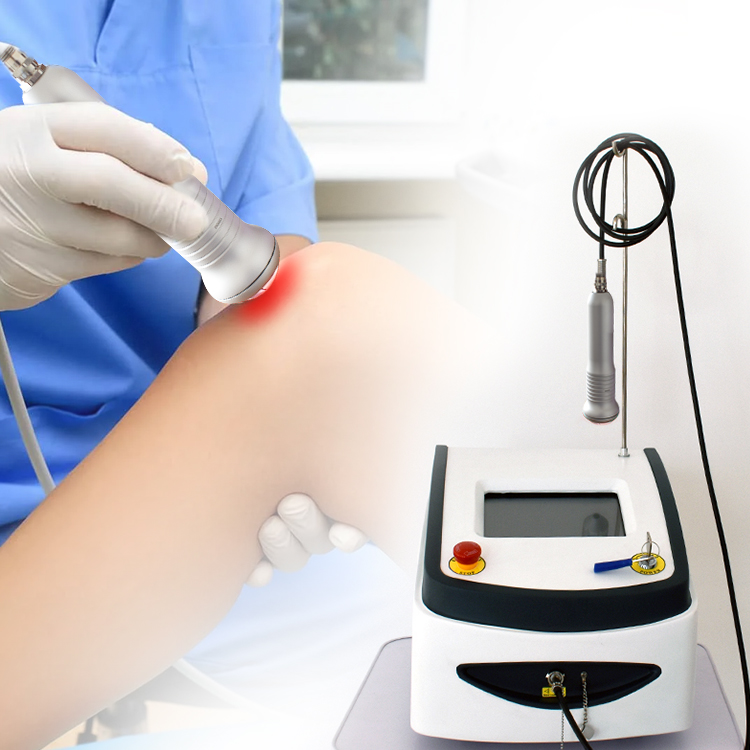
From the bench to the clinic, I’m proud of our Phlebectomy machine that delivers precise vein stripping with minimal trauma. We offer ODM options so you can tailor this Product to your brand, software, and workflow. This product comes with a modular handpiece, adjustable micro-blade settings, smart suction, and a touch-screen interface. Durable alloy chassis, sealed controls for sterile environments, and easy instrument sterilization reduce downtime. I designed it for fast setup, straightforward training, and dependable performance in busy days. Our after-sales support includes on-site testing, spare parts, and firmware updates. If you’re building a new product line or upgrading an existing one, this Phlebectomy machine fits into your product roadmap, helping you win clinics and hospitals. With competitive pricing and shorter lead times on ODM projects, we can start a pilot quickly.

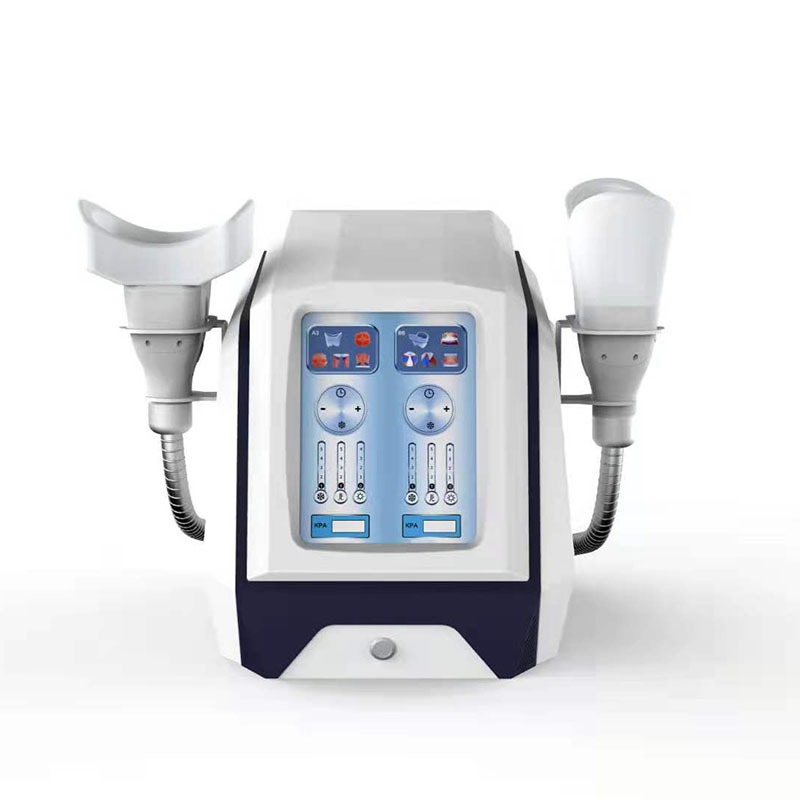

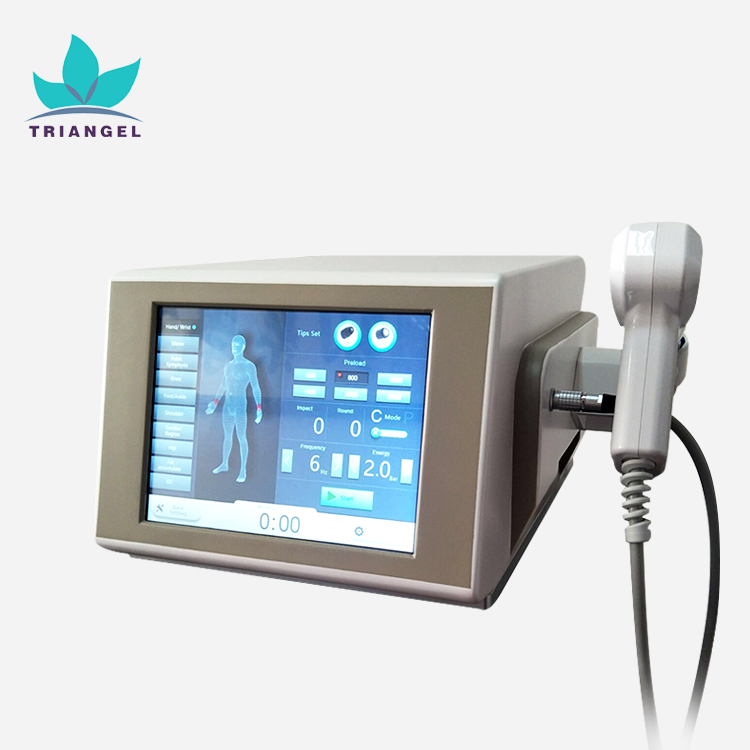

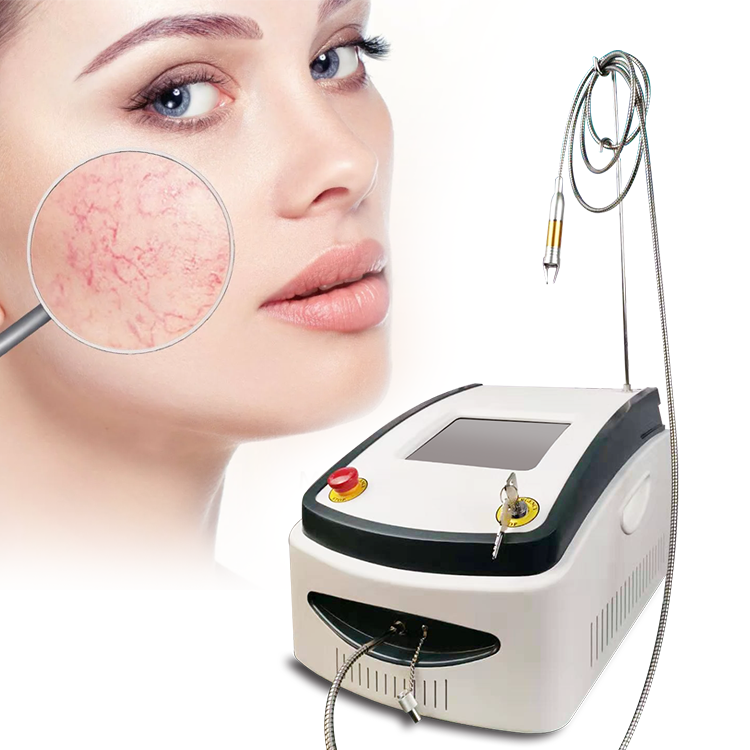
Phlebectomy machine Dominates Where Service Meets Innovation
Global buyers increasingly measure value beyond upfront price. A phlebectomy solution that dominates the service-innovation nexus delivers precision with reliable worldwide support. The platform combines a compact modular base with a touch interface, adjustable dissection force, and intelligent safety checks guiding operators at each step. Real-time analytics optimize vein removal while protecting surrounding tissue, and a broad range of compatible tips supports diverse clinics. The result is a system that scales from a single practice to multi-site networks, keeping performance consistent across locations. Ergonomic design, durable components, and streamlined sterilization workflows minimize downtime and training while raising patient throughput. Global procurement teams prize an integrated service ecosystem: remote monitoring, predictable maintenance, rapid spare parts, and upgrades that extend lifecycle. This approach lowers total cost of ownership, accelerates clinical ramp-up, and ensures compliance with international standards. In a connected market, buyers can pair surgical innovation with dependable service to speed adoption, standardize outcomes, and safeguard investments across regions.
{ Phlebectomy machine Dominates Where Service Meets Innovation }
| Model Code | Category | Application Scope | Safety Features | Training Hours | Procedure Time (min) | Clinical Outcome Rate (%) | Avg Recovery Time (days) | Maintenance Interval (months) | Power (V/Hz) | Regulatory Status | Sterilization |
|---|---|---|---|---|---|---|---|---|---|---|---|
| PXM-01 | Vacuum-assisted | Outpatient varicose vein removal; ambulatory settings | Automatic suction limit; circuit fault lockout | 20 | 28-40 | 98.6 | 5 | 6 | 230/50 | CE, FDA 510(k) - pending | Autoclavable disposable tips |
| PXM-02 | Laser-assisted | Small-diameter varicosities; superficial branches | Temperature sensors; safety cut-off | 30 | 30-50 | 97.5 | 4 | 9 | 400/50 | CE, FDA Class II | EO sterilization for tips |
| PXM-03 | Mechanical microphlebectomy | Outpatient clinics; low-risk cases | Needle guard; suction control | 10 | 40-60 | 95.2 | 6 | 12 | 110/60 | CE | Steam sterilization |
| PXM-04 | Robotic-assisted | Complex varicosities | Collision avoidance; lockout | 60 | 50-75 | 99.1 | 3 | 12 | 220/60 | CE, FDA Class II | ETO gas sterilization |
| PXM-05 | Portable compact | Mobile clinics; bedside procedures | Battery protection; overcurrent | 8 | 20-40 | 93.5 | 7 | 6 | 12V battery | CE | Disposable sterile tips; wipe-down; autoclavable components |
| PXM-06 | Hybrid | Recurrent varicosities; revision cases | Redundant power; active cooling | 25 | 35-55 | 96.9 | 5 | 8 | 230/50 | CE | Steam autoclave; EO |
Related Products

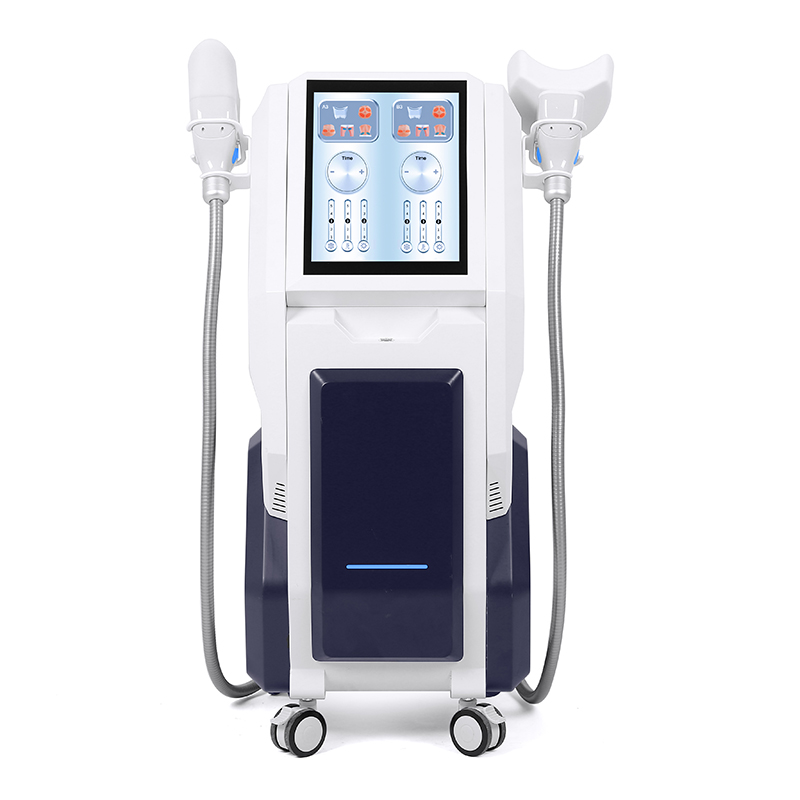
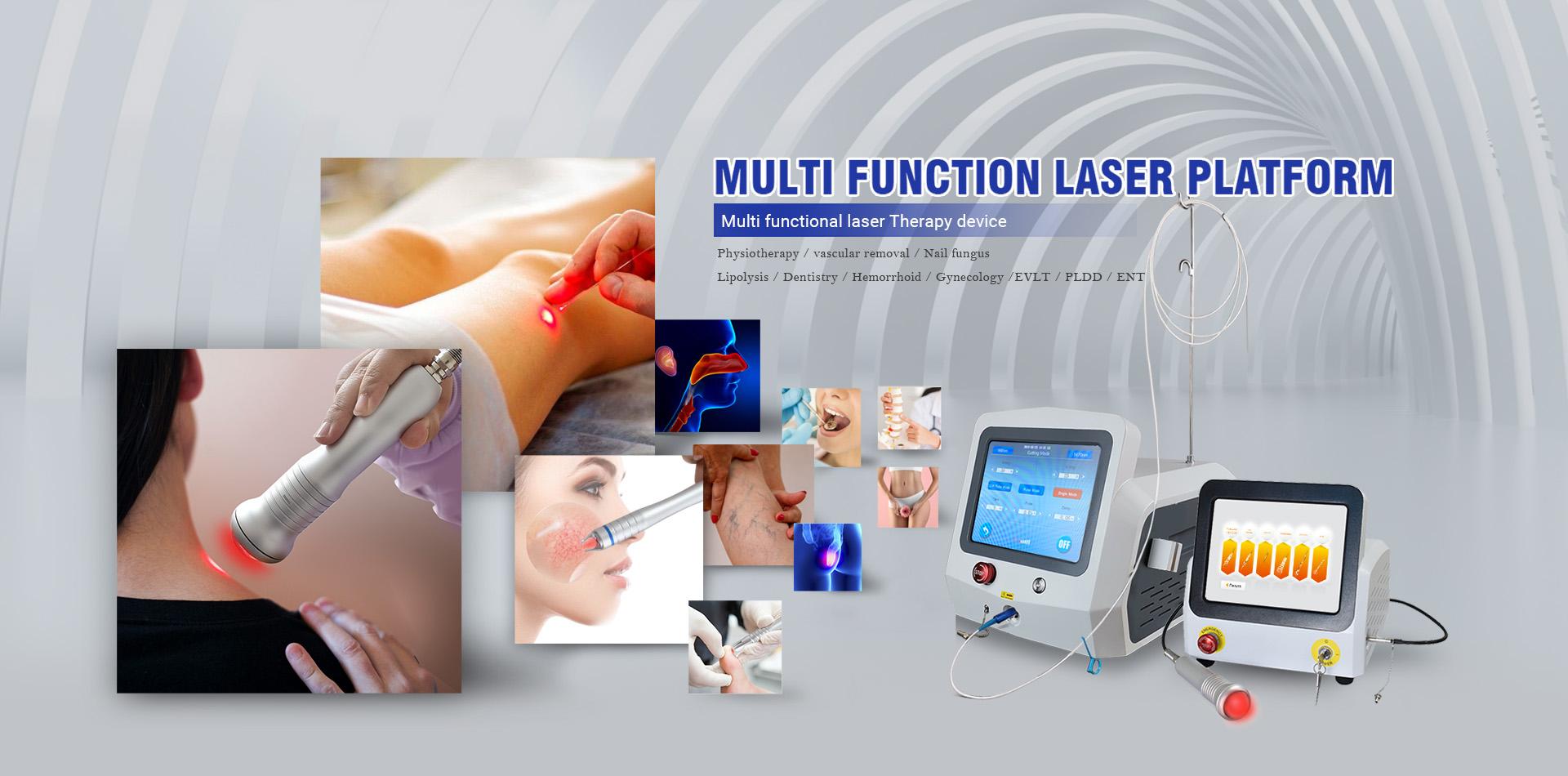
Phlebectomy machine Delivers Unmatched Quality Your Trusted OEM Partner
Top Selling Products



- Related Blog
- Reviews
