

Portable Diode Laser Hair Removal Machine ODM Product | High-Quality
With the Portable Diode Laser Hair Removal Machine, I offer a mobile, clinic-ready solution that pairs safety with speed. This device is designed for efficient hair reduction across skin types, thanks to adjustable fluence, pulse duration, and a built-in skin contact sensor. For buyers who look at ODM, I provide ODM-ready customization on the Product, including branding, packaging, and firmware tweaks to meet regulatory needs. The compact, portable form lets estheticians move between rooms or sites without sacrificing power. I keep spare laser diodes and a robust cooling system to minimize downtime. To ensure durability, the unit uses medical-grade materials and a simple, intuitive interface, so technicians can train quickly. My team supports end-to-end service: pre-sales consultation, after-sales warranty, and a spare-part supply chain for long-term uptime. If you need a scalable solution to expand your service portfolio, this Portable Diode Laser Hair Removal Machine is the Product you can rely on, with ODM options to fit your brand today.
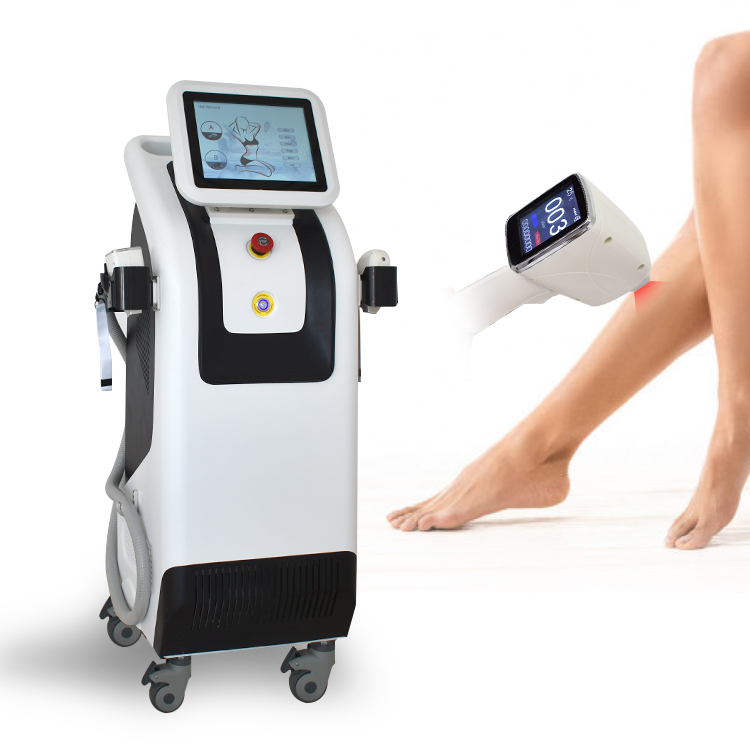
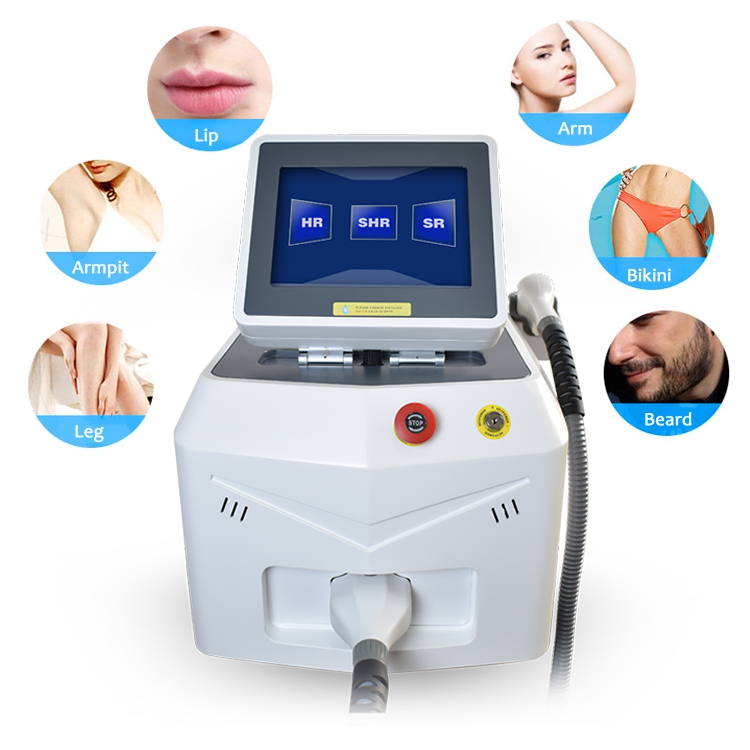
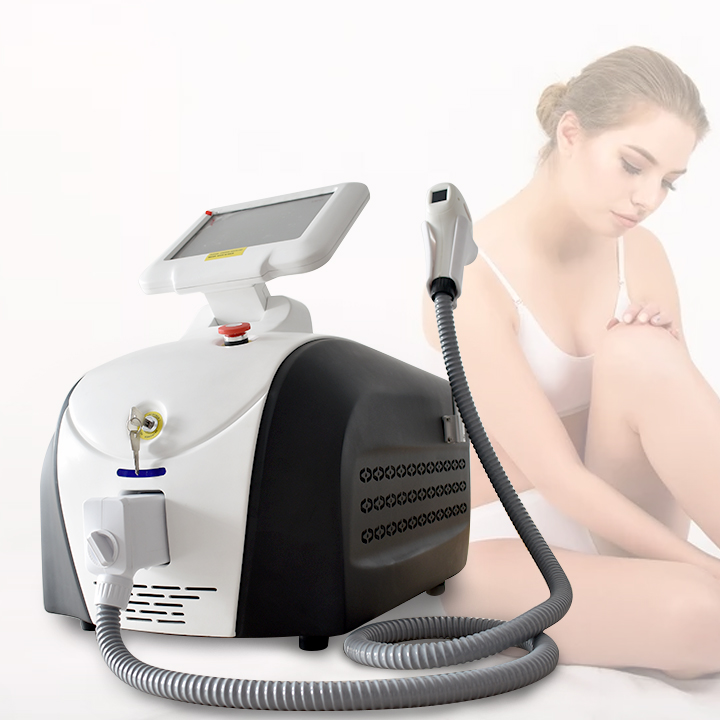

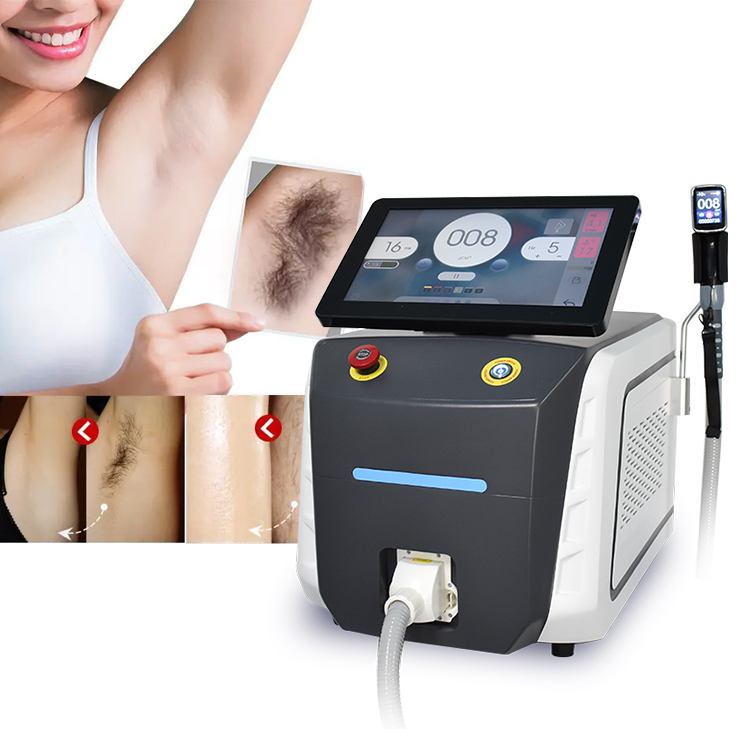
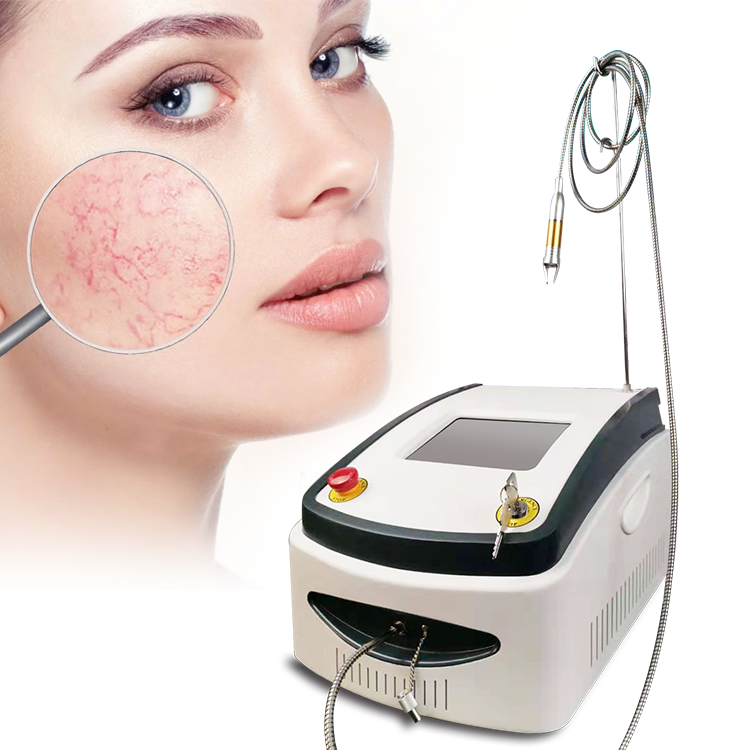
Portable Diode Laser Hair Removal Machine Delivers Unmatched Quality From Concept to Delivery
For global buyers seeking dependable, portable hair removal tools, the journey from concept to shipment matters. A truly unmatched product starts with a rigorous concept phase—defining clinical needs, ergonomic design, and a compact diode laser platform—followed by validation, prototypes, and field tests to prove safety and performance in real clinics and salons. In development, precision engineering ensures stable beam quality, wavelength consistency, adjustable fluence, and efficient cooling, all in a travel-ready unit. Built-in safety includes skin-contact sensing, interlocks, alarms, and software controls to protect all skin types. Durable materials and modular components make maintenance and upgrades straightforward. Delivery excellence follows: traceable components, rigorous quality checks at every step—from incoming materials to final packing. International standards compliance, scalable production, and clear documentation shorten lead times. Global logistics, multilingual support, training, and spare parts programs ensure smooth onboarding and lasting performance worldwide.
| Dimension | Specification | Value | Unit | Verification |
|---|---|---|---|---|
| Wavelength | Target wavelength with tolerance | 810 ± 5 | nm | Spectrometer measurement; tolerance within ±5 nm |
| Pulse Duration | Range for effective tissue targeting | 10 - 50 | ms | Pulse generator test; ±1 ms tolerance |
| Spot Size | Aperture diameter for treatment | 12 x 12 | mm | Caliper measurement; within spec |
| Peak Power | Maximum output power per handpiece | 400 | W | Optical power meter measurement; verified at 100% duty cycle |
| Repetition Rate | Pulse repetition capability | 1 - 10 | Hz | Controller firmware test; duty cycle within spec |
| Cooling System | Cooling method for safe operation | Water-cooled + sapphire tip | N/A | Temperature control test; tip ≤ 5°C at contact |
| Energy Density | Treatment range for skin types | 6 - 12 | J/cm2 | In vitro/phantom tests; within safe exposure range |
| Safety Certifications | Standards compliance | CE, RoHS | N/A | Documentation and test reports |
| Reliability | Mean Time Between Failures | 20,000 | hours | Reliability test logs; accelerated aging results |
| Clinical Throughput | Daily treatment capacity | 15 - 20 | patients/day | Production planning simulations; workflow efficiency |
Related Products

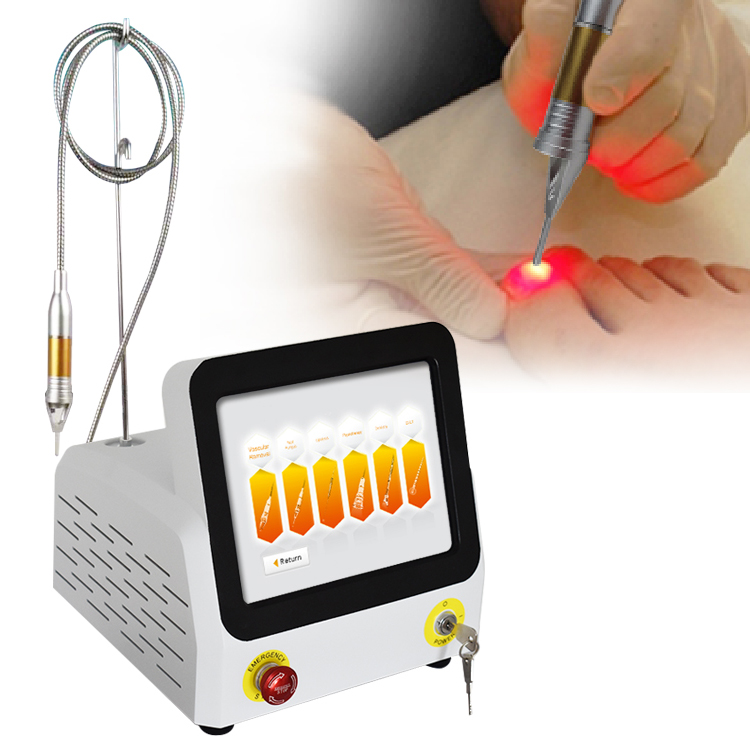
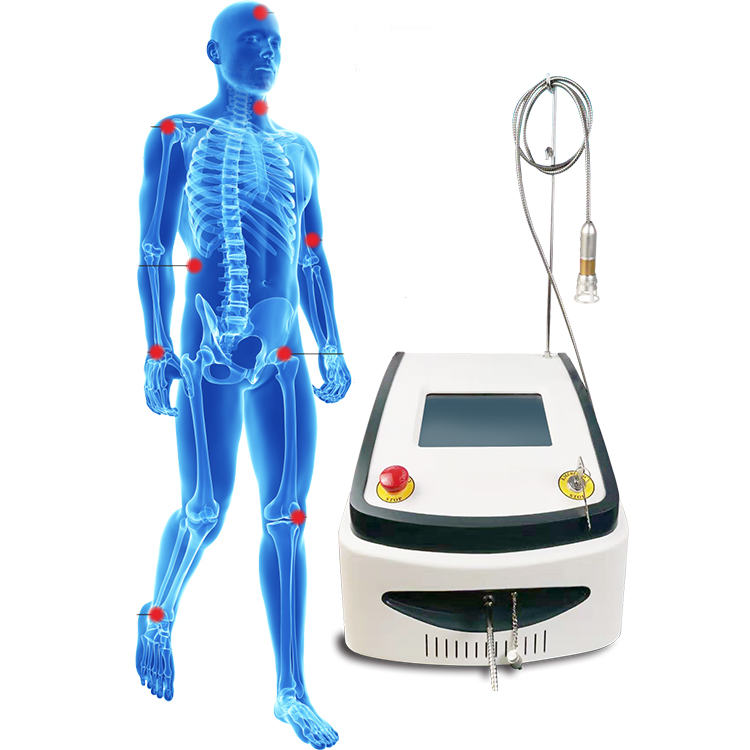
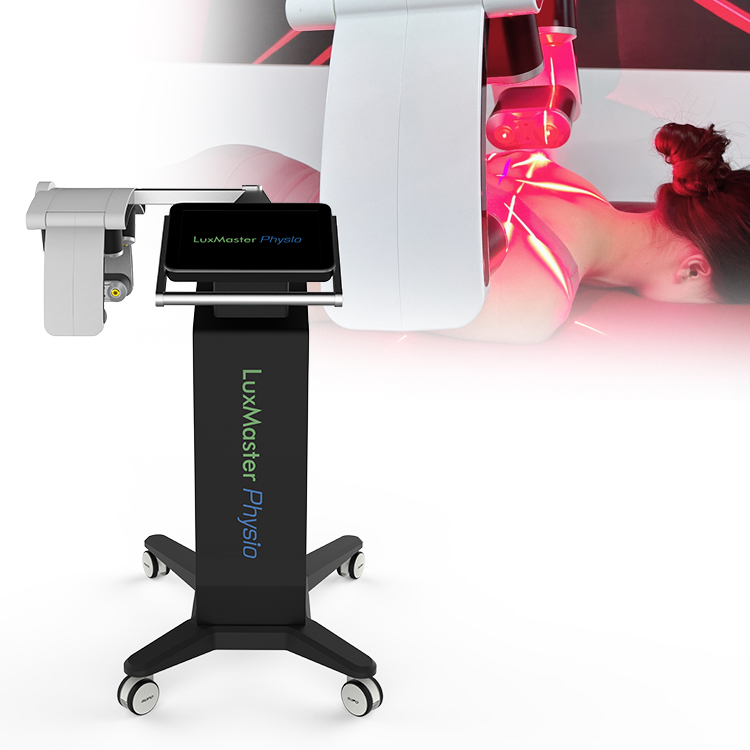

Portable Diode Laser Hair Removal Machine Dominates Pioneers in the Field
Top Selling Products



- Related Blog
- Reviews
