

Non Vacuum Cryolipolysis for OEM Companies | Global Solutions
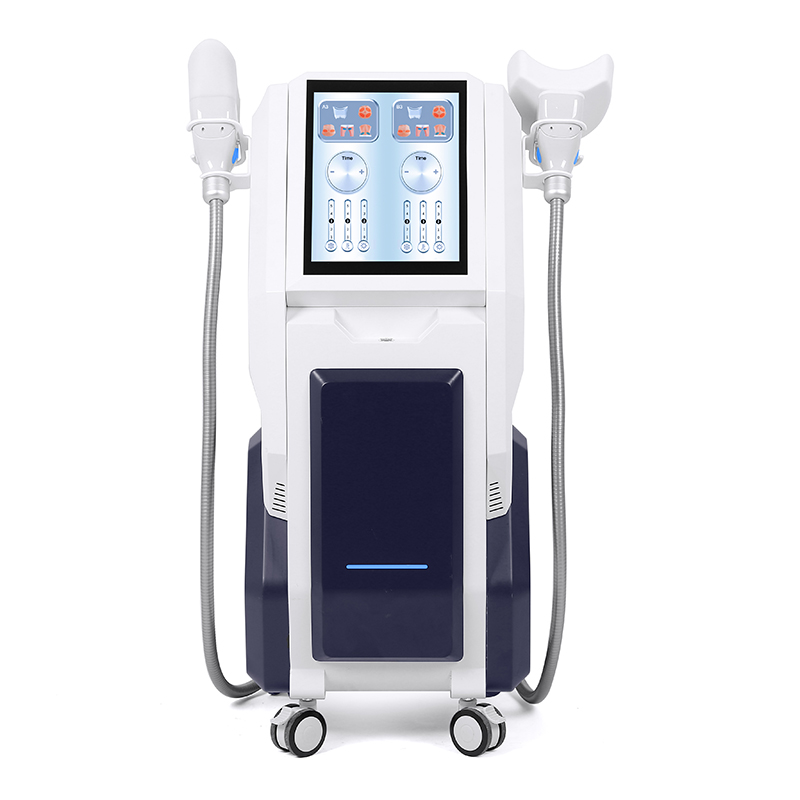
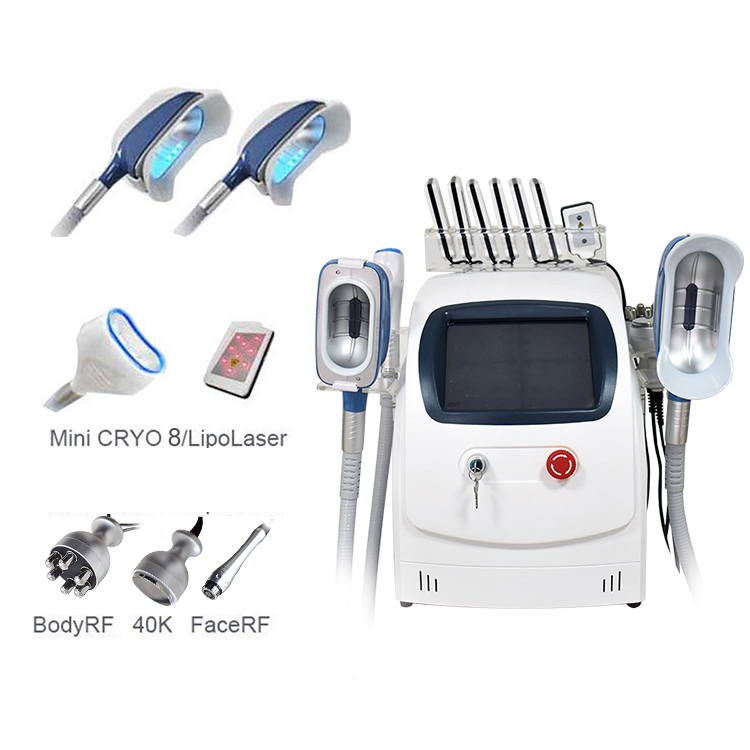
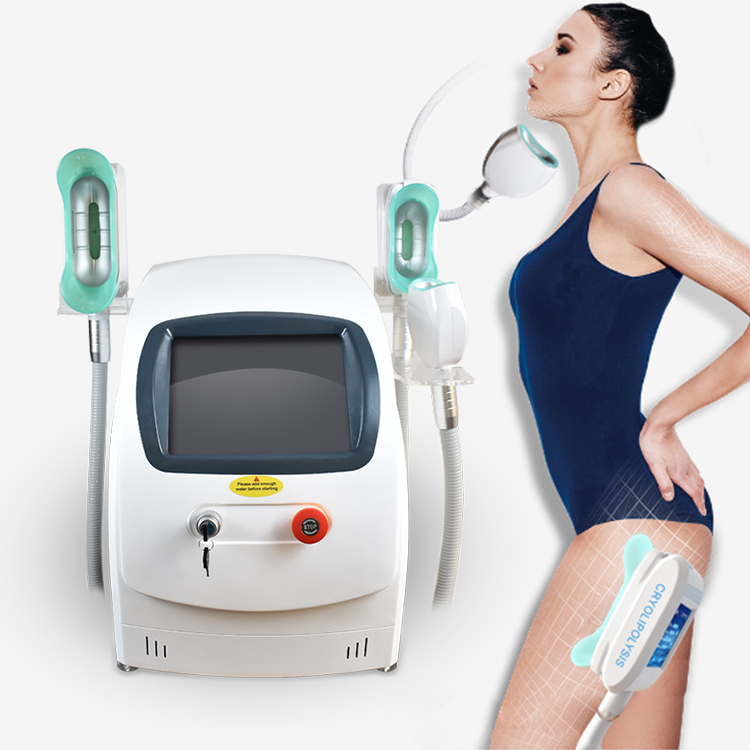
I am excited to offer a Non Vacuum Cryolipolysis system tailored for OEM collaborations and growing Companies. This device delivers precise fat reduction through controlled cooling without suction, making it safer and more comfortable for clients. The design is OEM-friendly: compact, turnkey, and easy to private-label with your branding, manuals, and service support. You will appreciate the modular handpieces, adjustable cooling profiles, and smart safety features that prevent overcooling. In practice, clinics can deploy in various body zones with reproducible results, while you control pricing, supply, and after-sales for your customer base. I’ve built this to help your business scale—lower maintenance, faster training, and higher customer satisfaction. If you scout for a reliable, regulation-friendly solution to expand your product line, this is a strong fit for OEM, and Companies seeking a differentiator in non-invasive aesthetics.



Non Vacuum Cryolipolysis Custom Solutions, From Concept to Delivery
Global buyers are increasingly seeking non-vacuum cryolipolysis solutions that combine precise cooling, patient comfort, and scalable customization. From concept to delivery, a successful program starts with clear clinical requirements, a modular design, and rigorous feasibility testing. By prioritizing ergonomic applicators, tunable cooling profiles, and robust safety features, we can tailor a system to different regulatory environments and clinic workflows while maintaining a compact footprint and reliable performance. The non-vacuum approach also offers simpler maintenance and faster service in multi-site deployments. From feasibility to market launch, the journey includes discovery, design, regulatory strategy, validation, and manufacturing readiness. Early risk assessment and a quality-centric approach shorten timelines and protect investments. A global supply chain ensures component availability, scalable production, and dependable lead times. Post-market support, remote monitoring, firmware updates, and targeted training complete the turnkey package, delivering consistent regional results. By pairing engineering rigor with pragmatic project management, buyers can accelerate global rollout with confidence and lasting value.
{ Non Vacuum Cryolipolysis Custom Solutions, From Concept to Delivery}
| Dimension | Description | Unit | Typical Value (Range) | Data Source | Notes |
|---|---|---|---|---|---|
| Concept to Delivery Cycle | Duration from initial concept to final delivery readiness | Weeks | 10-14 | Integrated project timeline | Realistic development window |
| Requirements Capture | Stakeholder requirements convergence and priorization | Sessions | 6-8 | Stakeholder interviews | Cross-functional involvement |
| Prototyping Iterations | Number of design/build cycles for concept refinement | Iterations | 5-7 | Iteration log | Each iteration includes risk assessment |
| Cooling Protocol Temperature | Target operating temperature range for the non-vacuum protocol | Celsius | -6 to -8 | Protocol development records | Safety margins considered |
| Cycle Duration per Treatment | Cooling cycle duration for a standard treatment | Minutes | 20-30 | Experimental data | Within patient comfort window |
| Treatment Area Coverage | Percent of intended anatomical areas covered per session | Percent | 70-90 | Treatment planning software | Supports customization options |
| Contact Surface Area | Size of the cooling applicator contact area | cm^2 | 120-420 | Applicator specs | Different shapes for customization |
| Power Profile | Energy consumption per cycle | Watts | 1500-1800 | Electrical test data | Peak draw under 2 kW |
| Validation Pass Rate | Proportion of validation tests passing | Percent | 97-99 | QA test reports | Key quality metric |
| Regulatory Documentation | Pages of design dossier required for approvals | Pages | 80-120 | Regulatory planning | Region-dependent content |
| Manufacturing Lead Time | Time to produce the first pilot batch | Weeks | 6-10 | Manufacturing plan | Supplier coordination included |
| Delivery Lead Time to Clinic | Time from final QA to clinic delivery | Weeks | 2-5 | Logistics plan | Potential regional delays considered |
Related Products
Non Vacuum Cryolipolysis Industry Giant Factory-Direct Excellence
Top Selling Products


- Related Blog
- Reviews
