
3 Wavelength Diode Laser Hair Removal with CE Certification | Products
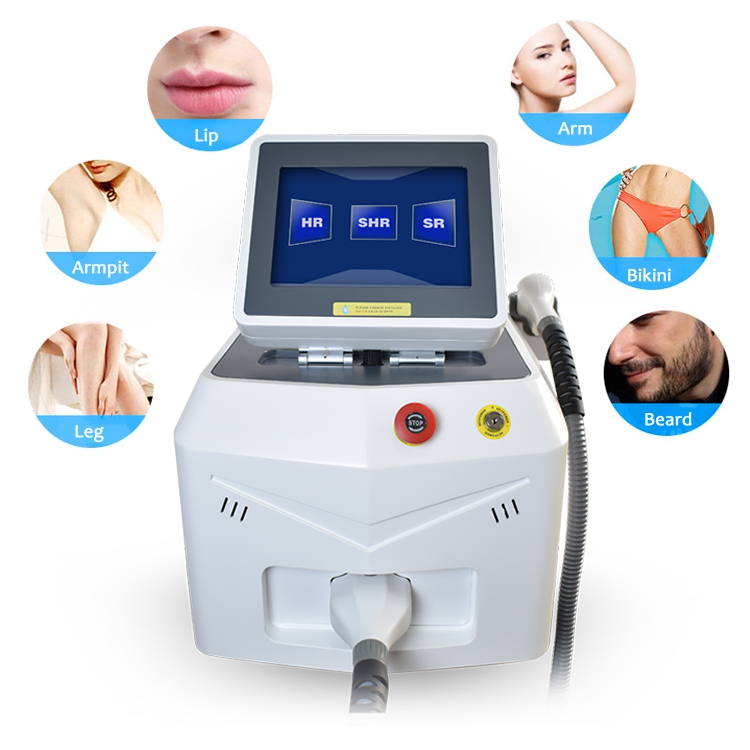
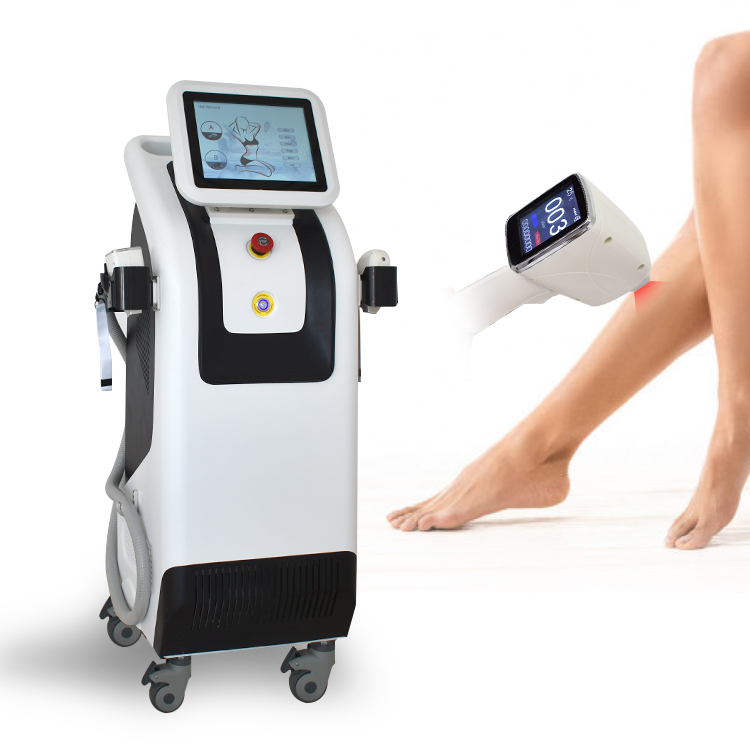
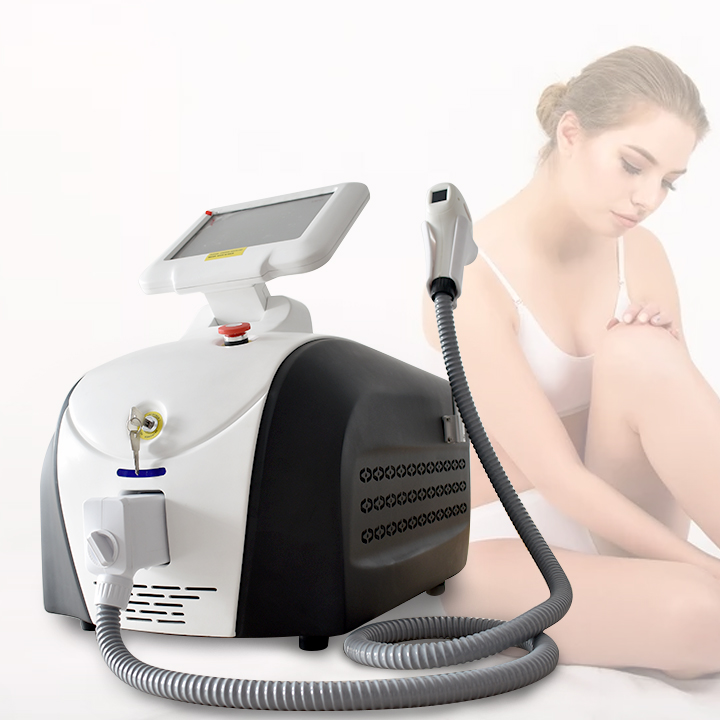
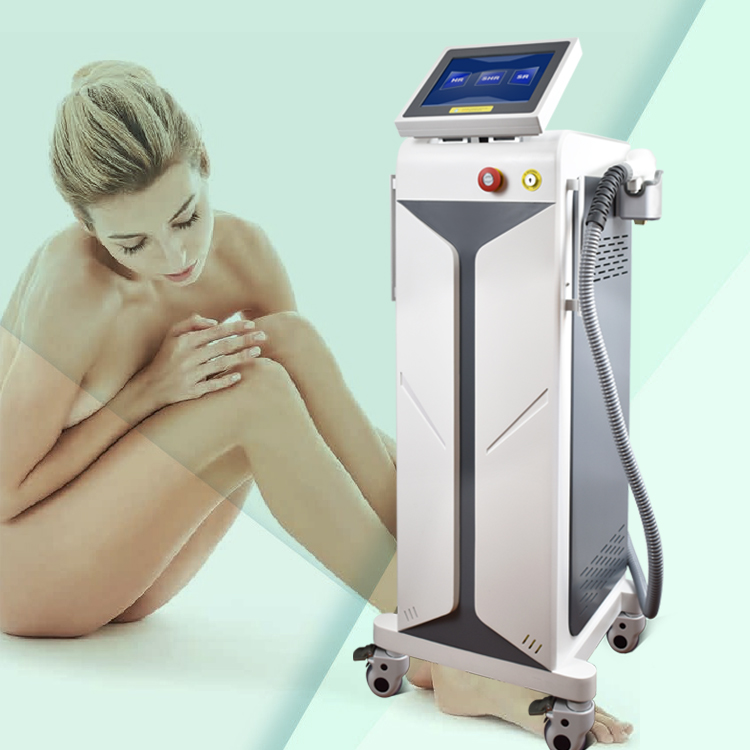
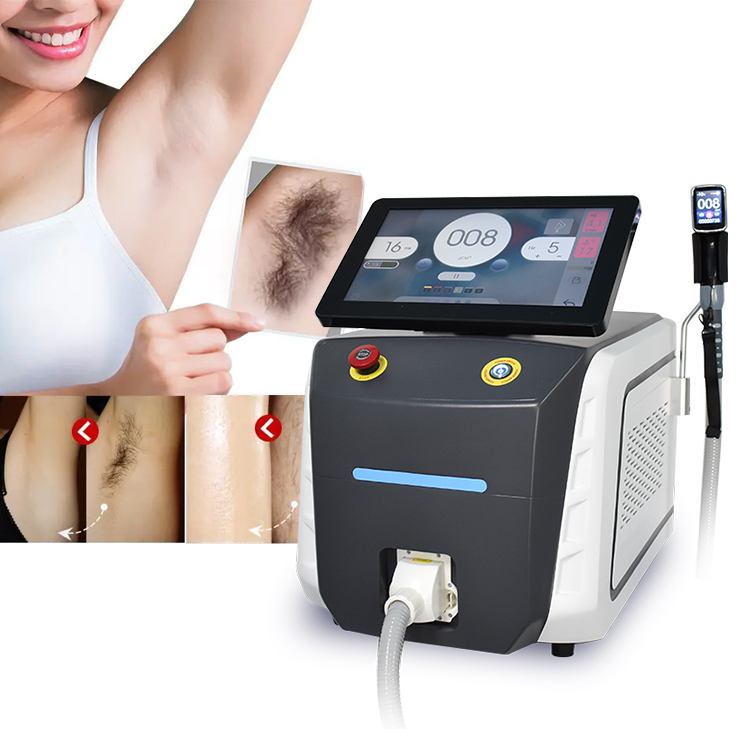
Most buyers like efficient, safe, and cost-effective equipment, and that's what I deliver with our 3 Wavelength Diode Laser Hair Removal system. As a trusted supplier, I designed this to cover diverse skin tones and hair types with true multi-wavelength capability. With 3 wavelengths, you can target melanin with precision while protecting surrounding tissue, delivering consistent results for clinics and spas. Our CE Certification ensures you meet regulatory safety standards, reducing risk and speeding your certification trials. The unit integrates intuitive controls, built-in cooling, and scalable handpieces to match your growing portfolio of Products. Training and after-sales support are included to keep your team confident. If you’re expanding your aesthetic devices lineup, this system blends performance, reliability, and ROI—backed by service you can count on and a flexible financing plan to fit your budget.

3 Wavelength Diode Laser Hair Removal Industry Leaders Leads the Global Market
Global buyers pursuing three-wavelength diode laser hair removal systems enter a market led by firms that fuse wavelength versatility with reliability. A platform spanning 755, 808 and 1064 nm enables effective hair reduction across diverse skin types, shorter sessions, and safer peri-follicular outcomes. Market leaders prioritize robust cooling, real-time energy monitoring, and modular optics to sustain performance in busy clinics. Key criteria include stability, regulatory compliance, and transparent component traceability. Purchasers should evaluate total cost of ownership, service breadth, and genuine parts availability. Demand qualification data (ISO 13485, IEC 60601), clinical validation, and multilingual training. Strong suppliers offer scalable upgrade paths (adding wavelengths, handpieces, or software), rigorous QA records, and resilient supply chains that minimize downtime, helping clinics grow with market demand while meeting regional regulations.
{ 3 Wavelength Diode Laser Hair Removal Industry Leaders Leads the Global Market}
| Dimension | Unit | Estimated Value | Notes |
|---|---|---|---|
| Wavelength options commonly used in leading 3-wavelength diode laser systems | nm | 755 nm; 808 nm; 1064 nm | Core tri-wavelength combination to target melanin and deeper follicles |
| Global market share by wavelength (estimated 2023–2025) | % | 808 nm: 42–48%; 755 nm: 20–28%; 1064 nm: 6–12% | Represents typical adoption across multi-wavelength platforms |
| Pulse duration | ms | 5–50 | Short pulses for superficial hair; longer pulses for deeper follicles |
| Maximum pulse energy | J | 10–60 | System- and skin type-dependent ranges |
| Spot size | mm | 6–20 | Larger spots reduce treatment time |
| Treatment time per session | minutes | 15–60 | Based on area and device speed |
| Patient pain score (0–10) | N/A | 2–5 | Generally manageable with cooling |
| Adverse events per 10k treatments | cases | 0–6 | Typically transient erythema or mild swelling |
| Regulatory approvals | Regions | FDA (North America); CE (EU); PMDA (Japan) | Major market access in leading regions |
| Market CAGR (2023–2028) | % | 7–12 | Based on industry analyses |
| Installed base (multi-wavelength diode devices) | Units (thousand) | 120–180 | Global installed base in clinics and med spas |
| Maintenance downtime per device per year | hours | 4–12 | Includes routine service and part replacements |
Related Products



3 Wavelength Diode Laser Hair Removal Leads the Global Market Your End-to-End Solution
Top Selling Products


- Related Blog
- Reviews
