
Laser PLDD (Percutaneous Laser Disc Decompression) is a minimally invasive outpatient procedure that uses a laser to vaporize part of a herniated disc’s nucleus, reducing internal pressure, shrinking the bulge, and relieving nerve compression causing back/leg pain, offering an alternative to traditional surgery by creating a small hole to decompress the disc. It’s performed under X-ray guidance, requiring only a small needle insertion, with high success rates for specific types of contained disc herniations.
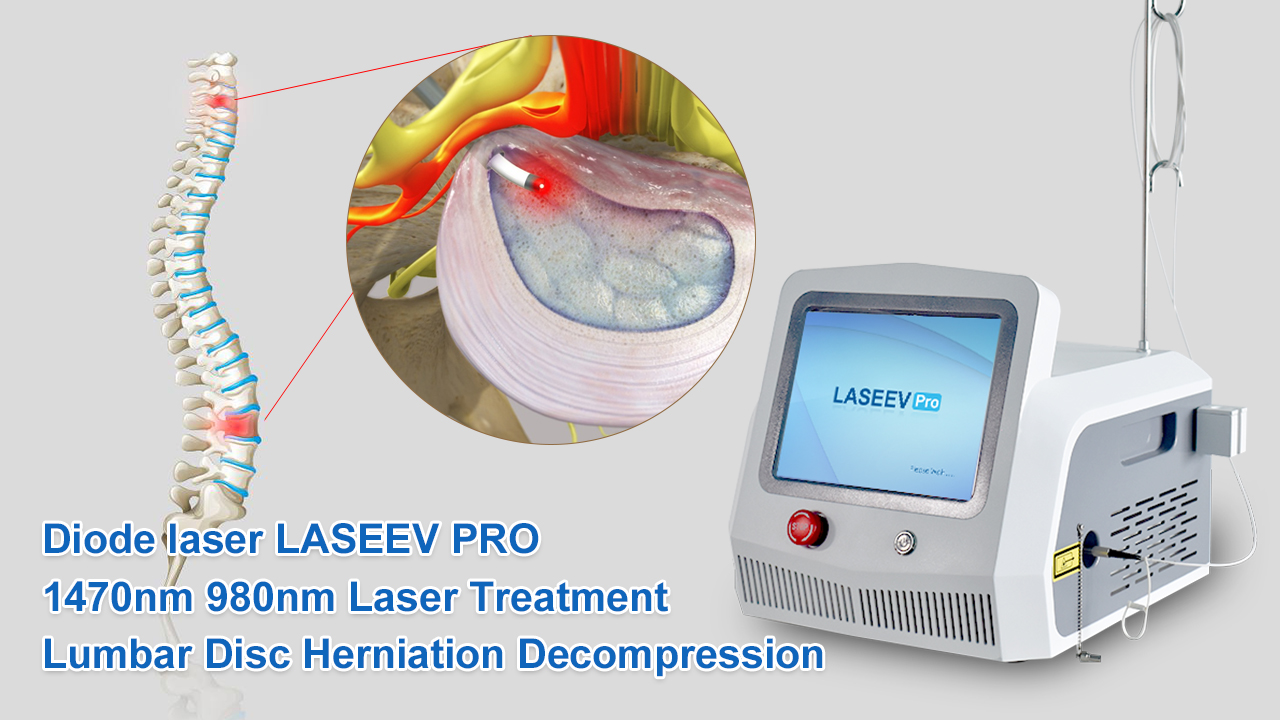
How it Works
Target: Aims to treat symptomatic herniated discs, especially bulging ones.
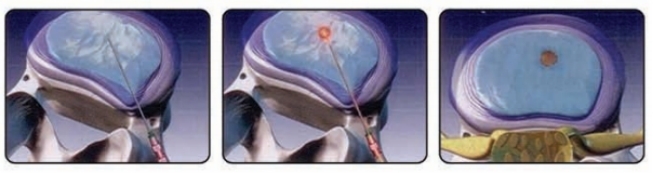
Process: A thin laser fiber is guided by X-ray (fluoroscopy/CT) into the affected disc.
Action: The laser energy vaporizes excess disc material (nucleus pulposus).
Result: Reduces disc volume and pressure, decompressing nerves and alleviating pain.
Advantages:
Alternative to Surgery: Less invasive than open surgery, with lower risks of complications like scarring or recurrence.
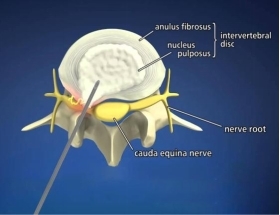
Effective for Contained Herniations: Works best when the disc’s outer layer (annulus fibrosus) is intact.
Not for All Disc Problems: May not be suitable for severely collapsed or worn-out discs.
Recovery: Shorter recovery time than traditional surgery.
Post time: Dec-25-2025