

OEM Diode Laser Portable Hair Removal Machine for Companies
As a hands-on supplier, I bring the Diode Laser Portable Hair Removal Machine to OEM partners and Companies seeking scalable, clinic-grade laser solutions. This compact device uses diode technology for fast, long-lasting hair reduction with minimal downtime. It’s designed for easy handheld use, with adjustable fluence, pulse duration, and a cooling system to protect skin and improve comfort. Its portable form fits mobile clinics and salon suites, while providing consistent results across all skin tones when used by trained operators. I offer flexible OEM options—private labeling, customized UI, packaging, and firmware tweaks—to align with your brand and workflow. Components are reliable for high-volume deployments, backed by responsive service and documentation. If you’re evaluating a reliable, portable diode laser system for your company, I’m ready to discuss scale, compliance, and support.
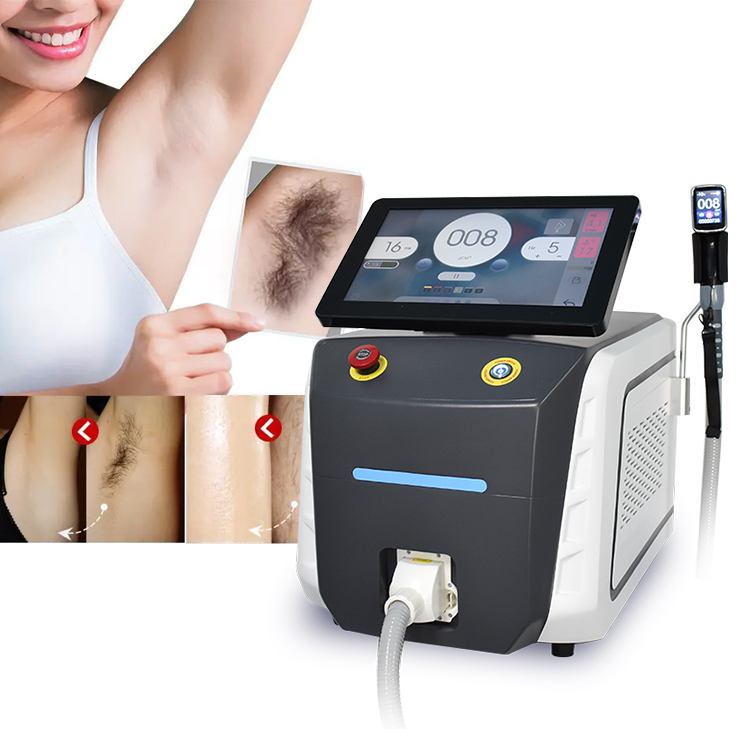
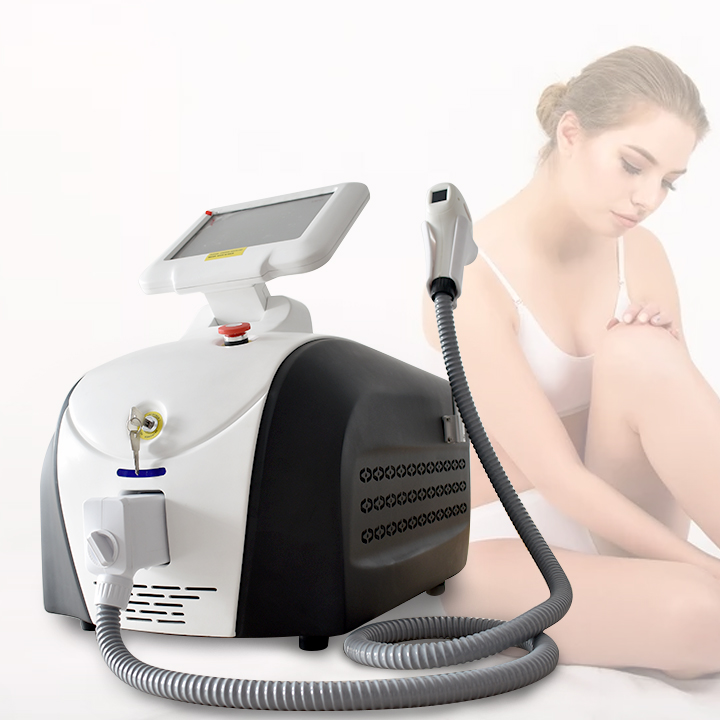
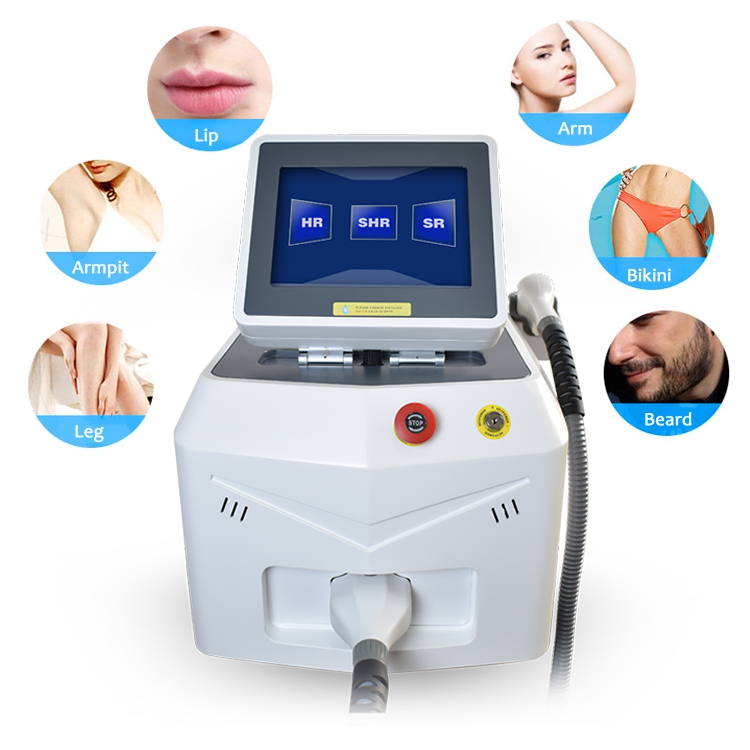
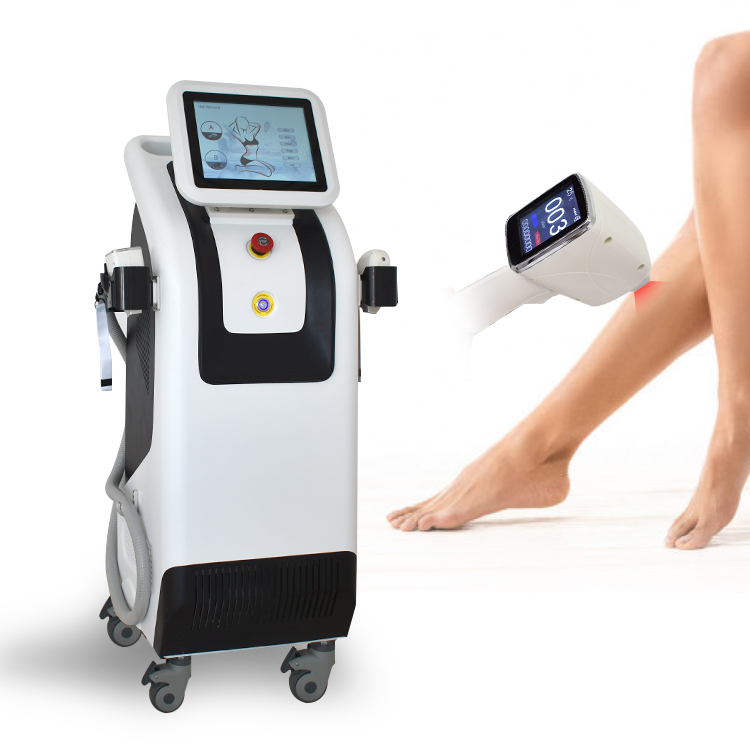

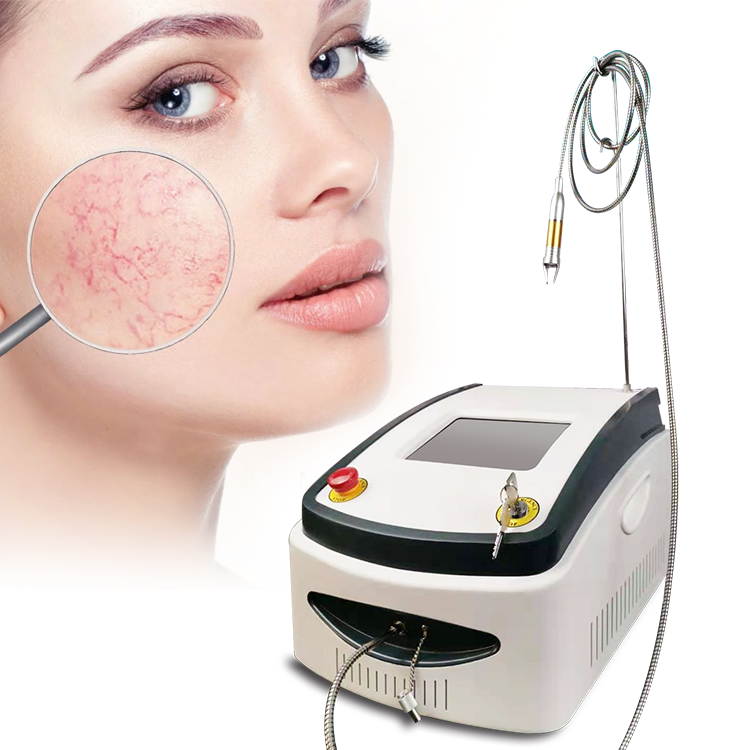
Diode Laser Portable Hair Removal Machine Dominates Service Backed by Expertise
The diode laser portable hair removal machine has emerged as a leading choice for clinics and mobile practitioners, offering a compact form factor without compromising efficacy. Its strength comes from a balanced combination of reliable laser performance and a service model built on expertise—covering installation, operator training, remote diagnostics, and timely spare parts. For global buyers, this means consistent results across diverse markets and patient profiles, supported by adherence to international safety standards and stringent quality controls. When sourcing, procurement teams should look beyond device specs to the full service ecosystem: stable supply, predictable lead times, scalable quantities, multi-language technical support, and comprehensive operator training. A strong service backbone reduces downtime, improves return on investment, and simplifies regulatory documentation. Favorable terms often include modular designs, interchangeable handpieces, and clear service level agreements with authorized technicians, which together deliver lower total cost of ownership and reliable patient care worldwide.
| Model | Wavelength (nm) | Pulse Duration (ms) | Spot Size (mm) | Repetition Rate (Hz) | Cooling Method | Energy Density (J/cm2) | Treatments per Minute | Suitable Skin Types | Certifications | Warranty (months) | Maintenance Interval (months) | Service & Support |
|---|---|---|---|---|---|---|---|---|---|---|---|---|
| DL-808A-EX | 808 | 10 | 12 | 3 | Dynamic Cryo + Contact | 18 | 60 | I-IV | CE, FDA 510(k) | 24 | 6 | Remote diagnostics; On-site 24-48h |
| DL-810A-Compact | 810 | 12 | 12 | 2 | Cryo | 16 | 50 | I-IV | CE | 24 | 6 | Remote + Local (72h) |
| DL-808C-Plus | 808 | 20 | 14 | 1 | Dynamic Cryo | 22 | 40 | I-III | CE, IEC | 24 | 6 | Remote diagnostics; On-site 48h |
| DL-755P-Field | 755 | 15 | 10 | 3 | Contact + Ice | 16 | 55 | I-IV | CE | 18 | 6 | Remote & Local Support |
| DL-804F-Lite | 804 | 8 | 12 | 4 | Dynamic + Air | 14 | 70 | I-III | CE | 12 | 12 | Remote Diagnostics |
| DL-808A-Pro | 808 | 6 | 12 | 6 | Cryo + Peltier | 20 | 80 | I-IV | CE, ISO 13485 | 36 | 6 | Priority on-site within 24h |
| DL-810S-Ultra | 810 | 9 | 14 | 2 | Vacuum + Cryo | 19 | 58 | II-IV | CE | 24 | 6 | Remote + Field support |
Related Products
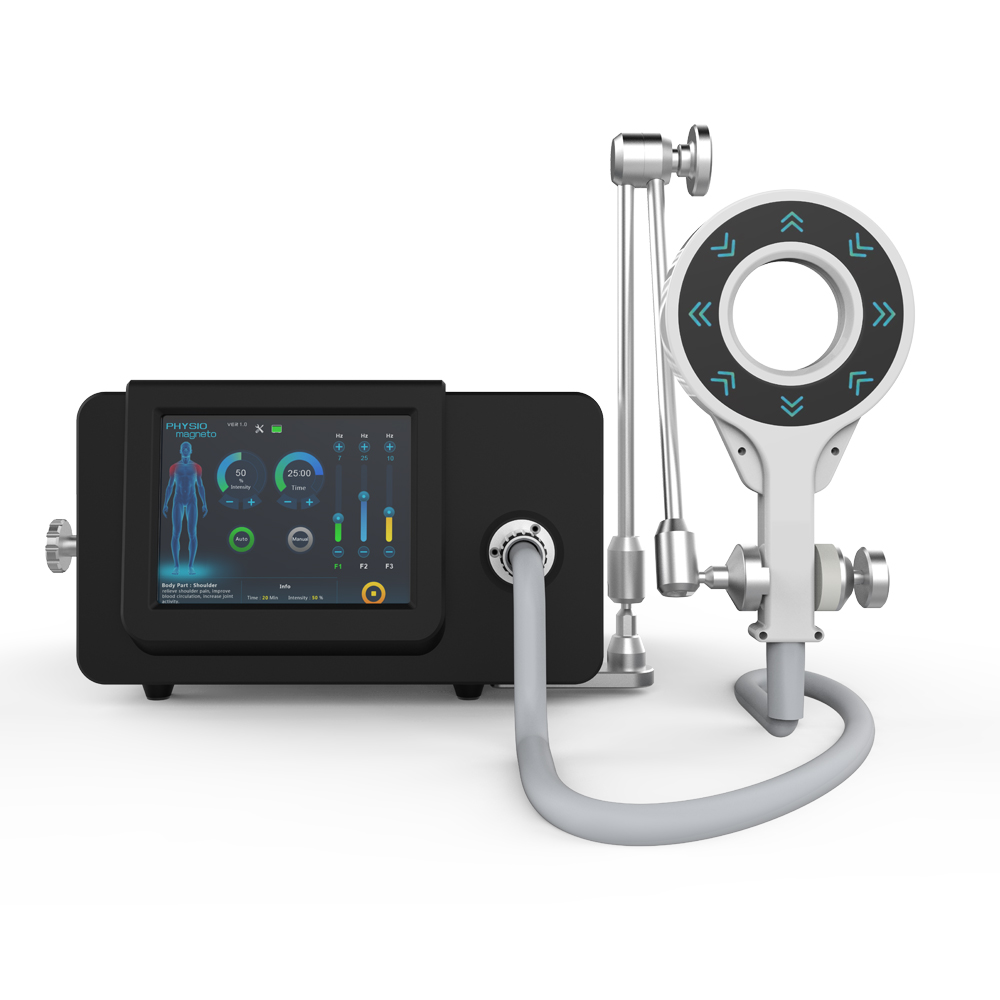

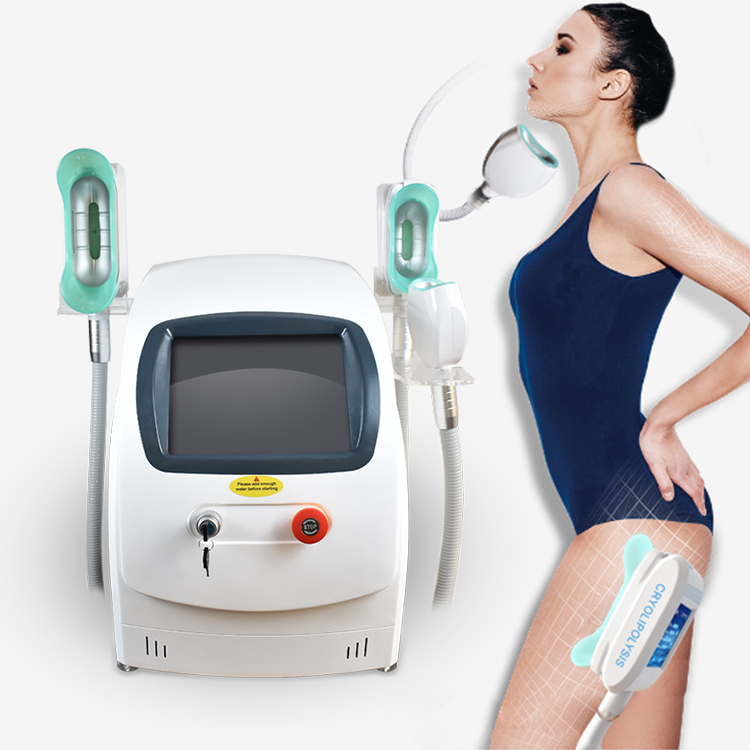

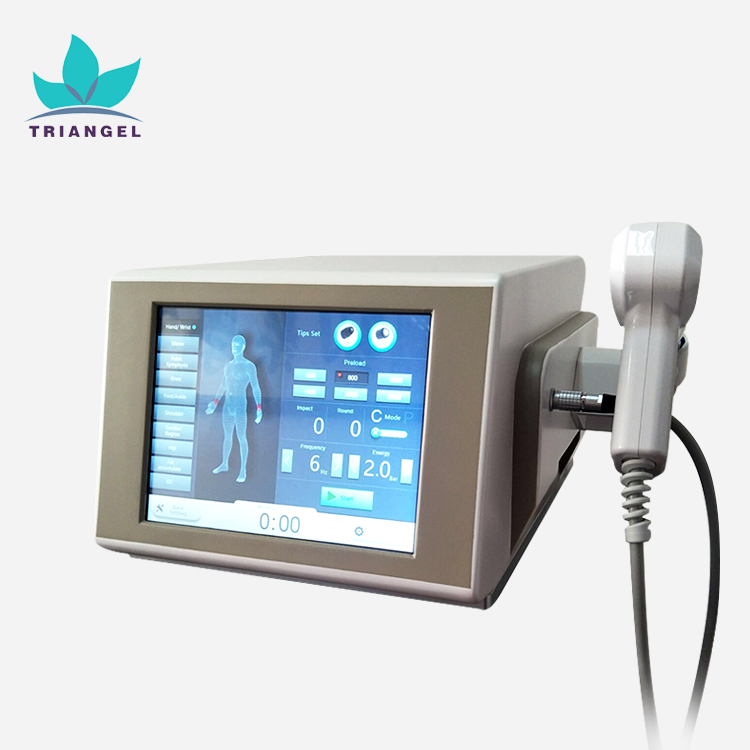

Diode Laser Portable Hair Removal Machine Service Where Service Meets Innovation
Top Selling Products

- Related Blog
- Reviews
