

Cryolipolysis Liner - High-Quality Company for Safe Body Contouring
I know clinics and cosmetic surgery centers are chasing reliable, hygienic solutions for fat-freezing treatments. Our Cryolipolysis Liner delivers a high-quality barrier between skin and device, protecting patients and extending equipment life. Made from medical-grade, latex-free polymer, it's sweat-resistant, snug-fitting, and easy to insert with minimal training. The liner reduces cross-contamination, simplifies post-treatment cleanup, and speeds up patient turnover—perfect for a busy Company scaling operations. Each liner is sterilely packaged and designed for compatibility with leading cryolipolysis systems. In bulk, it reduces waste and lowers cost per procedure while keeping safety top-of-mind. If you aim for higher patient comfort and consistent results, this high-quality Cryolipolysis Liner is a smart fit. I invite you to contact us for samples, pricing, and lead times.

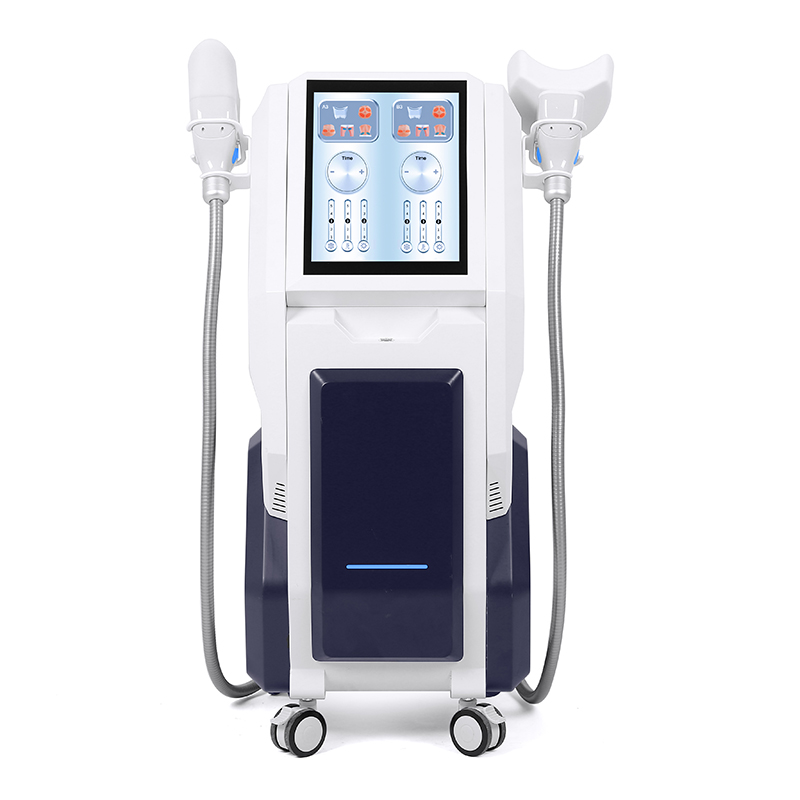

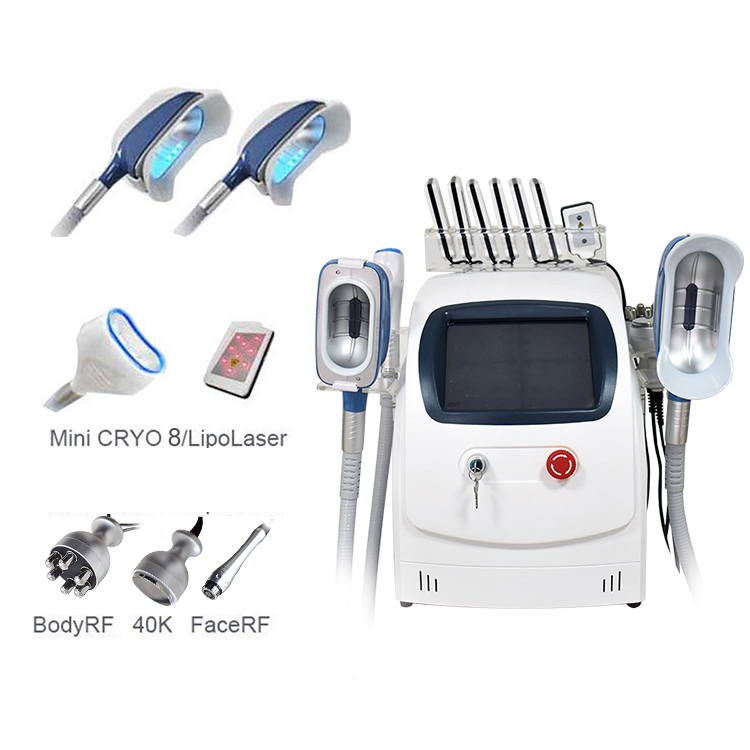
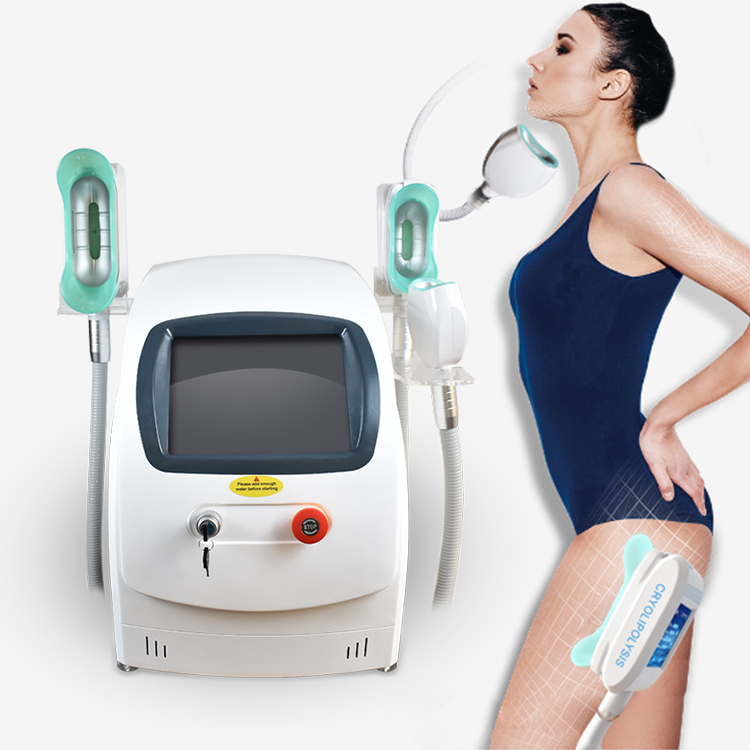

Cryolipolysis Liner Factory in 2025
As the global aesthetic market accelerates in 2025, cryolipolysis liner manufacturing is shifting toward higher automation, tighter quality controls, and traceable supply chains. Modern liner systems require biocompatible polymers, sterile single-use components, and reliable thermal insulation to protect applicators and patient safety. A leading factory in this space combines ISO-regulated production lines with GMP-compliant cleanliness, cleanroom handling, and end-to-end QC—from raw material qualification to finished-liner packaging. Buyers worldwide seek consistent batch-to-batch performance, clear documentation, and scalable capacity to match fluctuating demand across clinics, medispa networks, and OEM partnerships. Key differentiators for 2025 include flexible MOQs, rapid prototyping for custom cavity shapes, and transparent lead times supported by automation and domestic sourcing. Sustainable practices, risk management, and after-sales support ensure uninterrupted service for international procurement. As regional regulations evolve, collaborative engineering and pre-compliance testing help shorten time-to-market for new devices. For global buyers, partnering with a trusted liner supplier means not only quality and price, but a resilient supply chain that aligns with medical device standards and international logistics realities.
| Month | Planned Capacity (k units) | Actual Production (k units) | Defect Rate (%) | Yield (%) | Rework Hours | Cycle Time (min) | Energy Consumption (MWh) | Labor Hours | Downtime (%) | OEE (%) |
|---|---|---|---|---|---|---|---|---|---|---|
| Jan | 14.5 | 12.4 | 0.9 | 99.1 | 74 | 4.5 | 315 | 4500 | 3.2 | 79 |
| Feb | 14.3 | 12.8 | 0.8 | 99.2 | 68 | 4.4 | 320 | 4550 | 3.0 | 80 |
| Mar | 14.7 | 13.1 | 1.1 | 98.9 | 82 | 4.6 | 330 | 4600 | 3.8 | 77 |
| Apr | 14.8 | 12.9 | 1.0 | 99.0 | 75 | 4.5 | 325 | 4580 | 3.4 | 78 |
| May | 14.6 | 13.5 | 0.9 | 99.1 | 70 | 4.4 | 335 | 4670 | 2.9 | 81 |
| Jun | 14.4 | 13.2 | 1.3 | 98.7 | 90 | 4.5 | 340 | 4700 | 3.6 | 75 |
| Jul | 14.2 | 13.6 | 0.7 | 99.3 | 60 | 4.3 | 342 | 4750 | 2.8 | 83 |
| Aug | 14.8 | 14.0 | 0.8 | 99.2 | 66 | 4.4 | 354 | 4820 | 3.1 | 82 |
| Sep | 14.5 | 13.9 | 0.9 | 99.1 | 72 | 4.5 | 360 | 4900 | 2.7 | 84 |
| Oct | 14.7 | 13.7 | 1.0 | 99.0 | 78 | 4.6 | 375 | 4980 | 3.3 | 79 |
| Nov | 14.9 | 13.8 | 0.8 | 99.2 | 65 | 4.4 | 380 | 5050 | 2.5 | 85 |
| Dec | 15.0 | 13.9 | 0.7 | 99.3 | 58 | 4.3 | 390 | 5100 | 2.6 | 86 |
Related Products
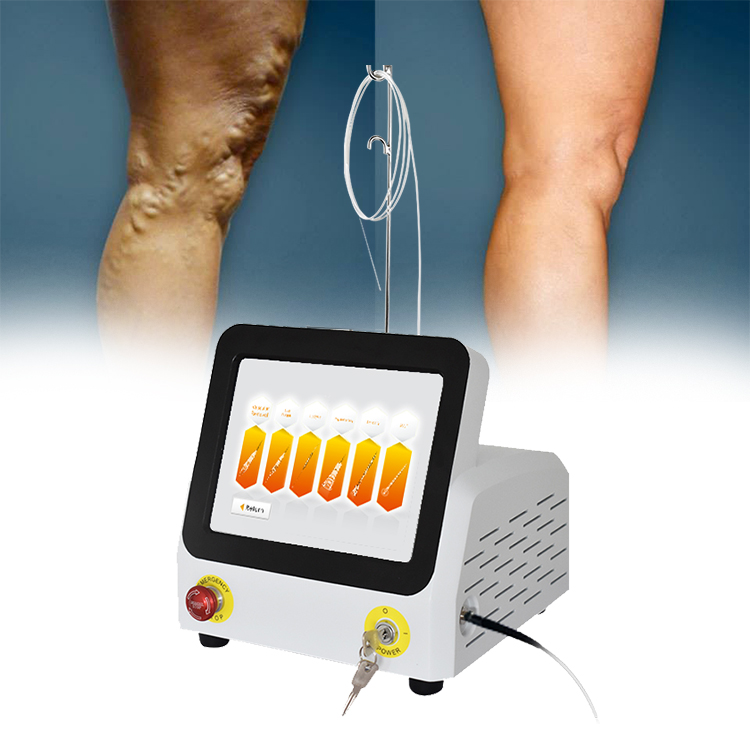




Cryolipolysis Liner Dominates in 2025
Top Selling Products



- Related Blog
- Reviews
