

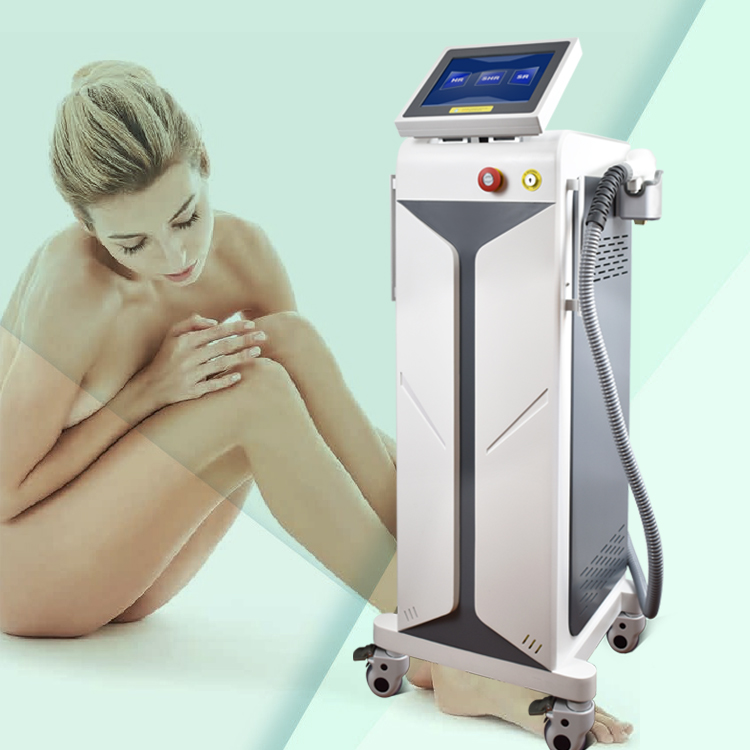
Laser Hair Removal Machine Diode Pro Lux ODM Product for Clinic
I’m excited to share the Laser Hair Removal Machine Diode Pro Lux with you. Built for busy clinics and medical spas, it pairs a high-energy diode system with precise cooling for safe, fast results. With large spot size, predictable pulse control, and adjustable fluence, it handles diverse skin tones and hair types. I designed it with ODM flexibility and a true Product mindset: OEM-ready software, modular interfaces, and scalable hardware so you can brand it your own way. Our service includes training, spare parts, and responsive support to minimize downtime. The diode technology delivers consistent performance, low maintenance, and long service life. If you need a turnkey solution or a customized product line, I can tailor this platform to meet regulatory and market needs. Let’s discuss your target segment, volume, and after-sales plan to maximize return on investment.
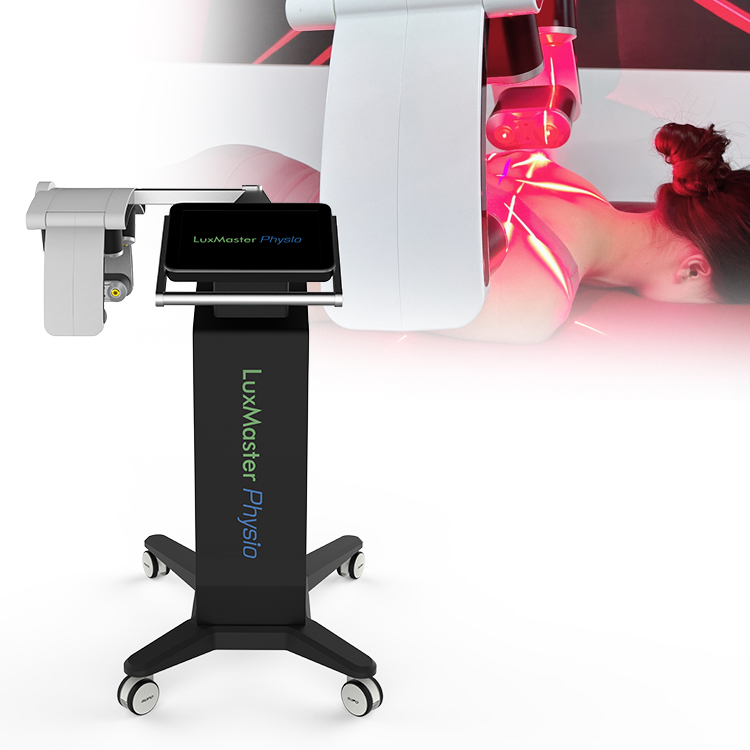
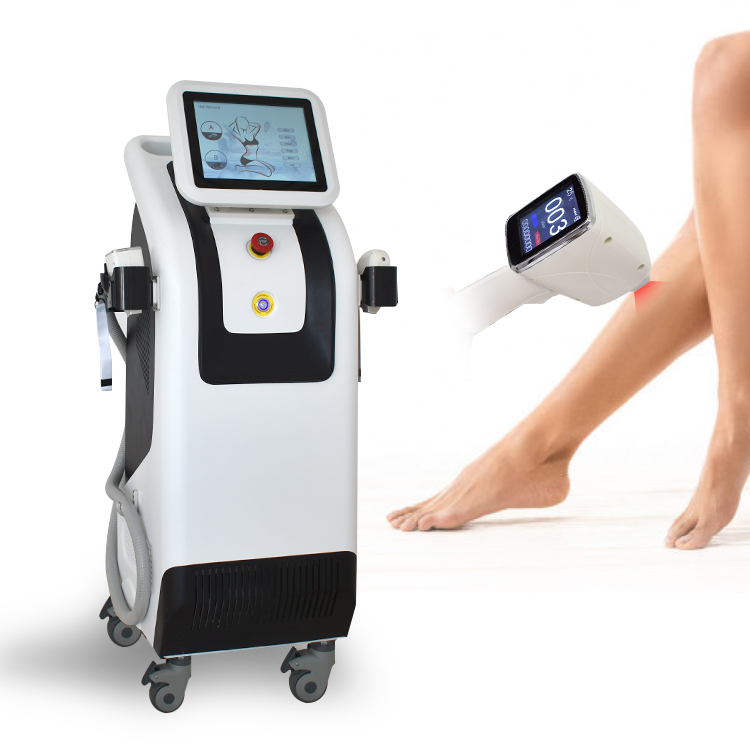
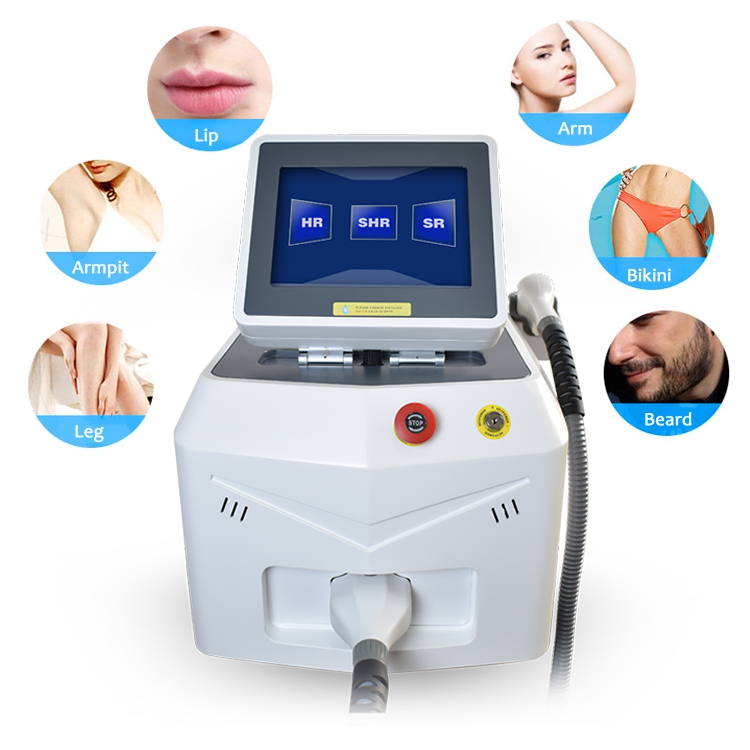

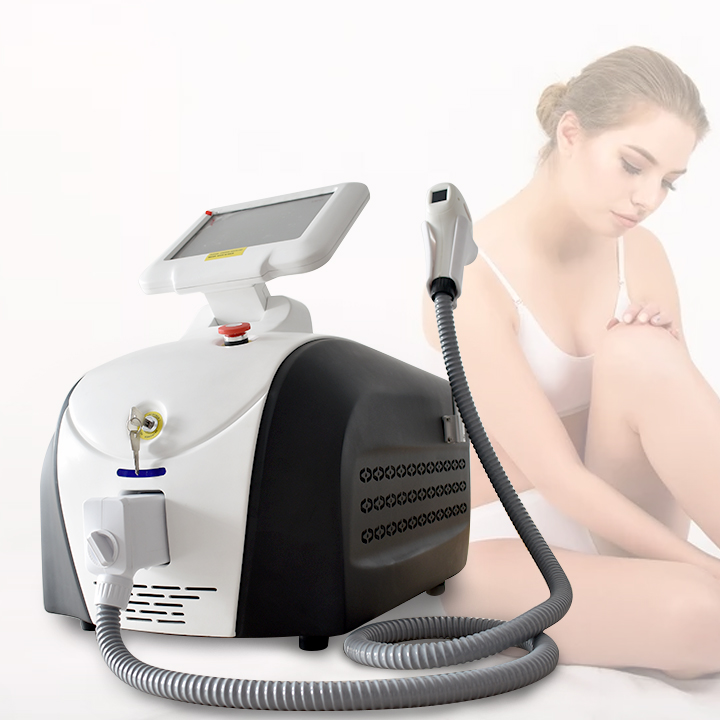
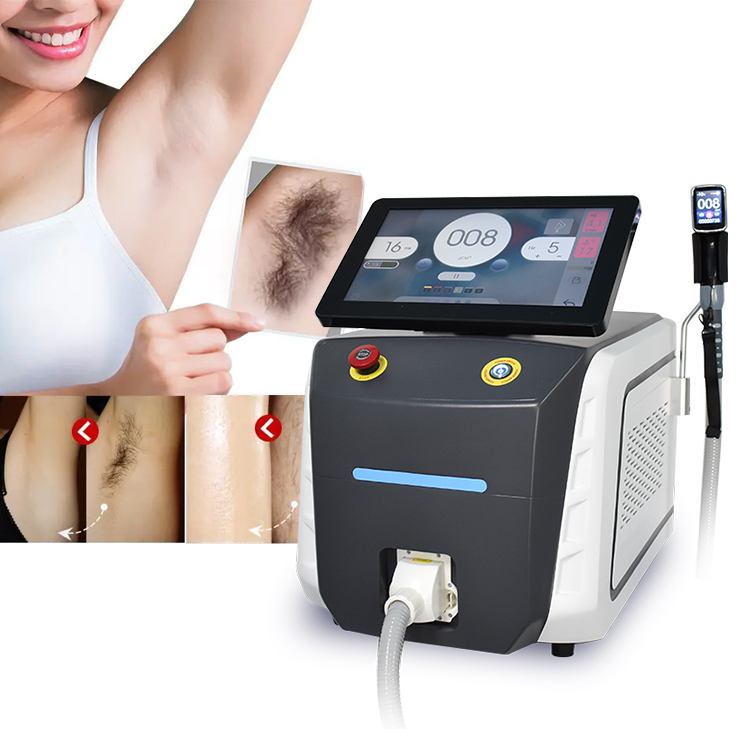
Laser Hair Removal Machine Diode Pro Lux Now Trending More Than a Supplier - A Partner
Global buyers seek a diode-based laser hair removal system that blends proven efficacy with reliability and ease of use. The platform delivers fast treatment times, broad skin-type coverage, and precise cooling to protect the skin while maximizing results. With modular handpieces, intuitive workflows, and strong safety features, clinics can expand services and throughput without compromising patient comfort or outcomes. From a procurement view, true partnership means more than equipment. It requires rigorous quality management, clear regulatory certifications, responsive service networks, and ready spare parts. Flexible lead times, transparent fulfillment, and scalable configurations help global teams manage sourcing across regions. Combined training, remote diagnostics, and warranty options reduce downtime. By aligning engineering excellence with dependable after-sales support, buyers gain a resilient platform that supports compliance and sustainable growth in diverse markets.
Laser Hair Removal Machine Diode Pro Lux Now Trending More Than a Supplier - A Partner
| Dimension | Description | Typical Value | Notes |
|---|---|---|---|
| Wavelength (nm) | Standard diode laser wavelength used for hair removal | 810 | Commonly 800–810 nm for melanin targeting |
| Pulse duration (ms) | Range of pulse durations for selective photothermolysis | 5–20 | Adjustable per skin/hair type |
| Fluence (J/cm2) | Energy delivered per unit area | 6–42 | Typical range; higher for coarser hair |
| Spot size (mm) | Size of laser spot per pulse | 12×18 | Larger spots cover more area |
| Repetition rate (Hz) | Pulse frequency per second | 1–10 | Faster sessions but requires safety control |
| Skin type coverage | Fitzpatrick skin types | I–VI | Wider range for diverse population |
| Cooling system | Dermal cooling mechanism | TEC + contact cooling | Minimizes discomfort and protects epidermis |
| Weight (kg) | Overall machine weight | 60–90 | Portable within a clinic setting |
| Power consumption (kW) | Electrical draw during operation | 0.8–1.2 | Depends on configuration and cooling |
| Treatment speed (cm2/min) | Coverage per minute | 12–30 | Higher speeds with larger area |
| Session duration (min) | Typical clinic session length per area | 15–45 | Depends on target area and protocol |
| Maintenance interval (months) | Service cadence | 12–18 | Includes calibration and safety checks |
| Warranty (months) | Period of manufacturer cover | 12–24 | Depending on plan and region |
Related Products




Laser Hair Removal Machine Diode Pro Lux Supplier Products
Top Selling Products

- Related Blog
- Reviews
