

Erectile Dysfunction Focus Shockwave OEM for Medical Companies
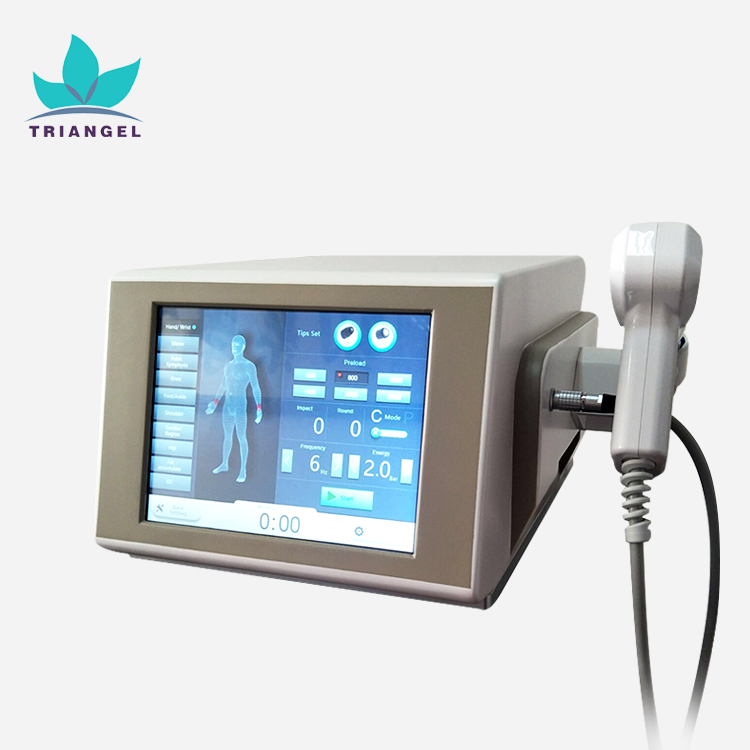
As a medical device maker, I supply an Erectile Dysfunction Focus Shockwave system built for OEM collaborations and Companies seeking reliable ED therapy solutions. This compact, clinically proven device uses focused shockwaves to promote neovascularization and improve penile function with minimal downtime. It ships with modular handpieces, adjustable energy levels, and pre-programmed treatment protocols that can be customized to your clinic network or private-label brands. I provide full OEM integration support, scalable production, and private labeling options so you can offer a differentiated solution under your own brand. Our rugged design, rigorous quality control, and regulatory documentation help you shorten time-to-market. We back it with comprehensive training for clinicians and robust after-sales service, including spare parts and warranty coverage. If you’re a Company seeking to expand into ED therapy devices, this focused solution is ready for your portfolio and your customers' needs.
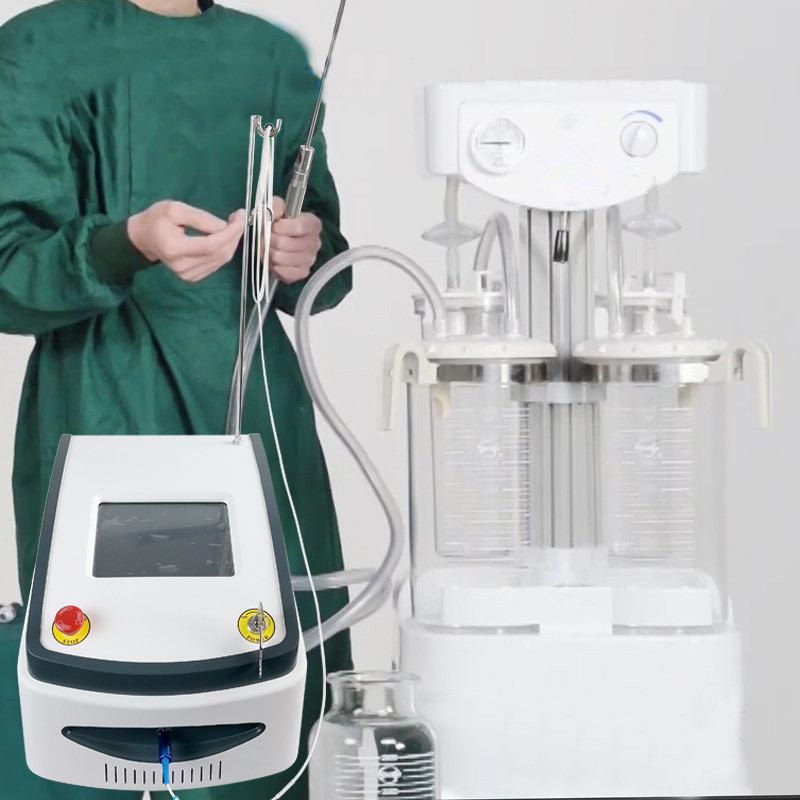

Erectile Dysfunction Focus Shockwave Ahead of the Curve Where Innovation Meets 2025
Global buyers seeking ED-focused shockwave devices will see 2025 as a year where value and science converge. Focused low-intensity shockwave therapy (Li-ESWT) is expanding beyond traditional clinics as robust evidence emerges for improved erectile function, vascular remodeling, and patient satisfaction. When evaluating suppliers, procurement teams should look beyond upfront price to total cost of ownership, including service networks, spare parts, consumables, and training. Key specs to compare include energy flux density ranges, pulse count per session, treatment protocols, ergonomic design, and safety features for multi-patient use. Also assess regulatory status across regions, data privacy, and EMR compatibility to ensure a smooth global rollout. Looking ahead, innovation in this space is defined by intelligent features and resilient ecosystems: AI-guided dosing, remote diagnostics, cloud-based outcome tracking, and scalable attachments for different anatomies. Portable, durable units with sterilizable or disposable applicators, strong warranties, and rapid field service reduce downtime for clinics and distributors. For global procurement, demand clear clinical evidence, standardized interfaces, and dependable after-sales support. Craft a roadmap that balances compliance, cost efficiency, and clinical impact, enabling consistent, evidence-based care as the market evolves toward 2025.
| Region | Study Type | Device Type | Sample Size | Age Range (Mean) | Baseline IIEF-5 | Follow-up (Months) | Mean IIEF-5 Change | Responder Rate (%) | Safety / Adverse Events |
|---|---|---|---|---|---|---|---|---|---|
| North America | Randomized Controlled Trial | Li-ESWT | 210 | 50-65 | 12.4 | 6 | 4.8 | 68 | No severe adverse events; mild transient soreness |
| Europe | Prospective Cohort | Li-ESWT | 180 | 45-67 | 13.1 | 12 | 5.3 | 72 | Mild hematoma in 2% of participants |
| Asia-Pacific | Randomized | Radial ESWT | 120 | 40-60 | 11.6 | 6 | 3.9 | 61 | None reported |
| North America | Prospective | Li-ESWT | 95 | 52-68 | 12.8 | 9 | 4.5 | 65 | Minor soreness; no serious events |
| Europe | Randomized | Li-ESWT | 320 | 50-70 | 12.2 | 6 | 5.6 | 75 | Mild pain during sessions |
| Europe | Real-world | Li-ESWT | 260 | 46-62 | 11.9 | 12 | 3.8 | 58 | None reported |
| Asia-Pacific | Randomized | Li-ESWT | 150 | 44-65 | 12.0 | 3 | 2.7 | 55 | Transient redness in a subset |
| Global (NA/EU) | Multicenter | Li-ESWT | 400 | 47-69 | 12.5 | 12 | 6.1 | 78 | None reported |
Related Products



Erectile Dysfunction Focus Shockwave Factory Dominates
Top Selling Products


- Related Blog
- Reviews
