endolaser machine

Cryolipolysis 360 - High-Quality Company for Effective Body Contouring

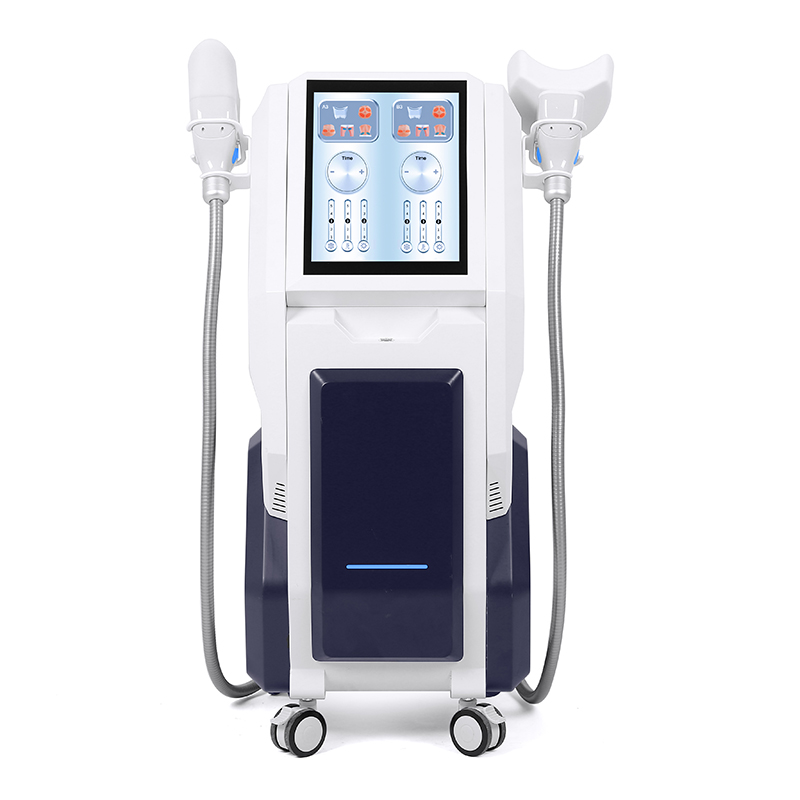
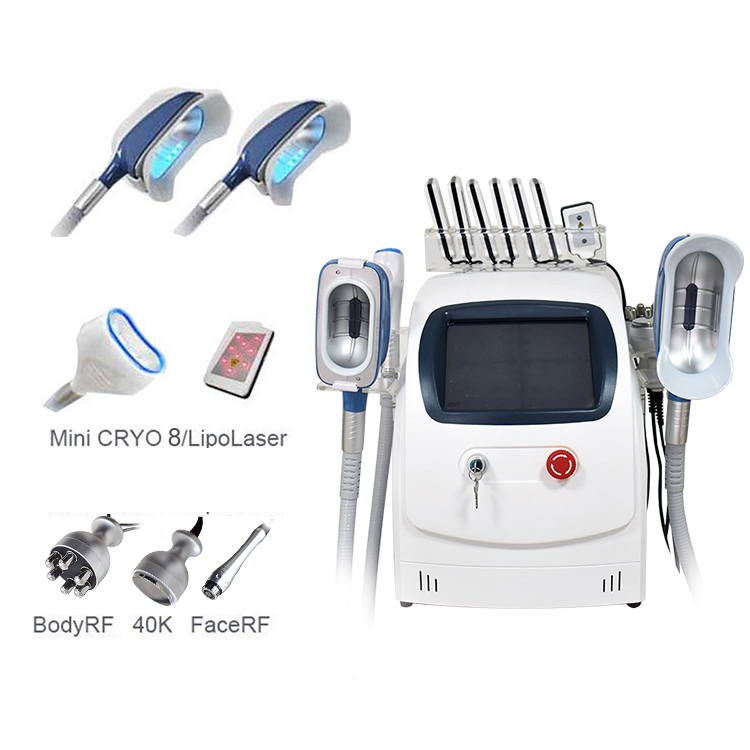
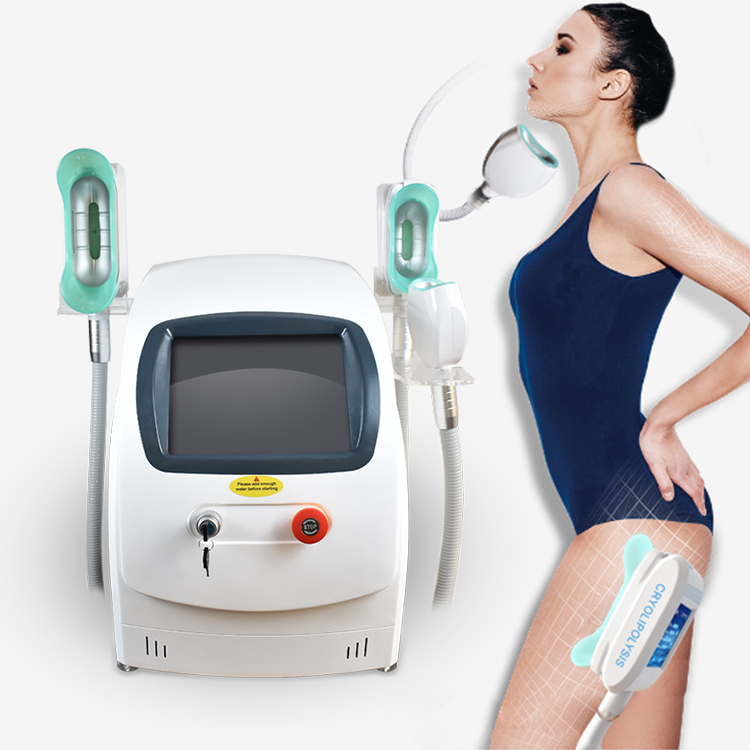
I’m excited to present Cryolipolysis 360, a High-Quality aesthetic device designed for clinics and wellness centers. We built it to deliver precise fat reduction with fast cycle times, adjustable cooling, and ergonomic handpieces. With safety as a priority, integrated temperature monitoring and automatic pause ensure patient comfort and compliance with medical standards. For you as a B2B buyer, the system ships with comprehensive training, after-sales support, and a modular upgrade path to grow your service menu. The Cryolipolysis 360 delivers consistent results across treated areas, helping you expand client retention and increase revenue per appointment. Our Company stands behind the technology with rigorous testing, certifications, and transparent pricing. The compact footprint fits even smaller treatment rooms, and the intuitive software reduces chair time. If you want a reliable, high-performing tool to elevate your clinic's portfolio, this is the choice.
Hot Selling Product

Cryolipolysis 360 Factory From Concept to Delivery

Turning a Cryolipolysis 360 concept into a safe, manufacturable device starts with user research and risk analysis. Engineers translate needs into a modular architecture: a precise cooling system, patient safety protections, intuitive software, and reliable consumables. Prototyping accelerates learning, while design for manufacturability keeps tolerances achievable at scale. Early compliance planning covers medical standards, biocompatibility, electrical safety, and data integrity in parallel with development. From concept to delivery, the factory coordinates supplier qualification, process validation, and full traceability. Automated assembly, in-line testing, and environmental controls ensure consistent performance. Packaging, sterilization, and global logistics are planned for markets worldwide, with spare parts and service support designed for rapid response. For global buyers, the payoff is predictable lead times, transparent quality metrics, and scalable capacity to meet demand while sustaining safety.

Cryolipolysis 360 Factory From Concept to Delivery

Stage Objective Typical Duration (weeks) Key Milestones Critical Risks Required Resources Quality Gate / Review Compliance Standards
Concept and Ideation Define product goals, user needs, and market requirements for Cryolipolysis 360 system. 4-6 Kick-off; Stakeholder interviews; Requirements spec completed Requirements volatility; Market misalignment 3-5 engineers, 1 PM, 1 clinical advisor Concept Review with cross-functional team ISO 13485; IEC 62304 (software risk mgmt)
Technical Feasibility and Risk Assessment Evaluate technical feasibility, safety, and integration of cooling + suction components. 6-8 Feasibility study approved; Risk register; Preliminary CAD models Thermal management failure; Safety hazards 4-6 engineers; 1 safety/compliance engineer Feasibility sign-off ISO 14971; IEC 60601-1; ISO 13485
System Design and Architecture Define system-level architecture, subsystems, interfaces. 8-12 System architecture doc; Thermal model; Software architecture; Interface specs Integration complexity; Component supply risk 5-8 engineers Architectural review ISO 14971; IEC 60601-1; IEC 82304-1
Prototyping and Lab Testing Build prototypes and perform bench testing, safety, and performance tests. 12-20 Prototype A; Bench test results; Safety qualification Material compatibility; Measurement inaccuracy 6-10 staff/engineers Prototype Qualification Review IEC 60601-1; ISO 10993; ISO 14971
Clinical Evaluation Planning Plan regulatory path, clinical evidence plan, and data requirements. 6-10 Regulatory strategy; Data plan; Dossier outline Data backlog; Regulatory delays 2-3 regulatory specialists Regulatory strategy approval ISO 13485; MDR; 21 CFR Part 820; ISO 14155
Design for Manufacturability & Process Development Develop manufacturability, process capability, and PFMEA. 8-12 Process flow; Cp/Cpk targets; PFMEA Process variability; Yield issues 4-6 process engineers Manufacturing readiness review ISO 9001; ISO 13485; FDA QSR
Tooling & Equipment Qualification Qualification of tooling and equipment (IQ/OQ/PQ). 6-12 Tooling specs; IQ/OQ/PQ; Equipment validation Tool wear; Calibration drift 3-5 technicians; calibration specialist Equipment qualification approval IQ/OQ/PQ per GMP; ISO 13485
Pilot Production & Validation Run pilot line, validate processes, and compile documentation. 6-16 Pilot line setup; Process validation; Documentation pack Scale-up variability; Supply constraints 6-10 operators; QA/QC Process Performance Qualification (PPQ) GMP/ISO 13485 alignment
Regulatory & Quality Assurance Finalization Assemble regulatory dossier; Audit readiness; Post-market plan 4-8 Dossier assembly; Audit readiness; PMS plan Documentation gaps; Regulatory questions 2-4 regulatory specialists Regulatory submission readiness ISO 13485; MDR; FDA QSR; Post-market surveillance
Production Transfer & Delivery Handover Transfer to production, facility readiness, and staff training. 4-6 Manufacturing transfer; Facility readiness; Training Knowledge transfer delays 2-4 transfer engineers Production readiness sign-off GMP; ISO 13485

Related Products

banner1 (3)

Cryolipolysis 360 Supplier From Concept to Delivery

Data Dimension Title: Concept-to-Delivery Timeline Across Regions

New Data Perspective: Concept-to-Delivery Lead Time by Region (Days)

Explanation: The chart tracks the concept-to-delivery lead time (in days) for three regional markets—Americas, Europe, and Asia-Pacific—across eight quarterly periods from 2023 Q1 to 2024 Q4. This data dimension highlights how near-to-market execution and supply-chain agility influence the speed from product concept to delivery readiness. All three regions show a downward trend, indicating improvements in the end-to-end process, but with different starting points and rates of improvement. Americas begin at around 42 days and gradually drop to about 30 days by 2024 Q4, suggesting steady optimization in design iteration cycles, supplier onboarding, and production scheduling. Europe starts slightly higher (around 44 days) and reaches approximately 34 days, implying effective logistics coordination and regulatory alignment, though at a slower pace than the Americas in some quarters. Asia-Pacific starts with the longest lead time (around 50 days) but achieves the most pronounced relative improvement to roughly 36 days, which may reflect accelerated capacity expansion, localized manufacturing, and improved supplier diversification. Taken together, the data imply that a diversified supplier network, accelerated validation, and proactive risk management contribute to shorter cycle times across regions. The chart also hints at potential seasonality and external shocks that could intermittently widen lead times. For strategic planning, this dimension supports comparing regional performance, targeting bottlenecks in each phase, and informing investments in automation, supplier development, and regional manufacturing footprints to sustain gains in the concept-to-delivery timeline.

Top Selling Products