

Diode Laser Hair Removal Machine 2400w ODM Product | High Efficiency
From my workshop to your clinic, I present the Diode Laser Hair Removal Machine 2400w, a robust, clinic-grade system built for speed and safety. I designed it with powerful 2400w output, large spot sizes, and advanced cooling to reduce treatment time and boost client satisfaction. For business buyers like you, I offer ODM options, so you can tailor the device branding, control interface, and firmware to your Product lineup. The machine is compact, easy to install, and supports multi-language interfaces, making it suited for international markets. It’s equipped with intelligent safety protocols, real-time skin cooling, adjustable fluence, and rapid repetition rates to handle diverse skin tones and hair types. I stand behind quality control and provide spare parts, training, and after-sales support. If you seek a reliable, customizable laser solution that aligns with your Product strategy, this is the choice.
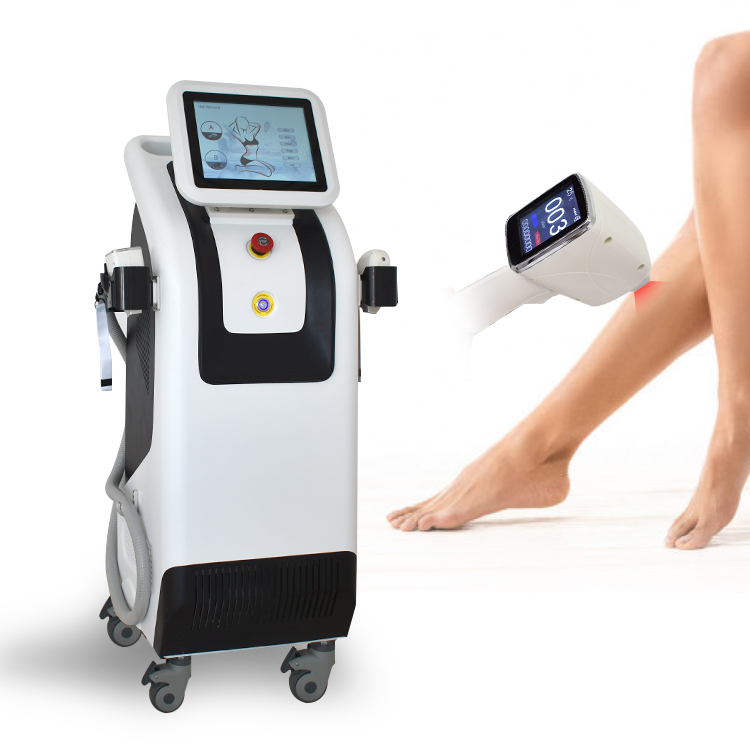
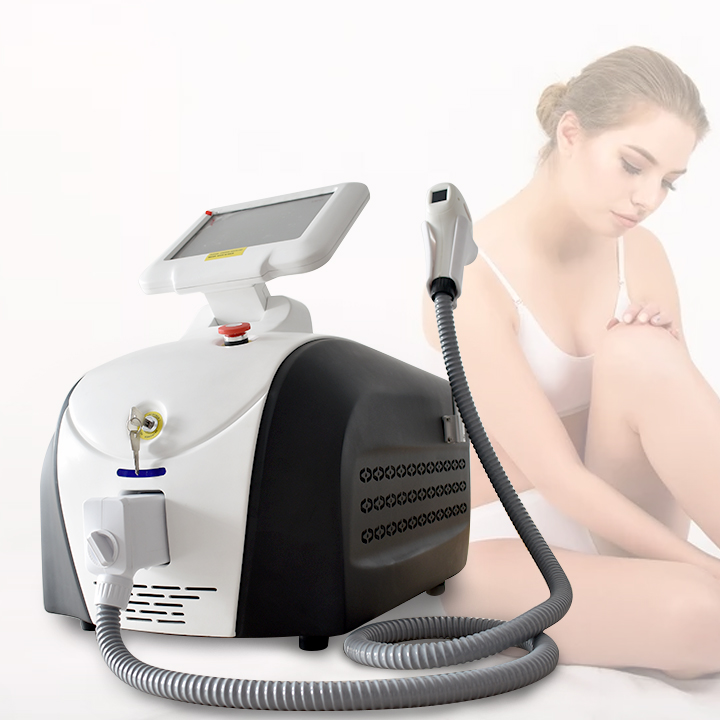

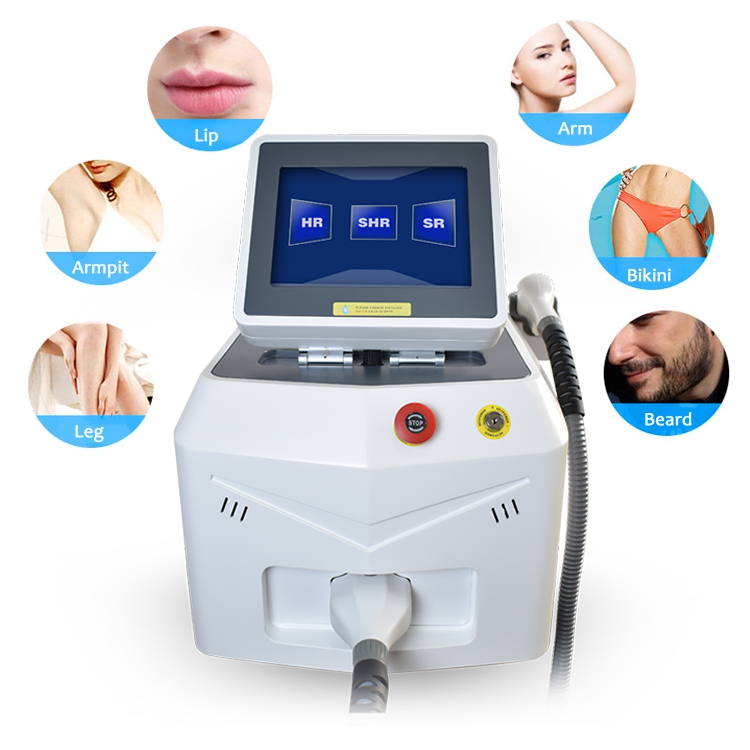
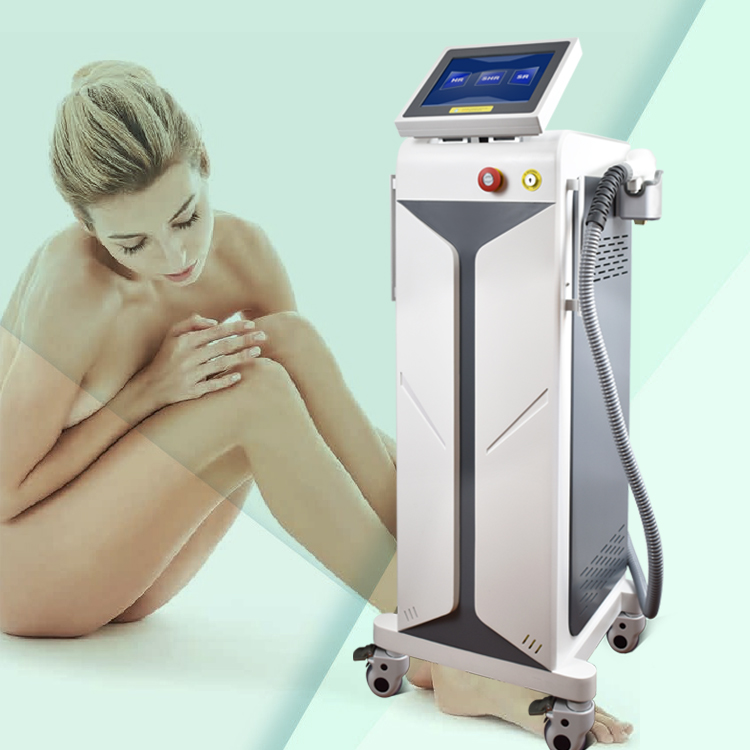

Diode Laser Hair Removal Machine 2400w Manufacturer Your End-to-End Solution
For global buyers seeking a high‑performance hair removal solution, a 2400W diode laser system offers fast treatment times and broad applicability. A powerful diode stack combined with precise energy control delivers reliable hair reduction across diverse skin tones and hair types. Features like intelligent cooling, ergonomic handpieces, and a user‑friendly interface streamline clinical workflows and improve patient comfort. With adjustable spot sizes and pulse durations, practitioners can tailor treatments to each client, maximizing efficacy while maintaining safety in busy medical spa or clinic environments worldwide. An end‑to‑end solution also covers support beyond the device: rigorous pre‑shipment testing, installation guidance, operator training, and ongoing technical assistance, plus spare parts and warranty to minimize downtime. Flexible options, multilingual manuals, and scalable service plans help buyers align investment with growth. With compliance to international safety standards and reliable global logistics, clinics can deploy quickly, protect uptime, and deliver consistent results for varied patient needs.
| Model | Wavelength (nm) | Peak Power (W) | Pulse Duration (ms) | Repetition Rate (Hz) | Spot Size (mm) | Cooling System | Dimensions (L×W×H, mm) | Weight (kg) | Power Consumption (kW) | Fluence Range (J/cm2) | Skin Type Range | Certification | Warranty (months) | Notes |
|---|---|---|---|---|---|---|---|---|---|---|---|---|---|---|
| D-LM2400-808 | 808 | 2400 | 10 | 1-10 | 12 | Peltier + Sapphire tip | 520 × 420 × 1180 | 52 | 2.4 | 12-40 | II- V | CE, RoHS, ISO 13485 | 24 | Standard kit with one handpiece; adjustable cooling; user-friendly UI |
| D-LM2400-755 | 755 | 2400 | 12 | 2-10 | 14 | Peltier + Sapphire | 540 × 440 × 1200 | 56 | 2.5 | 10-38 | II-IV | CE, ISO 13485 | 24 | Alexandrite variant for lighter skin types; high-precision scanning |
| D-LM2400-1064 | 1064 | 1800 | 15 | 1-6 | 18 | Cryo cooling + sapphire tip | 560 × 420 × 1150 | 54 | 2.0 | 8-30 | II- V | CE, RoHS | 18 | Longer wavelength for deeper penetration; suitable for tanned/darker skin |
| D-LM2400-MULTI | 755/808/1064 | 2400 | 10-18 | 1-8 | 12 | Water-cooled + sapphire | 580 × 460 × 1250 | 60 | 2.6 | 12-42 | II- V | CE, ISO 13485 | 24 | All-in-one solution for versatile hair removal; quick handpiece change; multi-wavelength selection |
Related Products




Diode Laser Hair Removal Machine 2400w in 2025 From Concept to Delivery
Top Selling Products


- Related Blog
- Reviews
