

Diode Laser For Vaginal Tightening - High-Quality Company Solutions
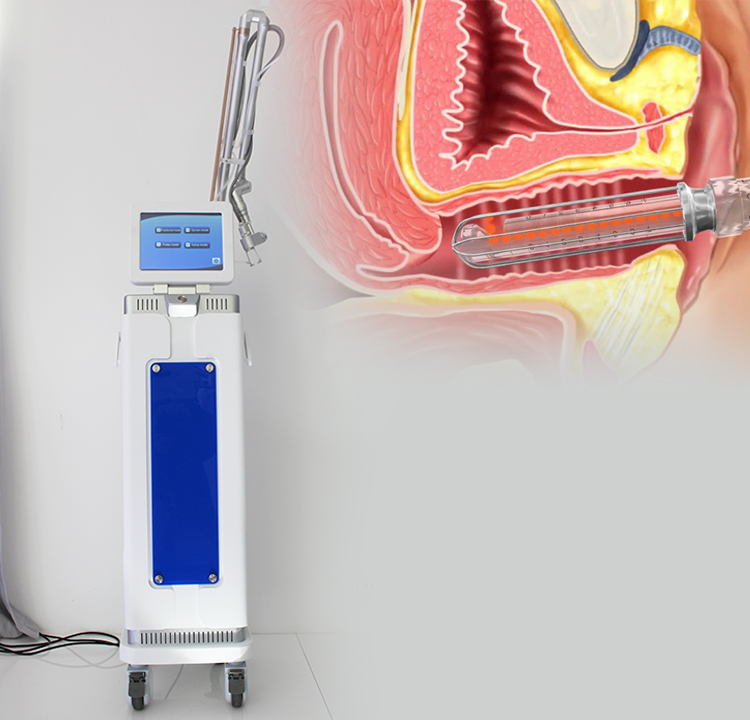
We offer a Diode Laser For Vaginal Tightening designed for clinics pursuing High-Quality patient outcomes and reliable ROI. This compact system delivers precise energy with safety features, fast treatment cycles, and minimal downtime. The ergonomic handpiece and intuitive interface streamline your workflow, while adjustable settings let clinicians tailor tightening depth and duration. Non-surgical, outpatient procedures appeal to patients seeking comfort and quick recovery, and results—improved collagen remodeling and tissue tone—drive satisfied returns. We provide comprehensive training, ongoing service, and a responsive support team from the Company to ensure uptime and performance. For clinics aiming to differentiate, our diode laser helps you expand service lines, attract new referrals, and maintain high patient throughput. Ready to discuss a tailored package that fits your clinic size and budget? I’ll guide you through options and scheduling.


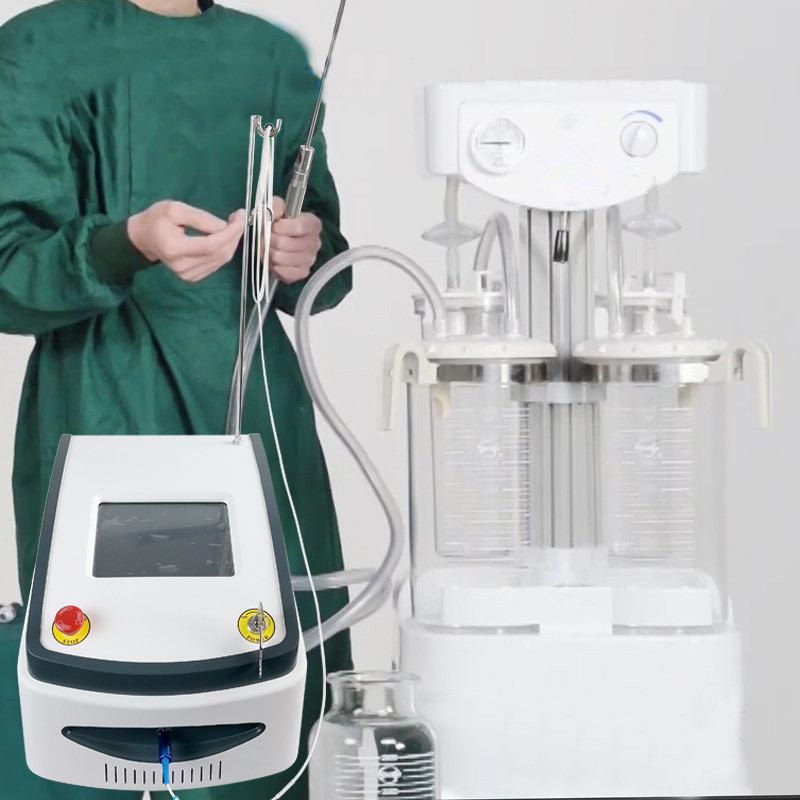


Diode Laser For Vaginal Tightening Factory-Direct Excellence From Concept to Delivery
From concept to delivery, diode laser systems for vaginal tightening are reshaping non-surgical gynecological care. A well-engineered diode laser delivers precise energy with rapid cooling, enabling reliable tissue contraction and minimal downtime. A factory-direct pathway unites R&D, prototyping, and manufacturing under strict process controls—accelerating development from idea to clinical-ready devices. Buyers can customize wavelength, pulse patterns, and handpiece ergonomics to fit diverse protocols, while scaled production and streamlined logistics ensure competitive pricing and predictable lead times for global orders. Quality and safety are integral at every stage: ISO-compliant manufacturing, traceable components, validated sterilization, and regulatory documentation. Independent testing confirms performance, while after-sales support—training, maintenance, and spare parts—keeps clinics running smoothly. With a resilient supply chain, flexible MOQs, and reliable on-time delivery, global buyers can partner confidently from inquiry to post-deployment support across markets.
| Dimension / Aspect | Parameter | Typical Value | Unit | Notes |
|---|---|---|---|---|
| Wavelength range | Operating wavelength | 810-980 | nm | Suitable for non-ablative thermal remodeling of vaginal mucosa; targets tissue water absorption. |
| Output power | Power level | 3-8 | W | Adjustable via handpiece interface; balances efficacy and safety. |
| Pulse mode | Pulse duration | 20-60 | ms | Short pulses reduce peak temperatures and improve control. |
| Pulse mode | Repetition rate | 1-4 | Hz | Defines scan pattern cadence for uniform coverage. |
| Delivery system | Fiber diameter | 600-800 | µm | Tip diameter compatible with vaginal contours. |
| Delivery system | Fiber length | 1.5-2.5 | m | Flexible handpiece to reach target areas comfortably. |
| Safety features | Interlocks | Yes | N/A | Electrical and door interlocks per medical device standards. |
| Safety features | Skin-contact sensor | Yes | N/A | Detects proper contact and prevents incidental tissue heating. |
| Sterilization | Sterilization method | EO / Steam compatible | N/A | Single-use sterile sleeves or tips recommended. |
| Regulatory | Standards | IEC 60601-1, ISO 13485 | N/A | Medical device safety and quality management requirements. |
| Quality assurance | QC checks | Functional test, calibration | N/A | Electrical safety, optical output, and distance accuracy checks. |
| Manufacturing | Lead time | 6-12 | weeks | From design freeze to ready-to-ship assembly. |
| Documentation | User manual | 40-60 | pages | Comprehensive operation, safety, and maintenance guidance. |
| Longevity | Module life | 10,000-20,000 | hours | Assuming proper maintenance and protective measures. |
| Warranty | Policy | 12 | months | Limited coverage for manufacturing defects. |
Related Products




Diode Laser For Vaginal Tightening Now Trending Custom Solutions,
Top Selling Products


- Related Blog
- Reviews
