

Diode Laser 980nm - CE Certification Products for Professionals
I help engineers and procurement professionals choose reliable Diode Laser 980nm solutions. Our Diode Laser 980nm delivers consistent power, excellent absorption, and deep skin tissue interaction, ideal for medical aesthetics and industrial processing. The unit comes with CE Certification and a compact, rugged design that fits tight spaces in clinics or labs. In our product lineup, you’ll find configurable power levels, fiber-coupled delivery, and simple integration with existing systems. We provide thorough documentation, service, and short lead times to support your project timeline. Our team offers comprehensive technical support, performance data, and burn-protect features to minimize downtime. We’ve optimized cooling and safety interlocks to keep continuous operation reliable in demanding environments. If you are sourcing reliable laser technology for your next project, these Diode Laser 980nm options promise repeatable results, lower maintenance, and strong return on investment. Let me know your target specs and I will tailor the package from our Products catalog.
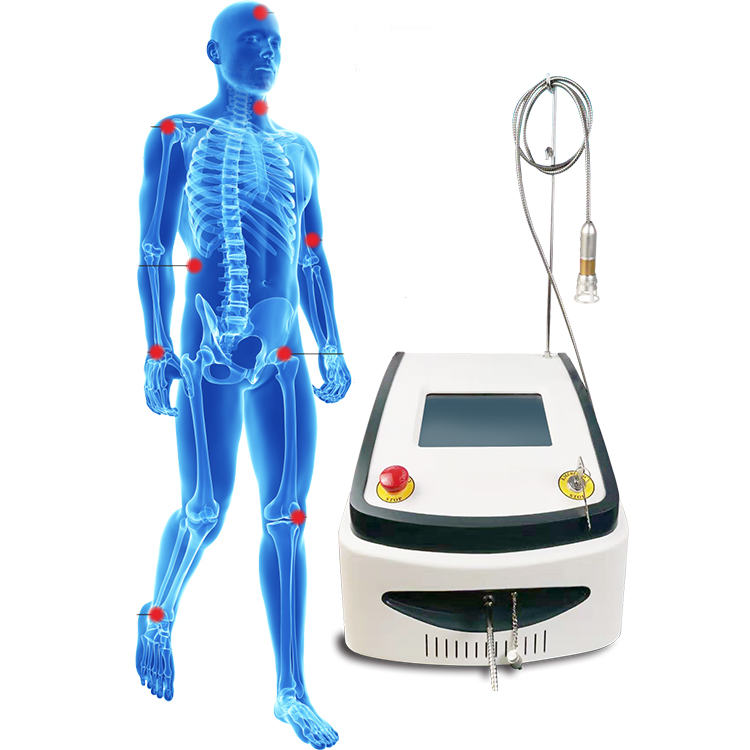
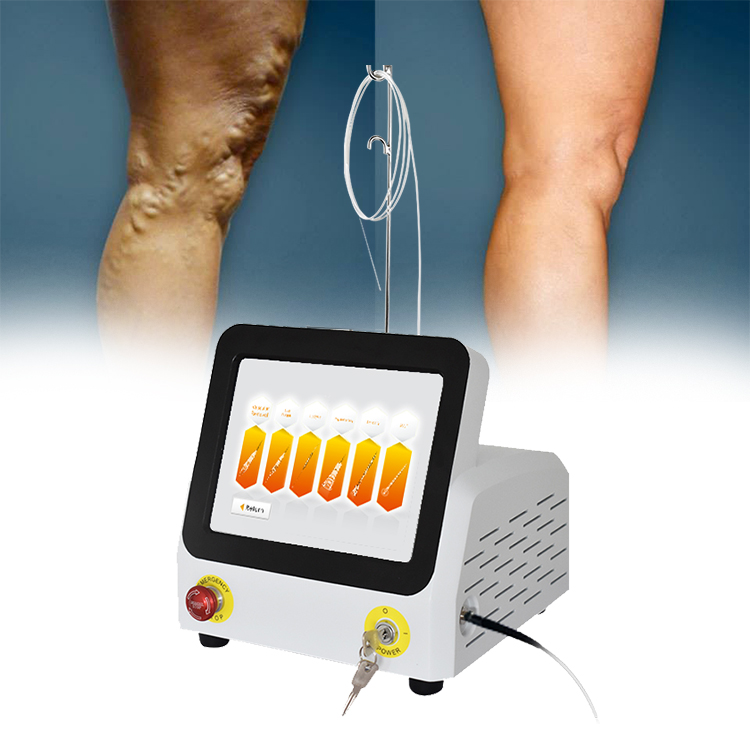

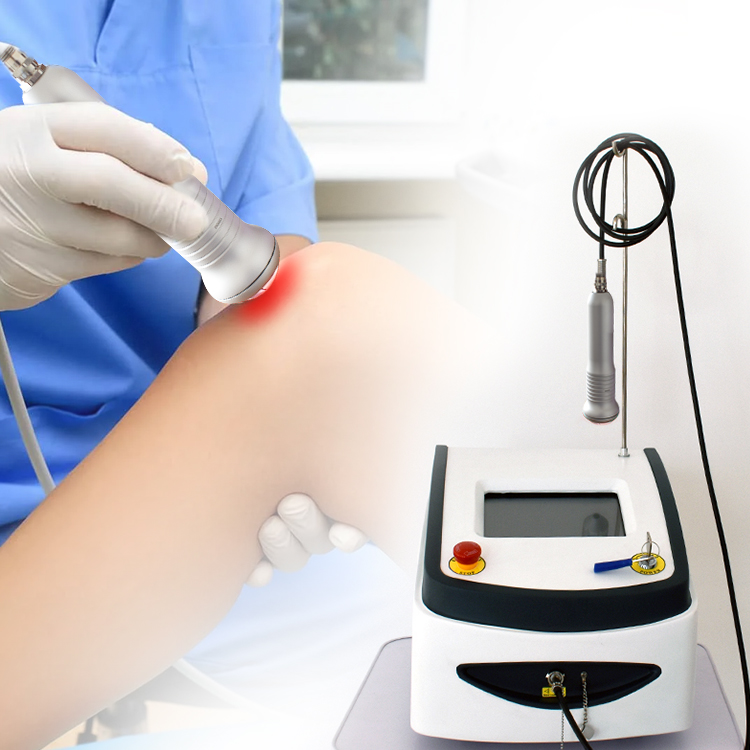


Diode Laser 980nm More Than a Supplier - A Partner From Concept to Delivery
Under the banner of a true lifecycle partner, our 980nm diode laser solutions are designed to travel with you from concept to delivery. We collaborate with buyers on specifications, power budgets, and fiber-coupled configurations, offering in-house R&D, rapid prototyping, and rigorous testing to validate performance before production begins. From module design and diode assembly to cooling options and control interfaces, we tailor the platform to fit medical, industrial, and research applications, prioritizing reliability, stability, and manufacturability. With a robust, traceable supply chain and ISO-compliant quality management, we ensure consistent supply, scalable production, and strict quality control across every batch. Our global logistics network supports on-time delivery, transparent lead times, and flexible packaging. We provide comprehensive documentation, regulatory compliance assistance, training, and responsive after-sales service, turning procurement into a true partnership rather than a one-off purchase—helping buyers optimize total cost of ownership while reducing supply risk.
{ Diode Laser 980nm More Than a Supplier - A Partner From Concept to Delivery}
| Parameter | Description | Value | Unit | Notes |
|---|---|---|---|---|
| Wavelength | Central emission wavelength for the diode laser module | 980.0 – 980.5 | nm | Tolerance ±0.5 |
| Output Power | Optical power at continuous-wave operation | 5–7 | W | CW rated range |
| Spectral Width | Spectral width (FWHM) of emitted light | 2–4 | nm | FWHM |
| Beam Quality | Beam parameter M squared | 1.2–1.8 | M² | Measured at 25°C |
| Forward Current | Drive current for rated power | 2.5 | A | Typical at 25°C |
| Threshold Current | Minimum current to initiate lasing | 0.25 | A | Typical |
| Operating Voltage | Forward voltage at rated current | 3.5 | V | At rated current |
| Duty Cycle | Maximum duty cycle for operation | 100 | % | CW operation |
| Operating Temperature | Ambient temperature range during operation | 0–40 | °C | Recommended |
| Storage Temperature | Temperature range for storage | -20–60 | °C | Non-operating |
| MTBF | Mean time between failures | 30,000 | hours | At 25°C ambient |
| Certifications | Quality and safety compliance | ISO 9001, RoHS | Conformance | |
| Lead Time | Time from order confirmation to shipment | 4–6 | weeks | Standard production window |
| Warranty | Manufacturer warranty period | 12 | months | Limited warranty |
Related Products
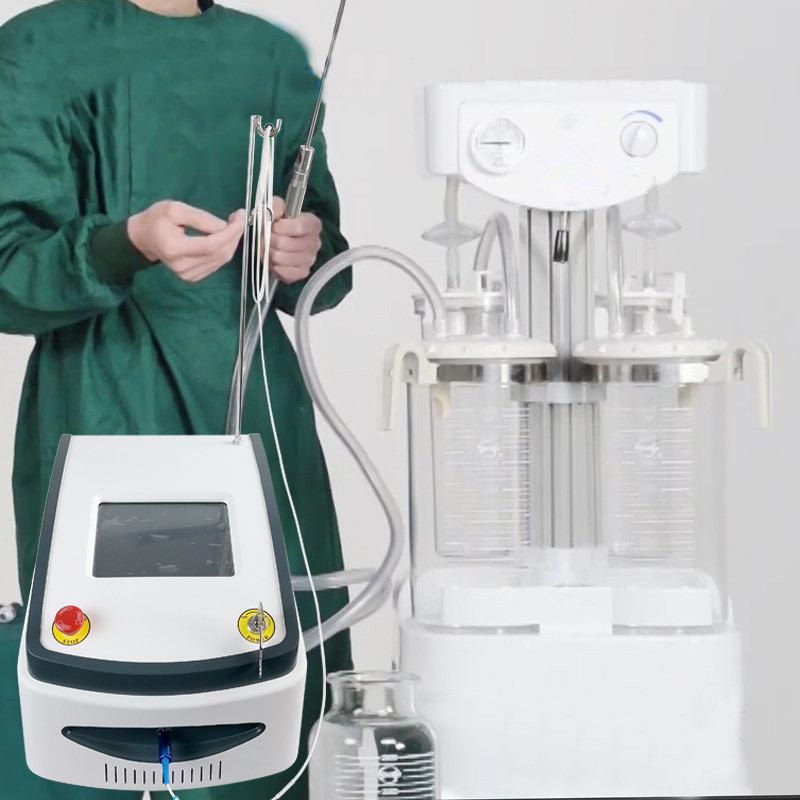
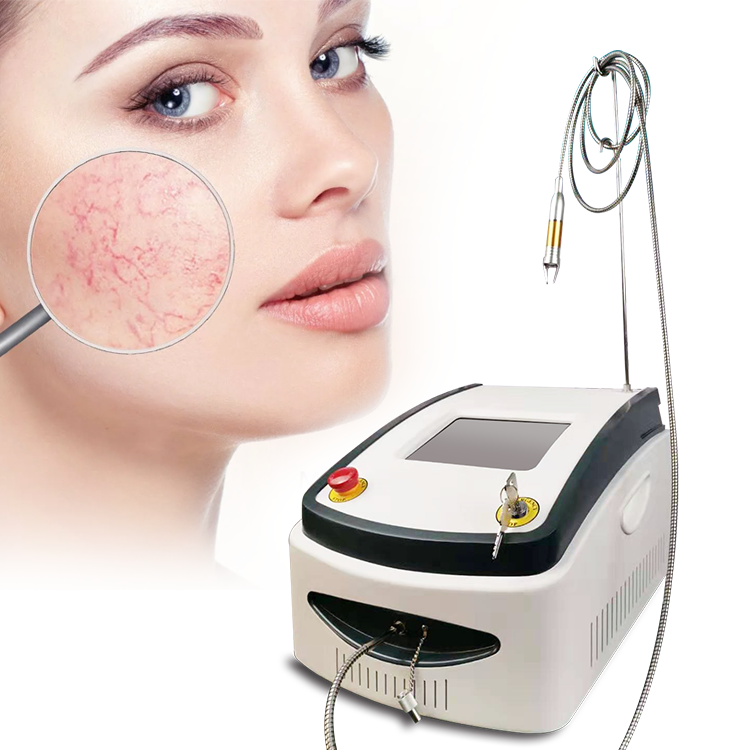


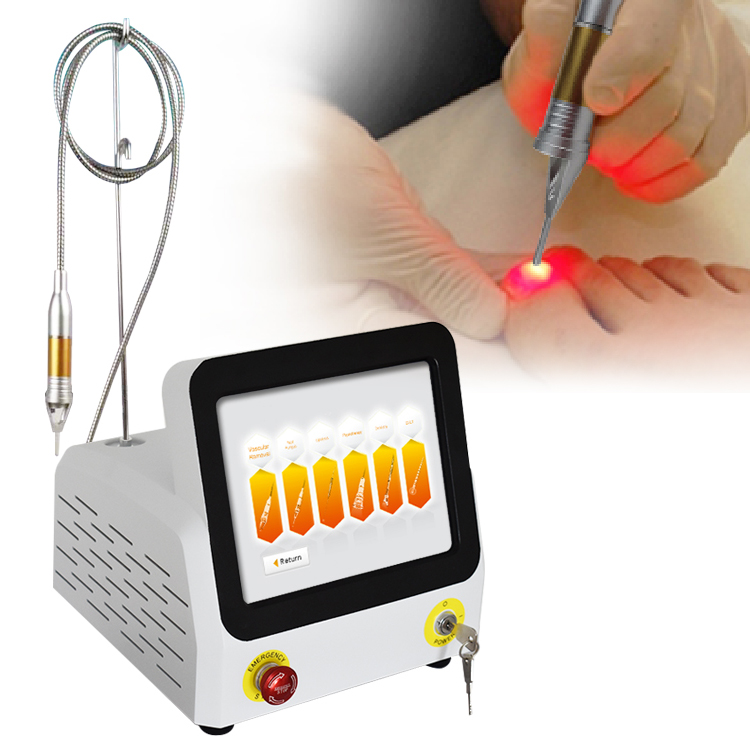
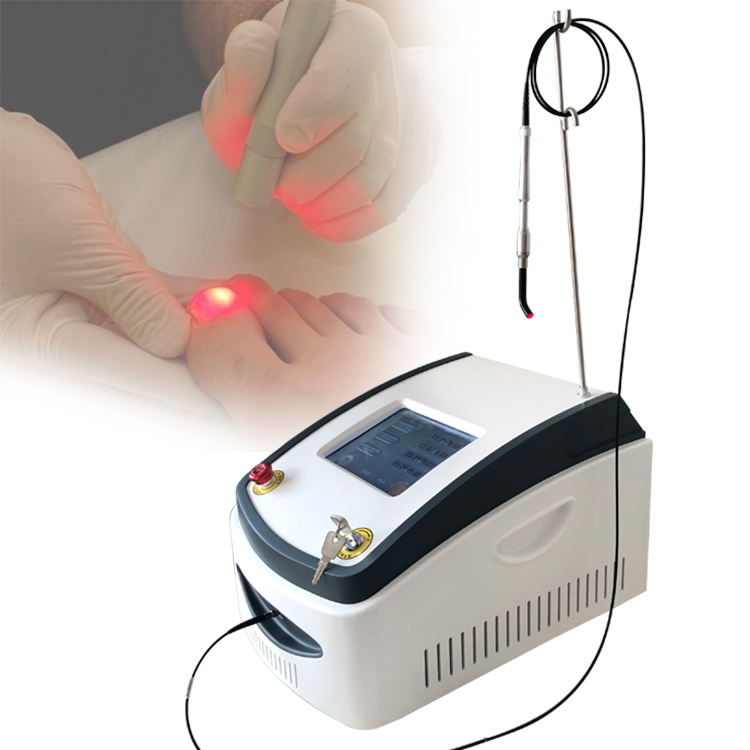
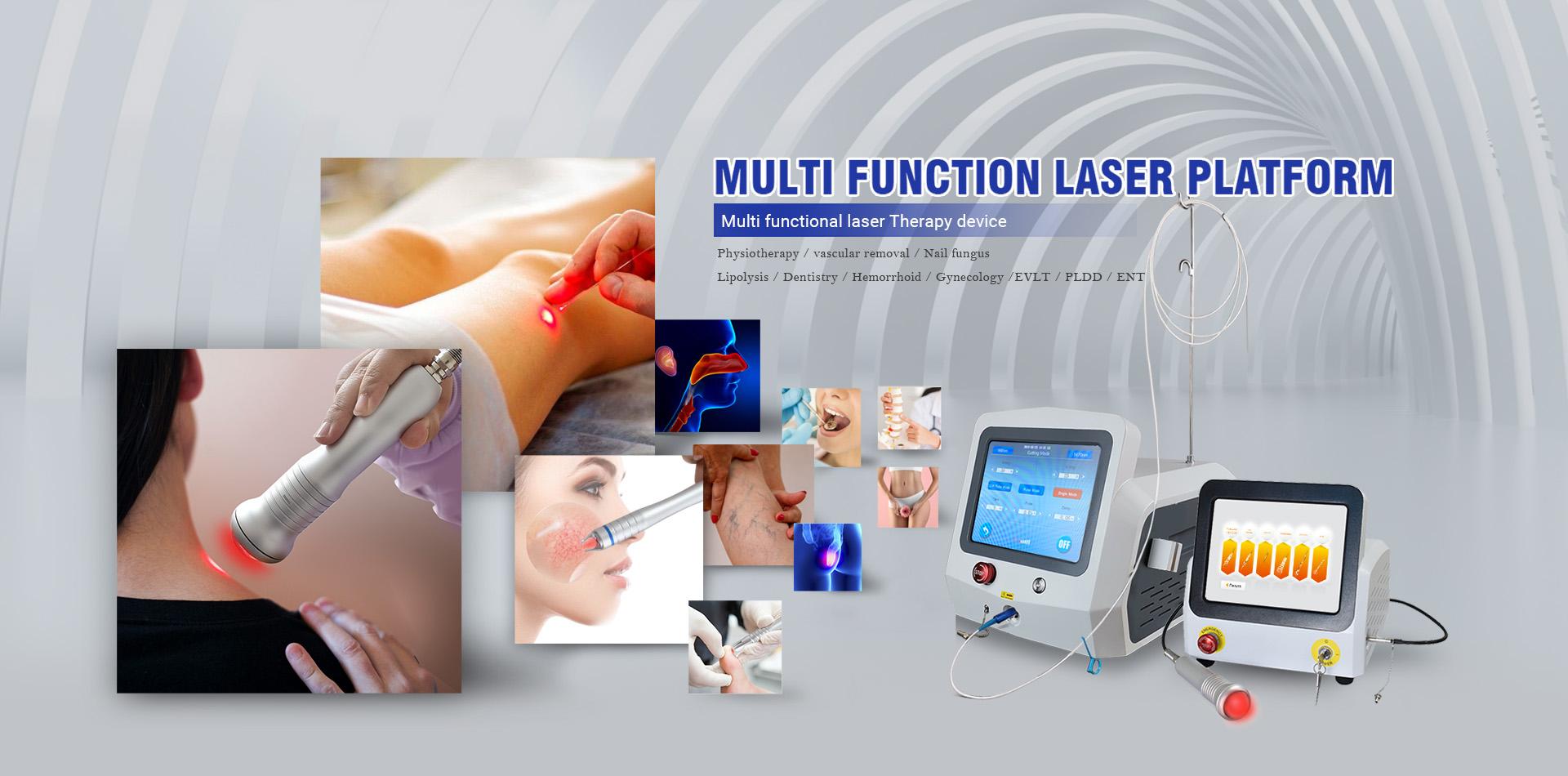
Diode Laser 980nm Market Leader Your Trusted OEM Partner
Top Selling Products

- Related Blog
- Reviews
