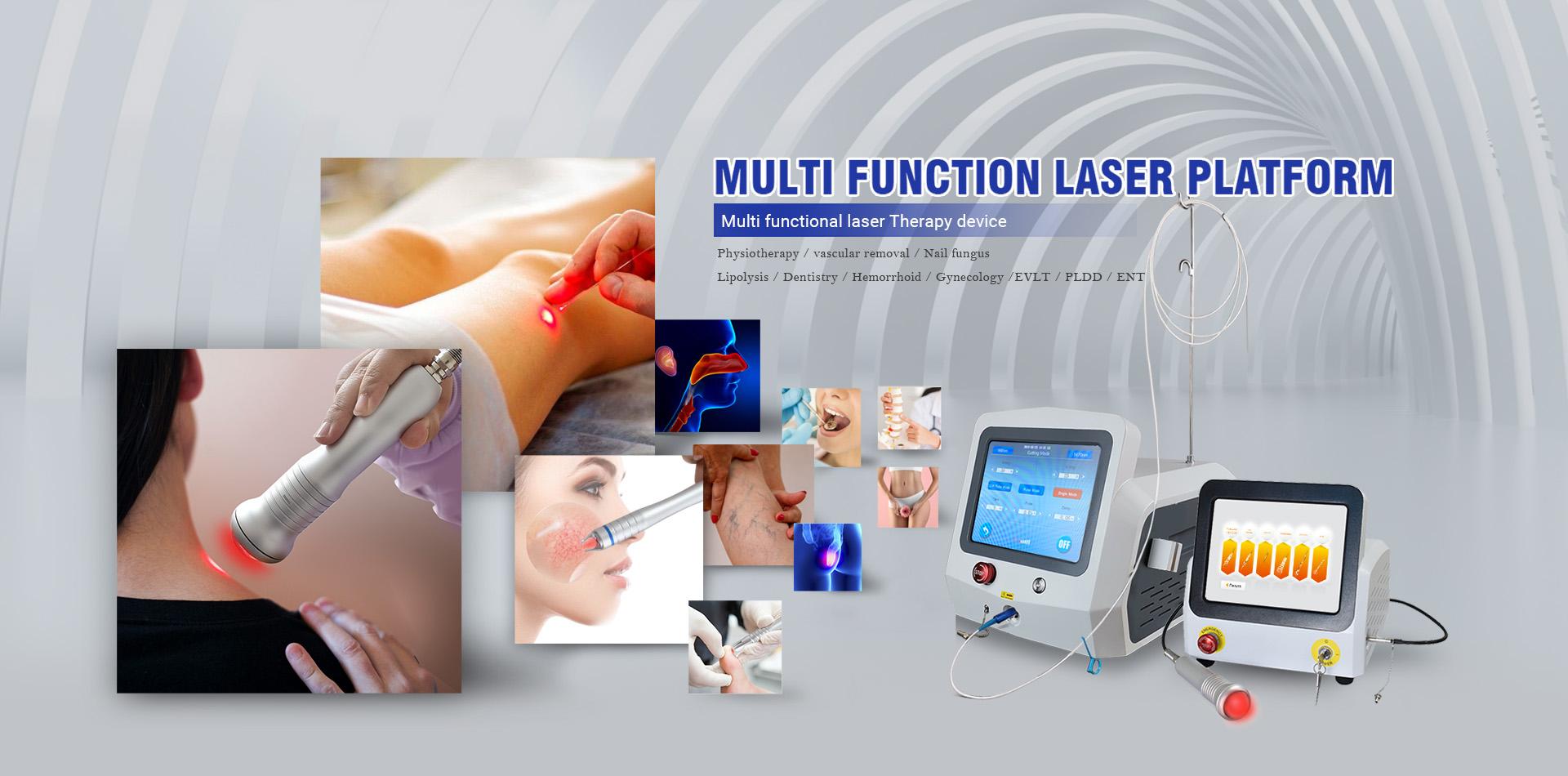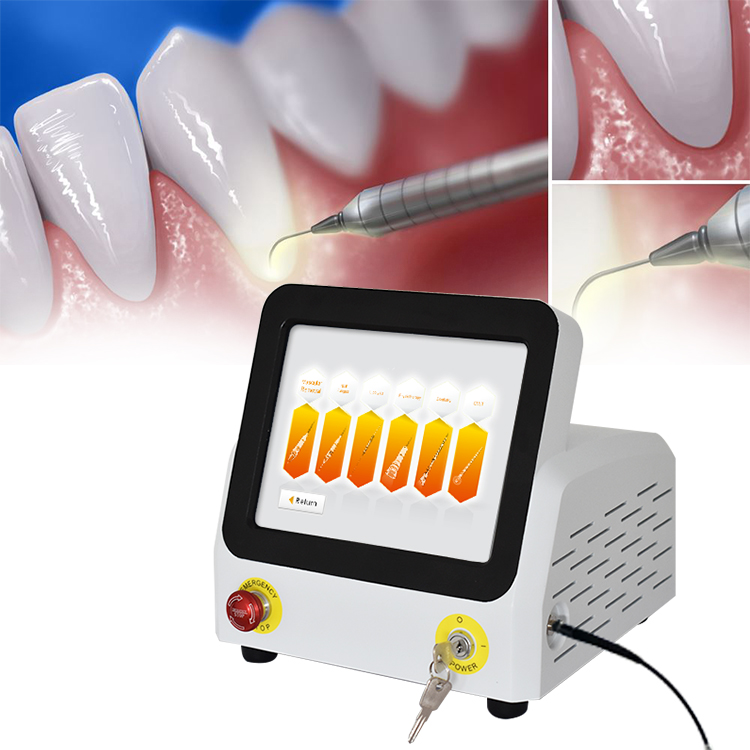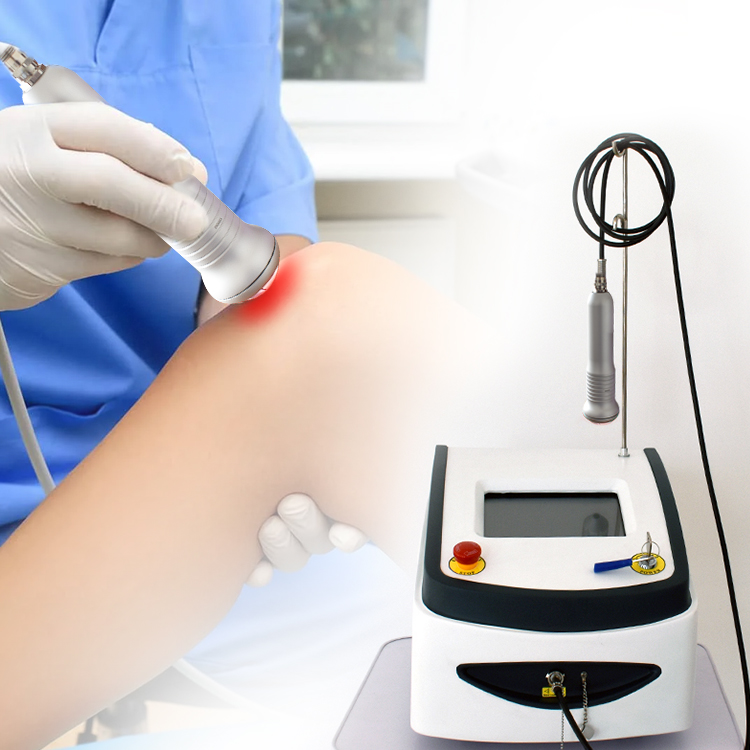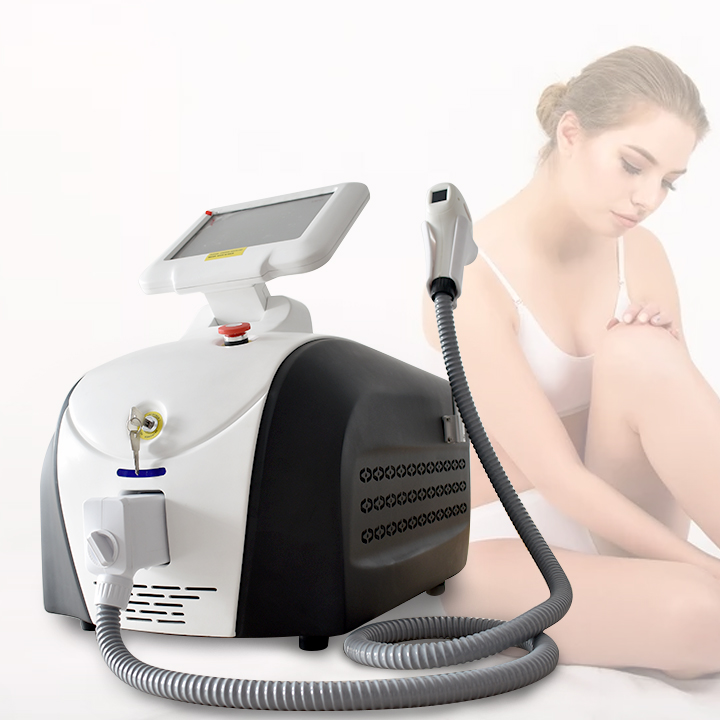
endolaser machine

Portable Mini Cryolipolysis - High-Quality Company for Contouring

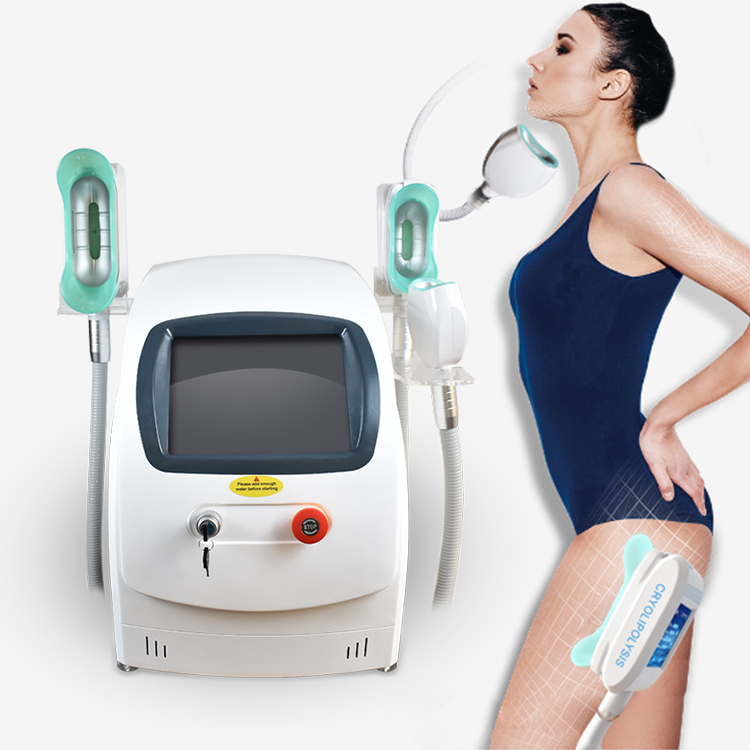
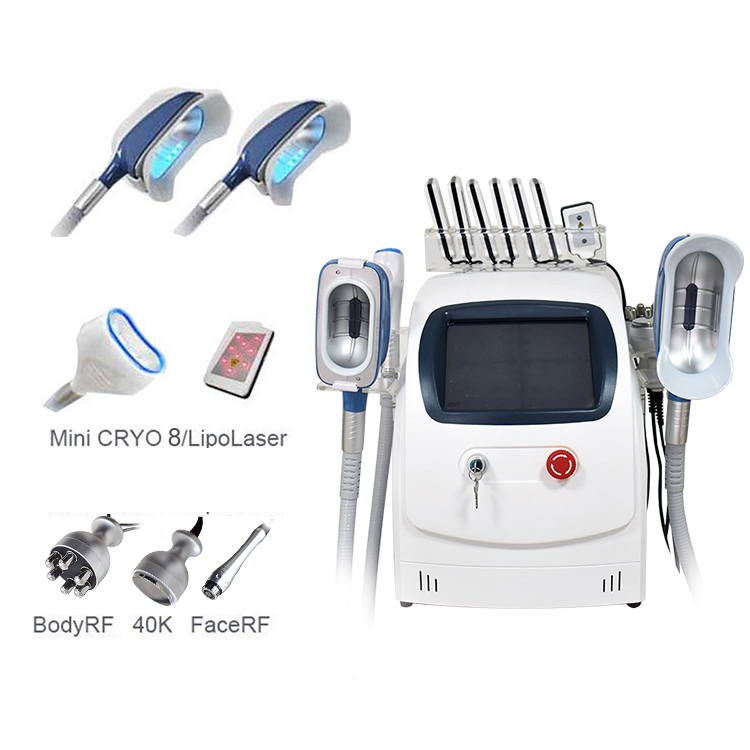
I offer a Portable Mini Cryolipolysis that fits effortlessly into clinics, med-spas, or on-site beauty suites. This device delivers safe, non-invasive fat reduction with a compact design and reliable performance, making it a High-Quality addition to any service menu. Its portable form means you can deploy treatments in small rooms or pop-up events, expanding your client reach. The ergonomic handles and intuitive touchscreen simplify every session, so your team can operate with minimal training. I provide strong after-sales support and a warranty to protect your investment, because I know what a Company needs for steady ROI. With adjustable cooling profiles and built-in safety features, you can tailor treatments across body zones while maintaining comfort and speed. If you’re seeking expanded offerings, faster turnaround, and happy patients, this Portable Mini Cryolipolysis can be a smart fit for your business.
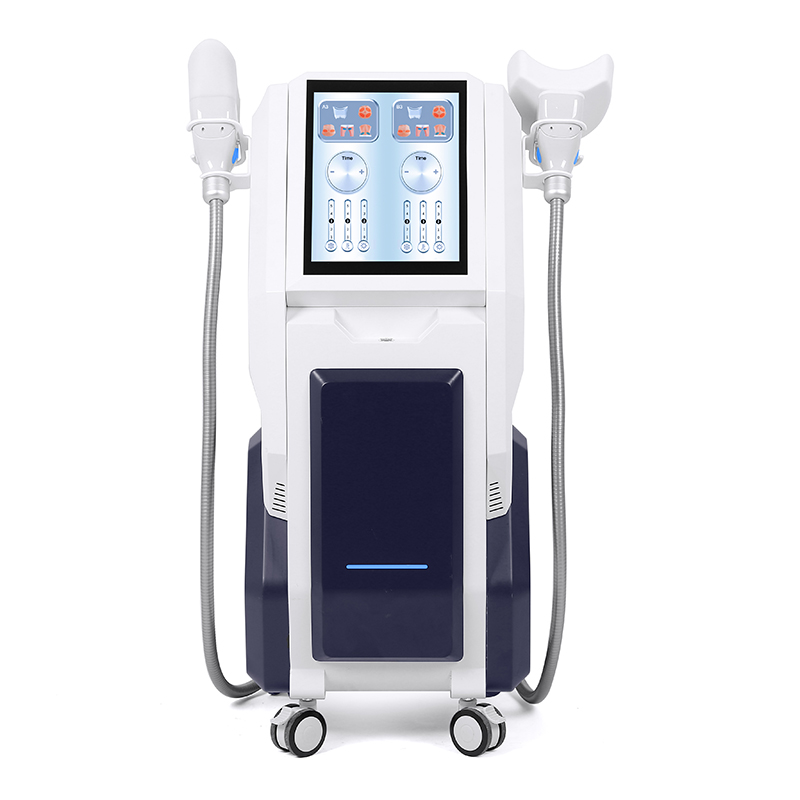
Hot Selling Product

Portable Mini Cryolipolysis Factory Where Service Meets Innovation

Global buyers in aesthetics seek portable, affordable solutions that can be deployed quickly. A compact cryolipolysis system designed for mobility, backed by a factory that blends service with innovation, offers turnkey capabilities: small footprint, robust safety, and scalable software for diverse clinic spaces. The result is mobility without sacrificing efficacy, enabling body-slimming treatments in clinics, pop‑ups, and outreach sites across regions. Procurement decisions should focus on regulatory readiness, spare parts availability, and responsive after‑sales support. Look for modular design, easy maintenance, clear multilingual interfaces, and validated cooling curves. A service‑oriented production partner will provide remote diagnostics, firmware updates, comprehensive training, and timely consumables to minimize downtime and extend device life, ensuring consistent patient outcomes worldwide.

Portable Mini Cryolipolysis Factory Where Service Meets Innovation
Model Portability (Weight kg) Dimensions (L x W x H) cm Cooling Temp Range (°C) Cycle Time (min) Handpieces Safety Features Certifications Power (W) Operating Temp Range (°C) Annual Throughput (cycles) MTBF (hours) First-Time Fix Rate (%)
Model A1 5.5 28 x 16 x 12 -5 to -12 30–40 1 Auto shutoff, skin temp sensors, overcool protection CE, ISO 13485 120 15–30 1200 5000 92
Model B2 4.2 26 x 14 x 10 -4 to -11 25–35 1 Auto shutoff, lid interlock, temp sensors CE, ISO 13485 110 15–30 1000 6800 93
Model C3 6.0 32 x 18 x 12 -6 to -13 35–45 2 Dual-temp sensing CE, ISO 13485 150 15–28 900 4200 90
Model D4 7.5 34 x 20 x 12 -5 to -12 28–40 1 Over-treatment protection CE, ISO 13485 140 16–28 1500 4000 88
Model E5 4.8 24 x 14 x 8 -3 to -9 22–28 1 Skin impedance monitoring CE, ISO 13485 100 15–30 1100 6000 95
Model F6 6.1 29 x 16 x 10 -7 to -12 32–45 2 Auto shutoff, skin temp sensors, impedance monitoring CE, ISO 13485 160 15–31 900 5200 91

Related Products

banner

Portable Mini Cryolipolysis Market Leader From Concept to Delivery

Development Milestones Completion Trend (Concept to Delivery)

Explanation

This chart presents the Development Milestones Completion Trend for a portable mini cryolipolysis device from concept to delivery, using synthetic data to illustrate typical lifecycle dynamics. The y-axis represents the cumulative completion percentage across key milestones such as concept validation, initial prototyping, feasibility testing, regulatory clearance, safety assessment, manufacturing readiness, quality control systems, packaging design, distribution planning, and go-to-market execution. The x-axis tracks calendar years from 2018 to 2025. The data show a slow early phase during 2018–2019 when validation and early prototyping occupy most of the effort, pushing completion only around 10–25%. In 2020–2021, activity shifts toward design refinement, bench testing, and early clinical feasibility, lifting the bar to the 45–60% range. The period 2022–2023 often reflects regulatory engagement, risk assessment, process validation, and manufacturing setup, with milestones progressing more rapidly toward 70–90%. Finally, 2024–2025 typically brings manufacturing scale, full quality systems, packaging, logistics, and market launch plans, driving completion into the 90–100% zone. The shape of the curve—an S-like acceleration followed by plateauing near completion—mirrors real-world product development, where initial ideas gain momentum after early proof-of-concept, then accelerates as risk is mitigated and resources are aligned, before late-stage integration and commercialization require tight coordination across departments. While this dataset is synthetic, it reflects common patterns seen in hardware-device development for medical aesthetics: stringent safety requirements, regulatory considerations, and the need for precise cooling profile verification, sensor calibration, ergonomic design, and serviceability. This visualization helps stakeholders anticipate bottlenecks, allocate funding for regulatory affairs and manufacturing readiness, compare design iterations, and align development plans with clinical validation strategies and go-to-market timelines. For a more comprehensive view, this metric could be coupled with cost curves, risk registers, and regional regulatory roadmaps to support decision-making for bringing a portable device from concept to delivery.

Top Selling Products