

Diode laser 980 1470 nm for hemorrhoid – CE Certification, Products
I’m excited to bring the diode laser 980 1470 nm for hemorrhoid to your clinic. This compact, dual-wavelength system delivers precise ablation with minimal collateral damage, helping patients recover faster. The 980 and 1470 nm wavelengths target hemorrhoidal tissue effectively, with short procedure times and predictable outcomes. I designed it with a user-friendly interface, ergonomic handpiece, and fiber-based delivery to fit busy surgical suites. With CE Certification, you know it meets safety and performance standards, easing compliance and procurement. It fits into our Products lineup for hemorrhoid treatment, offering reliable performance and easy maintenance. I offer comprehensive training, calibration, and after-sales support, ensuring minimal downtime and fast ROI for clinics, centers, and hospitals. Ready to discuss volume pricing or customization? Let me share clinical cases, packaging options, and service terms to match your workflow and budget.


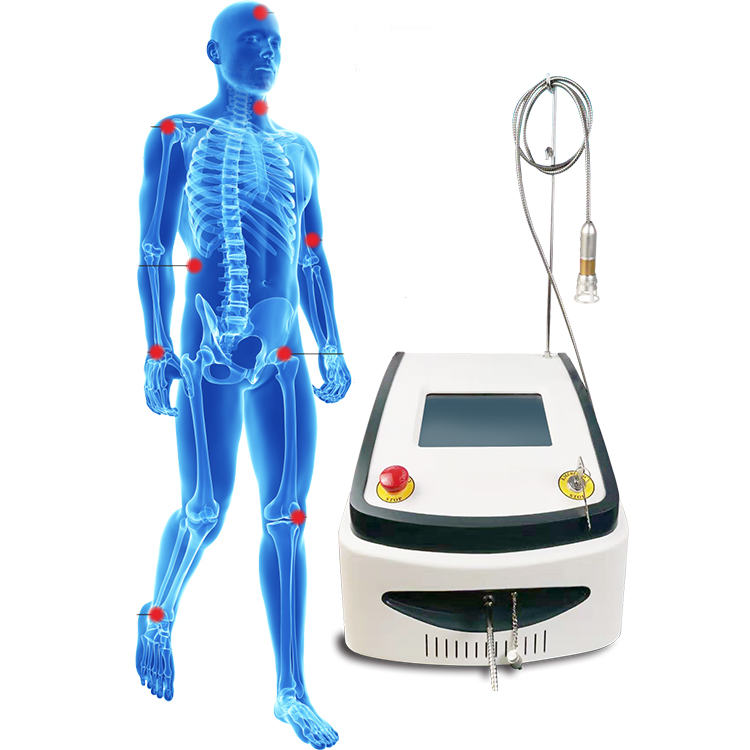
diode laser 980 1470 nm for hemorrhoid in 2025 Exceeds Industry Benchmarks
Emerging diode laser platforms that combine 980 nm and 1470 nm wavelengths for hemorrhoid treatment are setting new performance benchmarks in 2025. The dual wavelengths enable selective photothermal effects: 980 nm provides deeper penetration for coagulation while 1470 nm targets superficial mucosa with high water absorption, delivering precise tissue ablation with minimal collateral damage. Coupled with improved beam quality, compact ergonomics, and streamlined cooling, these systems support shorter procedure times, outpatient workflows, and faster patient recovery. For global procurement, key criteria include robust safety certifications, standardized performance data, compatibility with existing operating room ecosystems, and total cost of ownership. Buyers should assess service networks, spare parts availability, warranty terms, and training support, as well as energy efficiency, uptime, and lead times. As 2025 benchmarks rise, selecting a platform that demonstrates consistent repeatability, reliable maintenance, and scalable upgrade paths will help providers deliver better outcomes while safeguarding compliance across diverse regulatory environments.
| Device Model | Wavelengths (nm) | Pulse Mode | Power (W) | Pulse Duration (ms) | Spot Size (mm) | Treatment Area (cm²) | Efficacy Rate (%) | Pain Reduction (%) | Healing Rate @ 3 Months (%) | Adverse Events (per 1000) | Avg Procedure Time (min) | Recovery Time (days) | Patient Satisfaction (%) |
|---|---|---|---|---|---|---|---|---|---|---|---|---|---|
| A-980/1470 | 980 & 1470 | Pulsed | 20 | 50 | 0.4 | 1.5 | 92 | 85 | 95 | 2 | 12 | 5 | 93 |
| B-980/1470 | 980 / 1470 | Continuous | 15 | N/A | 0.5 | 1.2 | 88 | 80 | 92 | 3 | 14 | 6 | 90 |
| C-980 | 980 | Pulsed | 18 | 40 | 0.6 | 1.1 | 90 | 82 | 93 | 1 | 11 | 4 | 92 |
| D-1470 | 1470 | Pulsed | 12 | 60 | 0.8 | 1.0 | 87 | 78 | 90 | 2 | 13 | 5 | 89 |
Related Products

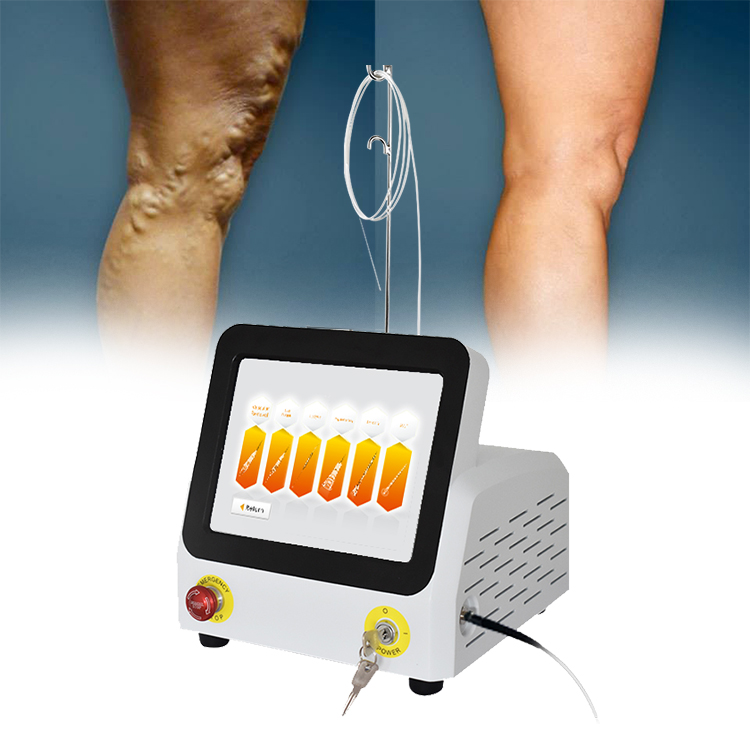
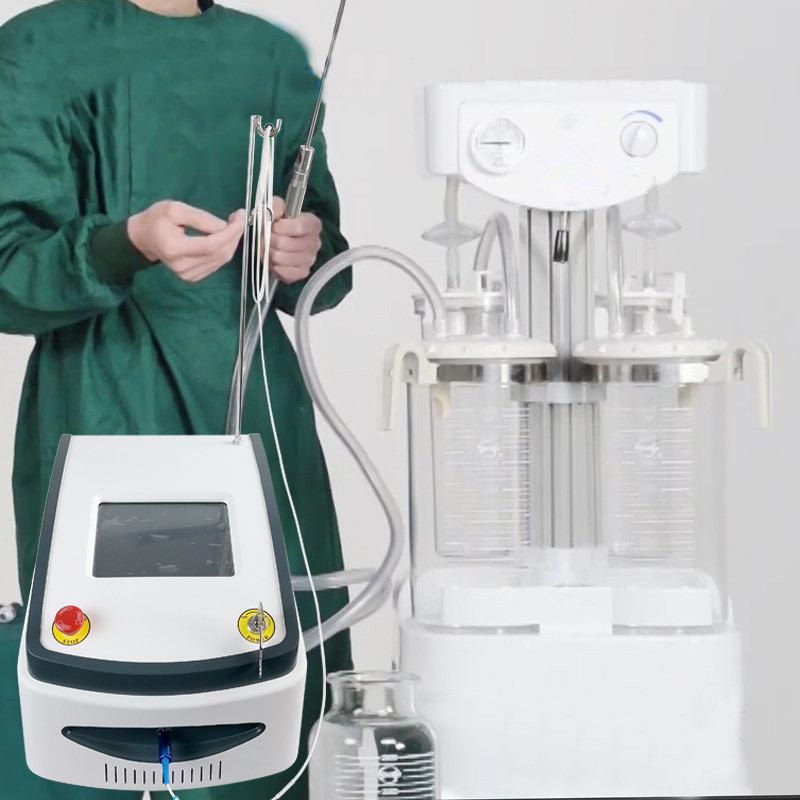
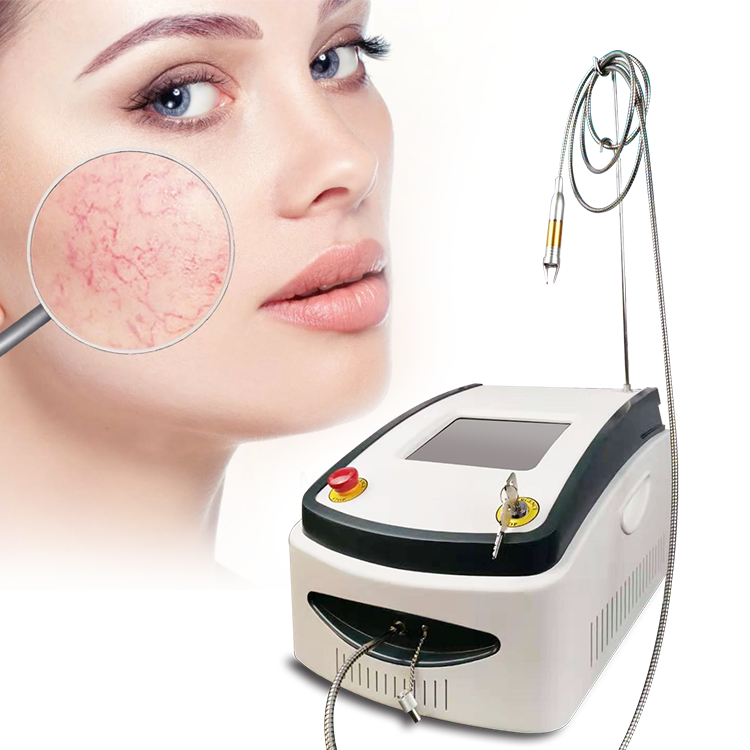

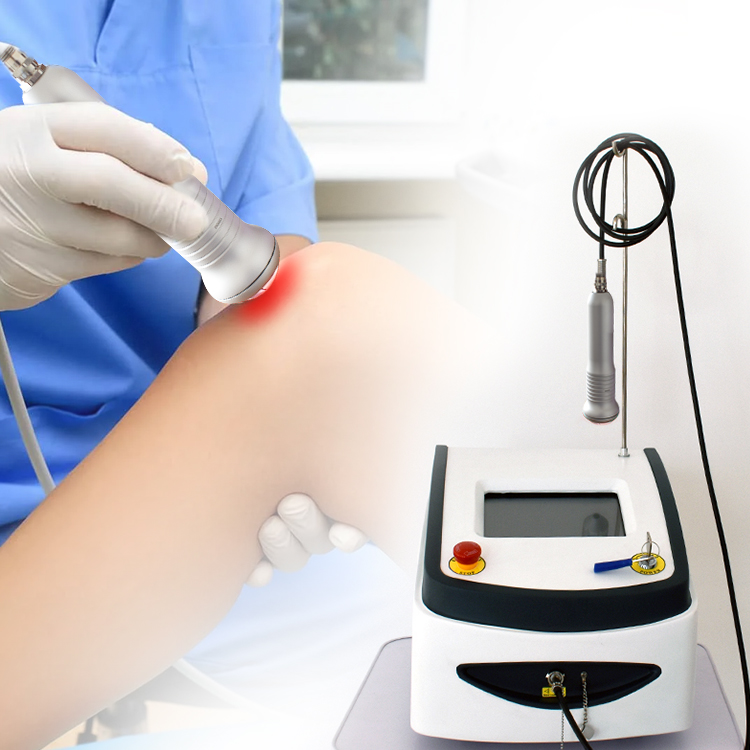

diode laser 980 1470 nm for hemorrhoid Industry Giant Supplies the World\u2019s Top Brands
Top Selling Products



- Related Blog
- Reviews
