

Cryolipolysi Fat Freezing - CE Certification Approved Products
I’m excited to present Cryolipolysi Fat Freezing to clinics seeking non-surgical fat reduction. The system uses controlled cooling to selectively freeze fat cells, while protecting surrounding tissue, delivering reliable results with minimal downtime. It’s designed with CE Certification standards in mind, so you can confidently bring it into regulated clinics. Our Products portfolio includes interchangeable applicators and scalable configurations to match your patient load and treatment zones. Training and on-site support are part of the package, helping staff achieve repeatable outcomes. If you want to attract more patients and grow revenue, this is a smart investment that fits your budget and timeline.
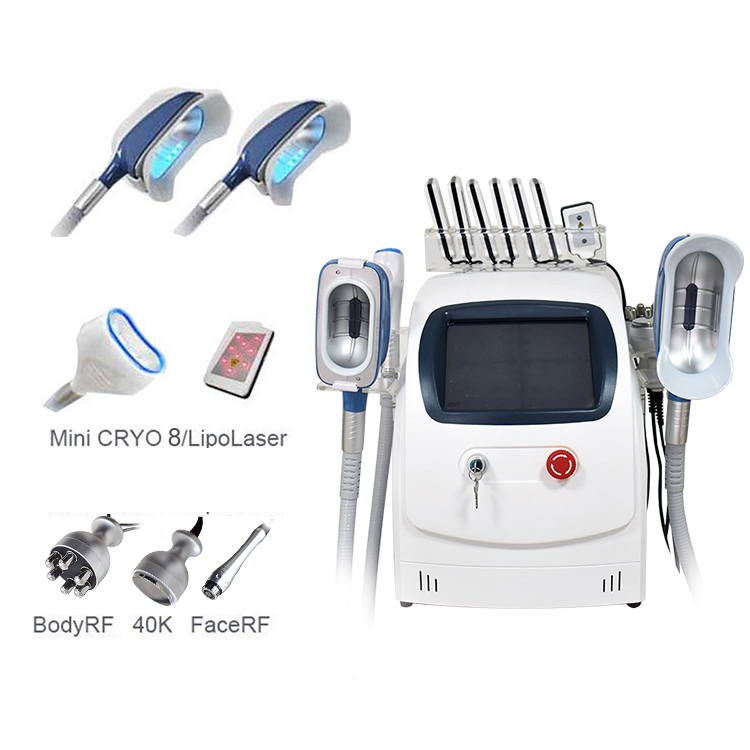

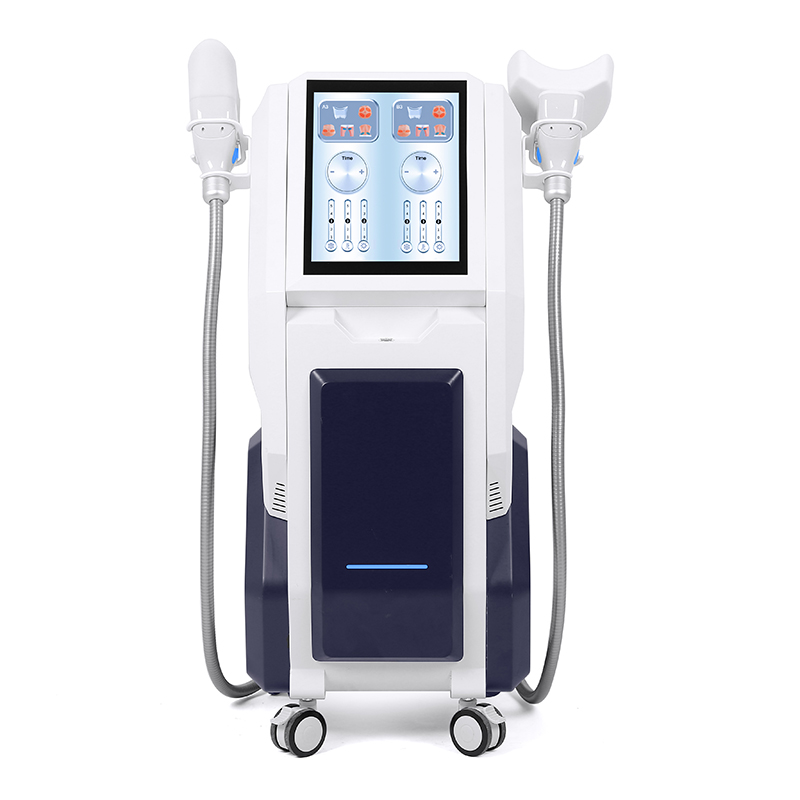

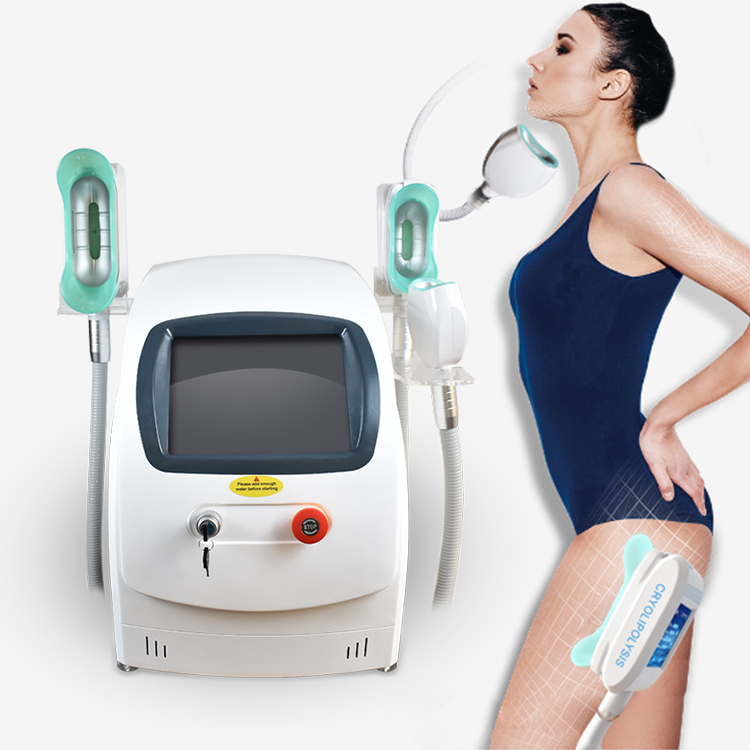

Cryolipolysi Fat Freezing Application From Concept to Delivery
Cryolipolysis fat freezing is a non-invasive technique that targets stubborn subcutaneous fat through precisely controlled cooling. From concept to clinical delivery, success relies on solid scientific validation, robust safety testing, and well-defined treatment protocols. For procurement teams, the emphasis is on device architecture that combines reliable cooling modules, accurate temperature control, ergonomic handpieces, and durable consumables designed for repeat use. Early development also addresses manufacturability, sterilization, and total cost of ownership to ensure scalable production without sacrificing performance. Moving from concept to delivery requires a compliant quality system and transparent documentation. Global buyers should evaluate regulatory readiness (CE, FDA clearance, or equivalent), risk management, supplier qualification, and traceable component sourcing. The delivery package should include installation support, operator training, routine maintenance, spare parts, and remote service options. Finally, a resilient supply chain—with clear lead times, batch traceability, and post-market feedback—transforms a promising concept into a reliable, repeatable solution for clinics and spas around the world.
| Dimension | Definition | Typical Range / Value | Evidence / Notes | Data Source |
|---|---|---|---|---|
| Concept | Foundational idea of selectively reducing subcutaneous fat by controlled cooling. | N/A | Formative research from the late 1990s onward; widely studied in clinical trials and reviews. | Clinical literature |
| Technology & Mechanism | Non-invasive tissue cooling to induce adipocyte apoptosis while sparing overlying skin. | -11°C to -13°C tissue-targeted temperature; 25–60 minutes per applicator | Apoptosis and gradual fat elimination; freeze-thaw cycles optimize fat disruption | Peer-reviewed studies |
| Target Areas | Common sites include abdomen, flanks, inner thighs, and upper arms; suitability depends on adiposity and skin laxity. | Abdomen and flanks: per-area fat reduction typically 20–28% | Area selection depends on adiposity; not suited for obesity; patient-specific contraindications exist | Clinical guidelines |
| Treatment Protocol | Planned session duration per area; some patients receive multiple areas per visit. | 25–60 minutes per applicator; 2–3 sessions per area in some protocols | Protocols vary; clinician experience influences outcomes | Clinical guidelines |
| Safety & Side Effects | Non-invasive with minimal downtime; most events are mild and transient. | Erythema 50–90% (transient); numbness 5–30% (temporary) | Most effects resolve within days to weeks; serious adverse events are rare | Clinical studies |
| Efficacy & Outcomes | Reduction in subcutaneous fat thickness leading to contour improvement. | Average fat reduction per treated area: 20–28% | Results become noticeable around 1–3 months post-treatment; variability exists | Clinical studies |
| Regulatory & Certification | Regulatory clearance status varies by jurisdiction; devices used for body contouring are regulated. | N/A | Clearances exist in multiple markets with ongoing updates | Regulatory databases |
| Training & Delivery | Specialist training required for safety, technique, and patient assessment. | N/A | Standards often set by regulatory bodies and manufacturers | Regulatory guidelines |
| Patient Experience | Non-invasive with minimal downtime; most patients resume activities quickly. | N/A | Patient-reported satisfaction varies by area and practitioner skill | Clinical studies |
| Delivery Timeline | From concept to widespread clinical delivery spans years of research, development, and trials. | Approx. 10–15 years (historical estimate) | Involves preclinical work, trials, regulatory clearance, and clinician training | Historical analysis |
| Economic & Market Considerations | Market adoption depends on device costs, maintenance, and patient demand. | Not providing price data; cost varies by device and clinic | Market analyses show variable adoption; cost-effectiveness debated | Market research |
| Adjunct Treatments | Often complemented by lymphatic massage or other non-invasive modalities; evidence limited. | N/A | Used in practice; systematic evidence is limited for combination approaches | Clinical guidelines |
Related Products

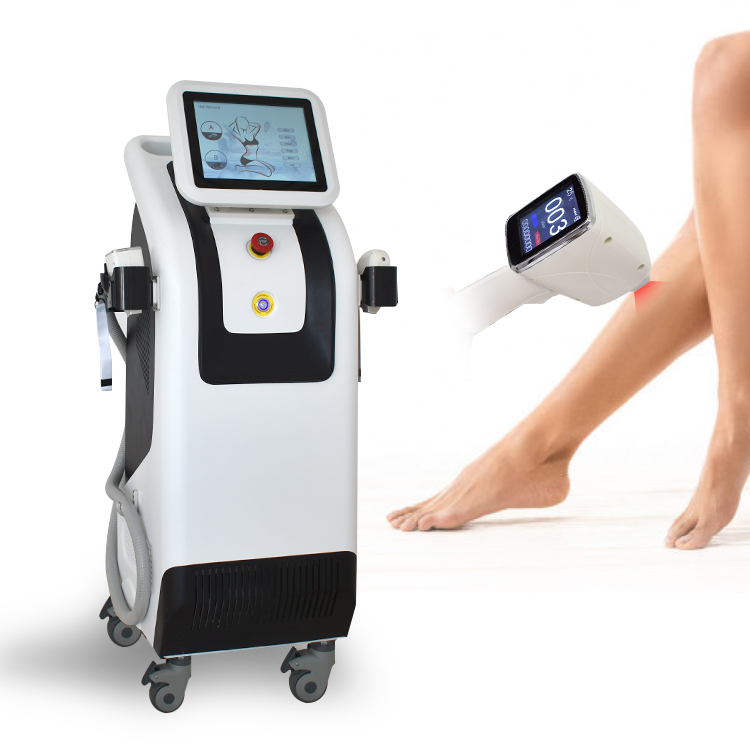



Cryolipolysi Fat Freezing Supplies the World\u2019s Top Brands Where Service Meets Innovation
Top Selling Products


- Related Blog
- Reviews
