

Co2 Fractional Laser For Skin Resurfacing ODM Product
We offer the Co2 Fractional Laser For Skin Resurfacing with clinical precision and ODM-ready customization that fits your brand and regulatory path. We designed this system for clinics and med spas seeking reliable skin resurfacing with minimal downtime. The platform uses fractional CO2 technology to improve wrinkles, scars, and texture, with adjustable energy, pulse duration, density, and scanning patterns. For product lines, this is a robust, scalable unit that can be integrated into existing workflows and training programs. Our ODM capabilities let you tailor handpieces, software, and packaging to your label, while we provide service, calibration, and spare parts support. The compact footprint, built-in cooling, and safety features keep operators confident. If you’re growing a premium aesthetic line, this unit gives you speed to market and predictable results. Let’s talk about your target markets and regulatory journey, and how we can co-create your next product.
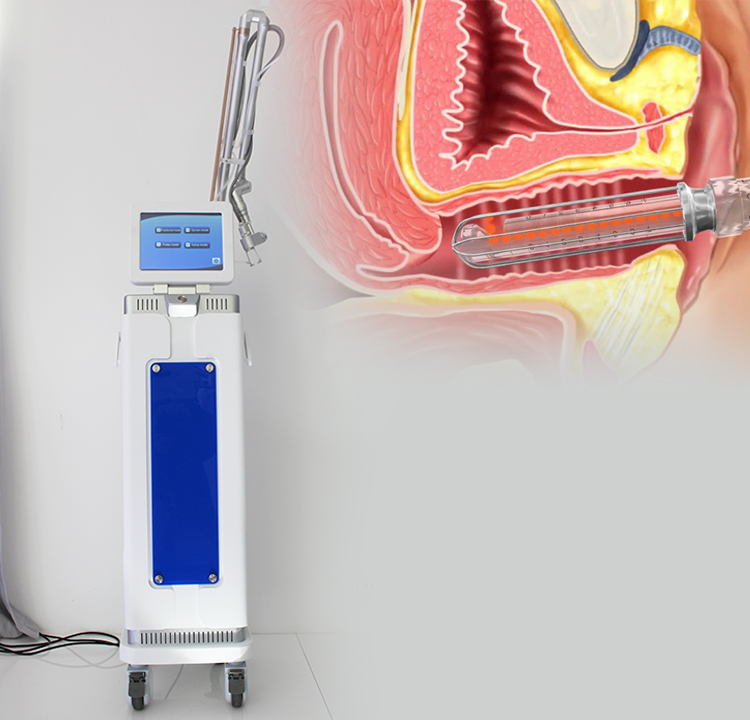

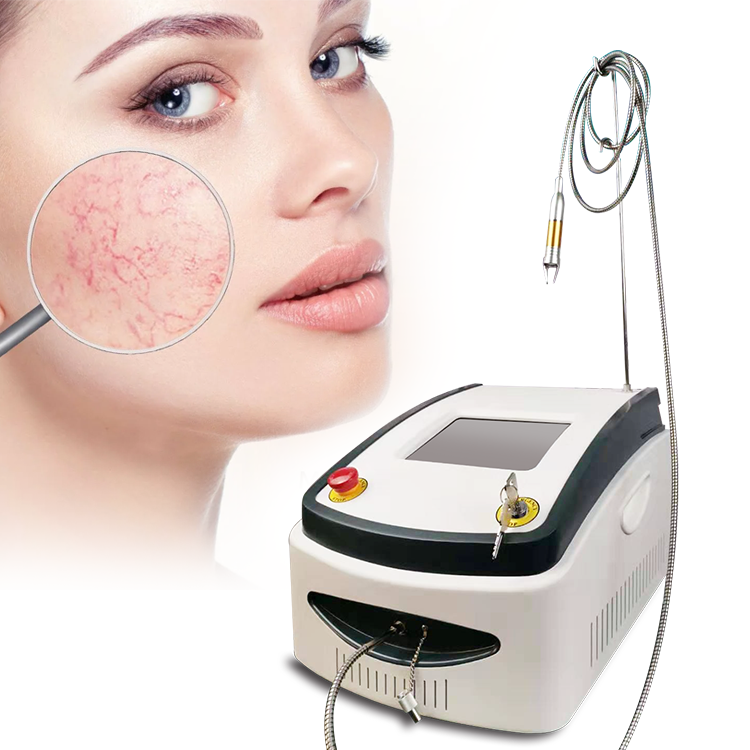


Co2 Fractional Laser For Skin Resurfacing Your End-to-End Solution Outperforms the Competition
Global buyers seek an advanced CO2 fractional laser for skin resurfacing that delivers consistent, upgrade-ready results. The system uses fractional micro-beams to remove damaged skin while preserving surrounding tissue, promoting rapid collagen remodeling and predictable downtime. It offers adjustable energy, density, and pulse duration to treat wrinkles, scars, and dyschromia across diverse skin types, with integrated cooling for comfort. The end-to-end solution includes installation, training, protocols, spare parts, software updates, and remote diagnostics, reducing risk and downtime. Compared with stand-alone devices, this bundled approach provides a global ecosystem that simplifies compliance and maintenance. International buyers gain a reliable supply chain, standardized workflows, and the total cost of ownership, translating to faster ROI and scalable expansion. With safety features and monitoring, clinics can deliver reliable results across sites while protecting capital.
| Parameter | Description | Typical Range | Unit | Example Value |
|---|---|---|---|---|
| Wavelength | Core wavelength of the ablative CO2 laser used for fractional resurfacing | 10600 | nm | 10600 |
| Fractional Density | Fractional ablation density across the treated area | 5-40 | % | 25 |
| Pulse Duration | Single pulse duration per microbeam | 0.05-0.2 | ms | 0.12 |
| Spot Size | Size of each microbeam spot | 20-120 | µm | 60 |
| Energy per Microbeam | Energy delivered per microbeam | 0.3-2.0 | mJ | 0.9 |
| Number of Passes | Number of passes over the treatment area | 1-3 | passes | 2 |
| Treatment Area per Pass | Area covered per pass (approximate) | 0.5-2.5 | cm² | 1.2 |
| Downtime | Estimated downtime after treatment | 3-7 | days | 5 |
| Redness Duration | Redness and inflammation duration | 7-14 | days | 10 |
| Pain During Procedure | Patient-reported pain during treatment (0-10 scale) | 3-7 | score | 5 |
| PIH Risk | Post-inflammatory hyperpigmentation risk, especially in darker skin types | 0.5-4 | % | 2 |
| Expected Outcome (Wrinkle/Texture Improvement) | Estimated improvement in wrinkles and skin texture at 3 months | 30-60 | % | 45 |
Related Products



Co2 Fractional Laser For Skin Resurfacing Is The Best Service Backed by Expertise
Top Selling Products

- Related Blog
- Reviews
