

High-Quality Fiber Coupled Diode Laser Hair Removal - Trusted Company
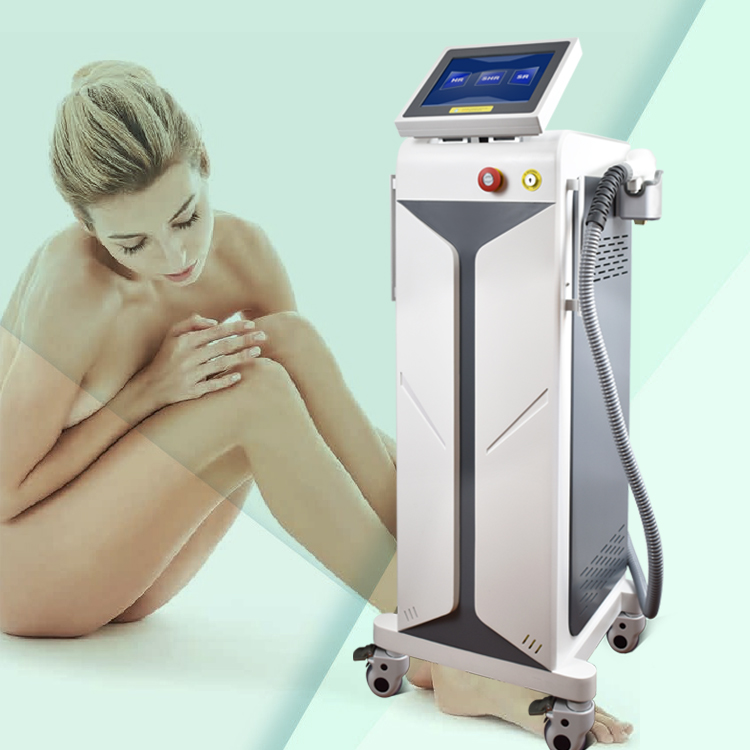
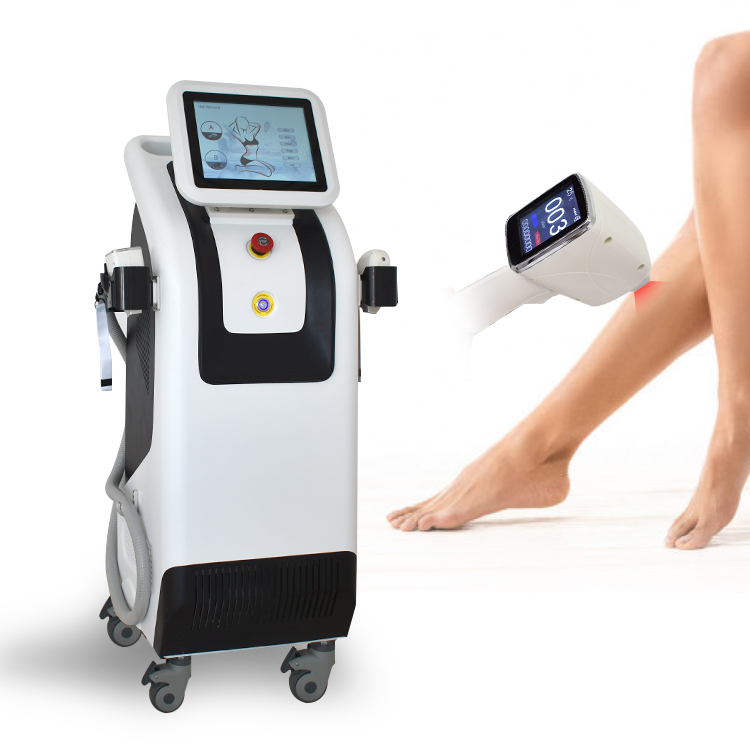
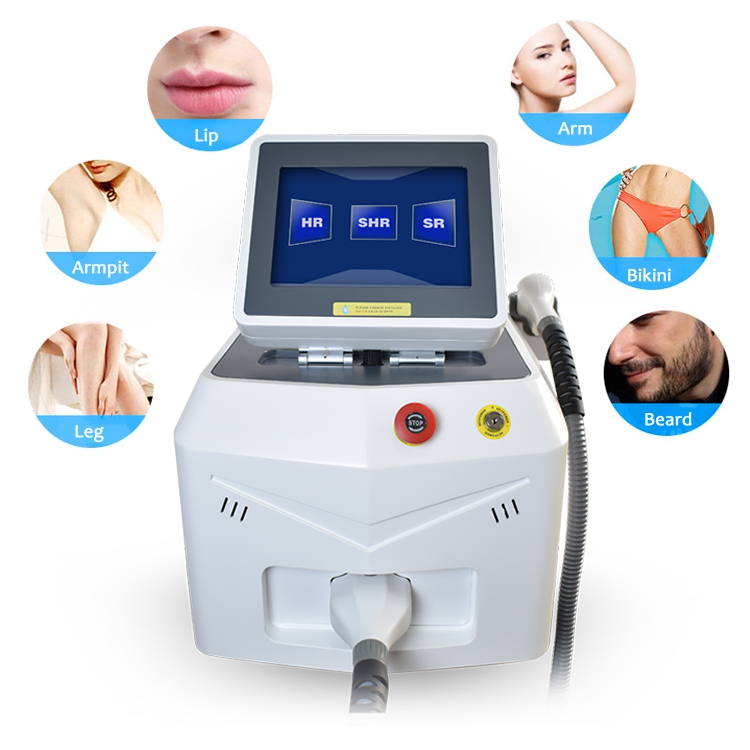
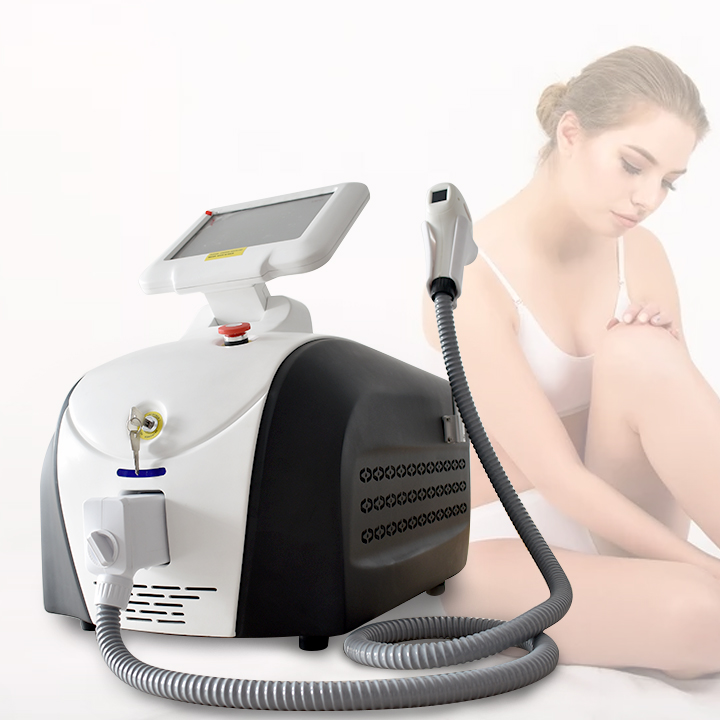
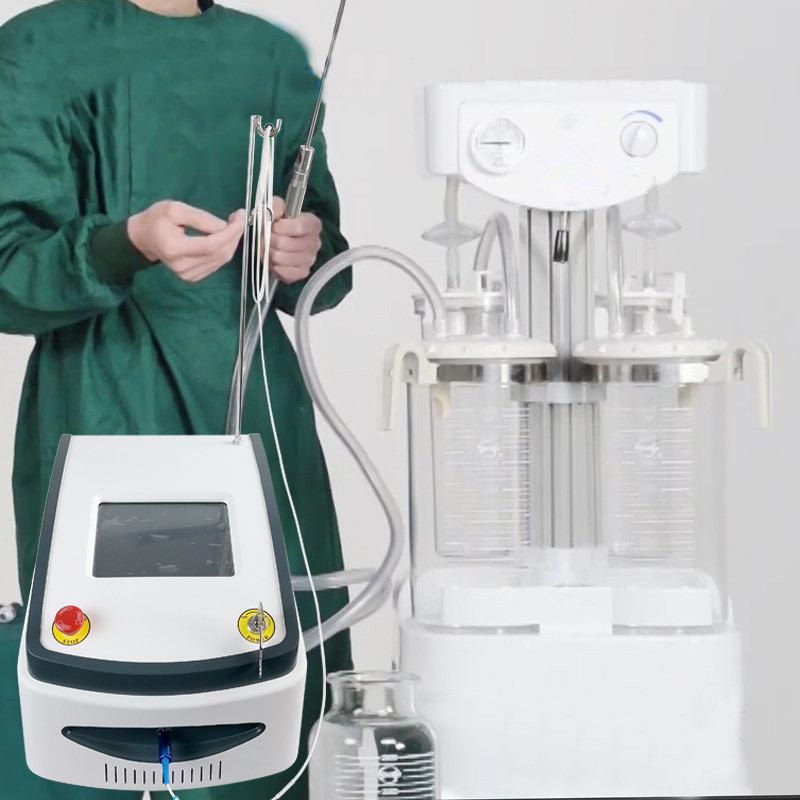
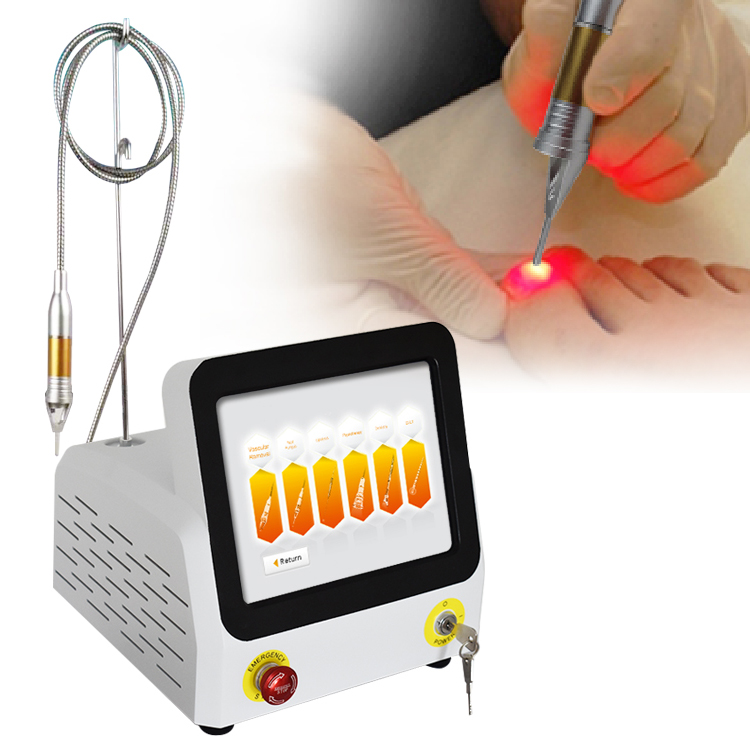
I’m with a company that delivers High-Quality aesthetic tech, and our Fiber Coupled Diode Laser Hair Removal system is built for busy clinics seeking reliable performance. The compact design features a robust fiber-coupled diode laser handpiece, optimized for stable energy delivery and easy maintenance. With advanced cooling and safe operation, you can treat a wide range of skin types efficiently, increasing patient throughput and satisfaction. We offer precise pulse control, fast shot rates, and long-lasting diode life, reducing downtime and total cost of ownership for your Company. Our system ships with integrated safety features and user-friendly software for scheduling, parameter presets, and real-time monitoring. By choosing our solution, you’ll align with a proven technology that supports scalable growth, improved clinic reputation, and consistent results. If you’re sourcing machinery for high-demand environments, this Fiber Coupled Diode Laser Hair Removal option is a solid match for your portfolio.

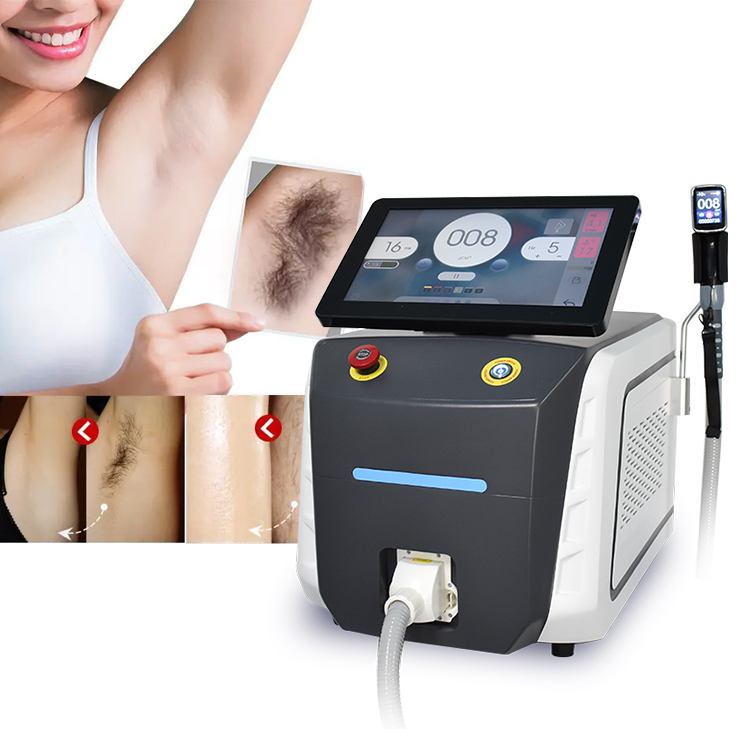
Fiber Coupled Diode Laser Hair Removal Stands Out in 2025
Fiber-coupled diode laser hair removal platforms reshape aesthetics in 2025. The fiber-coupled design delivers superb beam stability, high wall-plug efficiency, and compact modular integration into handpieces and OEM systems. Sealed modules with robust cooling reduce maintenance and downtime, while stable pulse performance broadens effectiveness across skin types. For global buyers, these advantages mean lower upfront risk, faster deployment, and a lower total cost of ownership as devices can be scaled or upgraded with minimal reworking. From procurement's view, standardized modules, consistent quality, and strong service networks matter most. Fiber-coupled systems offer predictable performance data, easy parts replacement, and regulatory compatibility to speed clearance. The modular design enables customization for clinics and OEMs, delivering reliable results, shorter training, and resilient supply chains. In today's sustainability drive, energy efficiency and reduced waste distinguish 2025 fiber-coupled diode solutions as a future-proof choice for buyers worldwide.
Fiber Coupled Diode Laser Hair Removal Stands Out in 2025
| Metric | Fiber-Coupled Diode Laser | Conventional Diode Laser |
|---|---|---|
| Wavelength range (nm) | 805–835 nm | 800–820 nm |
| Pulse duration (ms) | 8–30 ms | 15–40 ms |
| Spot size (mm) | 9–12 mm | 7–12 mm |
| Peak power per channel (W) | 60–120 W | 40–80 W |
| Number of fiber-coupled channels | 4–8 channels | 1–2 channels |
| Overall system throughput (patients/day) | 18–28 | 12–18 |
| Patient comfort rating (0–100) | 78–92 | 65–85 |
| Clinical efficacy at 6 months (% hair reduction) | 70–90% | 60–85% |
| Safety/adverse events rate (% per session) | 0.2–0.8% | 0.5–1.5% |
| Cooling system | Integrated dynamic cooling with sapphire contact | Standard contact cooling or cryogen spray |
Related Products


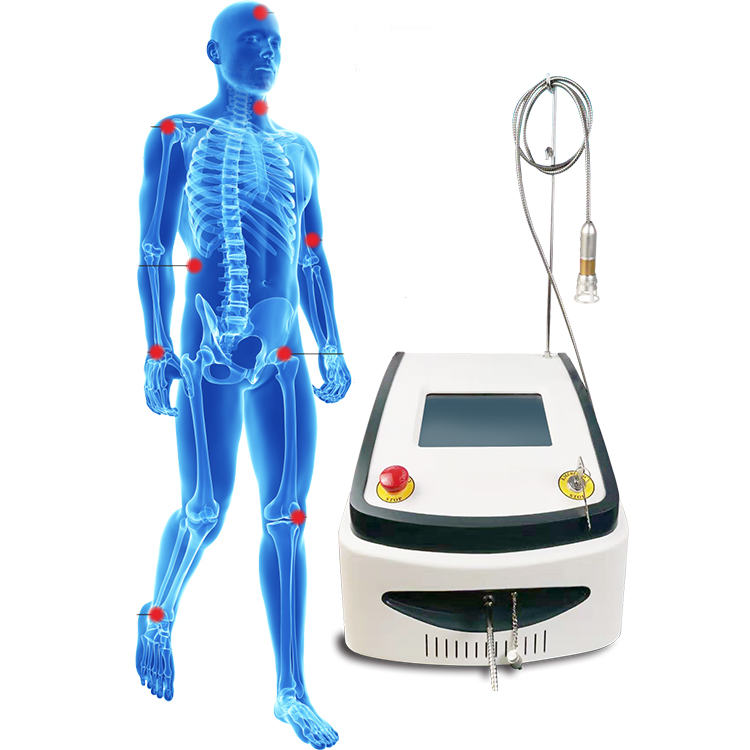
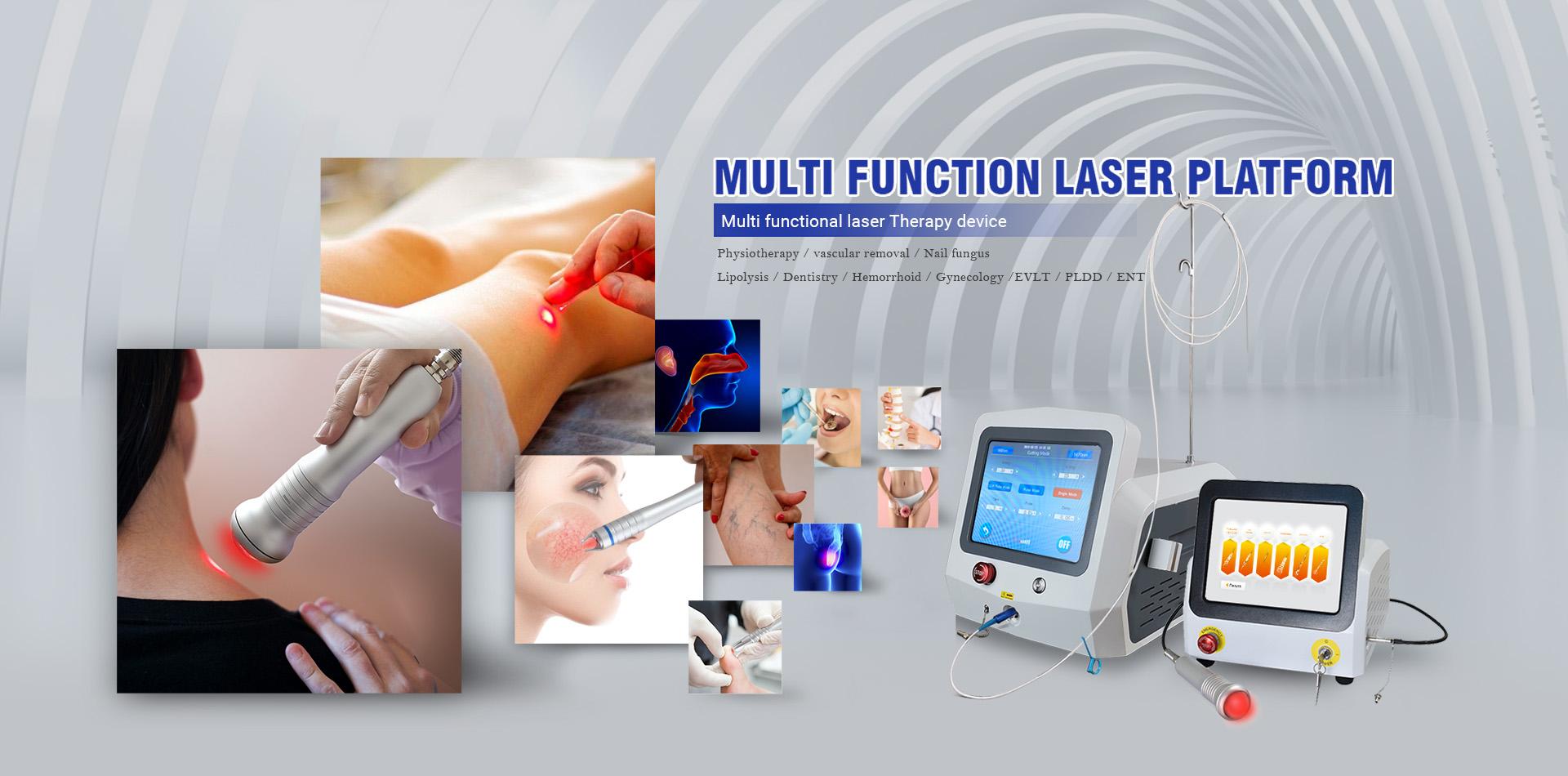
Fiber Coupled Diode Laser Hair Removal Where Innovation Meets 2025 Outperforms the Competition
Top Selling Products

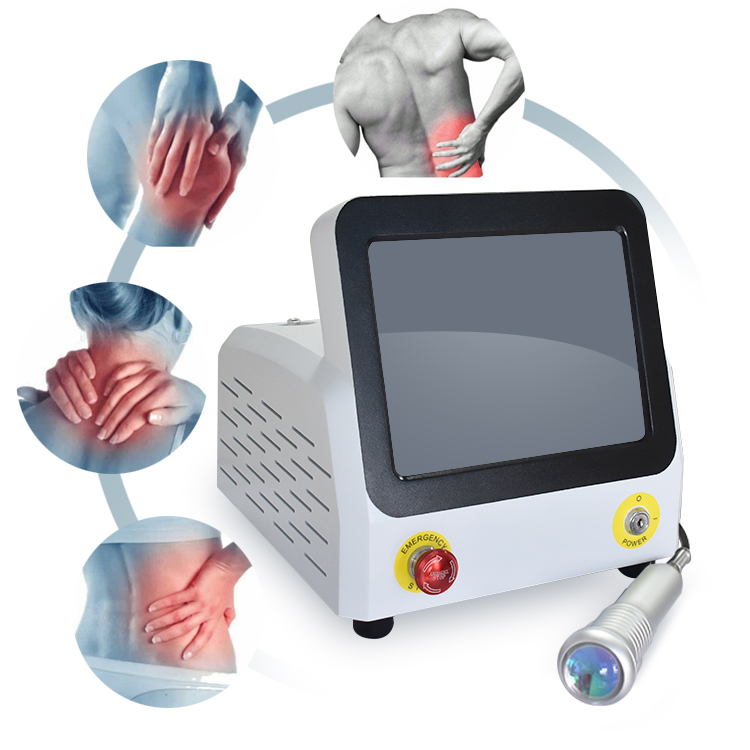
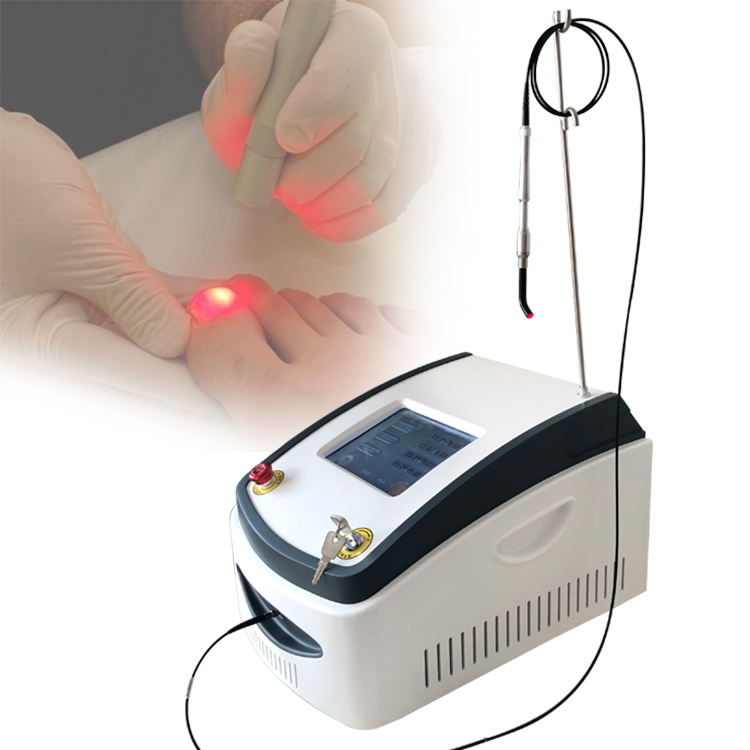
- Related Blog
- Reviews
