

Laser Hair Removal Machine Diode - OEM Solutions for Companies
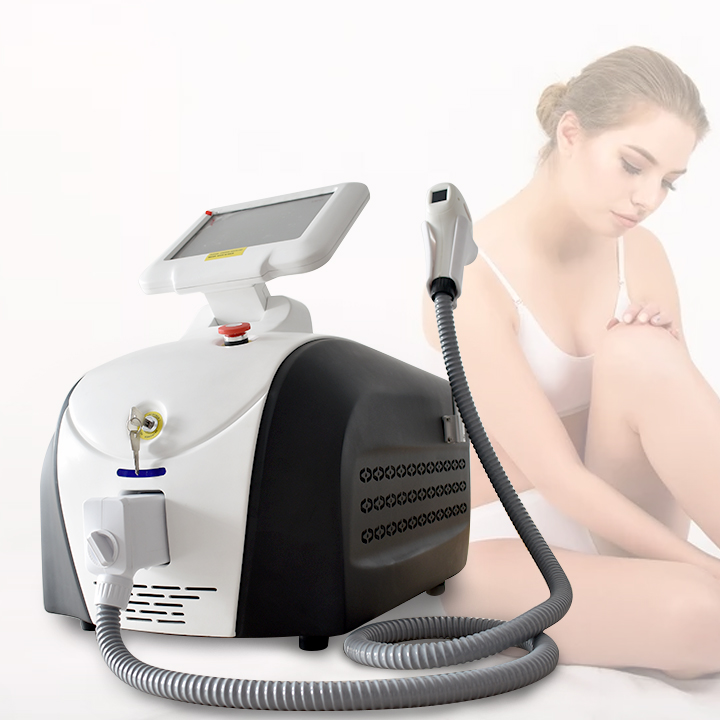
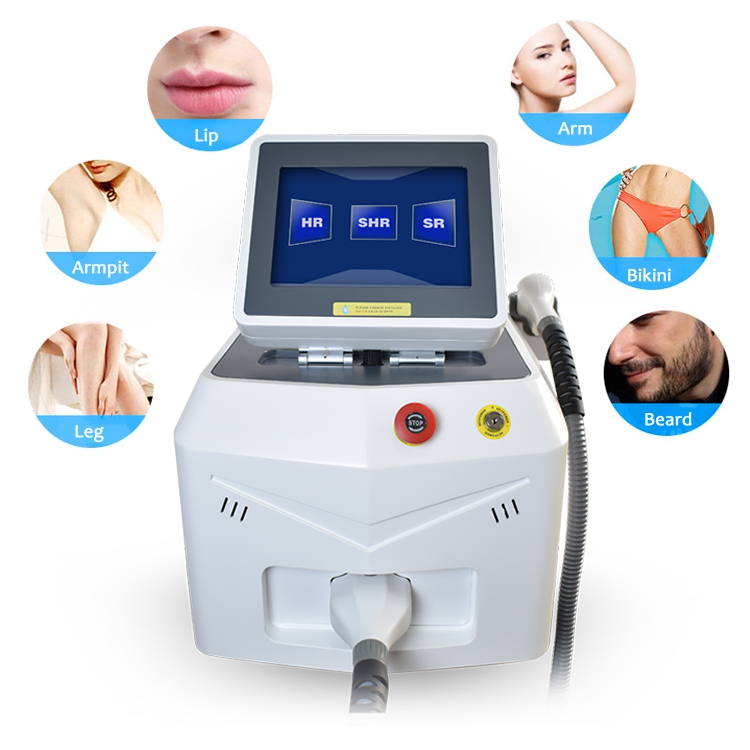
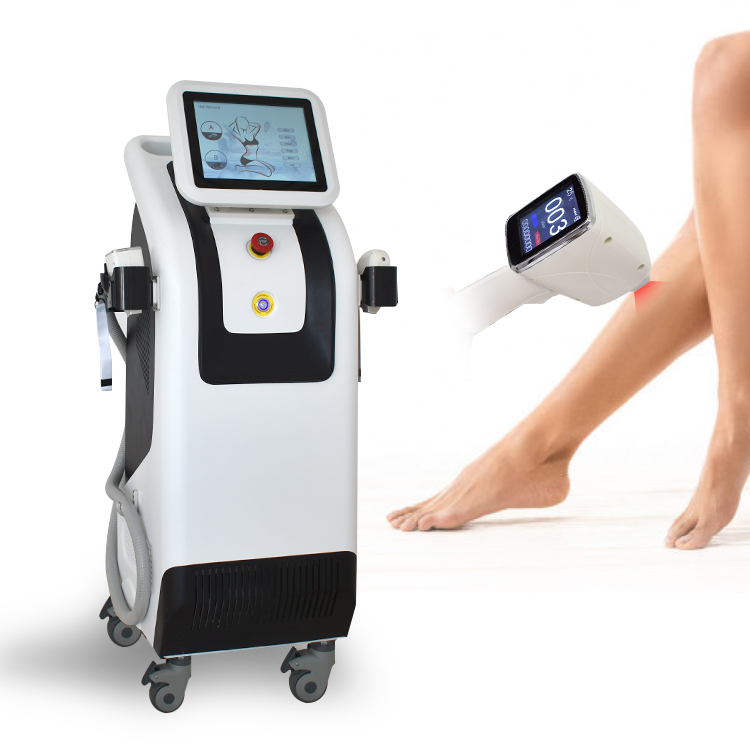
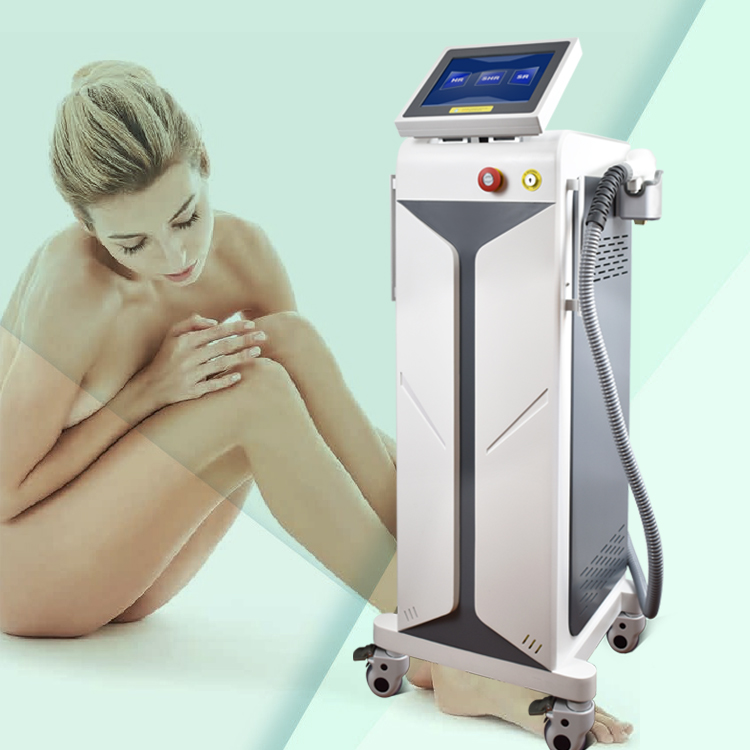
From the lab to your showroom, I deliver a Laser Hair Removal Machine Diode that meets the demanding needs of clinics and OEM partners. Built on high-precision diode technology, it offers stable energy, fast repetition, and effective hair reduction across skin types I–IV. The integrated cooling system protects patients and extends device life, while touch-screen control and real-time energy monitoring simplify operation. For OEM and Companies, I offer flexible customization: compact footprints, customizable interfaces, branding options, and scalable production schedules. Our machine ships with CE/FDA-ready documentation, safety interlocks, and remote diagnostics to minimize downtime. I stand behind performance with tight QA, spare parts availability, and responsive after-sales support. Whether you’re expanding a current product line or building a new aesthetic clinic network, this Laser Hair Removal Machine Diode is designed to partner with you for long-term success.


Laser Hair Removal Machine Diode in 2025 More Than a Supplier - A Partner
By 2025, laser hair removal diode platforms have matured into compact, reliable systems that blend efficiency with safety. Global buyers seeking more than a supplier should look for a true partner who can translate clinical needs into dependable hardware, long-term service, and continuous improvements. Focus on diode modules with stable wavelength and power, efficient cooling, durable handpieces, and medical-grade certifications. A collaborative developer also aligns on roadmaps, offers modular upgrades, and supports multilingual training for clinic uptime. Critical criteria for procurement include resilient supply chains, transparent lead times, and traceable components that meet ISO 13485 and regulatory requirements. Consider partners offering end-to-end service: installation, training (on-site or remote), spare parts, proactive maintenance, firmware updates, and responsive SLAs. Data-driven remote diagnostics help minimize downtime across regions. In a global rollout, a trusted partner co-creates a go-to-market plan, supports customization or private labeling, and shares risk for faster, smoother expansion.
Laser Hair Removal Machine Diode in 2025 More Than a Supplier - A Partner
| Dimension | Unit | 2025 Value | Notes |
|---|---|---|---|
| Wavelength | nm | 800–810 | Common diode range for hair removal |
| Diode Module Type | - | Single or multi-diode arrays | Modular designs support scalable power |
| Peak Power | W | 600–1200 | High peak power enables faster treatment |
| Pulse Duration | ms | 5–20 | Short pulses reduce skin damage risk |
| Repetition Rate | Hz | 1–10 | Flexible pulse delivery |
| Spot Size | mm | 9–12 | Standard handpieces |
| Cooling System | - | Contact cooling + water/air cooling | Maintains skin surface temperature |
| Skin Cooling Temp | °C | 5–10 | Active cooling for comfort |
| Energy Density | J/cm2 | 6–30 | Delivered energy per unit area |
| Pulse Energy | J | 0.5–2.0 | Depends on spot size and settings |
| Footprint (WxDxH) | cm | 40 × 60 × 110 | Typical compact system size |
| Weight | kg | 60–95 | Includes console and cooling |
| Safety Certifications | - | IEC 60601-1; ISO 13485 | Medical device compliance |
| Diode Module Lifetime | years | 5–10 | Expected service life under normal use |
| Maintenance Interval | months | 6–12 | Annual professional service recommended |
| Noise Level | dB | 40–60 | Operational sound range |
Related Products




Laser Hair Removal Machine Diode Manufacturer For the Current Year
Top Selling Products


- Related Blog
- Reviews
