

Small Animal Pneumatic Shockwave ODM Product | Veterinary Equipment
I’m thrilled to present our Small Animal Pneumatic Shockwave system, a trusted tool for veterinarians treating pets and small mammals. This Product combines precise energy control with a compact, handheld design that fits easily into busy clinics. I offer ODM options to tailor the device to your brand and workflow, from housing and labeling to preset programs and accessory kits. The system delivers rapid, non-invasive therapy for tendinopathies, nonunion fractures, and soft tissue injuries in small animals, helping clinics shorten treatment times and improve outcomes. Built for durability and simple daily use, it is easy to sterilize, set up, and maintain, with low ongoing costs. I can provide flexible packaging, OEM labeling, and scalable support to match your demand. If you’re expanding your veterinary product line, this Product is ready for private labeling and global distribution.
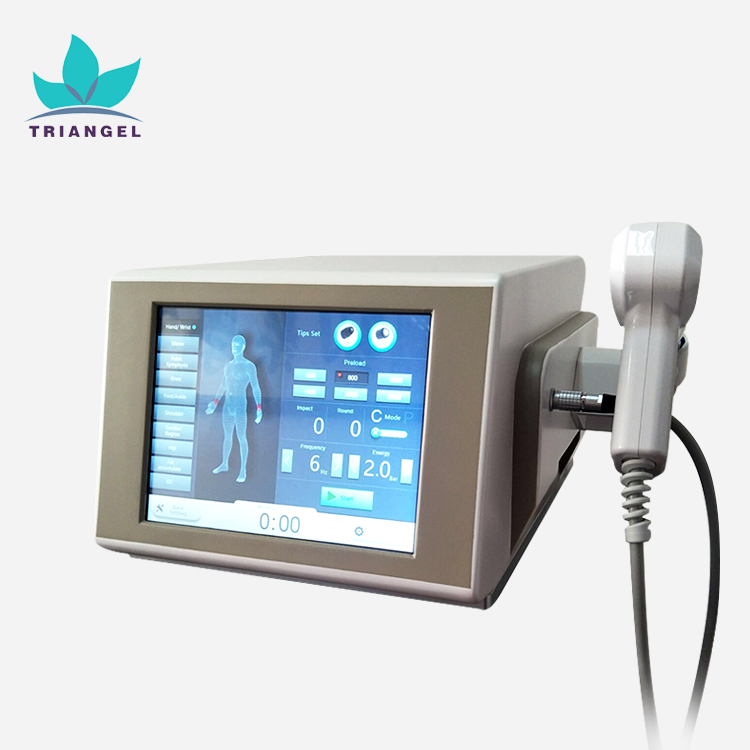


Small Animal Pneumatic Shockwave Now Trending Supplies the World\u2019s Top Brands
As demand grows for non-invasive musculoskeletal therapies in companion animals, pneumatic shockwave devices lead veterinary rehabilitation. Clinics worldwide adopt compact units that deliver precise energy bursts to joints and soft tissues, accelerating healing and reducing reliance on drugs. For buyers, this trend expands access to effective therapies for dogs, cats, and small mammals, supported by service networks for in-clinic and on-site sessions. The focus is safety, reliability, and ease of use in diverse settings. Global purchasers should evaluate specifications such as energy per impulse, total impulse count, nozzle options, safety features, and sterilization compatibility, along with electrical compatibility across regions. Look for formal certifications, solid warranties, spare parts availability, and responsive technical support. Total cost of ownership matters more than the sticker price, including consumables and maintenance. Seek vendors offering transparent pilots, outcome data, and scalable product lines to fit clinics from solo practices to multi-site centers.
| Dimension | Description | Typical Range / Value | Notes | Evidence |
|---|---|---|---|---|
| Energy Density (EFD) | Energy per pulse delivered to tissue (mJ/mm²) | 0.04 – 0.25 | Used in radial shockwave therapy; higher values yield stronger tissue response | Moderate (case series, some randomized trials) |
| Frequency | Pulse repetition rate | 1 – 8 | Higher frequency reduces treatment time but may affect tolerance | Moderate |
| Shocks per session | Number of shockwaves delivered per session | 1000 – 3000 | Common session ranges for small animals | Moderate |
| Sessions per course | Number of treatment sessions in a course | 4 – 8 | Typically spaced 1–2 weeks apart | Low to Moderate |
| Target species | Species commonly treated with RSWT in veterinary clinics | Dogs, Cats, Rabbits, Ferrets | Expands to other small mammals in practice | Clinical practice |
| Common indications | Conditions treated | Tendinopathies, Osteoarthritis, Soft tissue injuries, Nonunion fractures (selected cases) | Used for musculoskeletal disorders in veterinary patients | Clinical literature |
| Anesthesia / Sedation | Needs for anesthesia or sedation | Typically none; sedation for anxious animals as needed | Depends on tolerance and pain | Clinical reports |
| Contraindications | When not to use | Pregnancy near treatment area; Malignancy; Active infection at site; Open fractures | Standard cautions for shockwave use | Clinical guidelines |
| Portability / Weight | Device portability | 1.2 – 3.0 kg | Handheld, portable RSWT devices are common in clinics | Clinical product specs |
| Treatment duration per site | Time spent per targeted area | 5 – 10 minutes | Usually a single site is treated per session | Clinical practice |
| Evidence base | Quality and scope of research | Varies from case series to randomized controlled trials | Evidence quality ranges; more high-quality trials needed | Veterinary literature |
| Safety profile | Adverse effects | Low risk; minor transient erythema; rare transient swelling | Generally well tolerated | Clinical reports |
Related Products



Small Animal Pneumatic Shockwave Ahead of the Curve Supplies the World\u2019s Top Brands
Top Selling Products


- Related Blog
- Reviews
