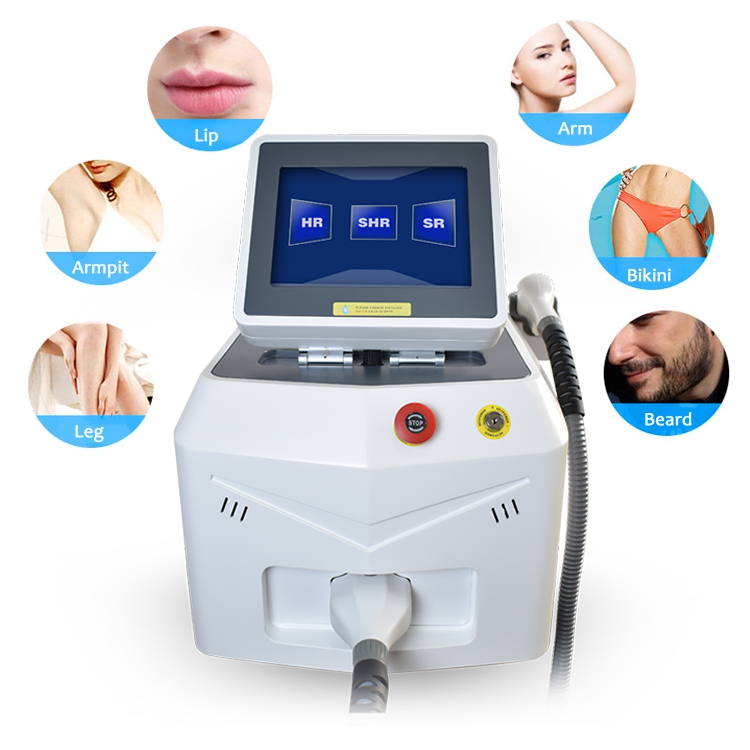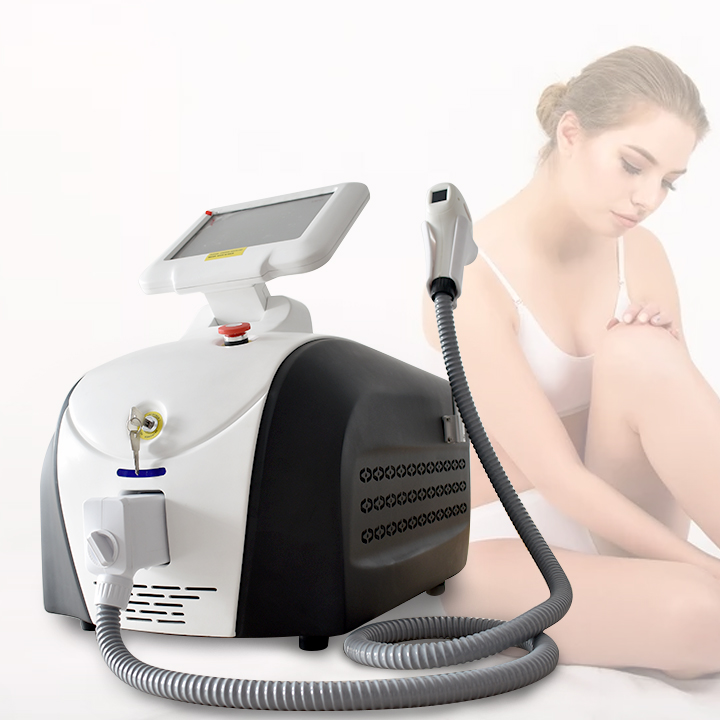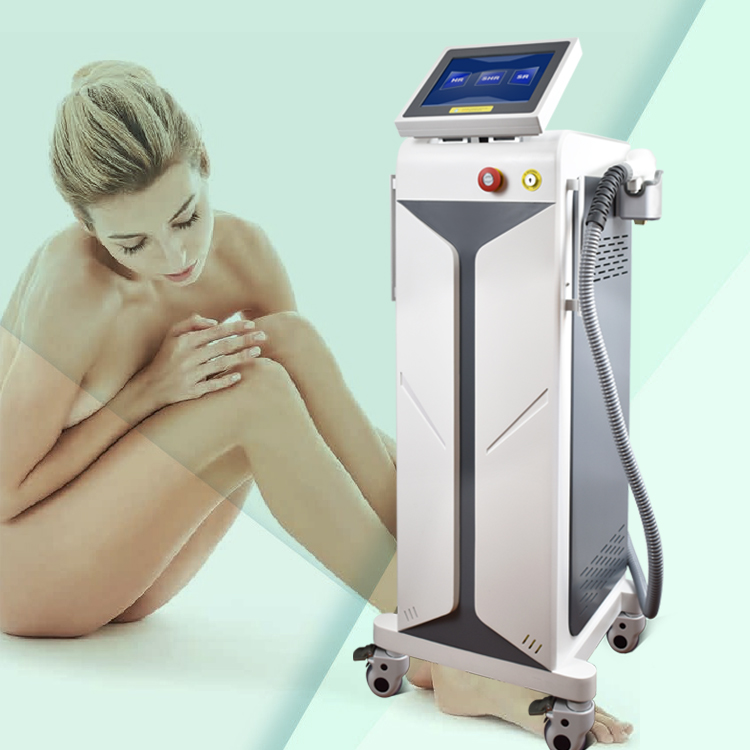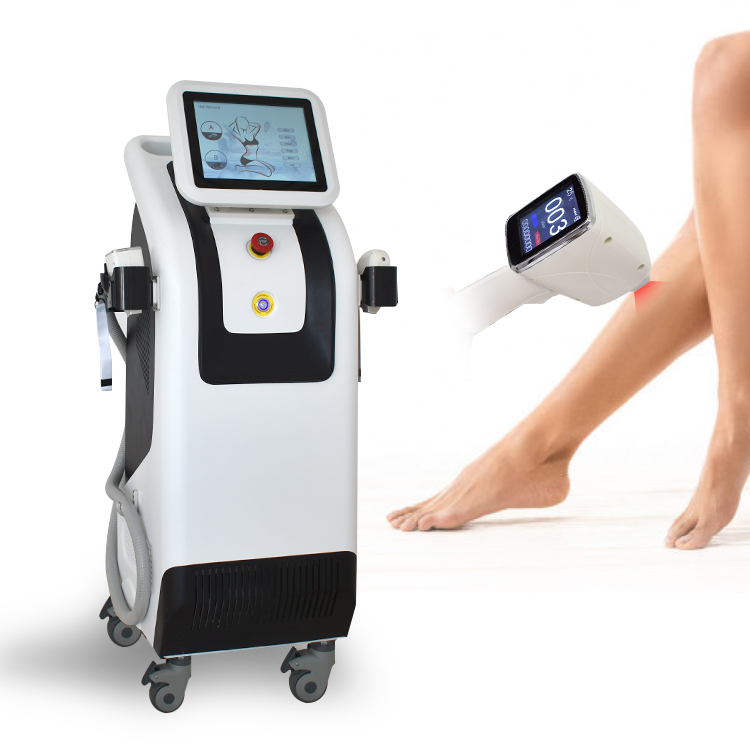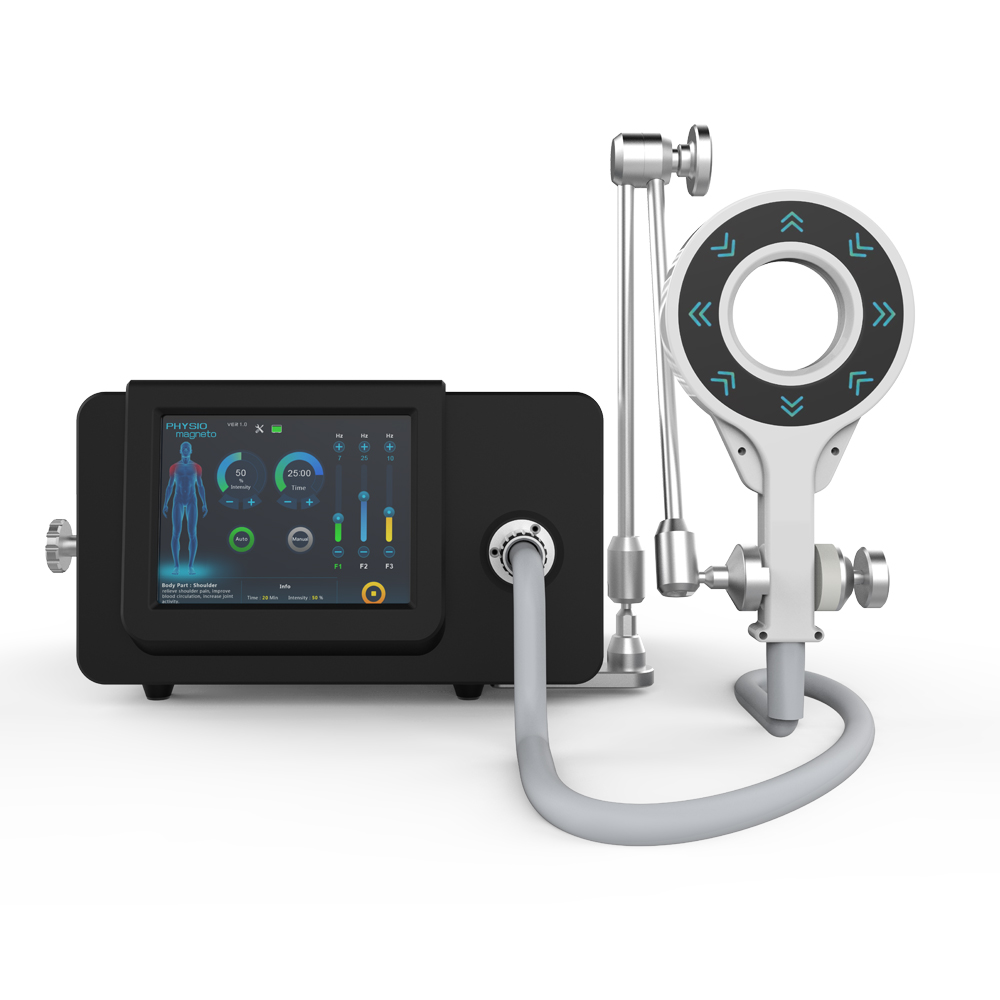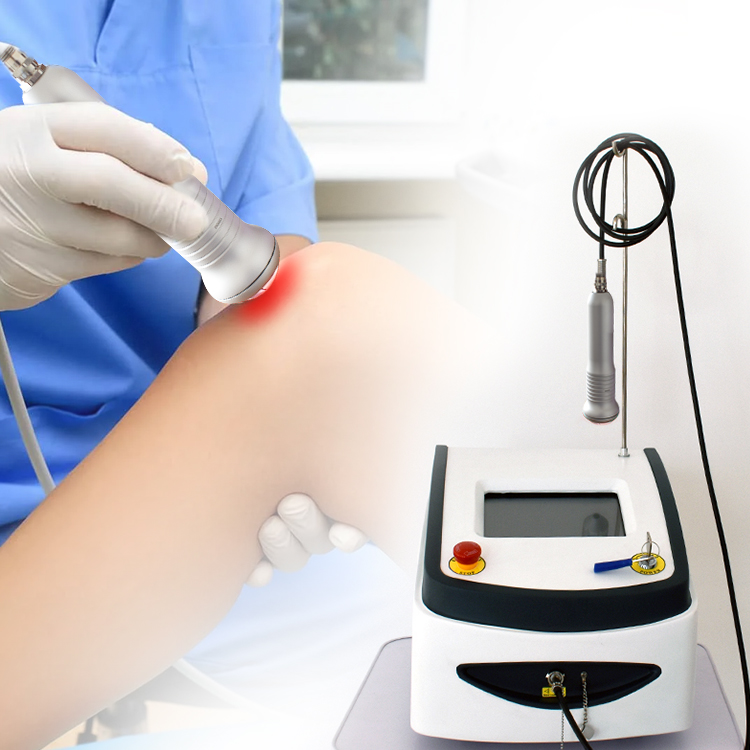
endolaser machine

Diode Laser For Hair Removal - CE Certification & Products

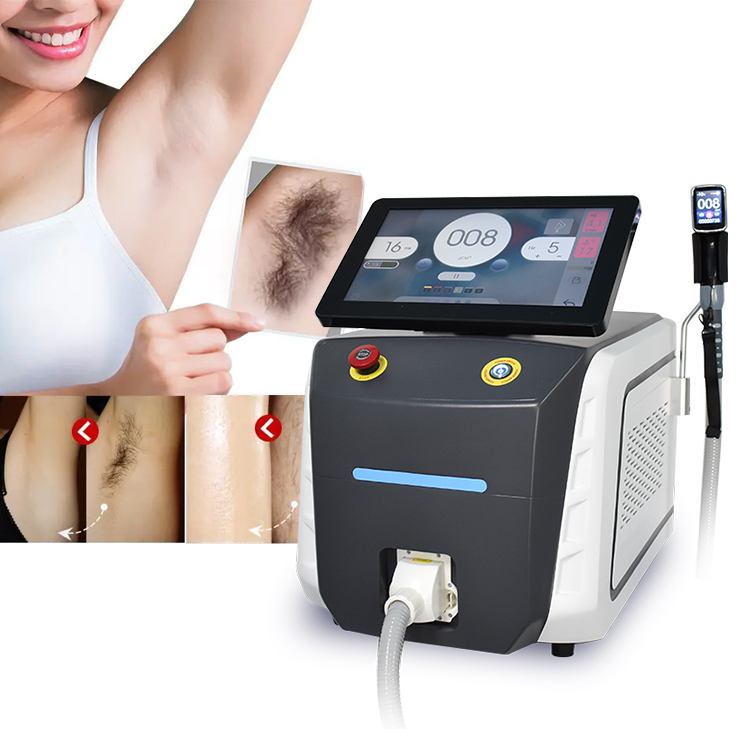
I present a reliable Diode Laser For Hair Removal system designed for clinics and medical spas. I built this solution to deliver fast, safe hair reduction on all skin types with consistent results. The diode technology provides high energy efficiency, deep penetration, and minimal downtime for clients, which helps you grow appointments and repeat business. Our device supports multiple handpieces and adjustable fluence, pulse duration, and spot sizes to tailor treatments to each patient. For buyers, we know CE Certification is essential, so our product meets international safety standards and comes with full documentation for easy compliance. I also emphasize our support: training, maintenance, and spare parts are available through our official Products catalog, with warranty coverage and remote diagnostics. If you’re seeking a scalable, cost-effective entry into professional hair removal, this system fits well. Let me show you how it integrates with your clinic workflow and patient care goals.

Hot Selling Product

Diode Laser For Hair Removal Manufacturer Factory-Direct Excellence

Global buyers seeking a reliable, cost-efficient hair removal solution will find diode laser technology delivers proven efficacy with targeted energy and minimal downtime. It works across a broad range of skin tones and body areas, offering steady performance and predictable results. Factory-direct production ensures consistent output, strict quality control, and scalable options—from compact systems to multi-handpiece configurations—so clinics can grow with demand. With robust safety features and simplified maintenance, diode laser platforms enable steady operations and high patient satisfaction. Choosing a factory-direct supplier translates into transparent pricing, shorter lead times, and flexible customization to meet regional regulations and workflow needs. Comprehensive support—pre-sales consultation, operator training, spare parts, and after-sales service—helps minimize downtime and maximize return on investment. Global buyers benefit from standardized documentation, reliable logistics, and multilingual technical assistance, enabling efficient deployment across markets while maintaining strict cost control and consistent performance.

Diode Laser For Hair Removal Manufacturer Factory-Direct Excellence

Model Wavelength (nm) Peak Power (W) Pulse Duration (ms) Repetition Rate (Hz) Spot Size (mm) Cooling System Applications Technology Type Year Introduced Lifetime (Million Pulses)
DL-810-Classic 810 60 15 1.5 12 Water-Cooled with Contact Cooling Underarms, Bikini, Legs High-Density Diode Array 2019 2.0
DL-810-Plus 810 75 12 2.0 12 Water-Cooled with Dynamic Cooling Arms, Legs, Bikini High-Density Diode Array 2020 3.5
DL-810-Pro 810 90 12 2.5 14 Direct Contact + TEC All body areas excluding face High-Density Diode Array 2021 5.0
DL-810-Ultra 810 120 8 1.0 16 Air-Cooled with Integrated Chillers Arms, Legs, Back, Bikini High-Density Diode Array 2023 9.0
DL-810-Lite 810 50 10 1.0 10 Compact TEC Cooling Underarms, Bikini Diode Ensemble 2022 1.5
DL-810-Eco 810 45 20 1.8 14 Water-Cooled Passive Legs, Back Low-Power Diode Module 2024 1.8

Related Products

banner1 (3)

Diode Laser For Hair Removal Factory Outperforms the Competition

Data Dimension: Productivity Benchmark by Device Model
Throughput (average sessions per day) by device model

Explanation: This chart displays a productivity benchmark for four diode-laser device configurations (Model A–D) in a controlled production setting. The metric is average treatment sessions completed per day, a direct proxy for manufacturing throughput and clinic-ready capacity. Model D shows the lead with about 140 sessions daily, followed by Model C around 125, Model A near 110, and Model B roughly 95. The ordering points to meaningful differences in cycle time, scanning speed, cooling efficiency, and setup duration per patient. A higher daily throughput can translate into lower unit labor costs and better asset utilization, assuming downtime and maintenance remain manageable. Yet throughput alone does not tell the full story. If faster models consume substantially more energy or require more frequent maintenance, the advantage could erode when total operating costs are considered. Therefore, a complete evaluation should pair these results with energy per session, equipment reliability, and maintenance metrics. The willingness to trade additional energy use for higher throughput depends on the relative cost of electricity and the value of treated patients per day. Additionally, treatment quality and consistency should be monitored; faster isn’t always better if it compromises efficacy or safety. The data supports prioritizing engineering improvements that maximize throughput without compromising reliability or safety. Potential next steps include collecting energy consumption data per model, logging maintenance events, and tracking patient outcomes to compute a total cost of ownership. Expanding the dataset to include shift-length differences, downtime reasons, and operator training levels would further clarify where gains come from. In sum, the chart demonstrates that newer configurations (as represented by Model D) can outperform older ones in daily capacity, underscoring the impact of mechanical and control-system refinements on factory productivity and competitive position. This kind of benchmarking is essential when scaling production to meet rising demand, because even small improvements compound over time into significant output and cost savings.

Top Selling Products