

Shockwave Therapy For Ed: OEM Solutions From Top Companies
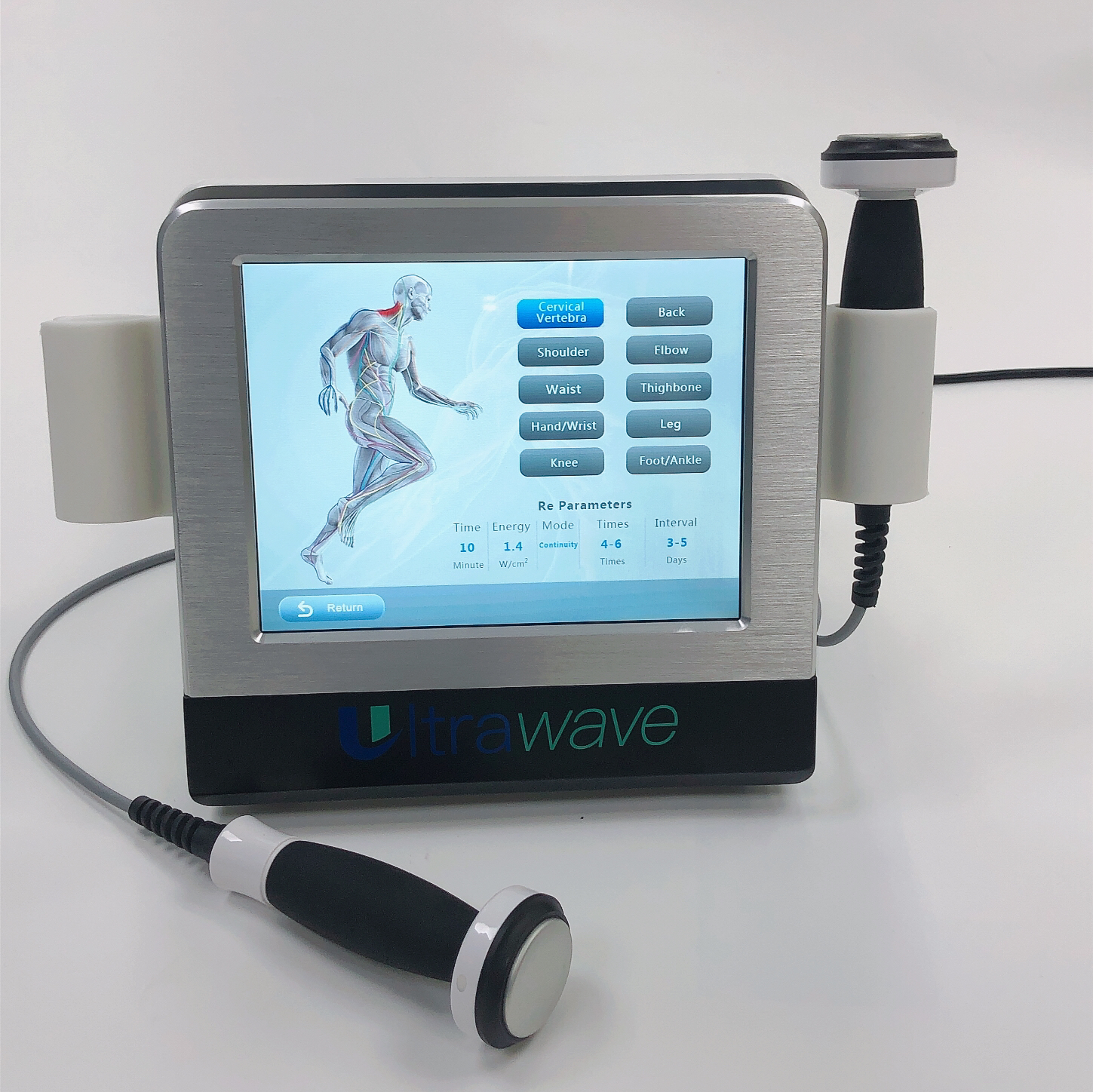
I am excited to share our Shockwave Therapy For Ed system, built for the forward-thinking clinics, OEM partners, and Companies looking for scalable, evidence-based solutions. As a manufacturer, I ensure every unit meets medical-grade standards and offers adjustable energy levels suitable for diverse patient profiles. This non-invasive therapy supports tissue regeneration, enhances blood flow, and provides consistent outcomes, making it a compelling addition to sexual health services. For OEM collaborations, our module is customizable in hardware and software, with white-label options, compliant with CE and ISO guidelines. I also provide comprehensive training, after-sales support, and long-term spare-parts supply, ensuring your uptime. The compact, portable design fits busy practice environments, while integrated safety features protect both patient and operator. If you are evaluating how to expand into men’s health therapy, this is a robust choice for OEM or Companies seeking reliable, scalable Shockwave Therapy For Ed solutions.



Shockwave Therapy For Ed Products From Concept to Delivery
Developing a Shockwave therapy device for erectile dysfunction begins with a rigorous concept-to-feasibility pathway. Market needs, wave physics, applicator ergonomics, and patient comfort guide the initial design. Early feasibility studies shape safe energy ranges, treatment protocols, and intuitive software, while regulatory strategy runs in parallel to streamline later approvals. Moving from concept to manufacture requires design-for-manufacture, qualified components, and a solid quality system. Supplier qualification, biocompatible materials, sterilization options, and electrical safety testing form the backbone of reliability. Iterative prototyping, risk management, and robust documentation support regulatory submissions and continuous improvement. Delivery to global buyers hinges on a resilient supply chain and clear post-market support. It includes compliant labeling, appropriate certifications, scalable production, and flexible packaging. Transparent lead times, service networks, training, and spare parts availability help ensure predictable performance across diverse healthcare markets.
| Stage | Description | Key Metrics | Timeline (weeks) | Validation Criteria | Regulatory/Compliance | Risk Level | Evidence/Source |
|---|---|---|---|---|---|---|---|
| Concept and Market Need | Identify unmet user needs for ED treatment and assess the potential role of external shockwave therapy; define target patient segments and value proposition. | Concept Feasibility: 78/100; Clinician interviews: 6; Market need score: 8/10 | 6 | Market need validated by at least 3 clinician interviews and literature gap analysis; high-level product concept defined | Initial QMS gap analysis; regulatory pathway options identified; plan to align with ISO 13485 | Low–Moderate | Literature reviews; Market reports; Expert interviews |
| Requirements Definition | Translate concept into measurable product requirements: energy delivery specs, safety thresholds, user interface, and sterilization considerations. | Requirements Coverage: 92%; Traceability index: 0.85 | 8 | Requirements traceability matrix completed; safety risk mitigations identified | Design controls planned; pre-submission alignment to ensure design feasibility | Moderate | User stories; Design control framework |
| Hardware/Software Design & Prototyping | Develop early hardware/probe applicator and control software prototype; perform bench-level tests. | Prototype iterations: 4; Lab MTBF: 120 hours | 12 | Functional prototype meets key specs in lab tests; energy/pulse window within target | Design controls active; risk management file initiated | High–Moderate | Lab test reports; Usability study notes |
| Preclinical Testing (Benchtop + In Vitro) | Assess safety and performance using benchtop models and in vitro tissue simulations; ensure no adverse tissue effects. | Energy safety margins: ≥2x; Pulse consistency: ±5% | 16 | Safety margins demonstrated; failure modes identified | Quality system documentation; GLP not required at this stage | Moderate–High | Bench test data; In vitro simulation results |
| Clinical Feasibility Study (Phase I) | Small-scale clinical study to evaluate safety and preliminary efficacy signals in adult participants. | Adverse events rate: <5%; Efficacy signal: improvement in symptom score | 24 | Safety profile established; preliminary efficacy observed | IRB/Ethics approval; early regulatory mapping; device classification considerations | Moderate | Ethics approval records; pilot study protocol |
| Regulatory Strategy & Documentation | Prepare regulatory submissions, quality system alignment, risk management, and dossier structuring for multiple markets. | Submission readiness: 80/100; Documentation completeness: 95% | 20 | All required documents ready; regulatory path selected and aligned (e.g., CE, US) and planned | ISO 13485 QMS implementation; MDR/510(k) strategy defined | Low–Moderate | Regulatory plan; QMS mapping |
| Pilot Manufacturing & Field Testing | Pilot-scale production and field use in clinical centers; gather real-world usability data. | Production yield: 88%; Field usability rating: 4.2/5 | 14 | High reliability in real-world use; post-market surveillance plan drafted | Traceability and complaint handling established | Low–Moderate | Field test reports; Manufacturing pilot data |
| Commercial Delivery Readiness | Finalize scalable manufacturing, distribution, clinician training, and post-market monitoring readiness. | Scale readiness: 85/100; Training completion: 100% | 8 | Full-scale launch readiness confirmed; compliance verified | Full MDR/510(k) strategy; post-market plan in place | Low | Launch readiness review; training records |
Related Products

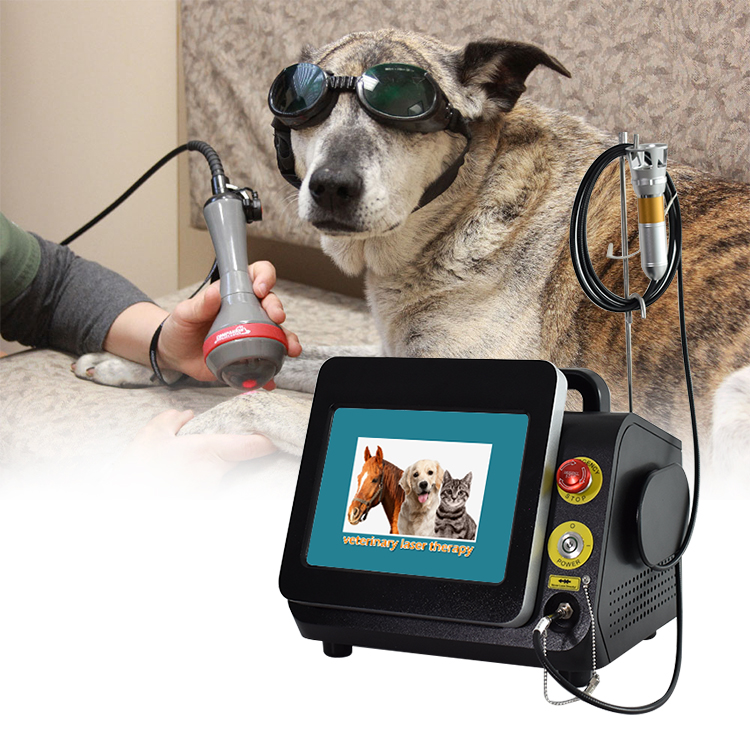
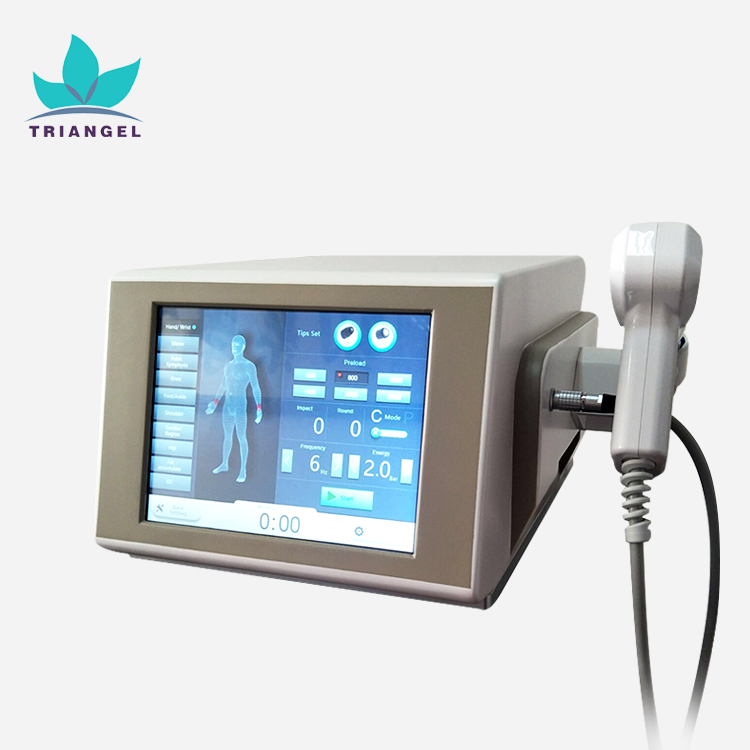
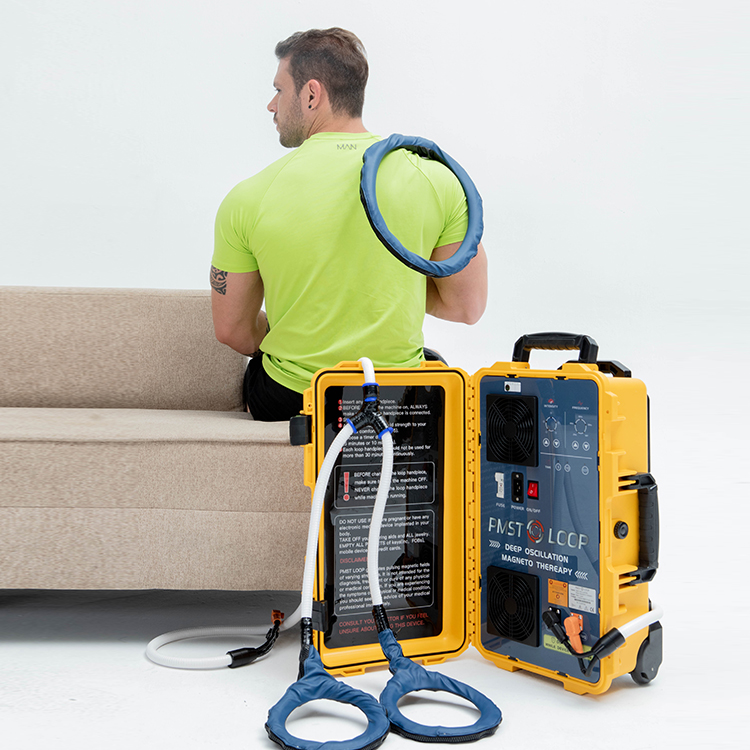
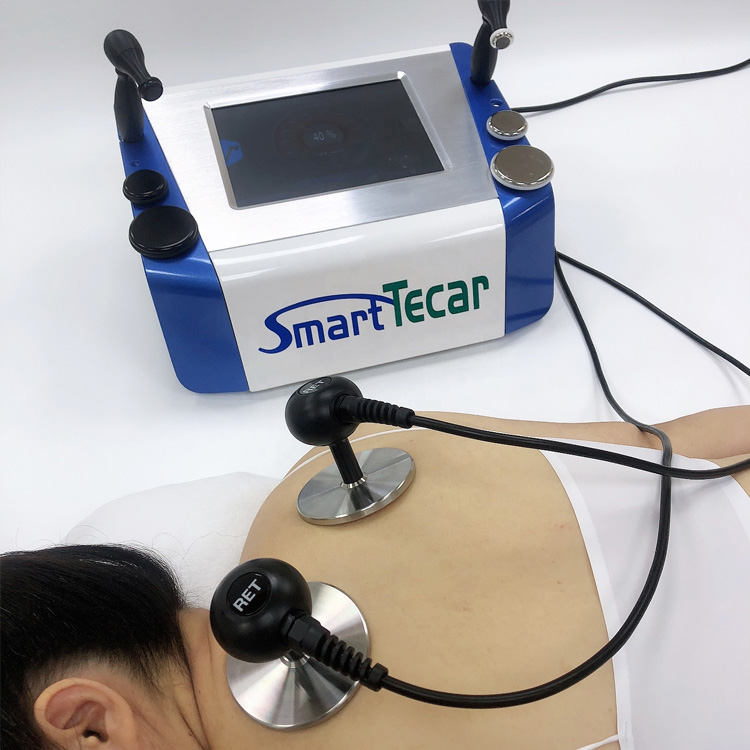

Shockwave Therapy For Ed Manufacturer Supplier
Top Selling Products


- Related Blog
- Reviews
