

Shockwave Therapy Apparatus for OEMs and Companies
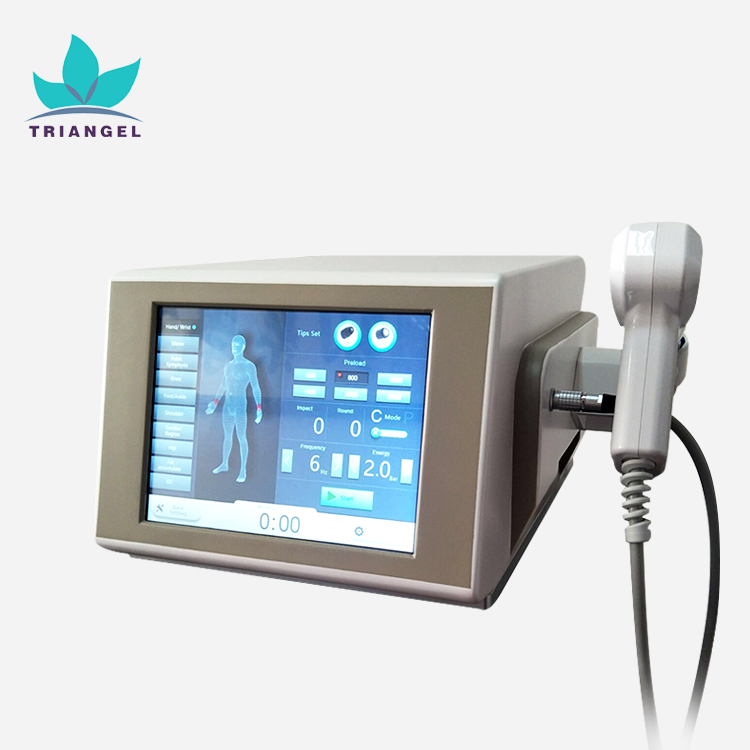
I’m proud to offer our Shockwave Therapy Apparatus, a robust solution built for OEM collaborations and demanding clinical settings. I designed it with clean, user-friendly controls, adjustable energy, and multi-parameter presets so you can tailor treatments for plantar fasciitis, tendinopathies, and musculoskeletal pain. As an OEM partner, I know your success depends on uptime, serviceable parts, and scalable production—so this unit ships with modular heads, CE/ISO compliance, and a compact form factor that fits busy clinics and athletic centers alike. I’ve focused on reliability: waterproof casing, anti-vibration housing, and smart diagnostic features that reduce downtime. For Companies seeking dependable equipment, I offer flexible customization, rapid lead times, and technical support that won’t disappear after the sale. If you’re evaluating suppliers for a long‑term program, this Shockwave Therapy Apparatus aligns with your quality standards and cost targets, delivering effective therapy and stronger client relationships.


Shockwave Therapy Apparatus in 2025 Your End-to-End Solution
Global demand for shockwave therapy devices is rising as clinics seek non-invasive solutions for musculoskeletal conditions and sports injuries. In 2025, buyers expect more than a device; they want an end-to-end program covering selection, regulatory clearance, manufacturing, delivery, and after-sales support. A dependable supplier aligns performance with clinical protocols across sites. An integrated solution offers modular platforms with multiple treatment heads, adjustable energy, and intuitive presets for common protocols. It should meet international standards, support easy cleaning or disposables, and provide remote diagnostics. A global partner coordinates sourcing, manufacturing at scale, and private-label customization, complemented by training and multilingual manuals. For procurement teams, clear lead times, visible quality control, and a worldwide service network are essential. Warranties, spare parts availability, and regular software updates protect investment as guidelines evolve. With data integration and analytics, clinics can monitor outcomes and demonstrate value, while expanding rollout across regions.
Shockwave Therapy Apparatus in 2025 Your End-to-End Solution
| Dimension | Typical Range | Description | Notes |
|---|---|---|---|
| Shockwave Type | Radial / Focused | Choice of emission head and energy focus | Radial heads cover larger surface areas; Focused heads deliver deeper, targeted energy |
| Frequency (Hz) | 1–15 Hz | Pulse repetition rate during treatment | Higher values cover larger area per session but may increase discomfort |
| Energy Flux Density (mJ/mm²) | 0.02–0.25 | Energy delivered per area to tissue | Ranges used to tailor treatment for tendinopathies vs. chronic fasciitis |
| Pulse Count per Treatment | 1500–4000 pulses | Total pulses delivered per session | Adjust based on patient tolerance and tissue response |
| Treatment Time per Zone | 4–8 minutes | Duration for each treated region | |
| Interchangeable Heads | 1–3 heads | Heads for different treatment areas | Includes large-area and focal heads |
| Head Diameters | 10–16 mm; 28–30 mm | Common diameters for focused and radial heads | Smaller diameters for precision; larger for surface coverage |
| Weight | 2.5–4.5 kg | Device mass | Important for portability and setup |
| Power Consumption | 80–180 W | Electrical power draw | Typical for portable clinical devices |
| Display & Interface | Touchscreen + physical controls | User interface features | Presets and customizable protocols |
| Connectivity | USB-C, Bluetooth | Data transfer and logging | Enable treatment records and firmware updates |
| Sterilization / Materials | Detachable covers; non-porous surfaces | Hygiene features | Head and handpiece covers suitable for autoclavable cycles |
| Regulatory Status | CE-marked; FDA clearance varies by model | Regulatory compliance | Verify local approvals for clinical use |
| Warranty | 2–3 years | Warranty period | Includes parts and labor |
| Noise Level | 50–65 dB | Operational noise during treatment | Consider in quiet clinical settings |
Related Products


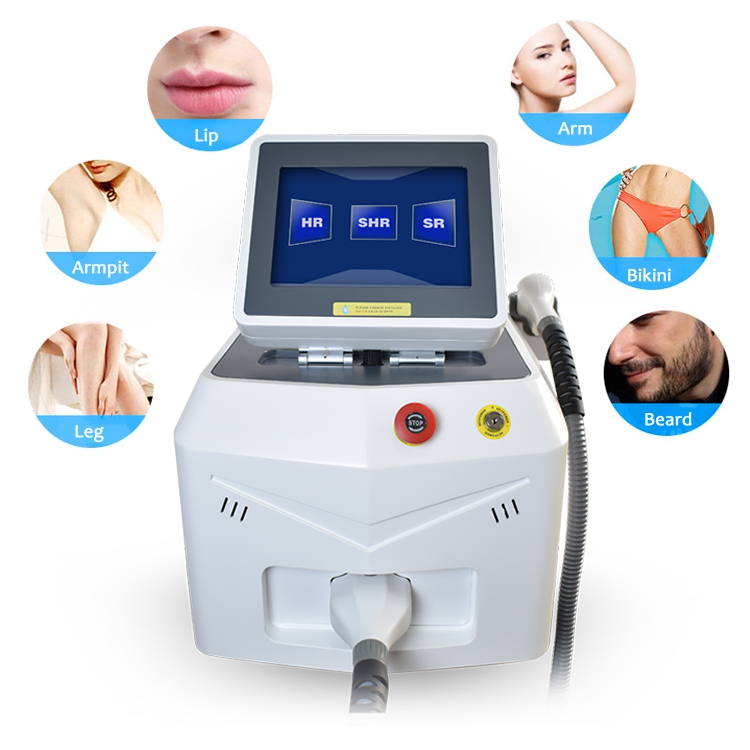


Shockwave Therapy Apparatus Products Guarantees Peak Performance
Top Selling Products



- Related Blog
- Reviews
