
Portable Dental Laser ODM Product for Dental Professionals
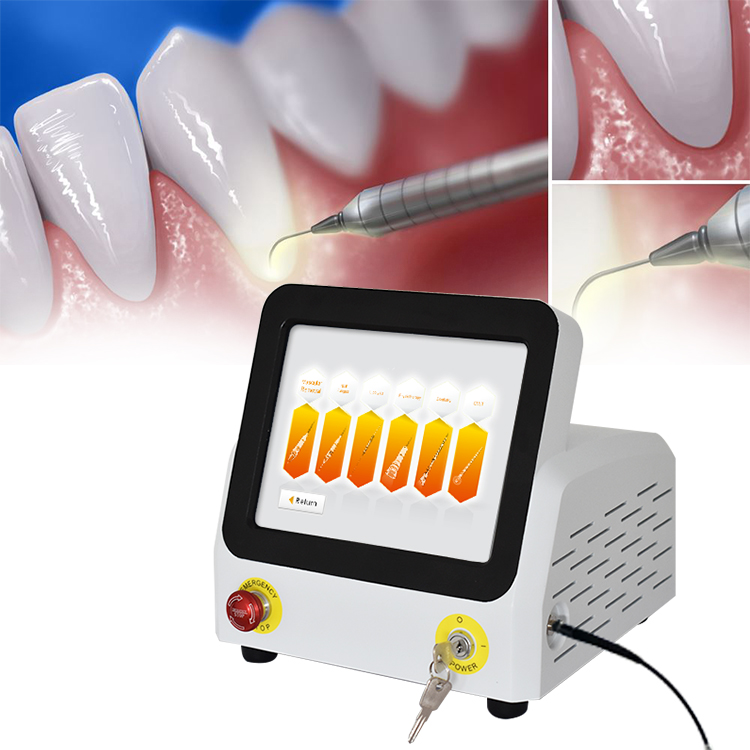
From my bench to your clinic, this Portable Dental Laser is built for daily practice and on-the-go treatments. I designed it with busy dental teams in mind, offering an ergonomic grip, intuitive interface, and long battery life. It uses precise laser energy for soft tissue procedures and selective ablation with minimal heat, helping you reduce chair time and accelerate healing. For buyers exploring brand strategy, I provide ODM options so you can customize the housing, firmware, and accessory kit to fit your Product line. The compact, USB-rechargeable device travels easily between rooms or satellites, and its safety features meet clinical standards. You’ll like the predictable performance, consistent outputs, and scalable after-sales support that come with every unit. If you want a reliable Portable Dental Laser that can be integrated into your catalog without heavy R&D, this is the one I stand behind as a practical, business-friendly choice.

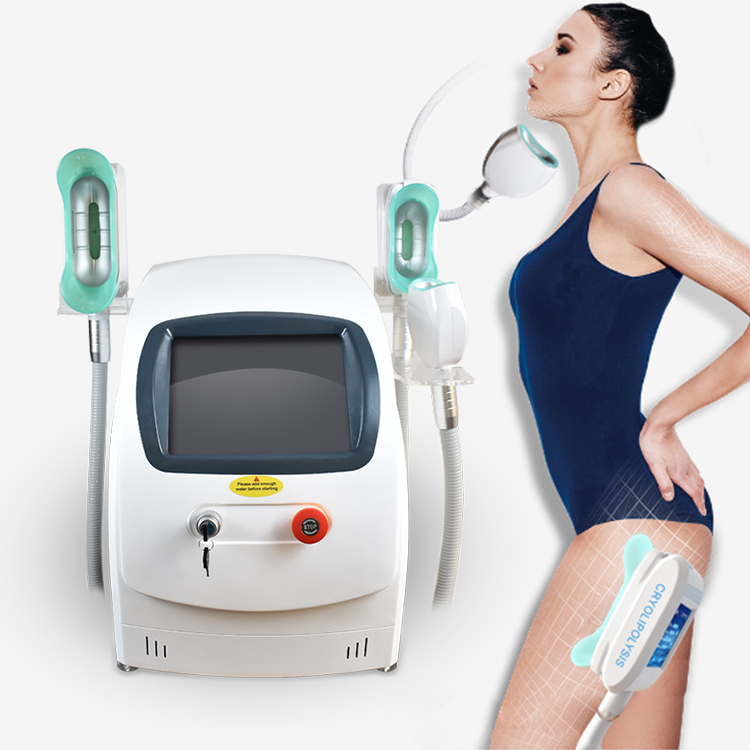

Portable Dental Laser Products For the Current Year
Portable dental laser devices are changing chairside care for soft-tissue work, hemostasis, and minor procedures. Many are light, cordless, and under 1 kg with rechargeable batteries for hours of use. They come in compact forms with interchangeable handpieces and wavelengths from 445 nm to 980 nm, suitable for cutting, coagulation, or Biostimulation. Simple controls, quick-start guides, and built-in safety features support confident operation and regulatory compliance (CE/ISO 13485). For global buyers, durability, serviceability, and total cost of ownership matter as much as performance. Look for rugged housings, sealed battery compartments, sterilizable surfaces, spare parts availability, and a dependable service network. Check battery life, charging options (USB-C and dock), and software updates. Data logging and integration with practice management workflows add value. With proper training and after-sales support, portable lasers can extend reach and improve efficiency this year.
| Model | Wavelength (nm) | Output Power (W) | Pulse Duration (μs) | Repetition Rate (kHz) | Mode | Weight (kg) | Dimensions (L × W × H cm) | Battery Life (hours) | Certifications | Primary Applications |
|---|---|---|---|---|---|---|---|---|---|---|
| Model A | 445 | 1.0 | 50 | 20 | Pulsed | 0.45 | 14 × 2.5 × 2.0 | 3.5 | CE, ISO 13485 | Soft tissue surgery, frenectomy, aphthous ulcers, gingivoplasty, analgesia |
| Model B | 970 | 2.0 | 100 | 10 | Pulsed | 0.60 | 15 × 2.8 × 2.2 | 2.4 | CE, FDA | Soft tissue incision, debridement, periodontal therapy, photobiomodulation |
| Model C | 810 | 1.5 | 200 | 15 | Pulsed | 0.58 | 13.5 × 2.7 × 2.1 | 3.0 | CE, ISO 13485 | Caries removal adjunct, soft tissue surgery, hemostasis |
| Model D | 980 | 3.0 | 250 | 20 | Pulsed | 0.65 | 16 × 2.9 × 2.3 | 2.1 | CE, FDA | Laser-assisted periodontal therapy, lesion excision |
| Model E | 1064 | 5.0 | 200 | 30 | Pulsed | 0.75 | 18 × 3.0 × 2.4 | 1.8 | CE, FDA, ISO 13485 | Soft tissue ablation, hard tissue treatment, debridement |
Related Products
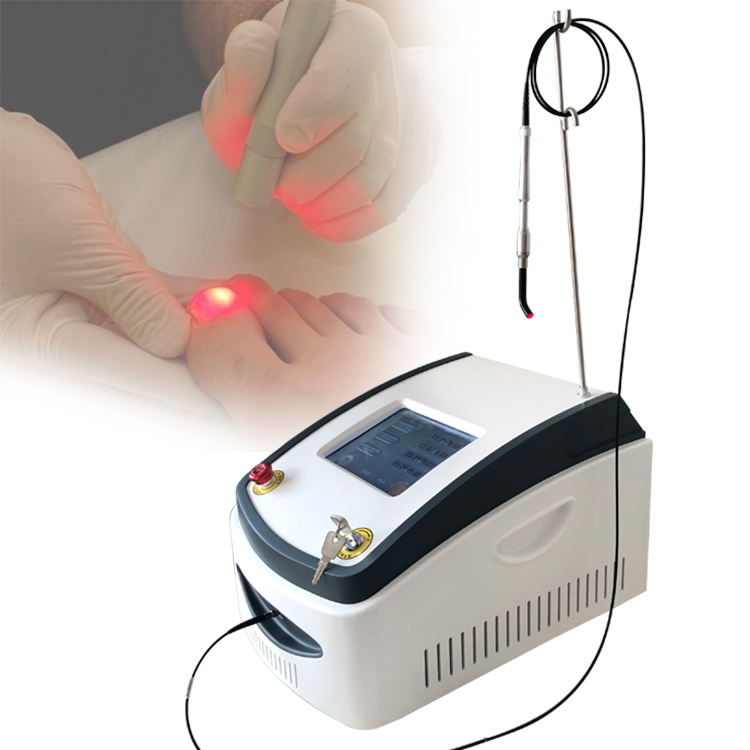
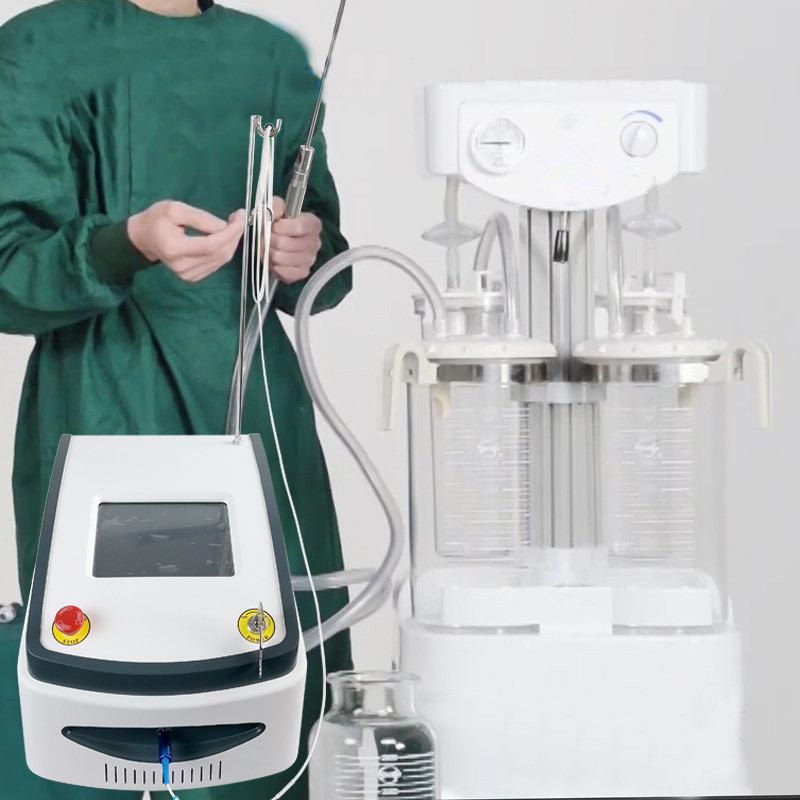
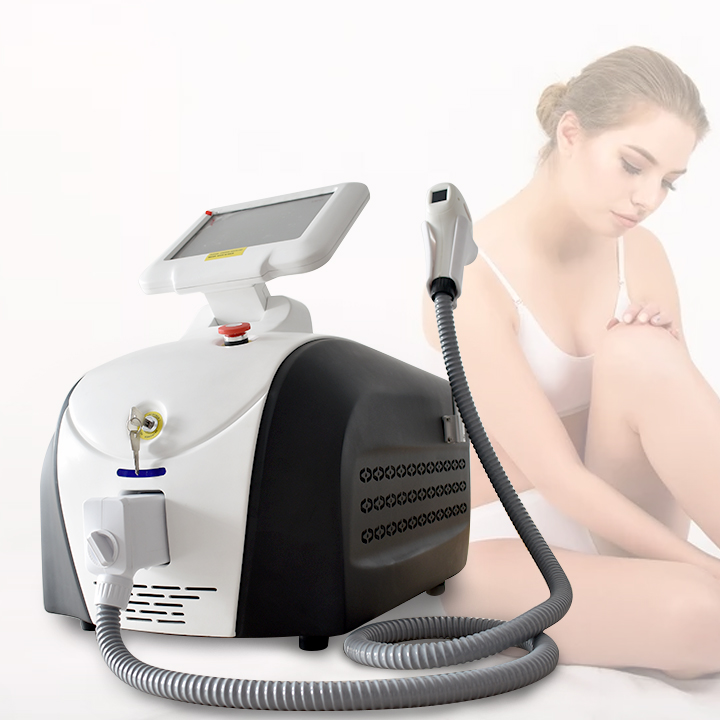


Portable Dental Laser Exceeds Industry Benchmarks Where Service Meets Innovation
Top Selling Products



- Related Blog
- Reviews
