

Laser Diode 1470 Laser Lipolysis for OEM Companies
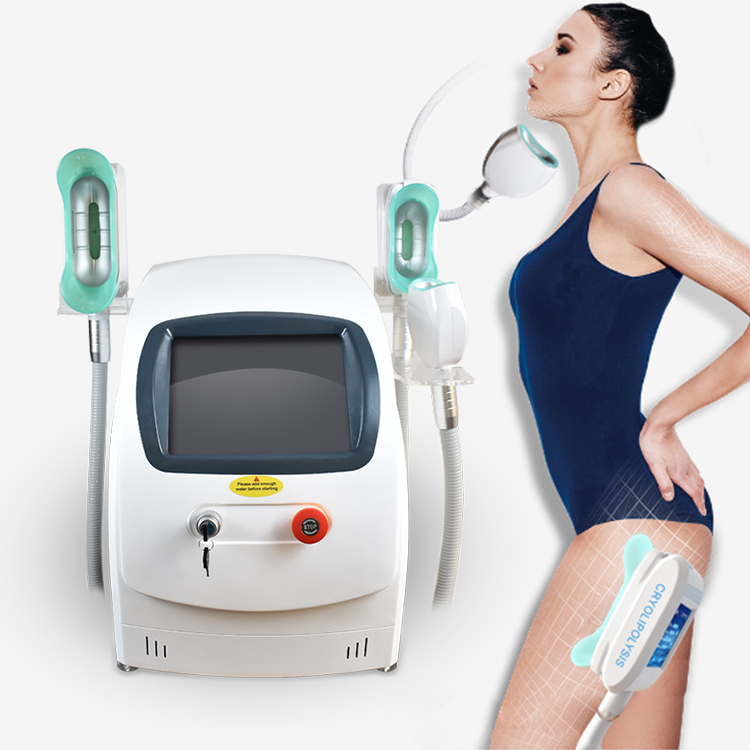
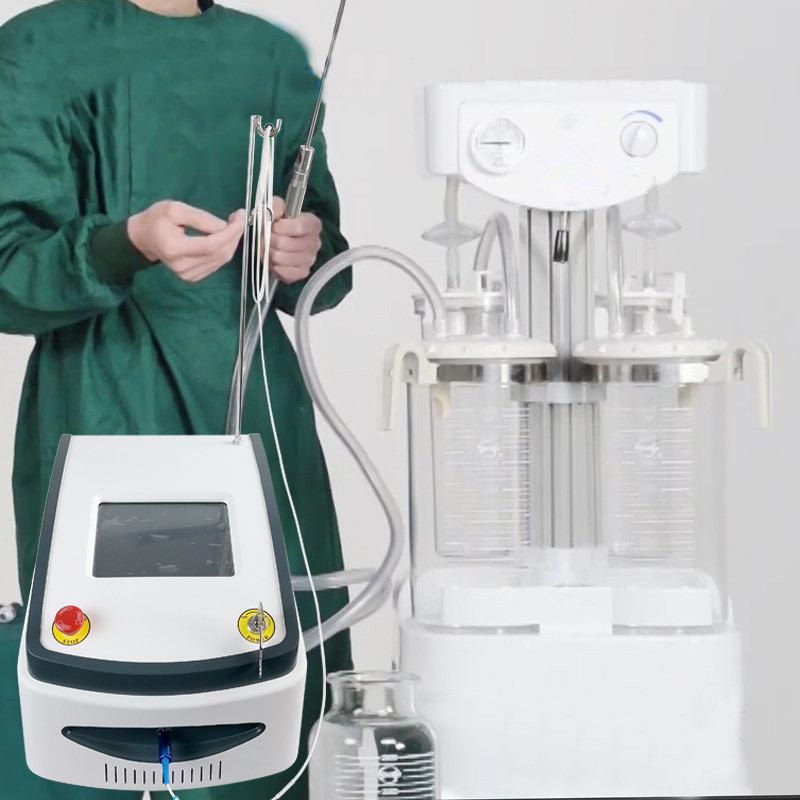
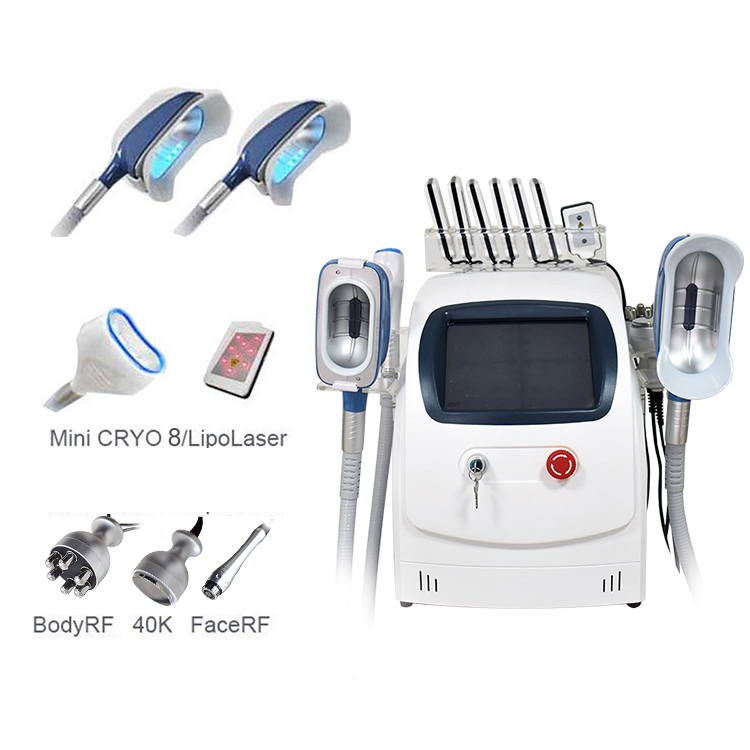
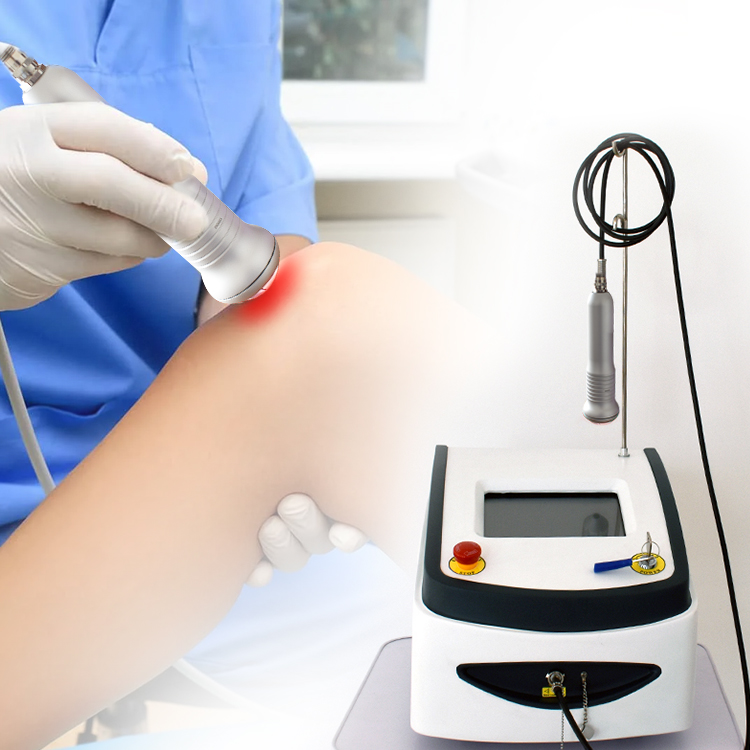
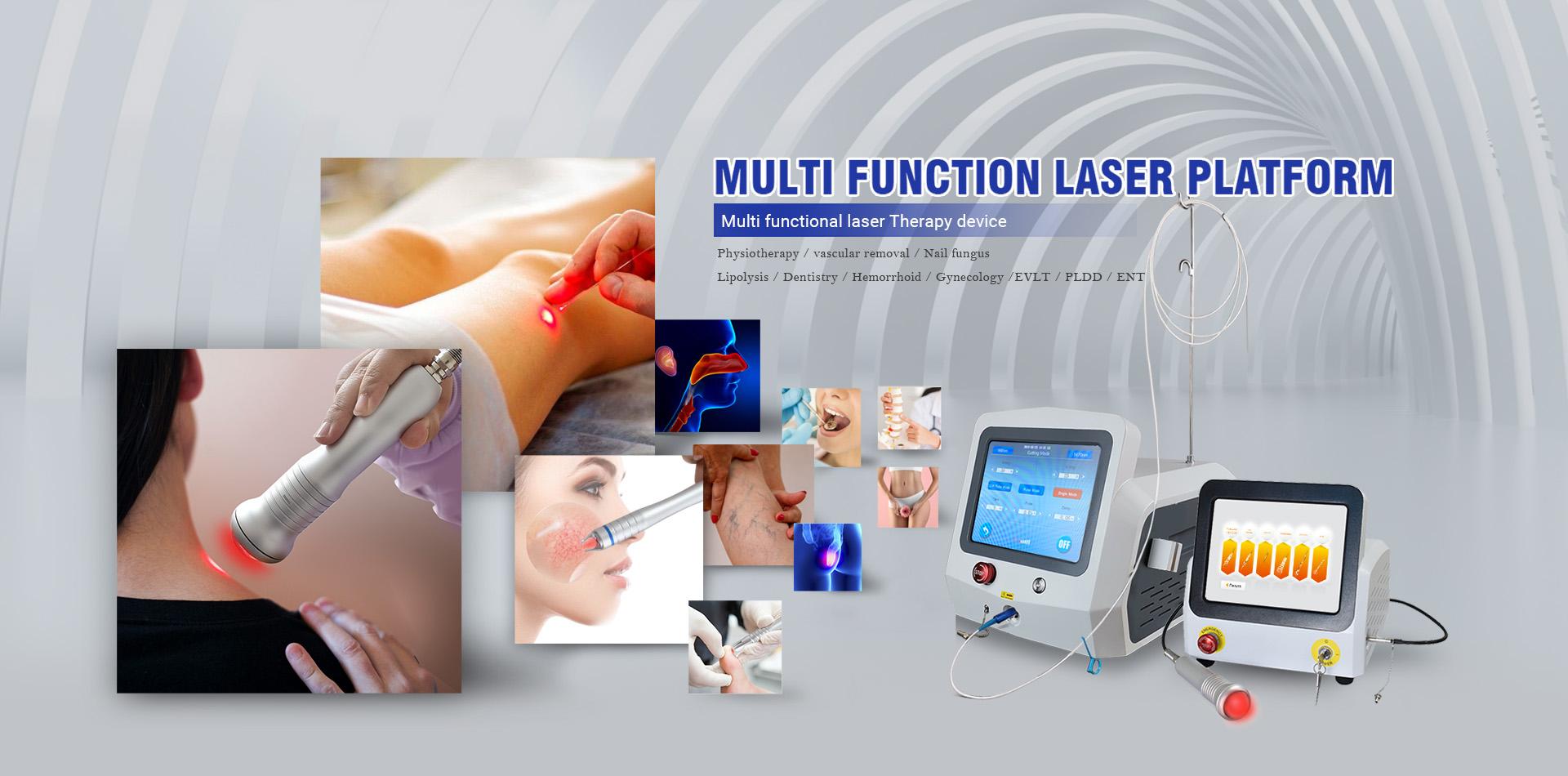
With the Laser Diode 1470 Laser Lipolysis, I offer a compact, reliable solution for body contouring that clinics and OEM partners trust. I’m designed to fit into existing production lines and easy for Companies seeking scalable aesthetic tech. This system delivers 1470 nm wavelength, optimized for selective lipolysis, precise tissue interaction, and fast patient turnover. You can customize handpieces, cooling options, and software interfaces to match your clinic or contract manufacturer specs. I provide thorough QA, CE/FDA-ready documentation, and long-term spare parts support so your OEM projects stay on schedule. The unit features a compact form, low power consumption, and robust build quality, ideal for high-volume settings. If you want precise energy control, stable output, and a partner who understands manufacturing needs, I’m here to help your Companies bring competitive lipolysis solutions to market.



Laser Diode 1470 Laser Lipolysis Service More Than a Supplier - A Partner
Global buyers seeking a Laser Diode 1470 Laser Lipolysis service deserve more than a supplier—a true partner. The 1470 nm diode platform enables precise adipose targeting with controlled energy delivery, supporting consistent results and shorter recovery times. Beyond the equipment, the partnership covers device validation, regulatory alignment, and a quality-driven manufacturing process designed to meet medical device standards across regions. A reliable partner provides end-to-end support: flexible OEM/ODM options, customization of handpieces and software, scalable production, and rigorous batch traceability. Global logistics, installation, training, warranties, and responsive after-sales service complete the value. With strong emphasis on IP protection and confidential collaboration, buyers gain predictable lead times, risk mitigation, and a pathway to private labeling or co-development that fits diverse markets.
| Metric | Details | Value | Notes |
|---|---|---|---|
| Treatment modality | Laser lipolysis using diode at 1470 nm | Laser Diode 1470 nm | Non-invasive fat reduction |
| Typical session duration | Duration per treatment session | 30-45 | minutes |
| Recommended number of sessions | Planned treatment courses | 3-6 | sessions |
| Target areas | Common anatomical regions | Abdomen, flanks, inner thighs, upper arms | |
| Anesthesia approach | Anesthesia used during procedure | Topical or none | If discomfort occurs |
| Expected fat reduction after plan | Anticipated results over all sessions | 12-25 | percent |
| Downtime | Recovery time after session | 0-2 | days |
| Cooling system | Cooling protection mechanism | Dynamic contact cooling | |
| Safety considerations | Important contraindications | Pregnancy; active infection; implanted devices near treatment area | |
| Age suitability | Eligible age range | 18-65 | years |
| Calibration date | Last equipment calibration | 2026-06-10 | |
| Practitioner experience | Recommended practitioner experience | 2-3 years | clinical practice |
Related Products


Laser Diode 1470 Laser Lipolysis Is The Best Dominates
Top Selling Products

- Related Blog
- Reviews
