

Diode Laser Hair Removal Bars - ODM Product
From my bench to your clinic, the Diode Laser Hair Removal Bars deliver consistent performance and easy integration. As a manufacturer offering ODM services, we tailor each product to meet your branding, packaging, and regulatory needs, ensuring a seamless Product launch. Our diode laser bars deliver stable energy output, fast pulse rates, and reliable cooling for safe treatments across skin types. I designed the system with a modular handpiece, precise spot size, and durable sapphire cooling to minimize downtime. With user-friendly control software, automatic calibration, and built-in safety features, your technicians can operate confidently. We provide full technical documentation, QA certificates, and scalable production volumes to support clinics and med-spas worldwide. Partner with us to accelerate your ODM journey and bring the Diode Laser Hair Removal Bars to market as a differentiated Product that stands out in competitive aesthetics space.

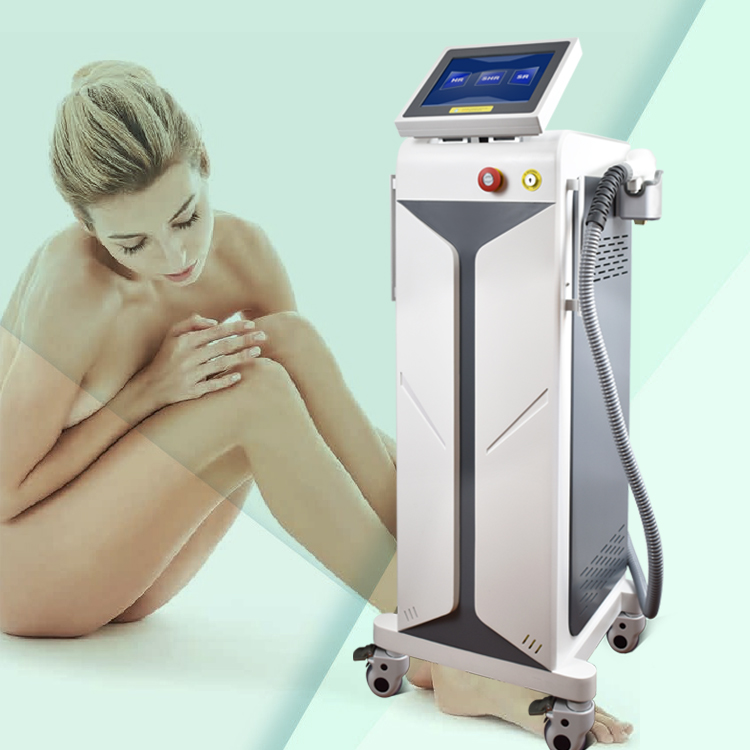
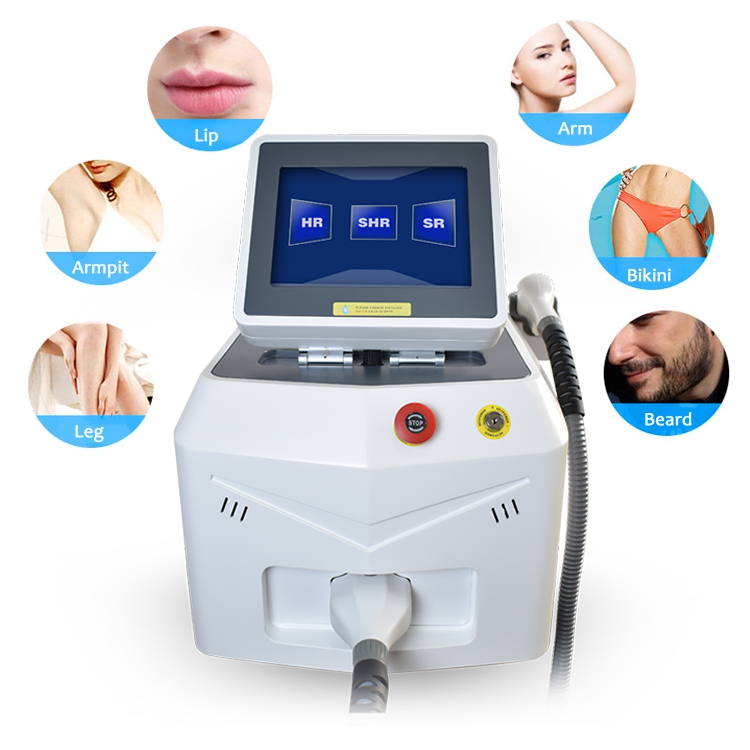
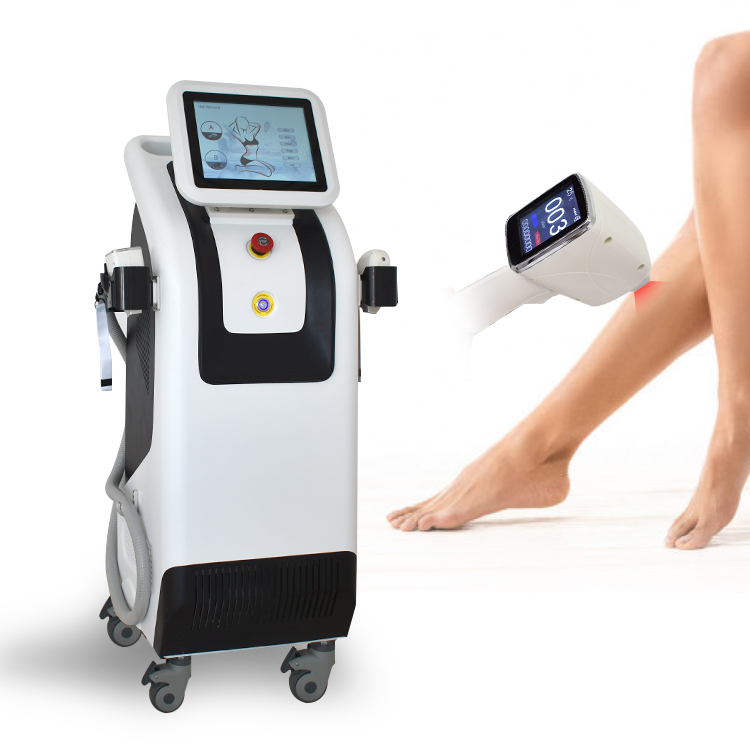
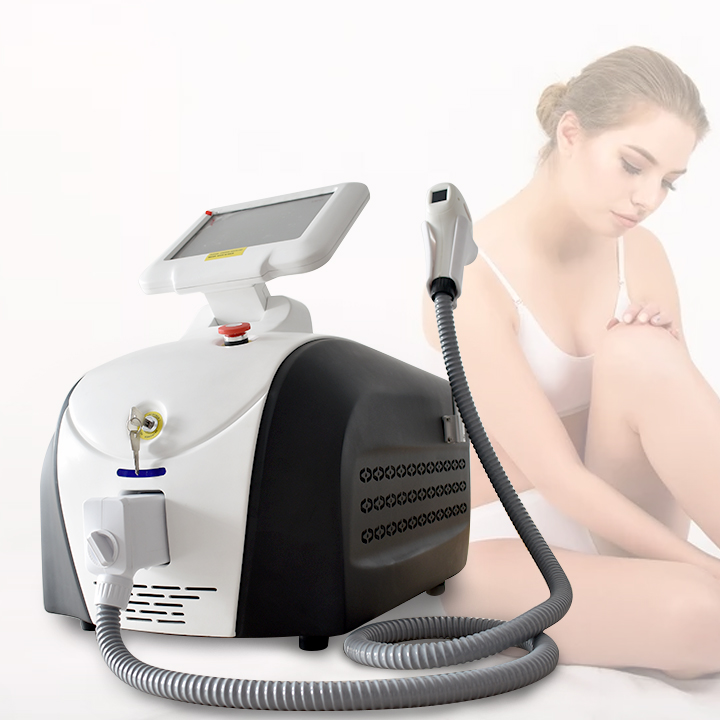

Diode Laser Hair Removal Bars Dominates From Concept to Delivery
Diode laser hair removal begins with laser bars that convert electricity into focused light. From concept to delivery, the journey blends precise engineering, material selection, and thermal management to ensure the right wavelength, stable power, and reliable operation. For global buyers, scalable bar architectures support compact devices or multi-bar arrays, broadening applications while controlling cost and maintenance. A strong plan ties packaging, cooling, and electrical interfaces to deliver consistent performance across markets. Global procurement requires predictable supply and transparent testing. Buyers look for bars with stable output, tight wavelength tolerance, low degradation, and traceable lot records. Suppliers should provide burn-in data, spectral measurements, and thermal cycling results, plus packaging and shipping that protect semiconductors in transit. Compliance, warranties, and after-sales support matter as much as price. When design transfer, tooling, and scalable production align, lead times shorten and devices reach clinics and spas worldwide.
| Phase | Duration (weeks) | Primary Activities | Critical Metrics | Regulatory & Standards | Risk Level |
|---|---|---|---|---|---|
| Concept & Feasibility | 4 | Market and technical feasibility; define target specs; constraints identification |
|
Initial risk assessment; plan for safety/regulatory alignment (IEC 60601-1) | Medium |
| Requirements & Architecture Design | 6 | Capture requirements; system architecture; define interfaces; allocate resources |
|
Design inputs aligned with safety standards; plan for safety interlocks; identify certification needs | Medium-High |
| Mechanical & Optical Design & Prototyping | 6 | Mechanical housing, cooling path, beam steering integration; tolerancing; heat management |
|
Optical safety planning; laser safety classification; interlocks; RoHS compliance | High |
| Optical Module Development & Safety | 8 | Laser diode bar integration; cooling; safety interlocks; alignment |
|
Safety classification; interlock validation; IEC 60601-2-22 planning | High |
| Validation, Testing & Verification | 10 | Lab tests; reliability; safety; performance verification; documentation |
|
Verification plan; regulatory test reports; submission readiness | High |
| Pilot Manufacturing & Delivery Readiness | 12 | Pilot line setup; supplier qualification; packaging; logistics; training; post-delivery support |
|
Regulatory clearance; CE/UL readiness; post-market surveillance planning | Low |
Related Products


Diode Laser Hair Removal Bars Manufacturer Supplies the World\u2019s Top Brands
Top Selling Products


- Related Blog
- Reviews
