

High-Quality 980 Diode Laser Liposuction - Trusted Company
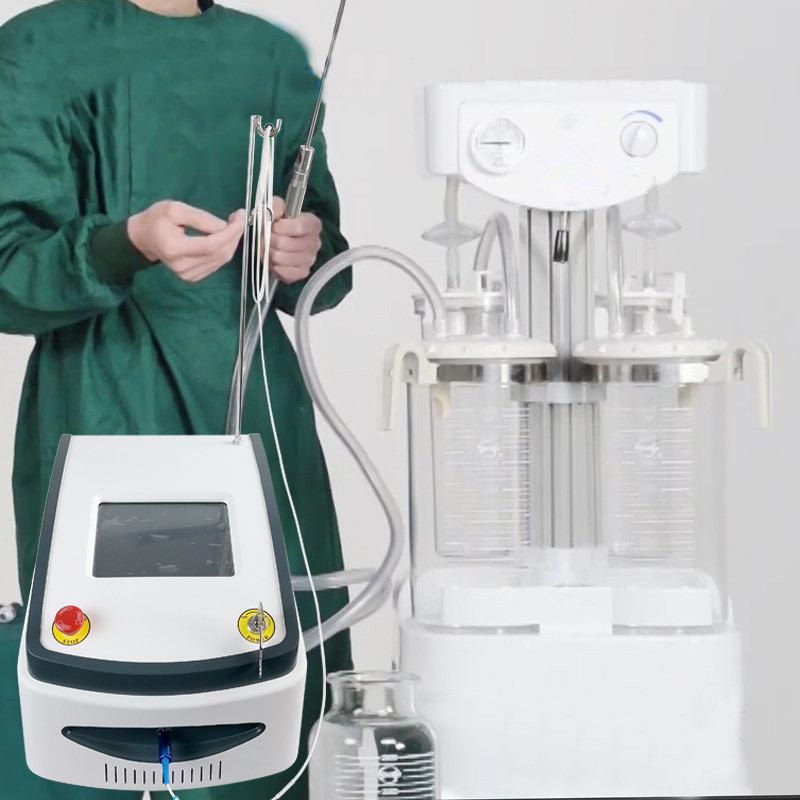
From my bench to your clinic, the 980 Diode Laser Liposuction system stands out for delivering precise fat reduction with minimal downtime. I source only High-Quality components and rigorous testing, so you can trust performance in busy operating rooms. This compact unit combines 980 nm diode laser energy with optimized cooling and ergonomic handles, letting surgeons sculpt contour areas with predictable results. In my experience, the energy delivery is smooth, with balanced average power and minimal thermal spread, reducing risk and accelerating recovery for patients. For a forward-thinking Company seeking reliability, this device integrates easily with existing suites, includes serviceable components, and offers modular upgrades. I’ve seen more repeat orders when clients appreciate consistent outcomes, clear maintenance schedules, and responsive after-sales support. If you’re comparing options, consider total cost of ownership, training support, and spare-parts availability—the kind of factors that separate a dependable partner from a vendor. Let me help you elevate your practice with confidence.



980 Diode Laser Liposuction Stands Out Delivers Unmatched Quality
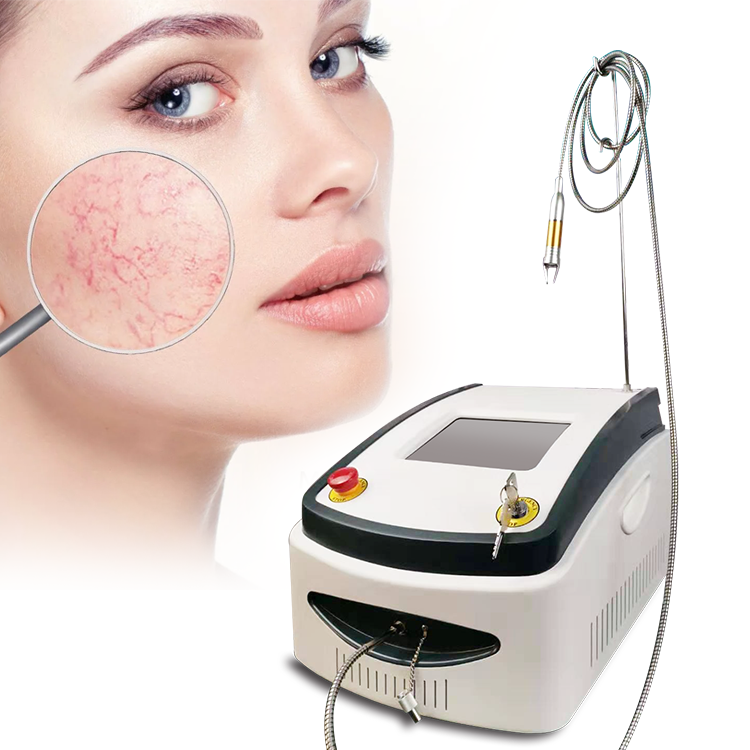
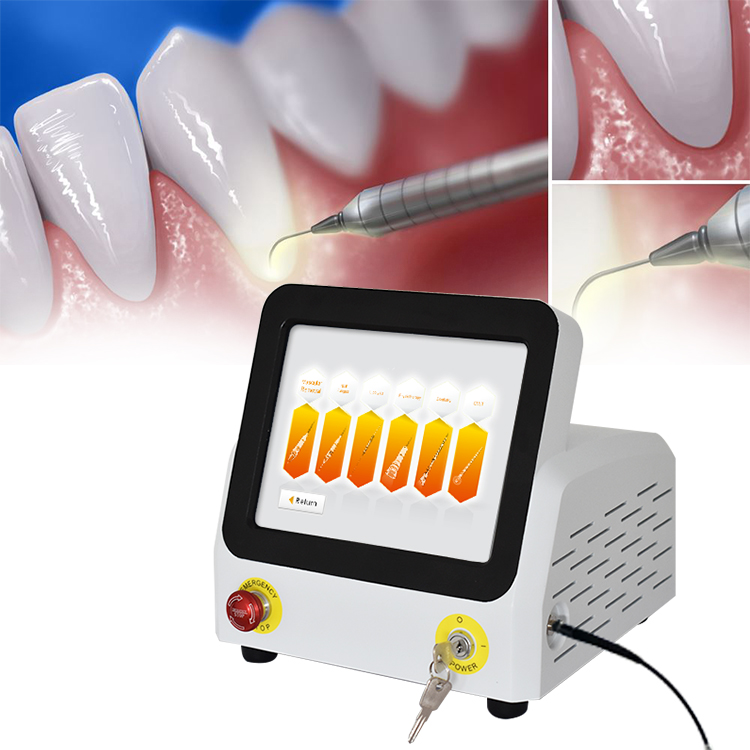
The 980 diode laser liposuction platform stands out in aesthetic technology by delivering precise fat targeting with skin tightening. The 980 nm wavelength enables efficient fat emulsification while sparing surrounding tissue, yielding noticeable results with minimal downtime. An ergonomic console, intuitive workflow, and stable energy delivery support consistent outcomes across patients. For global procurement, quality is built on robust hardware, medical-grade components, and a control system with real-time feedback and safety cutoffs. Look for sterile packaging, long service life, spare parts availability, and comprehensive training. Certifications such as CE and ISO 13485 signal readiness for multi-region deployment. Choosing a reliable supplier means faster adoption, predictable support, and clear ROI. A partner offering scalable configurations, turnkey installation, and ongoing care programs helps clinics meet safety and regulatory requirements worldwide while delivering dependable performance to patients.
| Dimension | Description | Unit | Typical Value | Notes |
|---|---|---|---|---|
| Wavelength | Laser wavelength used for adipose tissue lipolysis | nm | 980 | Standard diode laser wavelength for fat emulsification |
| Average Power | Average output power delivered to tissue | W | 20–25 | Clinical range balancing efficacy and safety |
| Pulse Duration | Single pulse duration | ms | 50–150 | Short pulses reduce thermal diffusion |
| Pulse Repetition Rate | Pulse repetition rate per second | Hz | 1–5 | Controls energy delivery rate |
| Delivery Fiber Diameter | Delivery fiber core diameter | μm | 400–600 | Smaller fibers offer precision; larger for faster treatment |
| Spot Size | Active spot size on tissue | mm | 6–8 | Affects energy density and contouring |
| Energy per Pulse | Energy per laser pulse | mJ | 80–180 | Moderate energy reduces epidermal damage risk |
| Cooling Method | Tissue cooling during procedure | N/A | Cryogenic/air cooling | Maintains patient comfort and epidermal protection |
| Procedure Time Reduction | Estimated reduction in procedure time | min | 20–40 | Compared to conventional techniques |
| Patient Satisfaction | Reported patient satisfaction range | % | 85–92 | Based on retrospective and prospective assessments |
| Recovery Time | Average recovery period | days | 7–14 | Varies with tissue response and aftercare |
| Safety Rating | Clinical safety rating | /5 | 4.5 | Reflects observed incidence of adverse events |
| Clinical Studies | Number of clinical studies cited | studies | 5 | Representative count across peer-reviewed findings |
| Regulatory Status | Regulatory status by region | N/A | FDA/CE pending or approved | Varies by jurisdiction |
Related Products


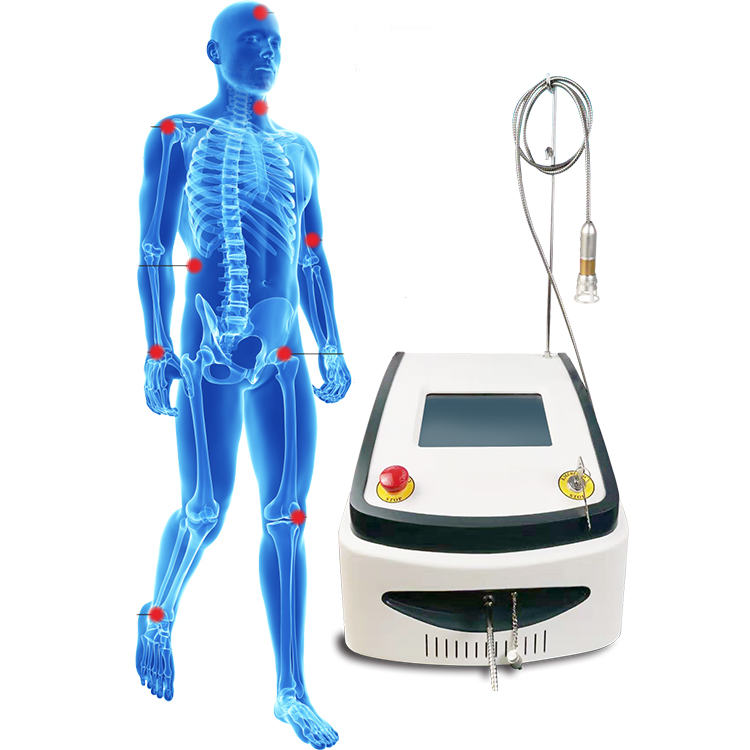
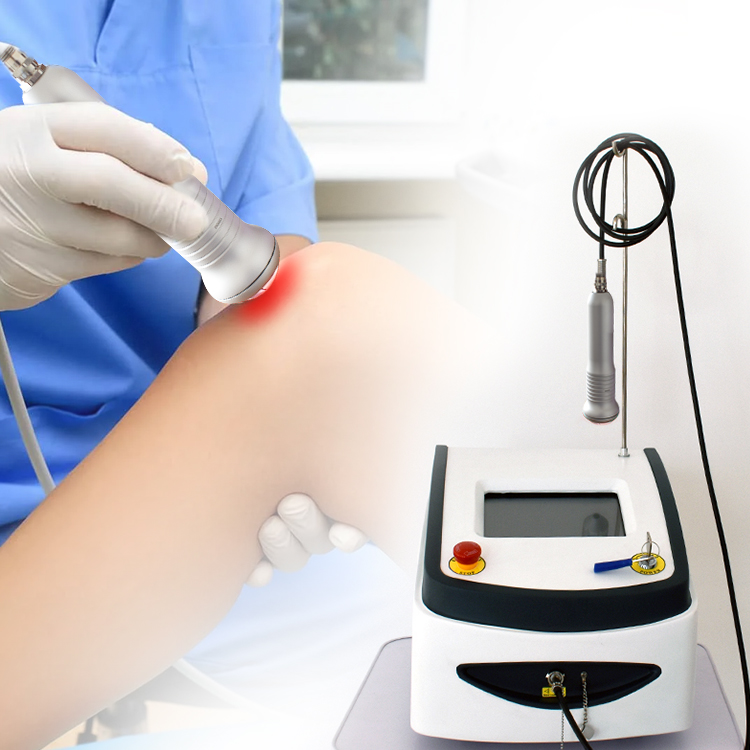


980 Diode Laser Liposuction For the Current Year Winning in 2025
Top Selling Products

- Related Blog
- Reviews
