

4 Handle Fat Freeze ODM Product for Professional Fat Reduction
I offer the 4 Handle Fat Freeze system, built for clinics looking to increase throughput without compromising safety. With four independently controlled applicators, sessions go faster and you can treat larger areas in a single visit. The system uses precise cooling to target fat cells while protecting skin, and it comes with adjustable vacuum and chill settings so you can tailor treatment to each client. For ODM partners, this is a perfect Product to customize with your branding, firmware, and packaging. We support OEM/ODM workflows, fast lead times, and scalable production. Durable, compact, and energy efficient, it fits busy studios. My team provides training, spare parts, and after-sales support—because success is a joint effort. If you want a high throughput fat-freezing solution that speaks to your market, this 4 Handle Fat Freeze is ready to go.
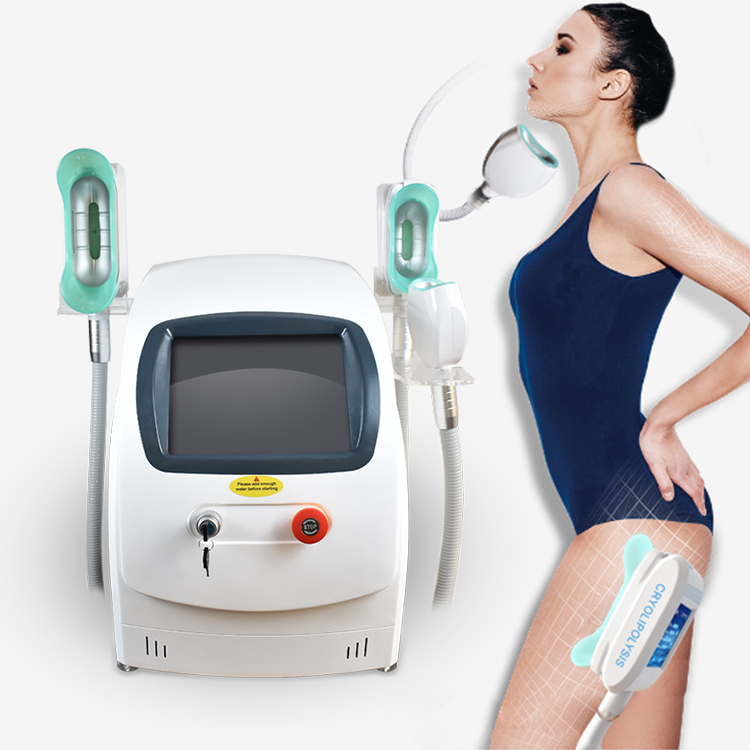


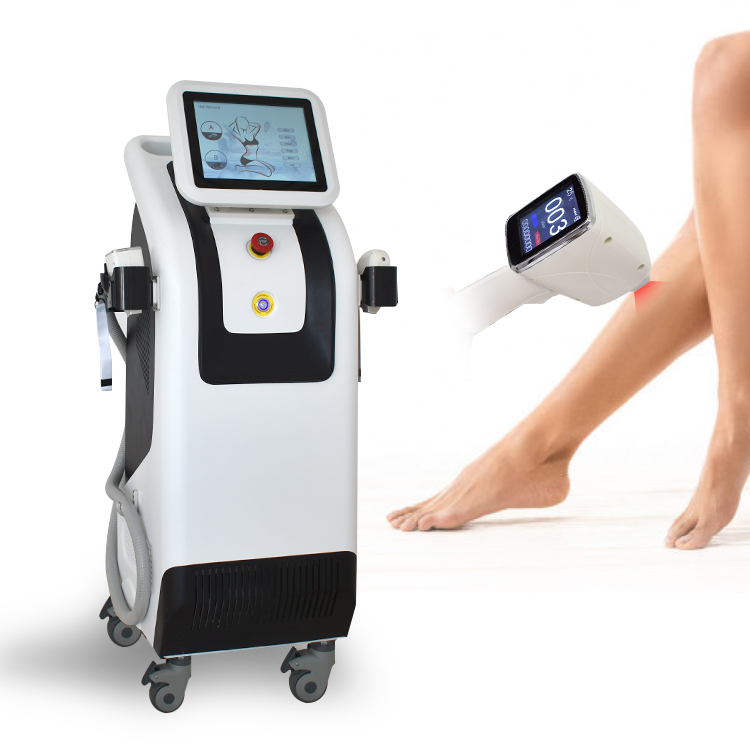
4 Handle Fat Freeze Application Leads the Global Market
4 Handle Fat Freeze Application Leads the Global Market is transforming how clinics deliver non-surgical fat reduction. Four independent applicators increase throughput while preserving precise temperature control and targeted action. For global buyers, durability, ergonomic handling, and consistent performance across skin types are decisive. A steady supply of spare parts and local service support minimize downtime, helping clinics meet demand even in peak seasons in diverse regions. Global procurement teams seek compliance, scalability, and total cost of ownership. They favor devices with strict quality systems, clear certifications, durable materials, and proven safety features. Flexible terms, modest minimums, short lead times, and a reliable service network reduce risk for clinics expanding internationally. By prioritizing engineering excellence, predictable logistics, and transparent after-sales support, buyers gain a competitive edge across markets while delivering consistent patient outcomes.
| Region | Year | Market Volume (thousand procedures) | Growth YoY (%) | Installed Devices (thousand) | Adoption Rate (%) | Avg Procedure Time (min) | Patient Satisfaction (%) | Regulatory Approvals |
|---|---|---|---|---|---|---|---|---|
| North America | 2023 | 140 | 8.2 | 28 | 34 | 31 | 85 | 3 |
| North America | 2024 | 150 | 7.1 | 30 | 35 | 30 | 86 | 3 |
| North America | 2025 | 165 | 10.0 | 32 | 37 | 29 | 87 | 3 |
| North America | 2026 | 180 | 9.1 | 36 | 39 | 28 | 88 | 3 |
| Europe | 2023 | 120 | 6.5 | 25 | 32 | 32 | 84 | 2 |
| Europe | 2024 | 130 | 8.3 | 26 | 33 | 31 | 85 | 2 |
| Europe | 2025 | 140 | 7.7 | 28 | 34 | 30 | 86 | 2 |
| Europe | 2026 | 150 | 7.1 | 29 | 35 | 29 | 87 | 3 |
| Asia-Pacific | 2023 | 210 | 9.5 | 56 | 40 | 29 | 83 | 3 |
| Asia-Pacific | 2024 | 230 | 9.5 | 58 | 41 | 28 | 85 | 4 |
| Asia-Pacific | 2025 | 250 | 8.7 | 60 | 42 | 28 | 86 | 5 |
| Asia-Pacific | 2026 | 270 | 8.0 | 62 | 44 | 27 | 87 | 5 |
| Latin America | 2023 | 60 | 5.4 | 12 | 28 | 34 | 82 | 1 |
| Latin America | 2024 | 65 | 8.3 | 13 | 29 | 33 | 83 | 1 |
| Latin America | 2025 | 70 | 7.7 | 14 | 30 | 32 | 84 | 2 |
| Latin America | 2026 | 75 | 7.1 | 15 | 31 | 31 | 85 | 2 |
| Middle East & Africa | 2023 | 40 | 6.0 | 9 | 25 | 36 | 80 | 1 |
| Middle East & Africa | 2024 | 44 | 10.0 | 10 | 26 | 35 | 81 | 1 |
| Middle East & Africa | 2025 | 50 | 9.1 | 11 | 27 | 34 | 82 | 2 |
| Middle East & Africa | 2026 | 55 | 8.0 | 12 | 28 | 33 | 83 | 2 |
Related Products


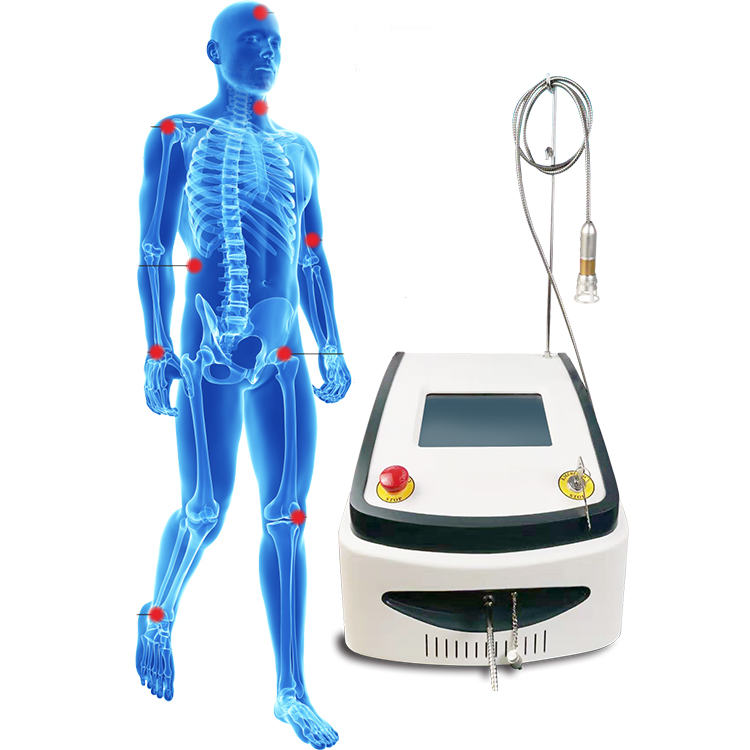
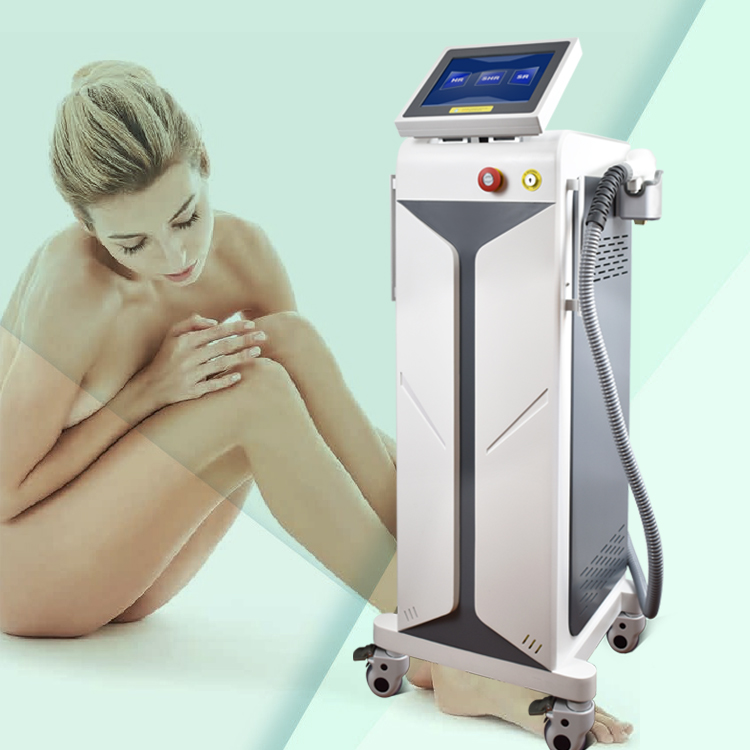

4 Handle Fat Freeze Industry Leaders Your Trusted OEM Partner
Top Selling Products


- Related Blog
- Reviews
