

Shockwave Extracorporeal Therapy Machine for OEM Companies
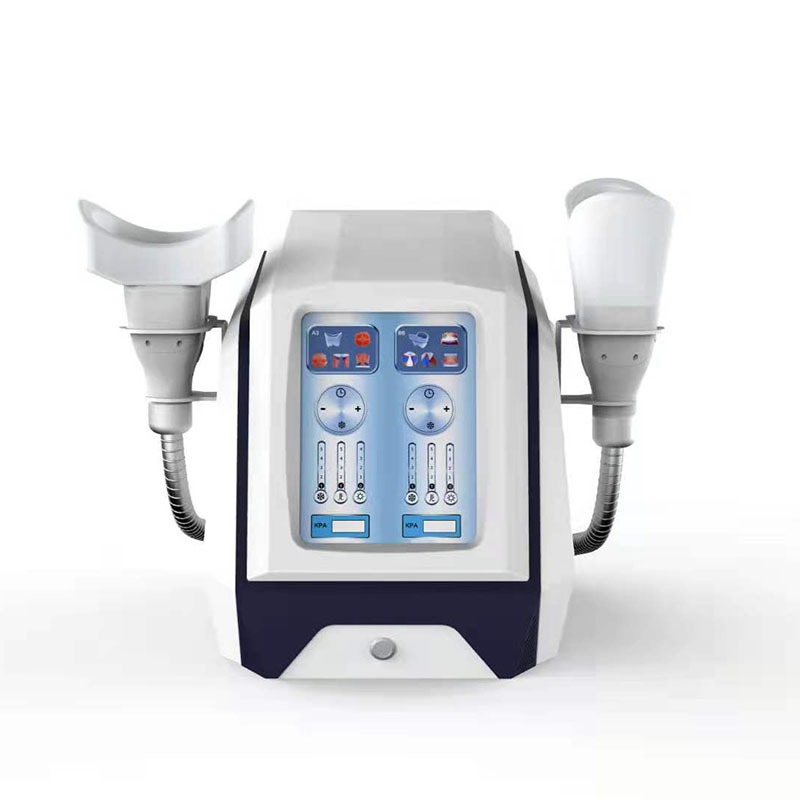
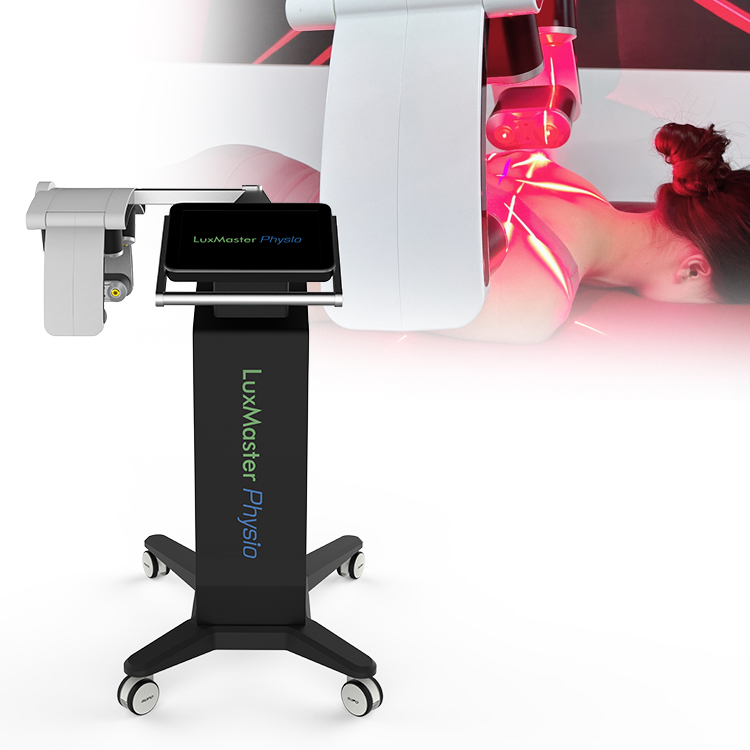
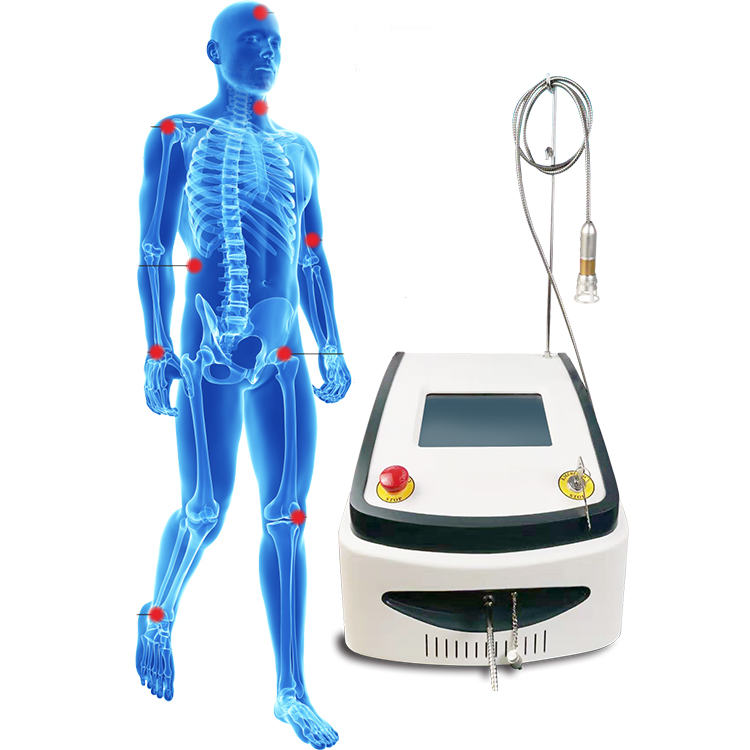
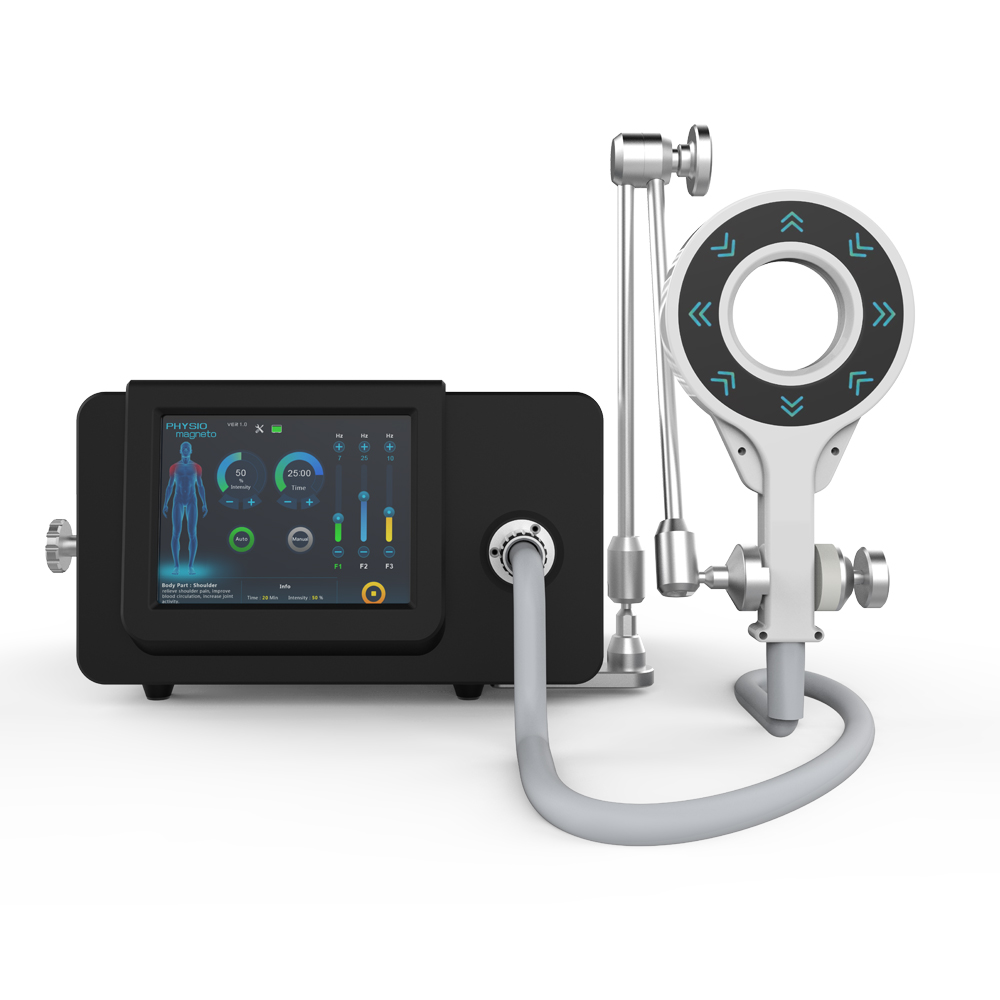
Arriving with a focus on reliability and market readiness, I represent a Shockwave Extracorporeal Therapy Machine crafted for OEM partnerships and Companies expanding their therapy portfolio. This system delivers non-invasive ESWT with adjustable energy, pulse frequency, and interchangeable heads, plus a compact, rugged console designed for busy clinics. We offer customization options, branding, and seamless integration with your existing IT and patient records workflows. Built to international standards, it comes with full QA, service manuals, and remote diagnostics to minimize downtime. Training is straightforward—one-day onboarding and ongoing tele-support keep your staff confident. For OEM customers, we provide scalable licensing, volume pricing, and co-branding opportunities to accelerate time-to-market. For Companies seeking dependable, clinically proven therapy solutions, this unit couples strong performance with cost efficiency, low maintenance, and fast turnaround on spare parts. Let’s discuss how we can tailor this machine to your regional needs and clinical programs.

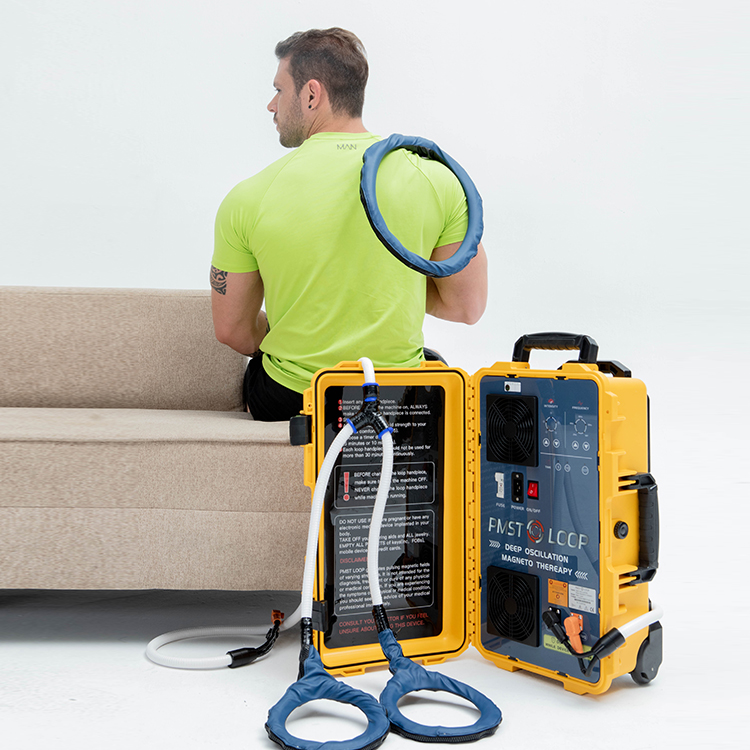
Shockwave Extracorporeal Therapy Machine in 2025 Where Service Meets Innovation
In 2025, the Shockwave Extracorporeal Therapy Machine embodies both clinical value and service excellence. As clinics expand minimally invasive options, global buyers seek not only precise energy delivery and versatile applicators but also a trustworthy support network. The strongest offerings combine accurate treatment control with smooth installation, high uptime, and remote diagnostics. A modern platform provides intuitive interfaces, real-time monitoring, and data-driven reports to track outcomes across sites and regulatory regions. For international procurement, the advantage lies in a scalable solution with a multi-regional service footprint, fast spare parts, and transparent maintenance SLAs that minimize downtime. Beyond hardware, procurement priorities shift toward lifecycle partnerships: clinician training, turnkey validation, and proactive maintenance that reduce risk. Innovative models offer modular energy settings, quick-change handpieces, and compatibility with imaging modalities, enabling personalized therapy plans. Buyers should value compliance credentials, transparent pricing, and configurations aligned with local reimbursement. When service and innovation converge in 2025, a device should deliver dependable outcomes, reliable performance, and responsive support wherever care is delivered.
| Region | Market Size (units/year) | Common Indications | Regulatory Status | Service Model | Avg Downtime (hours/year) | Clinical Recovery Rate | Typical Training Time (hours) |
|---|---|---|---|---|---|---|---|
| North America | 1,500 | Plantar fasciitis; Lateral epicondylitis | FDA clearance (510(k)) where applicable; CE mark for some global distribution | On-site service & remote monitoring | 2.0 | 75% | 12 |
| Europe | 3,200 | Plantar fasciitis; Calcific tendinopathy | CE-marked; local registrations in select markets | Field service network | 1.5 | 77% | 8 |
| Asia-Pacific | 2,100 | Heel pain; Tendinopathy | Regulatory status varies by country; CE mark where applicable | Regional service teams | 3.0 | 72% | 6 |
Related Products




Shockwave Extracorporeal Therapy Machine Supplier More Than a Supplier - A Partner
Top Selling Products

- Related Blog
- Reviews
