
Nail Fungus Laser for OEM Companies - Advanced Nail Therapy Equipment
I’ve spent years bringing Nail Fungus Laser into busy clinics and OEM partnerships alike. When I choose a system, I look for consistent results, safe protocols, and simple integration into existing spa or podiatry workflows. This Nail Fungus Laser delivers fast, non-invasive treatment that reduces fungal load with pinpoint precision. It’s designed for high-volume use, with adjustable power, pulse patterns, and built-in safety timers to protect patients. For companies seeking private-label options or OEM collaborations, we offer scalable production, customizable interfaces, and documentation to smooth regulatory approvals. Our engineering team stands by with spare parts, remote diagnostics, and training modules to keep your teams confident. If you’re expanding into medical aesthetics or foot care with a trusted laser solution, this system can fit your growth goals and your budget. Let me show you how easy it is to start partnering today for lasting results and satisfied customers.
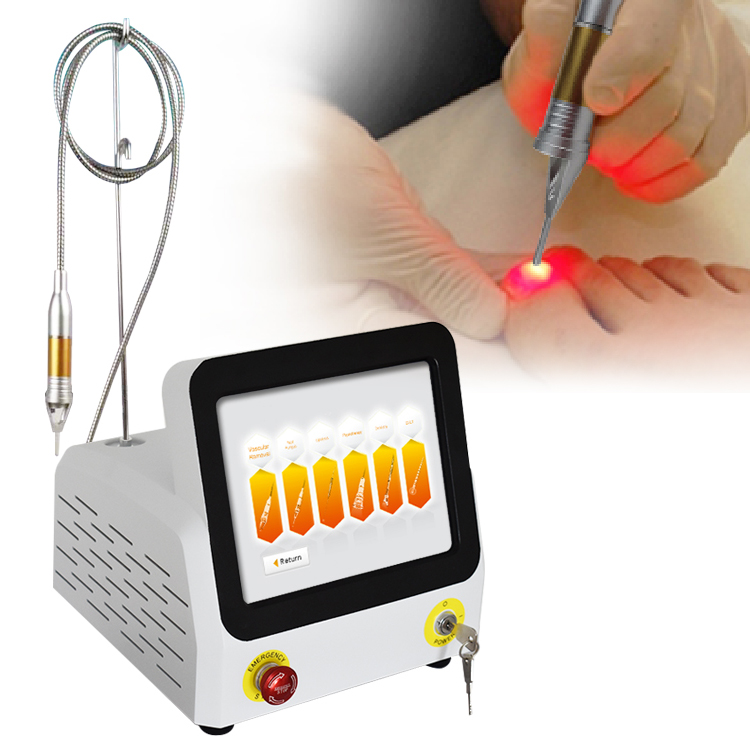
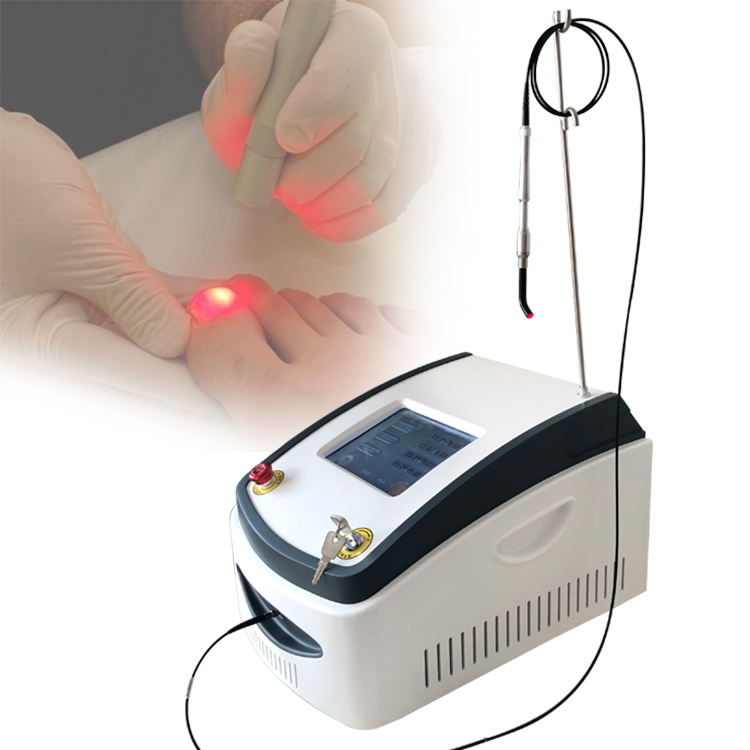



Nail Fungus Laser Service Ahead of the Curve
Nail fungus laser treatment represents a next-generation solution for onychomycosis, delivering fast, non-invasive relief with precise energy delivery and minimal downtime. For global buyers, it is a scalable platform with configurable treatment protocols, robust quality control, and data-driven efficacy that can be deployed across multi-site clinics and partner networks. Choosing a supplier means evaluating device reliability, regulatory status, and an integrated service ecosystem: ISO/CE/FDA compliance, readily available spare parts, comprehensive training, and proactive remote diagnostics. A forward-looking partner offers standardized modules, multi-language manuals, and global logistics to ensure consistent performance across markets. With ongoing R&D, outcome analytics, and flexible financing, buyers can future-proof their portfolio while meeting patient expectations for faster recovery and higher clinic throughput. This approach aligns safety, privacy, and cost containment with the demand of diverse markets in a dynamic global supply chain.
| Source / Study | Laser Type | Wavelength (nm) | Typical Sessions | Duration per Session (min) | Mycological Cure Rate (%) | Complete Clinical Cure Rate (%) | Patient Satisfaction (%) | Common Adverse Effects |
|---|---|---|---|---|---|---|---|---|
| Systematic review (2018) | Nd:YAG | 1064 | 3-6 | 15 | 60 | 35 | 70 | Mild transient erythema |
| Clinical trial (2020) | Diode | 1470 | 4 | 12-15 | 65 | 40 | 75 | Mild edema |
| Systematic review (2021) | Diode | 915 | 3-8 | 12 | 52 | 32 | 68 | Transient numbness |
| Prospective study (2022) | Nd:YAG + Diode | 1064/1470 | 6 | 20 | 70 | 42 | 82 | Mild blistering |
| Registry data (2023) | 1319 nm Diode | 1319 | 3-5 | 12-15 | 58 | 38 | 74 | Pigmentation change (mild) |
| Long-term follow-up (2020-2022) | Nd:YAG | 1064 | 5 | 15 | 60 | 36 | 70 | Temporary nail pigment change |
| Comparative study (2019) | Diode | 1320 | 5-7 | 14 | 63 | 37 | 72 | Mild irritation |
Related Products
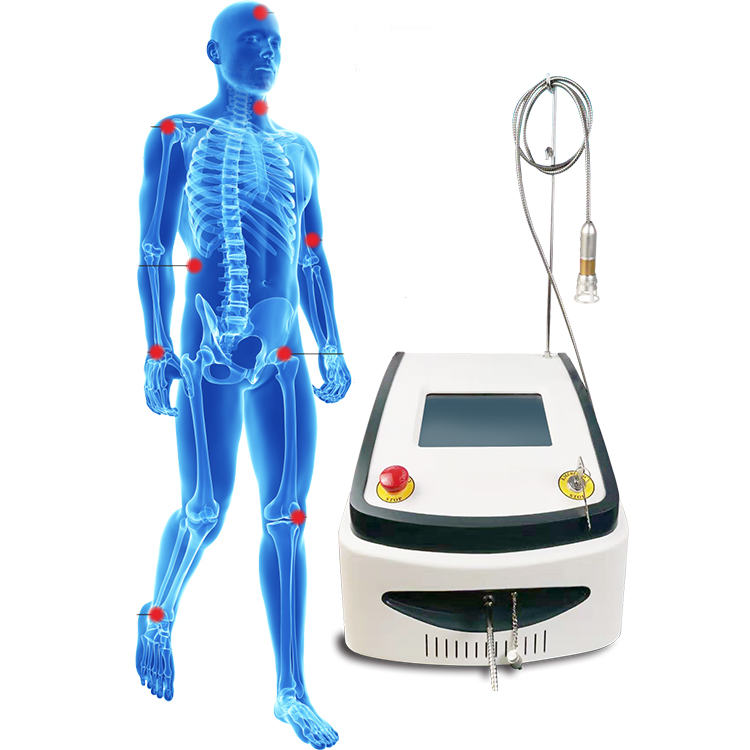

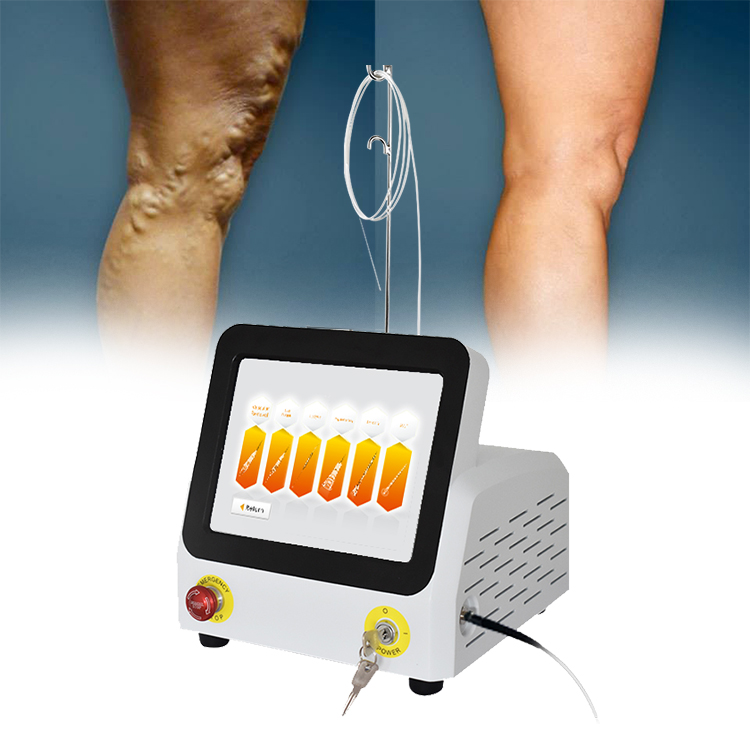


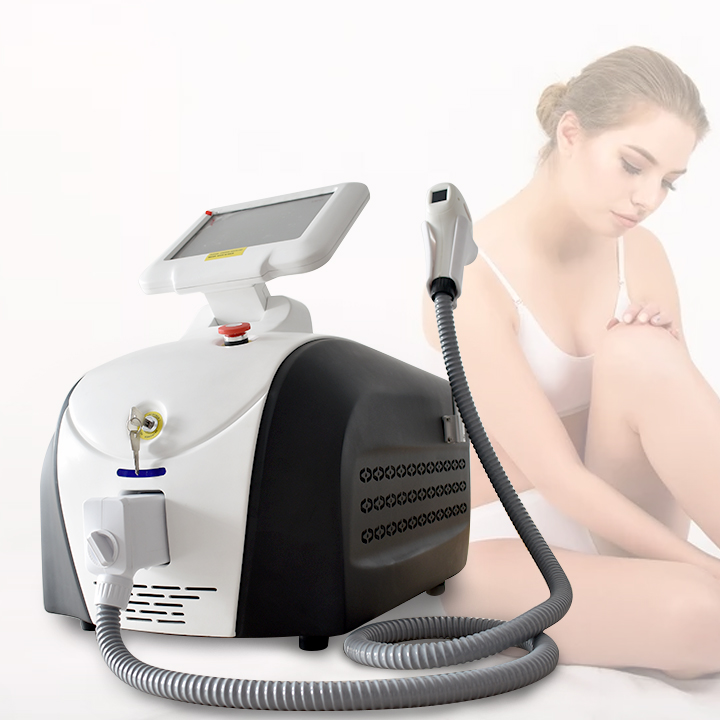
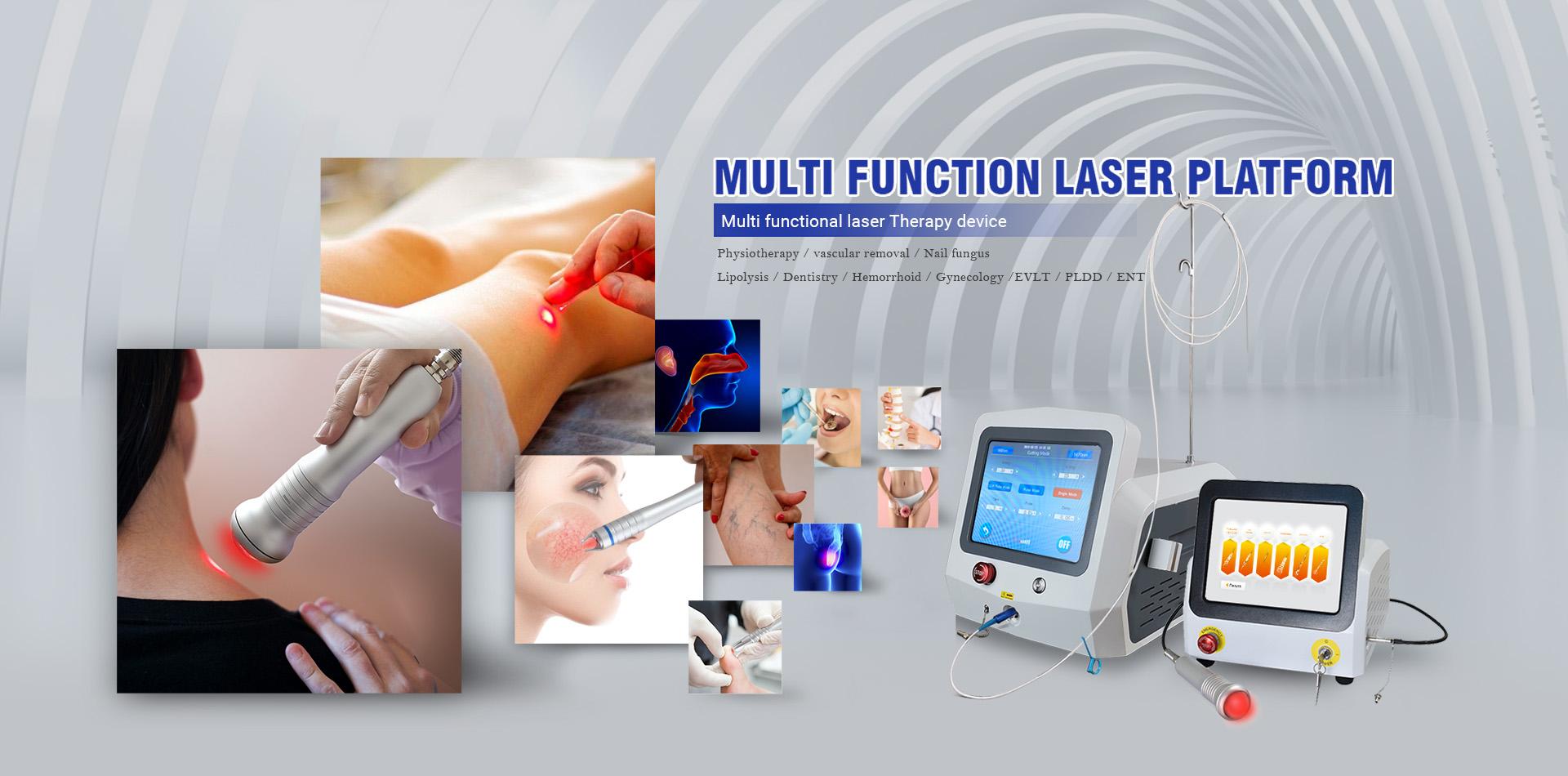
Nail Fungus Laser Leads the Global Market Custom Solutions,
Top Selling Products


- Related Blog
- Reviews
