

Fat Freezing Handle ODM Product - Premium Fat Reduction Device
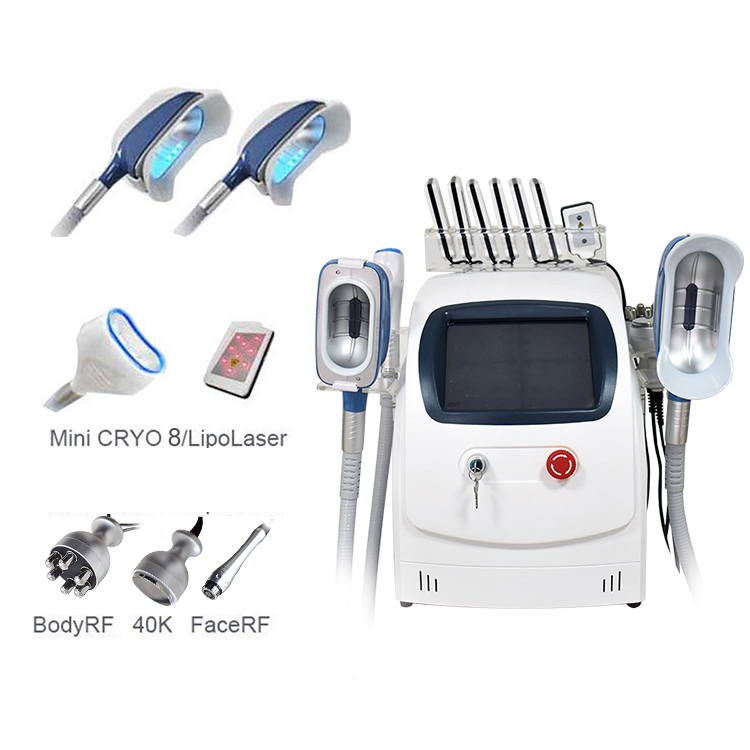
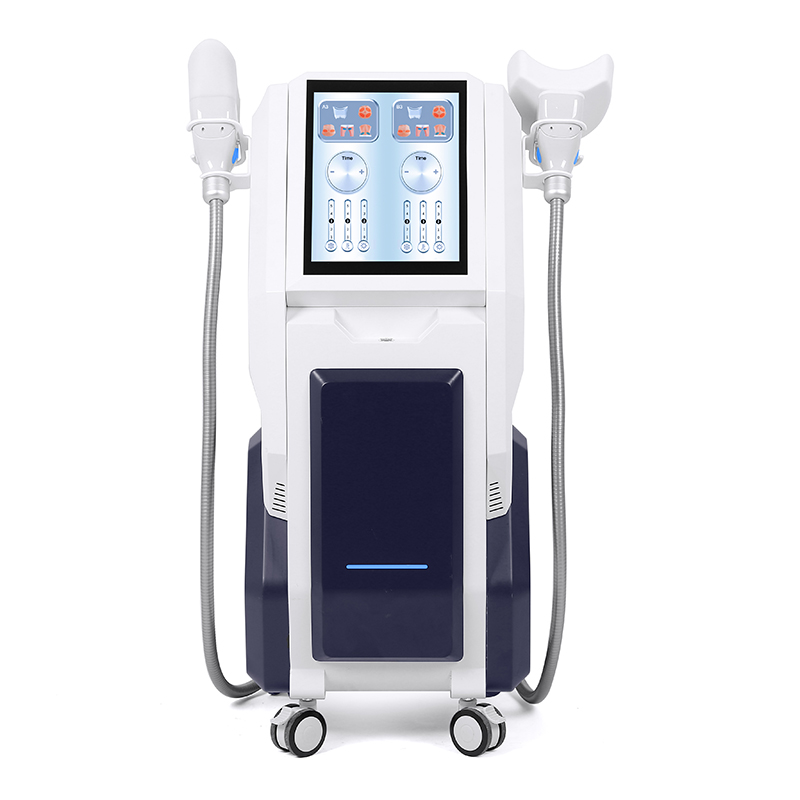
From my workshop to your portfolio, I bring a dependable {Fat Freezing Handle} designed for clinics, med-spas, and OEM partners. My team offers {ODM} capabilities so you can customize size, grip, and coatings to match your brand and patient flow. This handle is built for precision: smooth engagement, low-maintenance cleaning, and consistent performance across high-volume sessions. I know you need a durable, compliant component that integrates with common cooling heads and control panels—so I’ve engineered tolerances that reduce downtime and warranty claims. For your buyers, this is more than a part; it’s a {Product} that reinforces trust and reduces service calls. I provide rapid prototyping, clear documentation, and scalable quantities to support both initial launches and ongoing expansions. Partner with me for flexible production schedules, cost-effective tooling, and reliable supply. Let’s align on specs and hit your timeline with confidence.



Fat Freezing Handle Factory Dominates
In the fat freezing equipment ecosystem, the handle is a critical interface that must endure repeated cold cycles and frequent cleaning. A leading factory in this niche dominates by delivering precision-engineered freezing handles that meet tight tolerances and ergonomic standards. With automated machining, robotic welding, and a multi-stage inspection regime, every part offers exceptional interchangeability across device models, minimizing clinic downtime and ensuring consistent user experiences worldwide. Material science and customization drive market leadership. Buyers can choose medical-grade stainless steel or high-performance polymers, with coatings for corrosion resistance and easy sanitization. Interface options, connector types, and grip profiles can be tailored to OEM specifications, enabling scalable production without sacrificing compatibility. Clear validation, sterilization compatibility, and adherence to international quality benchmarks foster confidence for bulk sourcing.
{ Fat Freezing Handle Factory Dominates }
| Attribute | Model A1 | Model A2 | Model B1 | Notes |
|---|---|---|---|---|
| Plate Diameter (mm) | 60 | 75 | 85 | Nominal sizes for different handle variants |
| Plate Area (cm²) | 28.3 | 44.0 | 57.0 | Calculated from diameter |
| Material | 316L stainless steel + silicone gasket | 316L stainless steel + silicone | 316L stainless steel with PU cover | Gasket/cover varies by model |
| Sterilization Method | Autoclavable (121–134°C) and ETO | Autoclavable and ETO | ETO sterilizable | Multiple sterilization options |
| Temperature Range (°C) | -5 to -12 | -6 to -12 | -5 to -12 | Typical fat-freezing range |
| Vacuum Range (kPa) | 35–45 | 38–50 | 40–60 | Operational spec |
| Cycle Life (cycles) | 6,000 | 8,000 | 10,000 | Estimated durability |
| Weight (g) | 420 | 520 | 740 | |
| Cooling Rate (°C/min) | 2.5 | 2.2 | 3.0 | Approx. max rate |
| Certification | CE, ISO 13485 | CE, ISO 13485, RoHS | CE, ISO 13485, FDA-registered facility | Standards compliance |
| Lead Time (days) | 7 | 10 | 14 | Time after order |
| Warranty | 12 months | 18 months | 24 months | Manufacturer warranty |
| Production Year Range | 2020–2024 | 2022–2025 | 2019–2023 | Lifecycle window |
Related Products




Fat Freezing Handle Your Trusted OEM Partner Outperforms the Competition
Top Selling Products



- Related Blog
- Reviews
