

Mobile Shockwave Therapy Device for OEM Companies | Reliable Solutions
From my years in medical-device sourcing, I present the Mobile Shockwave Therapy Device for clinics and rehab centers chasing real results. For OEM partners and Companies looking to broaden their portfolio, this compact unit delivers powerful radial shockwaves with adjustable frequency and energy. It’s portable, battery-powered, easy to operate, and quick to set up in busy treatment rooms. The ergonomic handpiece and intuitive touch panel keep the focus on patient care, not on the tech. Built with medical-grade components and CE/ISO compliance, it stands up to daily use with reliable performance. I offer flexible OEM collaboration options—branding, customization of settings, and scalable supply—designed to fit your production lines. The device is engineered for durability, long service life, and minimal downtime, helping you improve patient outcomes and clinic profitability. If you’re looking to add a professional Mobile Shockwave Therapy Device to your catalog, I’m ready to discuss volumes, lead times, and after-sales support with you and your team.
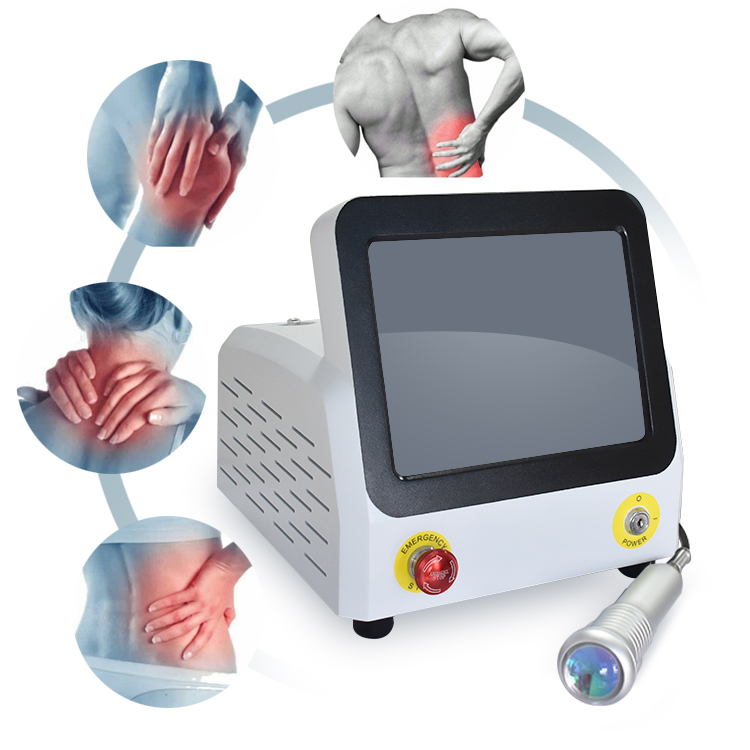
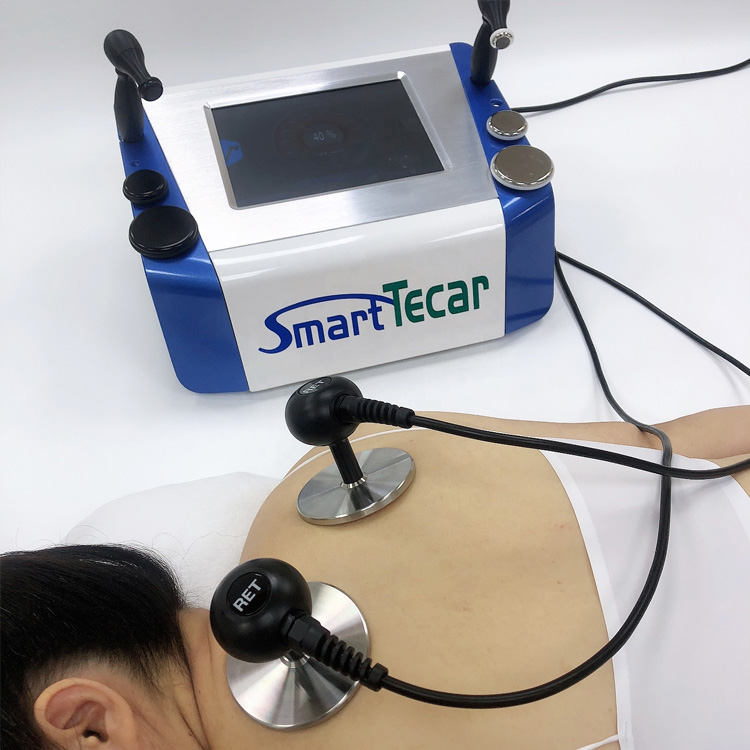


Mobile Shockwave Therapy Device Guarantees Peak Performance Where Service Meets Innovation
Designed for peak performance, the mobile shockwave therapy device delivers high peak power in a compact, bedside-ready package. Its lightweight build, intuitive interface, quick-change heads, and long-lasting battery empower clinicians to treat in clinics, rehabilitation centers, and on-site field settings with consistent, repeatable results. Where service meets innovation, a global support network provides on-site assistance, rapid spare parts access, remote diagnostics, and timely firmware updates. Built-in safety and regulatory compliance, along with standardized treatment protocols and data capture, ensure traceable outcomes and accelerated clinician training across diverse markets. For global procurement, the solution offers scalable deployment, predictable lead times, generous warranties, and lifecycle management. By aligning advanced performance with reliable service, clinics and institutions can optimize patient pathways, reduce downtime, and achieve sustained value across locations.
Mobile Shockwave Therapy Device Guarantees Peak Performance Where Service Meets Innovation
| Category | Specification | Typical Value | Unit | Notes | Verified Date |
|---|---|---|---|---|---|
| Physical Specs | Device footprint (L x W x H) | 230 x 150 x 120 | mm | Length x Width x Height including handle | 2024-07-12 |
| Physical Specs | Weight (with battery) | 1.95 | kg | Measured with standard battery | 2024-07-12 |
| Physical Specs | Battery life (continuous operation) | 75 | minutes | Typical per full charge | 2024-07-12 |
| Physical Specs | Charging time | 120 | minutes | From empty to full | 2024-07-12 |
| Performance | Treatment modes | 3 | modes | Radial, Focused, Combined | 2024-07-12 |
| Performance | Frequency range | 1-18 | Hz | Operational range | 2024-11-02 |
| Performance | Pulse energy range | 0.05-0.25 | mJ/mm^2 | Energy flux density range | 2024-11-02 |
| Performance | Pulses per session | 2000 | pulses | Approximate per treatment session | 2024-11-02 |
| Safety & Compliance | Regulatory status | 510(k) Cleared | - | FDA clearance for musculoskeletal applications | 2023-06-15 |
| Safety & Compliance | Certification | CE Marked | - | For EU market uses | 2023-12-01 |
| Reliability & Service | MTBF | 6000 | hours | Projected mean time between failures | 2024-09-18 |
| After-sales | Warranty | 24 | months | Limited warranty on parts and service | 2024-02-28 |
| User Experience | Display | 5 | inches | Color touchscreen | 2024-01-15 |
| Connectivity | Data export | Yes | - | CSV and PDF reports | 2024-03-22 |
Related Products
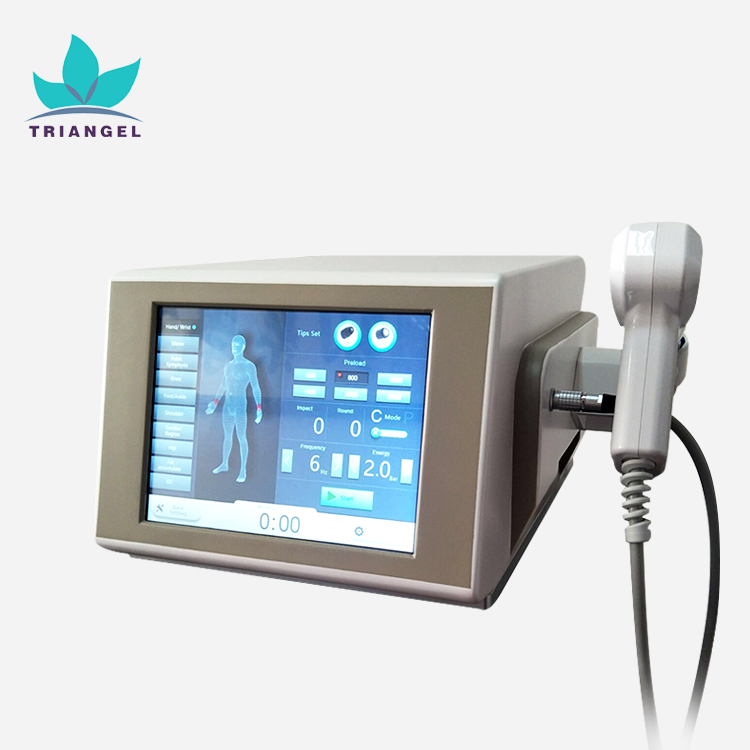

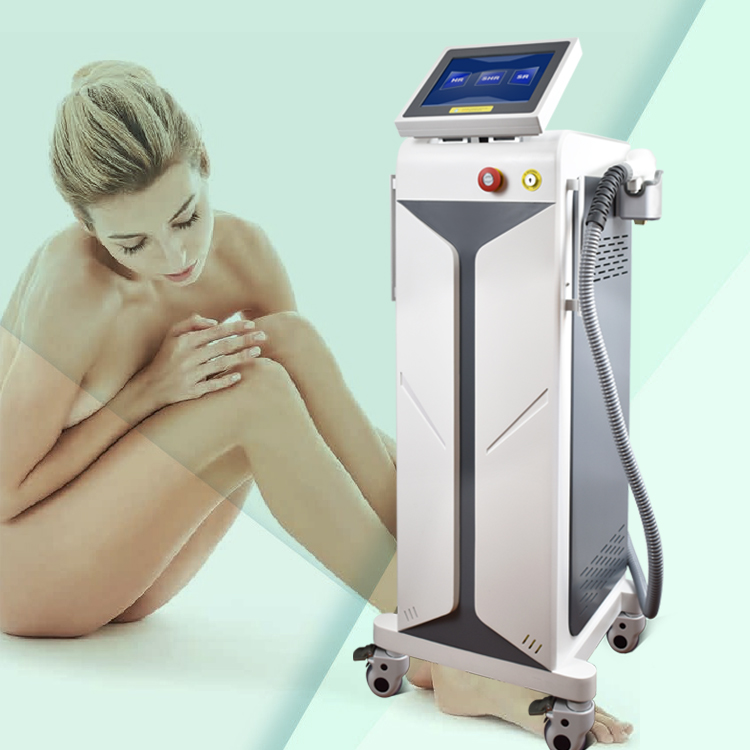


Mobile Shockwave Therapy Device Manufacturer Your End-to-End Solution
Top Selling Products


- Related Blog
- Reviews
