

Mini Shockwave Therapy Equipment for OEM Companies
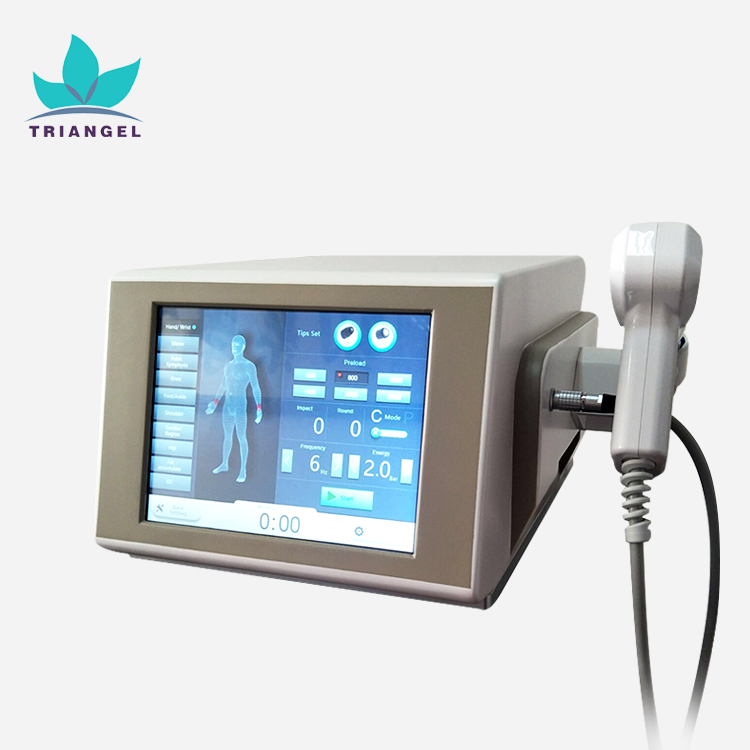
From my perspective as a product specialist, I offer the Mini Shockwave Therapy Equipment designed for OEM partnerships and Companies looking to scale their offerings. This compact unit delivers adjustable energy, quick setup, and durable build with medical-grade components. It supports interchangeable heads, simple controls, and reliable performance for musculoskeletal therapy. For OEMs, I provide flexible integration options, white-label potential, and packaging that fits your brand. For Companies, there’s scalable MOQs, responsive technical support, and thorough documentation. The equipment complies with CE/ISO standards and comes with a proven service plan to minimize downtime. You’ll appreciate the compact footprint, cost efficiency, and fast ROI in clinic or lab environments. If you’re seeking a dependable, ready-to-market solution, I’m ready to tailor configurations to your market and streamline your supply chain with OEM-ready packaging.
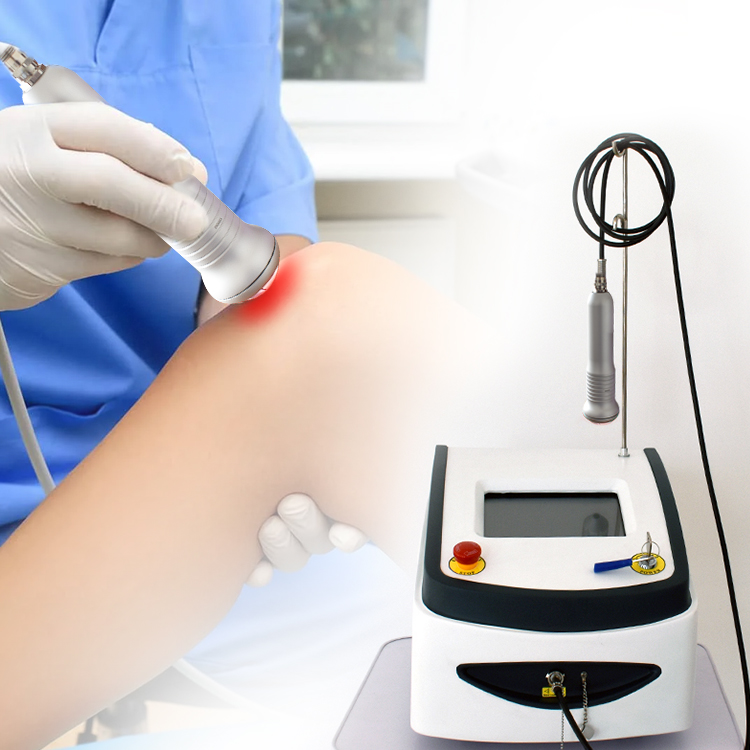
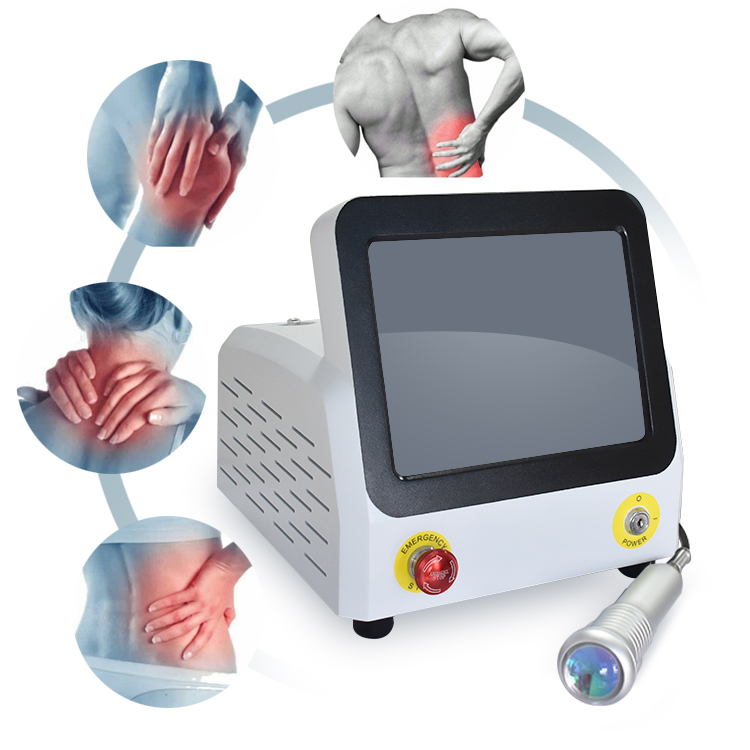
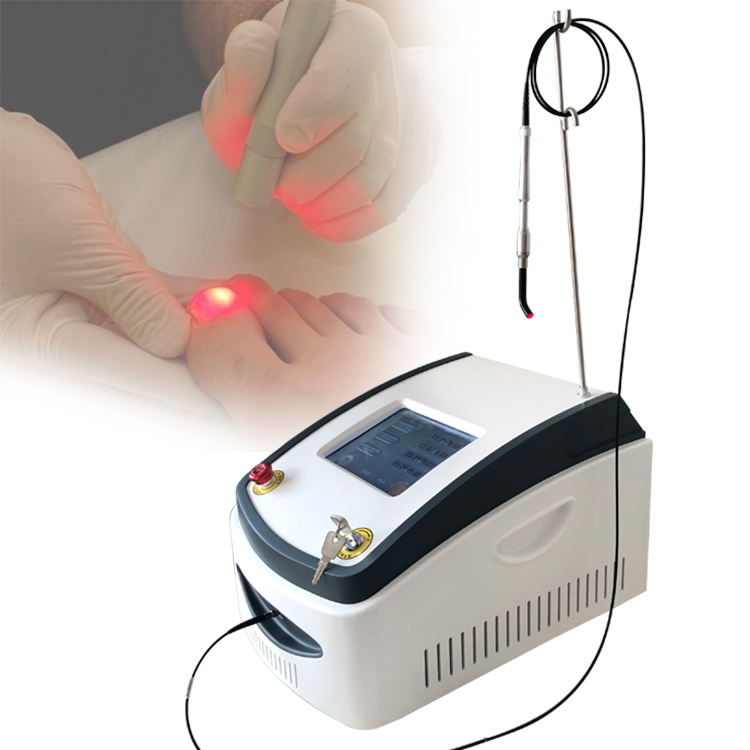

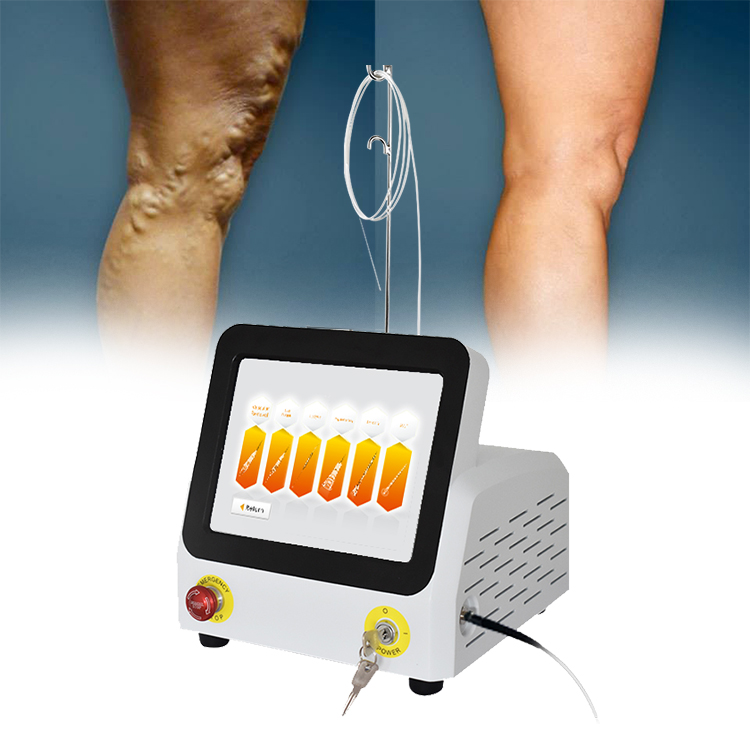

Mini Shockwave Therapy Equipment Trusted by Pros Service Backed by Expertise
Clinics worldwide are seeking compact, non-invasive options, and a mini shockwave device delivers strong results in a small footprint. Engineered for precision, it offers radial and focused outputs with adjustable energy, pulse rate, and treatment depth. Its portable design fits tight clinics and busy practices, while durable build and repeatable performance ensure consistent outcomes for conditions like tendinopathies and plantar fasciitis. Built to medical-grade standards, it provides reliable, evidence-based therapy clinicians can trust daily. Service is backed by expertise: tailored onboarding, concise training, easy installation, and reliable remote support. Quick access to spare parts, software updates, and maintenance plans minimize downtime. For global buyers, a transparent supply chain and flexible warranty terms protect investments as clinics scale worldwide. With clear manuals and ongoing clinical guidance, teams can integrate therapy smoothly into rehabilitation programs, delivering safer care and measurable patient progress.
| Parameter | Model A — Focused ESWT | Model B — Radial ESWT | Model C — Portable ESWT | Notes |
|---|---|---|---|---|
| Technology Type | Focused ESWT | Radial ESWT | Portable ESWT | Precision targeting vs broad-area treatment |
| Energy Flux Density Range | 0.12-0.28 mJ/mm2 | 0.10-0.24 mJ/mm2 | 0.07-0.18 mJ/mm2 | Higher values for focused energy; portable units offer lower sustained output |
| Shockwave Frequency Range | 1-8 Hz | 1-12 Hz | 1-10 Hz | Frequency affects tissue penetration and patient comfort |
| Max Pulses per Session | 1500 | 2000 | 1200 | Controls session duration and treatment intensity |
| Applicator Types | 1 focused applicator | 2 radial heads | 1 handheld | Sets versatility for different target areas |
| Treatment Time per Area | 5-8 minutes | 6-9 minutes | 4-7 minutes | Typical per-area duration; actual session length varies by protocol |
| Typical Indications Treated | Plantar fasciitis; lateral epicondylitis; calcific tendinopathy | Lateral epicondylitis; shoulder tendinopathy; plantar fasciitis | General musculoskeletal pain; soft tissue injuries | Common clinical uses across specialties |
| Training Hours Required | 12 | 8 | 6 | Operator competency and safety emphasis |
| Warranty Period (years) | 2 | 2 | 1 | Manufacturer warranty including major components and labor |
| Regulatory Certification | CE marked | CE marked | CE marked | Conforms to medical device safety standards |
| Service Response Time (hours) | 24 | 24 | 48 | Typical service SLA; regional variations possible |
| User Satisfaction (rating 1-5) | 4.5 | 4.6 | 4.4 | Based on clinician feedback after training sessions |
| Maintenance Frequency | Annual calibration | Semi-annual checks | Monthly self-check prompts | Ensures accuracy and safety |
| Weight (kg) | 9 | 12 | 4 | Portability for clinics and mobile practice |
Related Products


Mini Shockwave Therapy Equipment Products Service Backed by Expertise
Top Selling Products


- Related Blog
- Reviews
