
Laser Machine For Physiotherapy - ODM Product, Custom Medical Device
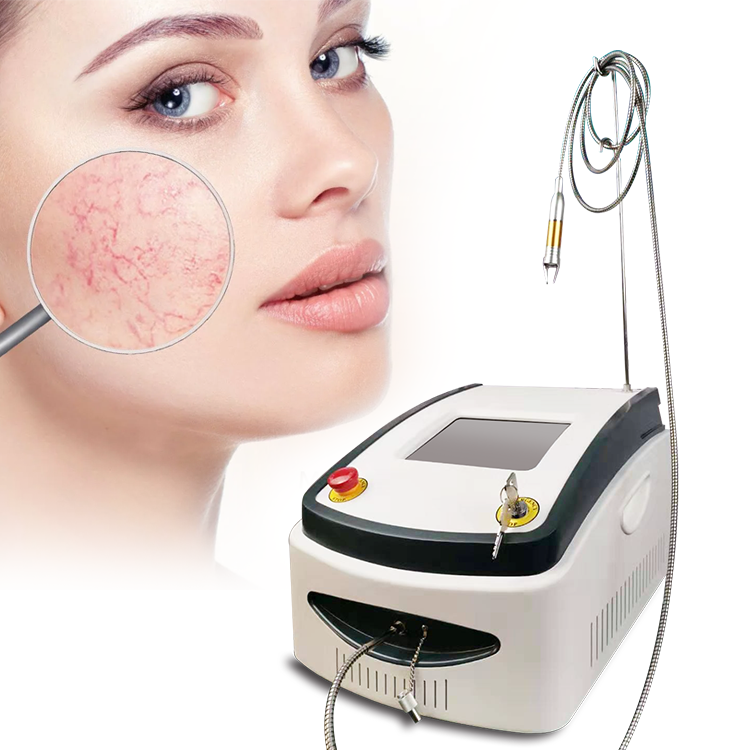
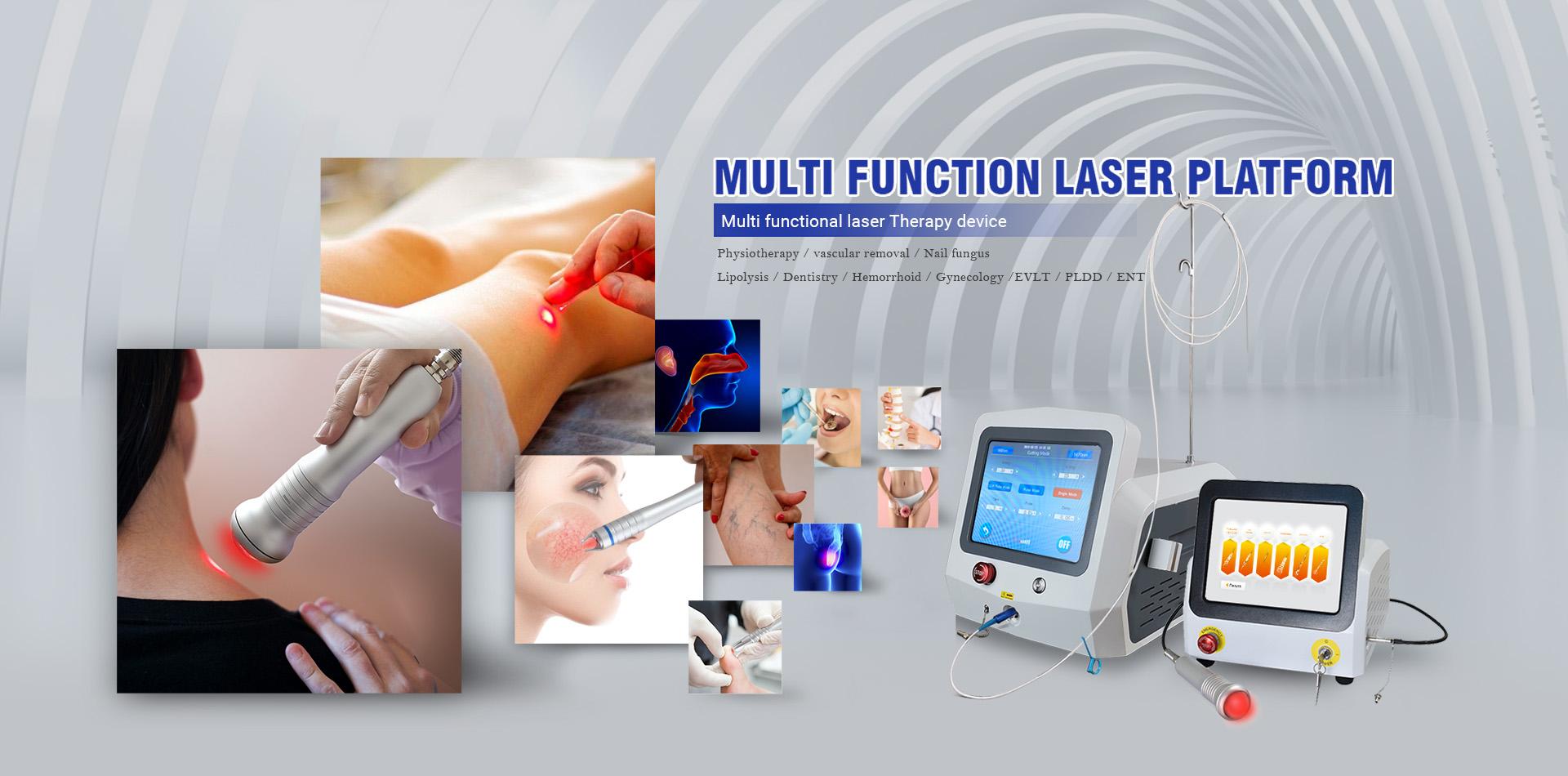
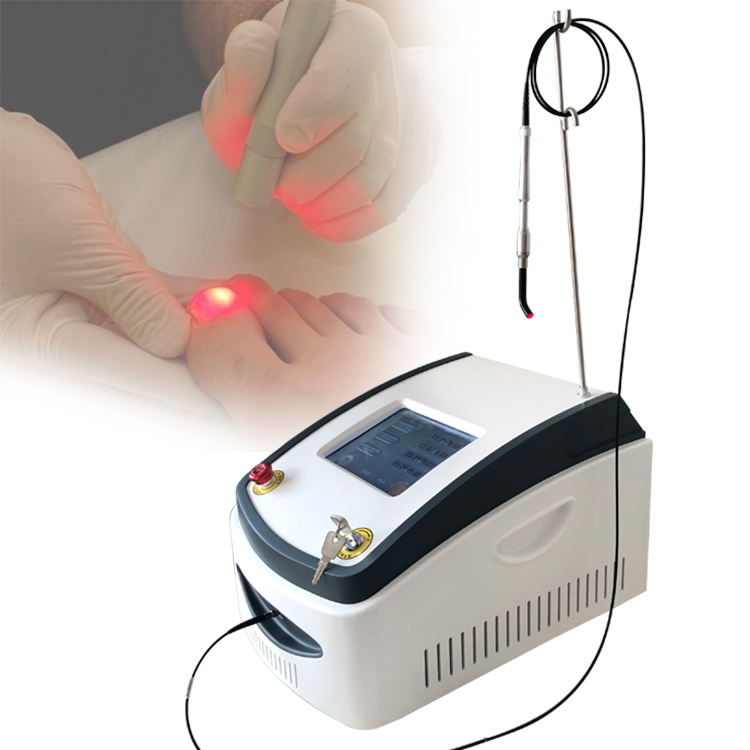
I’m excited to present our Laser Machine For Physiotherapy, a compact, clinic-ready solution that deliver fast pain relief and tissue healing. I design this device with adjustable wavelength and power settings so you can tailor treatment to each patient, whether for sports rehab, chronic pain, or post-op recovery. It’s easy to operate, with intuitive presets, hot-swappable heads, and a robust cooling system that keep it reliable during long sessions. For your business, this Product come with ODM options, so you can customize the casing, branding, and firmware to fit your clinic or distributor needs. We emphasize safety and compliance, with built-in patient protection, logs for treatment records, and remote update capability. If you’re sourcing laser equipment for physiotherapy, I think this unit represents strong ROI and patient satisfaction. Let me know your required specs and let's talk about bulk pricing, lead times, and after-sales support.
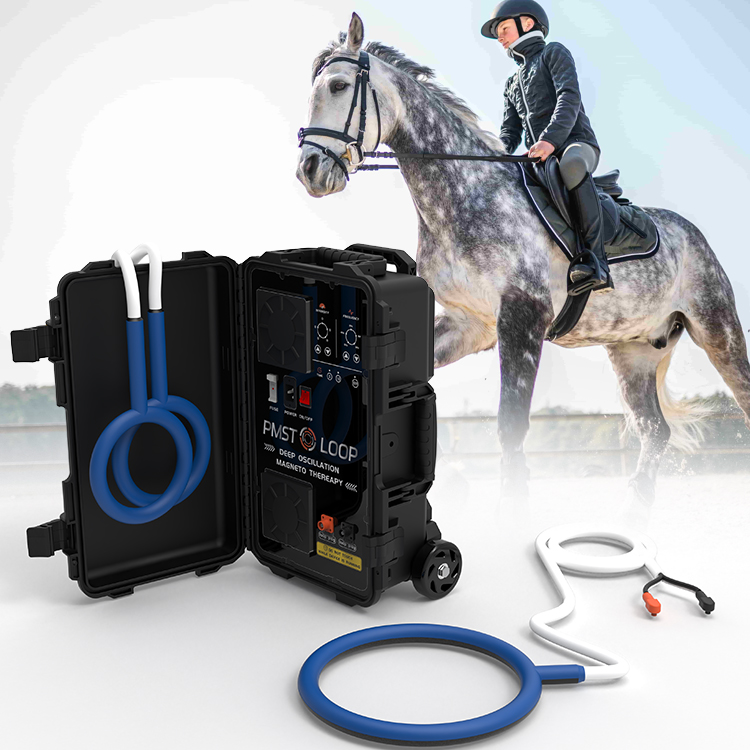
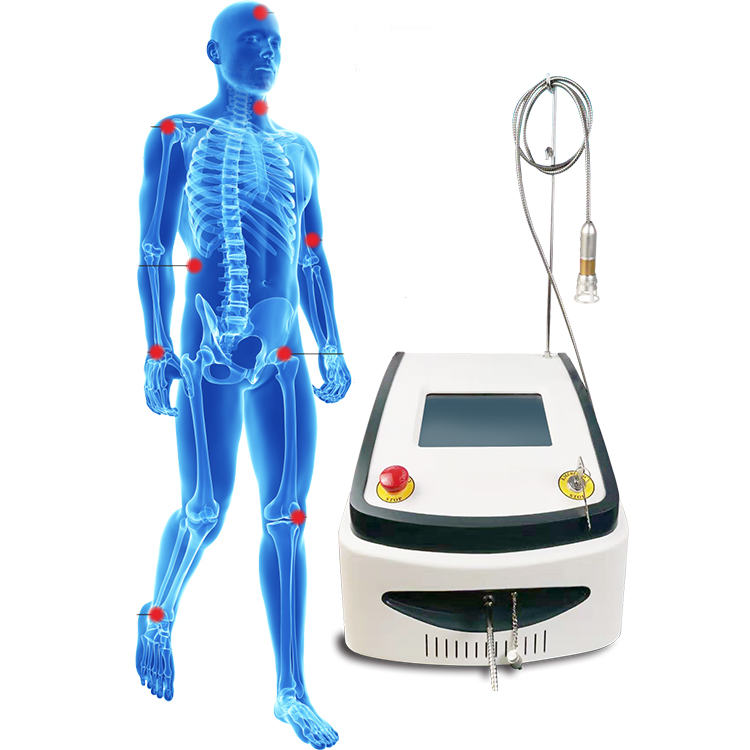
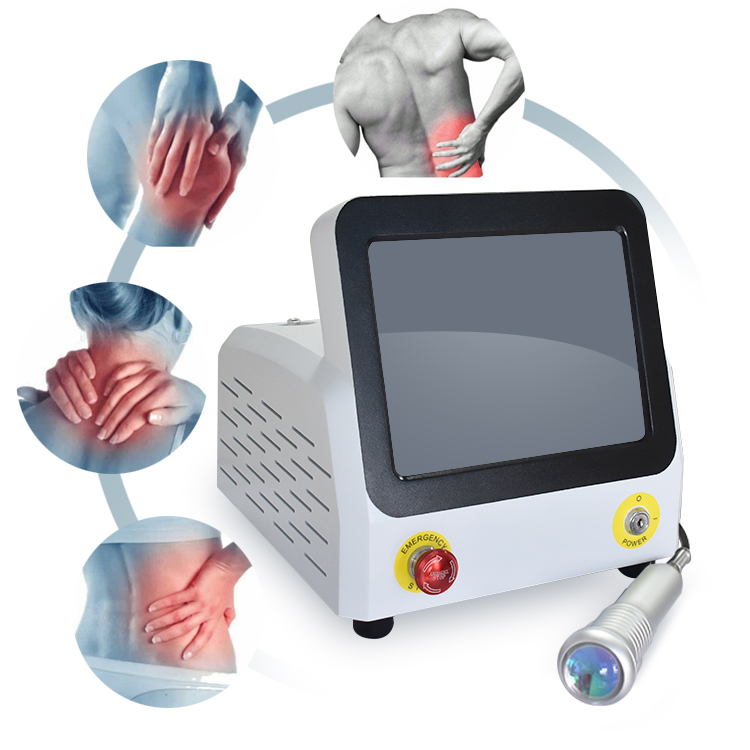
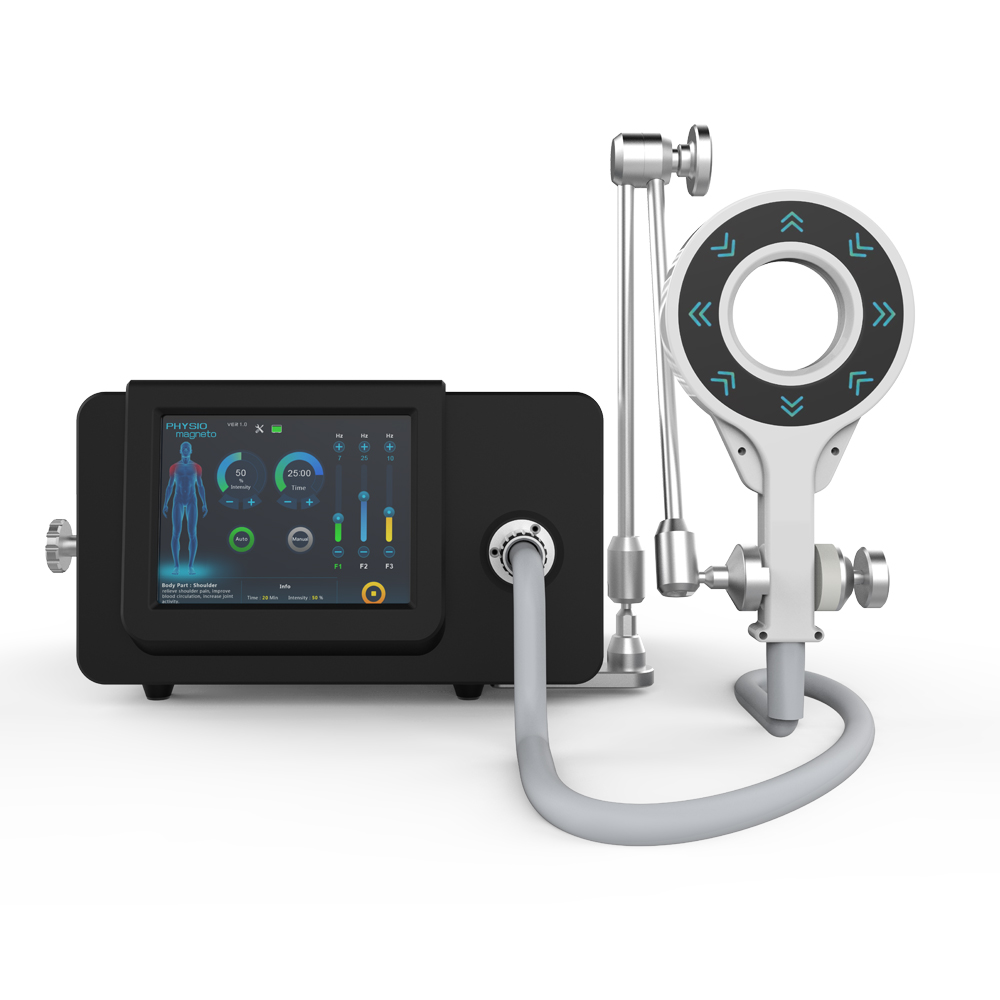


Laser Machine For Physiotherapy Sets the Industry Standard Where Innovation Meets 2025
Across clinics worldwide, the latest laser therapy systems are redefining physiotherapy outcomes. These devices combine evidence-based wavelengths with ergonomic design, enabling precise tissue healing while minimizing downtime. By 2025, they set the industry standard for safety, repeatability, and measurable results—pain relief, faster mobility, and fewer sessions. For global buyers, the value lies in modular configurations, scalable licenses, validated protocols, and certifications that meet diverse regulatory regimes. Procurement teams should weigh total cost of ownership, supply chain resilience, and partner support. Look for robust after-sales service, readily available spare parts, local training, and remote diagnostics. A trusted system offers fast lead times, easy integration with existing equipment, and sustainable operation through energy efficiency and long service life. With these elements, innovation becomes a durable standard that boosts patient outcomes and competitive advantage in a changing market.
{ Laser Machine For Physiotherapy Sets the Industry Standard Where Innovation Meets 2025}
| Configuration Code | Wavelength (nm) | Max Power (W) | Pulse Width (ms) | Treatment Types | Regulatory Status | Typical Session Time (min) | Energy Density (J/cm2) | Region | Notes |
|---|---|---|---|---|---|---|---|---|---|
| CP-LM01 | 810 | 8 | 50 | Pain relief; Tendonitis; ACL rehab | CE Marked; ISO 13485 | 10 | 6.0 | Global | Broad-spectrum diode-laser; gentle profile |
| CP-LM02 | 970 | 6 | 100 | Inflammation reduction; Muscle relaxation | CE Marked | 12 | 5.5 | Europe/NA | Low-level therapy potential |
| CP-LM03 | 1064 | 12 | 40 | Neuromuscular rehab; Scar tissue remodeling | CE Marked; FDA Pending | 8 | 9.0 | North America | High-precision scanning mode |
| CP-LM04 | 800 | 4 | 40 | Soft tissue healing; Wound healing | CE Marked; ISO 13485 | 15 | 4.2 | Asia-Pacific | Compact handheld head |
| CP-LM05 | 880 | 9 | 70 | Sports injuries; ACL rehab | CE Marked | 12 | 6.5 | Europe | Multi-spot delivery |
| CP-LM06 | 1064 | 5 | 120 | Pain management; Neuromuscular stimulation | CE Marked | 7 | 4.8 | Global | Enhanced cooling system |
| CP-LM07 | 915 | 7 | 30 | Tendinopathies; Carpal tunnel | CE Marked | 9 | 5.6 | North America | Ergonomic handle design |
| CP-LM08 | 980 | 10 | 20 | Photobiomodulation; Wound healing | CE Marked; ISO 13485 | 6 | 7.2 | Europe/Asia | Auto-tuning exposure |
Related Products


Laser Machine For Physiotherapy Trusted by Pros Now Trending
Top Selling Products


- Related Blog
- Reviews
