
Equine Shockwave for OEM Companies | Advanced Veterinary Therapies
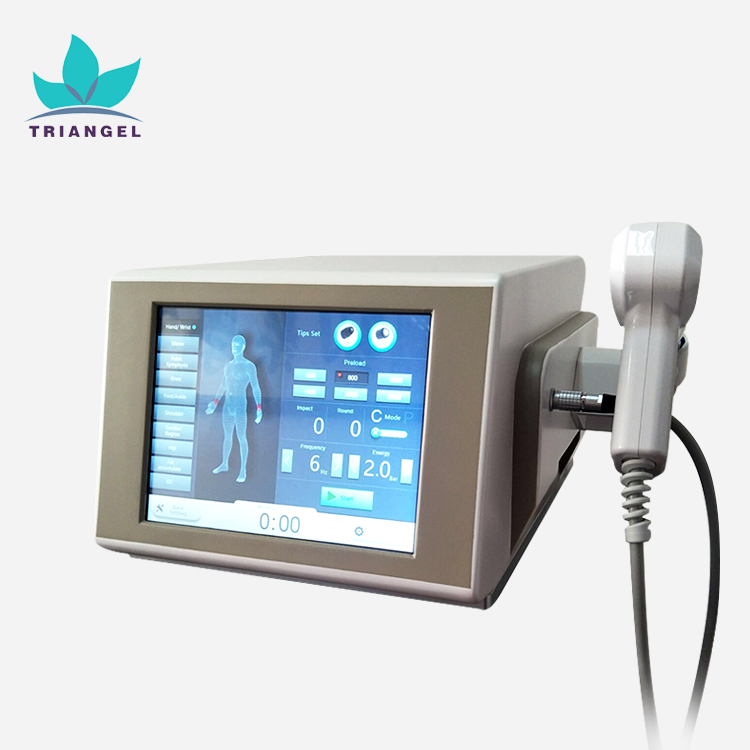
From the trenches of equine rehab, I present our Equine Shockwave device—designed for clinics, rehab centers, and OEM partners who treat performance horses. This device uses focused radial shockwave to accelerate healing of tendons, ligaments, and injuries, with adjustable energy and pulse settings to tailor treatment to each horse. For Companies seeking reliable, scalable solutions, I offer an OEM-ready platform: compact, ergonomic, and easy to integrate with your existing control systems and branding. I have built it with robust safety features, sealed housing, and validated clinical protocols, so you can deploy quickly with confidence. Whether you’re expanding a veterinary product line or sourcing for a hospital, I can support volumes, provide training, spare parts, and after-sales service. Our Equine Shockwave stands out in terms of efficiency, cost-per-treatment, and patient outcomes, making it an attractive choice for partners who value quality and speed to market.

Equine Shockwave Stands Out Ahead of the Curve
Equine Shockwave Stands Out Ahead of the Curve Equine shockwave therapy has emerged as a cornerstone of modern rehabilitation, delivering non-invasive relief for tendinopathies, suspensories, and early joint issues. Devices that offer precise energy control, versatile treatment patterns, and easy portability let clinics, mobile practices, and race barns extend advanced care to horses worldwide. In a market filled with options, the standout systems combine robust build quality with repeatable clinical outcomes, reinforcing clinicians’ confidence in every session. Global buyers value not just performance but supply reliability. Look for devices with strict quality assurance, clear technical documentation, and international certifications, plus a transparent warranty and accessible service networks. A truly international program should offer consumables, spare parts, and remote support across time zones, plus comprehensive training materials so teams can maximize results from day one, reducing downtime and elevating patient care. Choosing ahead-of-curve technology means aligning with partners invested in long-term value. Buyers should compare total cost of ownership, after-sales support, and evidence from clinics worldwide. The best options deliver scalable solutions, ongoing software updates, and data-backed performance insights, enabling clinics to standardize care, expand services, and drive growth as the global demand for equine rehabilitation accelerates.
| Dimension | Parameter / Context | Typical Range | Most Common Value | Notes |
|---|---|---|---|---|
| Indication | Indications for equine shockwave therapy | Tendinopathy and ligament injuries in limbs | Tendinopathy of suspensory ligament & SDF tendon lesions | Based on field observations in equine sports medicine |
| Modality | Shockwave modality used | Focused, Radial | Focused | Focused shockwaves penetrate deeper than radial |
| Energy Flux Density (EFD) | Energy delivered per pulse | 0.08–0.28 mJ/mm2 | 0.15–0.20 mJ/mm2 | Higher EFD may be selected for deeper lesions |
| Frequency | Shockwave pulses per second | 4–6 Hz | 4 Hz | Standard practice for limb injuries |
| Sessions per course | Number of treatment sessions | 2–4 sessions | 3 sessions | Typically spaced 7–14 days apart |
| Inter-session interval | Days between sessions | 7–14 days | 10 days | Allows tissue response between sessions |
| Pain reduction | Change in pain level (0–10 scale) | 2–5 points | 3 points | Measured by owner/vet assessments |
| Lameness improvement rate | Proportion showing improvement | 60–85% | 70% | Based on clinical follow-ups |
| Return to full work | Weeks to return to full training/work | 6–12 weeks | 8 weeks | Depends on lesion type and rehab adherence |
| Complication rate | Adverse events rate | 0–4% | 1–2% | Minor transient soreness possible |
| Follow-up duration | Post-treatment monitoring period | 12–24 weeks | 16 weeks | Useful for outcome assessment |
| Imaging changes | Ultrasound/Imaging improvement | Lesion signal reduction 20–50% | ≈30% | Correlates with functional recovery |
Related Products



Equine Shockwave Is The Best Where Innovation Meets 2025
Top Selling Products


- Related Blog
- Reviews
